

Would you like to learn how to make your own bonsai soil? Find out here what the best ingredients are, the mixing ratios of those ingredients, and how to make your bonsai soil mix at home. Homemade bonsai soil mix is a basic skill that every bonsai grower should know. Soil mix is very important for the health and growth of your bonsai tree.
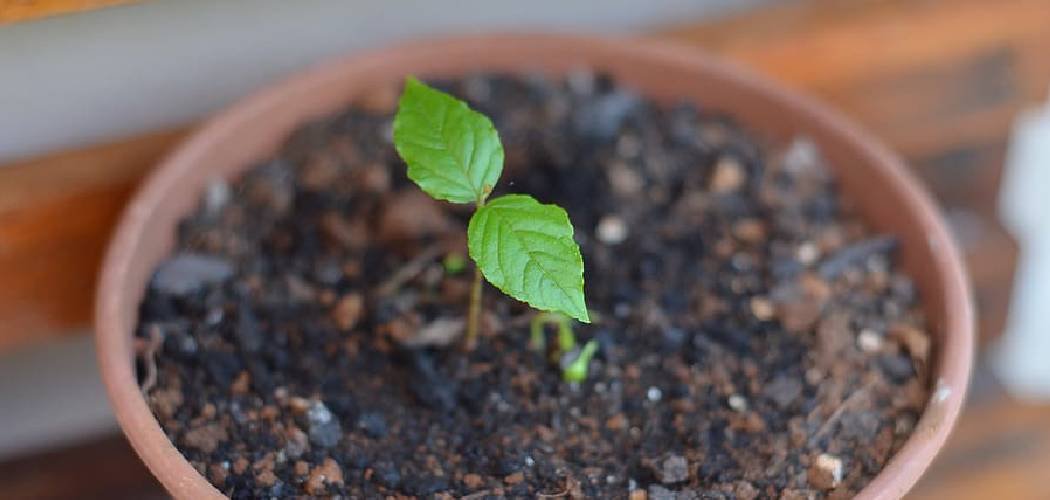
By learning how to make bonsai soil at home, you can save money and find the best possible growing medium for your miniature tree. Bonsai soil is not like regular potting soil. It requires good drainage, good aeration, and the right mix of nutrients. You don’t have to look far to find everything you need to know about making the perfect bonsai soil mix!
Why Make Bonsai Soil at Home?
There are many advantages to making your own bonsai mix. First, you control the quality of the ingredients. Second, DIY bonsai soil can be made for a fraction of the price of commercially available pre-mixed mixes. Third, you can adjust the soil for different types of bonsai trees. Bonsai soil is expensive to buy and may not be suitable for your specific tree. When you make your bonsai soil at home, you know what is in it. This knowledge helps you prepare the soil for different seasons and the needs of your tree.
Essential Ingredients for Homemade Bonsai Soil
The secret to a happy and healthy bonsai soil is knowing three main ingredients: drainage material, water retention material, and nutrient fertilizer. Drainage materials: These help to retain water in the soil for a longer period. Perlite, pumice, and coarse sand are all good drainage materials. These materials provide good aeration for your bonsai’s roots.
Water retention media: These help to retain some moisture in your soil. Materials used are often acacia, peat moss, and fine bark. By retaining the perfect amount of water, your bonsai will not die quickly. Fertilizer sources: These feed your bonsai tree. Compost, leaf mould, and aged bark are all beneficial nutrients. However, be sure to choose a bonsai soil that is not nutrient-rich.
10 Step-by-Step Guide: How to Make Bonsai Soil at Home
Step 1: Gather Your Materials
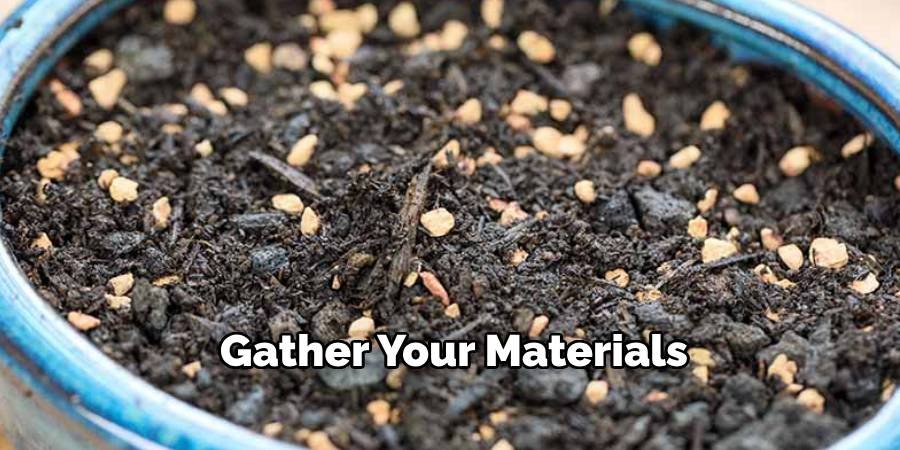
Gather all your materials before you begin: Measuring cup, Large mixing bowl, Sieve. Clay mix: You will need akadama (or clay granules), pumice, lava rock, and organic fertilizer. Make sure all of your materials are clean and dry. Wet ingredients can create a mess in your final mixture. Store your materials in a dry place until you are ready to combine them.
Step 2: Prepare the Drainage Layer
Start by preparing your drainage materials. Run the pumice and lava rocks through a fine mesh sieve to remove dust and small particles. This is important because dust can clog the drainage holes in your bonsai pot. Clean drainage materials work better and last longer. Rinse and drain them several times until the water runs clear. Then dry them completely before using.
Step 3: Mix the Base Components
Mix your drainage materials in a 1:1:1 ratio. This is a 1:1:1 ratio of Akadama, Pumice, and Lava Rock. This simple recipe will help you get a lot of drainage and leave a little moisture. Mix well in a large container. Make sure the mixture is evenly distributed. This provides a uniform substrate for your bonsai.
Step 4: Add Organic Matter
Add a little organic fertilizer to this mixture. No more than 10-20% organic matter should be used in the soil mixture. Excess organic matter can cause the roots of the bonsai tree to rot. Add all organic matter to your soil mixture. This provides a slow release of nutrients for your bonsai tree. Good organic options are aged bark, leaf compost, or coconut husks.
Step 5: Adjust for Your Climate
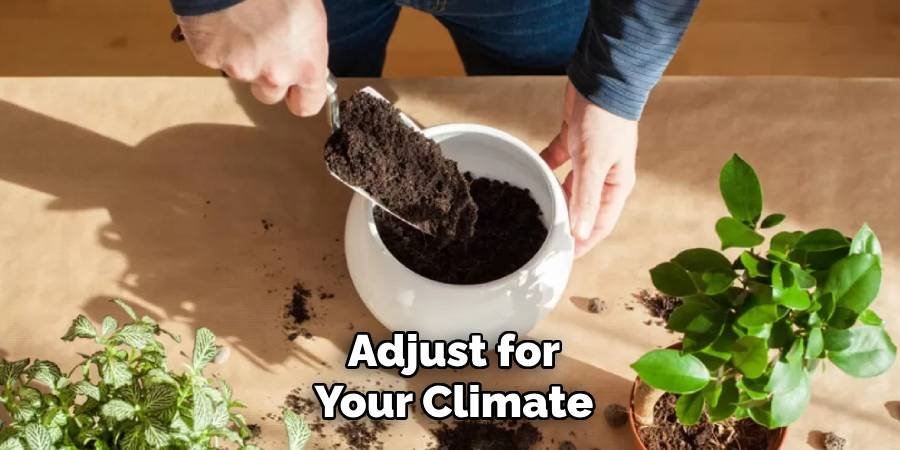
Consider your local climate when making bonsai soil at home. Add more drainage materials in humid areas. Add a little more water-retaining material in dry climates. In hot climates, you want soil that retains more moisture. In colder areas, drainage should be very good to avoid root rot. Adjust your mix accordingly.
Step 6: Test the Mixture
Before using your homemade bonsai soil, test the drainage. Fill the pot three-quarters full with the mixture and water well. The water will drain quickly without pooling on the deck. If the water drains too slowly, add more of your drainage material. If it drains too easily, add more water-retaining material. The ideal mix drains well but retains some moisture.
Step 7: Sterilize the Soil
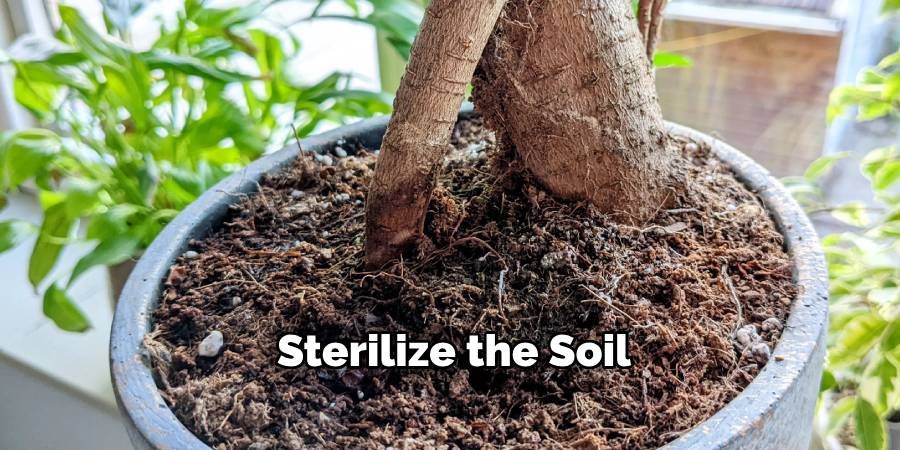
Sterilising your mixture can also prevent disease and insects. You can bake the soil in the oven at 200°F for 30 minutes, which is deadly for bad bacteria and fungi. Let the sterilized soil cool to room temperature before using it. Then, store it in a clean, dry container whenever you want to use it to repot your bonsai tree!
Step 8: Store Properly
Store your DIY bonsai soil in a sealed container. Store in a cool, dry place and out of direct sunlight. Properly stored soil can be stored for several months. Mark your container with the date it was mixed and what it contains. This ensures that you know the recipe for the next batch. Proper storage can help prevent contamination and keep your soil fresh.
Step 9: Customize for Different Trees
Different types of bonsai require different types of soil. Evergreen trees also prefer more drainage, while deciduous trees prefer more water retention. Adjust your basic recipe accordingly. For flowering bonsai, add more organic matter. For desert plants, add more drainage materials. Knowing your plant’s soil needs will enable you to create the best possible growing medium.
Step 10: Monitor and Adjust
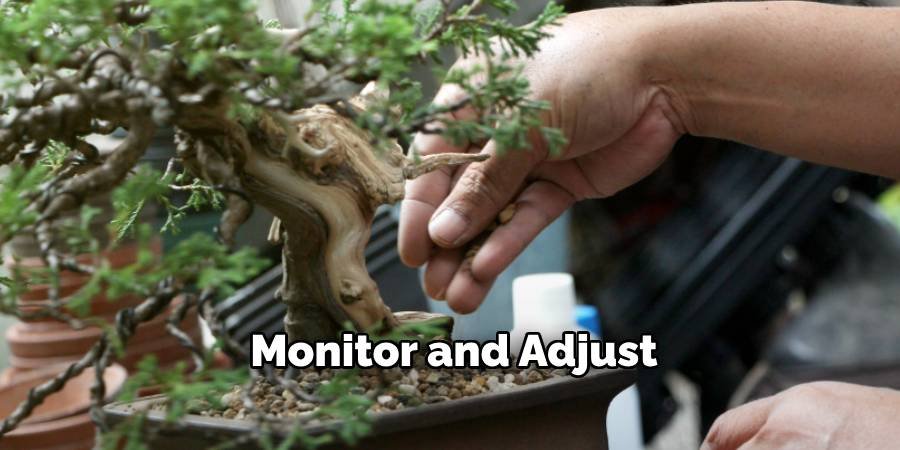
Observe how your bonsai plants react after planting in the soil. Good growth is an indication of the right mix. If you notice problems, you can adjust your recipe and prepare for next time. Make notes about what works best for different plants. This information will enable you to improve your soil preparation over time. Good record-keeping will lead to better results.
Common Mistakes to Avoid
Most beginners make the same mistake when growing bonsai soil at home. The worst mistake is using regular potting soil. Regular soil holds too much water and doesn’t allow for adequate drainage.” Norgate adds that another mistake is applying too much organic matter. While nutrients are needed, too much can cause root problems. Follow the guidelines and use organic with 10-20% organic matter. Another common mistake is not sterilizing the soil. Unsterilized soil can introduce diseases or pests to your bonsai. Make sure you sterilize your homemade mixture as well.
Frequently Asked Questions (FAQs)
Q: How often should I change my bonsai soil?
Answer: How often should you repot your bonsai? Young trees can benefit from changing the soil every year, while larger trees can go longer between changes.
Q: Can I use garden soil for bonsai?
Answer: No, garden soil is too dense and does not drain well enough for bonsai. Always use a custom bonsai soil mix for best results.
Q: What’s the best soil for a beginner bonsai?
Answer: A basic mix of Akadama, pumice, and lava rock is fine for beginners. It drains well and is easy to clean.
Q: How much does homemade bonsai soil cost?
Answer: DIY soil is typically 50 to 70 per cent less expensive than store-bought soil. Savings will vary depending on the cost of local materials.
Q: Can I reuse old bonsai soil?
Answer: You can salvage some soil, but it’s better to start fresh. Old soil may contain salts and decaying organic matter that can be harmful to your plants.
Conclusion
Bonsai Soil Mixture at Home Learning to make bonsai soil at home is a great skill, as it can save you some money, and it will serve your plants well. The best bonsai soil mix will have drainage, adequate aeration, and good nutrition! You can make pro soil at home by following these steps:
Keep in mind that making homemade bonsai soil takes time and patience. Start with a basic 1:1:1 mix of akadama, pumice, and lava rock, and adjust from there to suit your specific needs.
Sterilize your powder each time and test the drainage before applying it to your prized bonsai.
The secret to success is knowing your local climate and the needs of your plants. Over time, you will create the perfect soil mix for your bonsai collection. Making bonsai soil at home is simply a matter of getting the proportions right, and it often costs a fraction of the price of pre-made soil mixes not sold in large corporations and megastores.
Read More Our Garden Guides:
- How to Make Landscaping Beds
- How to Remove Dallisgrass From Lawn
- How to Stop Turkeys from Digging Up Lawn
- How to Prep Garden Beds for Spring
- How to Clean Soil for Planting

About Ravuk Barg
B.Sc. Horticulture Science | Certified Master Gardener
Ravuk Barg has spent more than a decade with his hands in the soil and his head full of questions about why some gardens thrive while others struggle. What started as a single raised bed of tomatoes and basil in a modest backyard has grown into a deep, working knowledge of everything from seed germination and soil amendment to companion planting and seasonal pruning.
Over the years, Ravuk has gardened through drought summers, waterlogged springs, and pest invasions that would make most gardeners hang up their trowels for good. Those hard seasons, he’ll tell you, taught him more than any perfect growing year ever could. He writes from that earned experience—covering vegetable growing, ornamental planting, houseplant care, composting, and garden design with equal confidence and curiosity.
Philosophy & Approach
Ravuk’s approach to gardening is rooted in practicality. He favors organic methods not out of dogma, but because they work long-term—resulting in healthier soil, fewer inputs, and stronger plants. He has a particular fondness for heirloom vegetable varieties (the kind with proper flavor), unruly cottage-style flower beds, and the stubborn houseplants that everyone else gave up on.
The Mission: Give readers the honest, experience-backed advice that helps them actually succeed in their gardens—not just the ideal version, but the real one; weeds, failures, and all.
Education & Credentials
-
B.Sc. in Horticulture Science
-
Greenfield Agricultural University
-
Focus: Plant Physiology, Soil Ecology, and Sustainable Crop Production
-
-
Master Gardener Certification
-
Cooperative Extension Service
-
Focus: 200+ hours of hands-on practical training and community garden work
-
Continuing Education
-
Organic Pest Management
-
Native Plant Landscaping
-
Sustainable Crop Production