

Your boxwood looked full and green last season. Now it’s showing yellowing leaves, bare patches, or crispy brown tips that make you wonder if it’s worth saving. The good news is that boxwoods are tougher than they look, and most decline is reversible with the right approach.

Whether the damage came from winter burn, poor drainage, compacted soil, or a pest problem, there’s usually a clear path back to health. Learning how to revive boxwood bushes is a skill every homeowner and beginner gardener will use more than once, because these evergreen shrubs are among the most popular landscape plants in North America. This guide walks you through every step of the recovery process, from diagnosis all the way to long-term care.
Why Reviving Boxwood Bushes Matters
Boxwoods are workhorses of the home landscape. They frame entryways, define garden borders, and hold their structure through every season. When one starts declining, it affects the whole look of your yard — and replacing a mature shrub costs far more than saving it.
Beyond appearance, understanding how a boxwood gets sick teaches you to read plant stress signals across your entire garden. You’ll start noticing when soil drainage is off, when pests are moving in early, or when winter protection is needed. These are skills that carry over to every other plant you grow.
There’s also a practical investment angle. A well-established boxwood can take years to reach its size. Reviving it, rather than replacing it, protects that time and money. Acting quickly when you first notice symptoms gives you the best possible chance of a full recovery.
Tools and Materials You’ll Need
You don’t need a lot of specialized equipment to bring a struggling boxwood back. The right basics will carry you through the entire process.
Start with a clean pair of pruning shears and a pair of loppers for any thicker branches. You’ll need a spray bottle or garden sprayer for applying treatments, and a soil pH test kit to check whether your growing conditions are working for or against the plant. Pick up a bag of organic mulch — pine bark works well — and a slow-release, balanced fertilizer formulated for evergreens. A copper-based fungicide is important if boxwood blight is suspected.
Neem oil is useful for managing common pests. You’ll also want a watering can with a directed spout to control where moisture goes during irrigation. As an optional but helpful addition, a moisture meter removes the guesswork when you’re trying to figure out whether the soil is too wet, too dry, or just right.
Step-by-Step Guide on Reviving Boxwood Bushes
Step 1 – Inspect the Plant Thoroughly Before You Do Anything
Before you prune a single branch or apply any product, take ten minutes to really look at your boxwood. Get down to eye level and examine the foliage, stems, and soil line. Note where the damage is concentrated — is it on the outer tips, deep inside the canopy, or spreading from the base upward?

Yellowing or pale leaves that feel soft often point to overwatering or root rot. Brown, papery foliage along outer edges is a classic sign of winter burn or drought stress. If you see tiny white or brown spots on leaves along with a musty smell when you crush them, boxwood blight may be involved. Documenting what you see — even with a quick phone photo — helps you track improvement over the coming weeks.
Step 2 – Rule Out Environmental Stress Before Treating for Disease
Many boxwood problems that look like disease or pests are actually caused by environmental conditions. Check the planting site carefully. Is the soil staying soggy after rain? Are the roots sitting in compacted soil that water can’t move through? Is the shrub in a spot that gets harsh afternoon sun in summer and brutal wind exposure in winter?

Boxwoods prefer partial to full sun with well-drained soil and some protection from drying winter winds. If the location itself is the problem, no amount of treatment will produce a lasting recovery. Press two fingers into the soil near the base — if it feels waterlogged a full day after rain, drainage is contributing to the decline. Fixing the environment first makes every other step more effective.
Step 3 – Remove Dead, Diseased, or Crossing Branches
Once you’ve assessed the plant, begin the cleanup process. Use your pruning shears to remove any branches that are completely brown, dry, and clearly dead. Scratch a small section of bark with your fingernail — living wood underneath will be green or white, while dead wood will be brown and dry all the way through. Remove any branches that are crossing and rubbing against each other, since that friction creates wounds that invite disease.

If you suspect boxwood blight, disinfect your shears with rubbing alcohol between every single cut to avoid spreading the fungal pathogen from one branch to another. Bag and trash all removed material. Never compost foliage or stems from a potentially diseased boxwood — spores can survive and return to your garden.
Step 4 – Open Up the Canopy to Improve Air Circulation
Dense, tight canopies trap moisture and create exactly the kind of humid microclimate where fungal diseases like boxwood blight thrive. After removing dead material, step back and look at the interior of the shrub. If light can’t penetrate easily, selectively thin out some of the inner branches to open up airflow.

You’re not going for a drastic reduction in size here — just enough thinning to let air and light move through. Use your pruning shears for smaller growth and loppers for anything thicker than a pencil. This step also makes it easier to spot new problems early. A well-ventilated boxwood is a more resilient one, and this kind of structural pruning is a cornerstone of evergreen shrub care that pays off season after season.
Step 5 – Treat for Pests or Disease if You Found Evidence
If your inspection revealed signs of boxwood leafminer, spider mites, or boxwood blight, now is the time to treat. For pest problems, neem oil applied in early morning — so the leaves dry before evening — is an effective starting point for light infestations. Coat both the tops and undersides of leaves thoroughly. For boxwood blight, a copper-based fungicide applied according to label directions offers the best control available to home gardeners.
Follow up with a second application seven to fourteen days later. If the blight is severe and has spread throughout the shrub, consult your local cooperative extension office for guidance before investing more time in a plant that may be beyond saving. Catching these problems early, which is why step one matters so much, gives you the most treatment options.
Step 6 – Address Soil Drainage and Moisture Issues
Root rot from persistently wet soil is one of the most damaging and least obvious causes of boxwood decline. If drainage is the problem, start by removing any old, compacted mulch and loosening the top inch of soil around the root zone with a hand fork. For severely waterlogged areas, consider adding a French drain or working coarse organic matter into the surrounding soil to improve permeability over time.

If drainage is adequate but the plant shows stress from drought, deep and infrequent watering is your solution — soak the root zone thoroughly once a week rather than watering lightly every day. Shallow daily watering trains roots to stay near the surface where they’re more vulnerable to heat, cold, and drought. Getting soil moisture right is a pivotal part of knowing how to revive boxwood bushes effectively.
Step 7 – Apply Fresh Mulch and Feed the Root Zone
Once drainage and pruning are sorted, give the plant a foundation for recovery. Spread two to three inches of organic mulch — pine bark or wood chips — in a ring around the base of the shrub, keeping it pulled back a few inches from the main stem to prevent moisture buildup against the bark. Fresh mulch regulates soil temperature, holds moisture more evenly, and creates a barrier that stops soil-borne fungal spores from splashing up onto lower foliage during rain.
Follow the mulching with a light application of slow-release evergreen fertilizer according to package directions. Avoid over-fertilizing a stressed plant — too much nitrogen pushes weak, fast growth that’s more vulnerable to pests and disease. One balanced feeding in early spring and a second in early fall is enough.
Step 8 – Monitor Weekly and Adjust Your Care as Needed
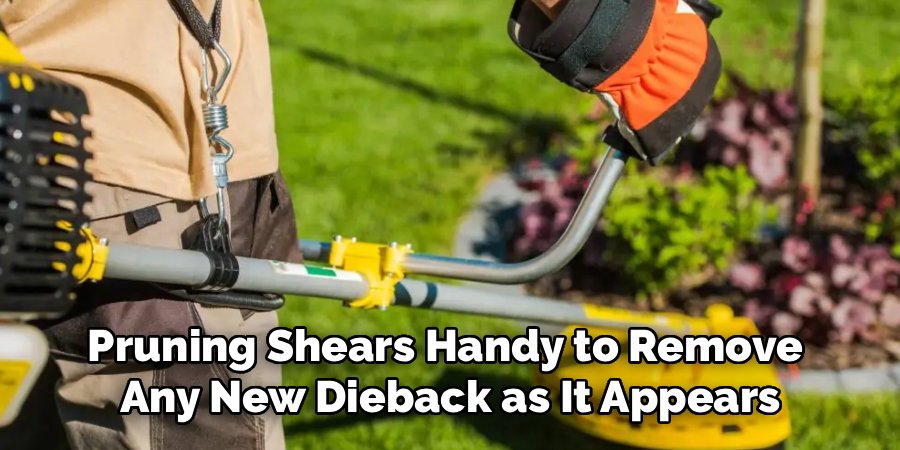
Recovery takes time, and the plants that bounce back fastest are the ones whose owners stay consistent with follow-up. Set a reminder to check your boxwood once a week for the next six to eight weeks. Look for new healthy green growth emerging from the branch tips — that’s your best sign that the plant is responding. Watch for any return of the original symptoms and treat promptly if they reappear. Keep your pruning shears handy to remove any new dieback as it appears.
If you applied fungicide, schedule a follow-up application as the product label recommends. Knowing how to revive boxwood bushes isn’t just about the initial fix — it’s about building a consistent care routine that keeps your plant strong enough to resist future problems.
Common Mistakes When Reviving Boxwood Bushes
One of the most common errors beginner gardeners make is over-pruning a stressed plant in an effort to clean it up quickly. Removing too much foliage at once puts additional strain on a boxwood that’s already struggling to support itself. Prune conservatively and focus on dead or diseased wood first, leaving healthy green growth untouched.
Another frequent mistake is treating for disease without fixing the underlying environmental problem. If poor drainage or wind exposure is causing the decline, applying fungicide will not produce lasting results. The plant will continue to struggle until the root cause is addressed.
Many gardeners also apply fertilizer too aggressively, assuming it will speed up recovery. Heavy nitrogen feeding on a stressed plant pushes weak, tender growth that’s highly attractive to pests like boxwood leafminer and more susceptible to fungal attack. Feed lightly and let the plant set its own recovery pace.
Forgetting to sanitize pruning tools between cuts is another serious oversight. If boxwood blight is present, a contaminated pair of shears spreads the fungal pathogen to every healthy branch you touch afterward. A quick wipe with rubbing alcohol takes seconds and prevents compounding the problem.
Finally, stopping treatment after the first sign of improvement leads to relapse. Fungal diseases in particular require follow-up applications, and structural issues like compacted soil need ongoing attention. Commit to monitoring your plant through at least one full growing season.
Expert Tips
Experienced gardeners know that the best time to act on boxwood stress is the moment you notice it, not after it spreads. Small problems are always easier to manage than established ones.
When applying any spray treatment — neem oil, copper fungicide, or insecticidal soap — always work during the cooler parts of the day. Early morning is ideal. Treating in direct afternoon sun causes the product to evaporate before it can work, and it can scorch already stressed foliage.
If you live in a climate with cold, windy winters, wrap vulnerable boxwoods with burlap in late fall. Winter burn is one of the most common causes of browning, and prevention costs far less than recovery.
Finally, choose disease-resistant boxwood varieties when planting new specimens. Cultivars like ‘Buxus sempervirens Suffruticosa’ and ‘Green Velvet’ tend to perform better in challenging conditions than older, less-selected varieties.
Frequently Asked Questions
Why are my boxwood leaves turning yellow?
Yellow foliage in boxwoods most often signals overwatering, poor drainage, or a soil pH that’s drifted outside the plant’s preferred range of 6.5 to 7.0. It can also indicate a nitrogen deficiency or the early stages of root rot. Check your soil moisture before watering — if the ground is still wet from the last session, hold off. A soil pH test will tell you whether a nutrient imbalance is contributing to the discoloration.
Can a boxwood recover from boxwood blight?
Recovery from boxwood blight depends on how far the disease has spread. Mild to moderate cases can be managed with copper-based fungicides, improved air circulation, and strict sanitation of pruning tools. Severely infected plants with widespread dieback are difficult to save and may need removal to protect other shrubs nearby. Contact your local extension service for a confirmed diagnosis before deciding whether treatment or removal is the right choice.
How do I know if my boxwood has root rot?
Root rot produces symptoms that look similar to drought stress — browning leaves, dieback, and a general look of decline — even when the soil is wet. If you gently pull back the mulch and loosen the top layer of soil near the base, healthy roots should be firm and white or tan. Rotted roots are dark, mushy, and often have an unpleasant smell. Improving drainage and reducing watering frequency are the first steps toward stopping further damage.
When is the best time to prune a struggling boxwood?
Late winter to early spring, just before new growth begins, is generally the best time to prune a struggling boxwood. This timing lets you remove winter damage while giving the plant a full growing season to fill in and recover. Avoid heavy pruning in late summer or fall, as new growth stimulated by pruning may not harden off before cold weather arrives, leaving it vulnerable to frost damage.
How long does it take for a boxwood to recover?
Recovery time varies depending on the cause and severity of the problem. A plant stressed by drought or winter burn may push healthy new growth within four to eight weeks once conditions improve. Disease or root rot recovery takes longer — often a full growing season or more. Consistent monitoring, prompt treatment of new symptoms, and patient, measured care give your boxwood the best chance of bouncing back to its original vigor.
Conclusion
A struggling boxwood is rarely a lost cause. You’ve now learned to read the signs of stress, choose the right tools, and work through a clear recovery plan — from diagnosis and pruning all the way to soil improvement and long-term monitoring. The most important thing to take away is that patience and consistency matter more than any single product or quick fix. Evergreen shrub care is a long game, and your boxwood will reward steady attention far more than aggressive intervention.
Start with one step. Inspect the plant, fix what you can today, and keep watching. Understanding how to revive boxwood bushes puts you in a much stronger position the next time you notice something off in your garden — whether it’s this shrub or the next one. These plants are resilient, and with the right support, they can return to the full, sculptural shape that makes them so worth growing in the first place.

About Ravuk Barg
B.Sc. Horticulture Science | Certified Master Gardener
Ravuk Barg has spent more than a decade with his hands in the soil and his head full of questions about why some gardens thrive while others struggle. What started as a single raised bed of tomatoes and basil in a modest backyard has grown into a deep, working knowledge of everything from seed germination and soil amendment to companion planting and seasonal pruning.
Over the years, Ravuk has gardened through drought summers, waterlogged springs, and pest invasions that would make most gardeners hang up their trowels for good. Those hard seasons, he’ll tell you, taught him more than any perfect growing year ever could. He writes from that earned experience—covering vegetable growing, ornamental planting, houseplant care, composting, and garden design with equal confidence and curiosity.
Philosophy & Approach
Ravuk’s approach to gardening is rooted in practicality. He favors organic methods not out of dogma, but because they work long-term—resulting in healthier soil, fewer inputs, and stronger plants. He has a particular fondness for heirloom vegetable varieties (the kind with proper flavor), unruly cottage-style flower beds, and the stubborn houseplants that everyone else gave up on.
The Mission: Give readers the honest, experience-backed advice that helps them actually succeed in their gardens—not just the ideal version, but the real one; weeds, failures, and all.
Education & Credentials
-
B.Sc. in Horticulture Science
-
Greenfield Agricultural University
-
Focus: Plant Physiology, Soil Ecology, and Sustainable Crop Production
-
-
Master Gardener Certification
-
Cooperative Extension Service
-
Focus: 200+ hours of hands-on practical training and community garden work
-
Continuing Education
-
Organic Pest Management
-
Native Plant Landscaping
-
Sustainable Crop Production