

Dallisgrass is one of the most stubborn weeds that can invade your beautiful lawn. This tough perennial grass forms unsightly clumps and quickly spreads throughout your yard. Many homeowners struggle to remove Dallisgrass because it grows differently than regular lawn grass. The good news is that you can learn how to remove dallisgrass from lawn using proven methods that really work.
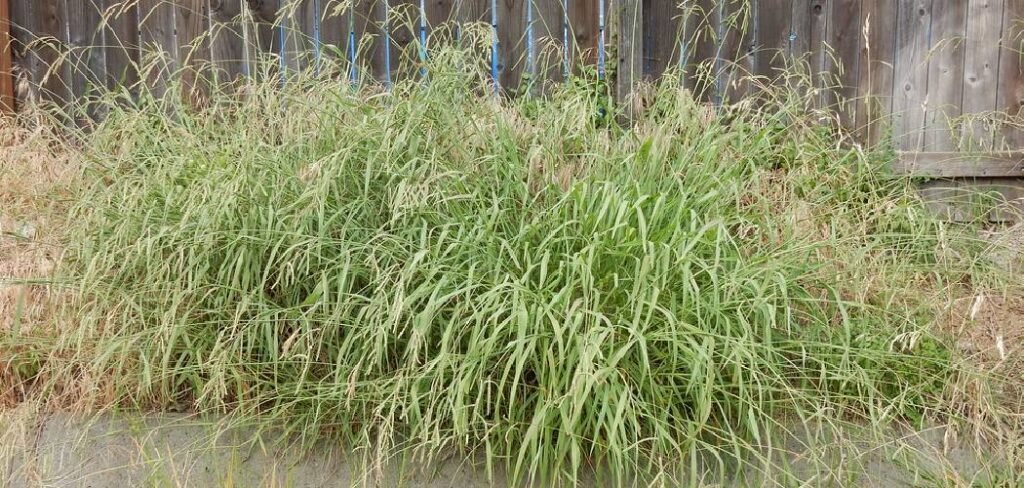
This invasive weed has thick, rounded stems that are taller than your average grass. Dallisgrass produces seed heads that look like little fingers pointing upwards. These seeds spread easily, making the problem worse if you don’t take quick action. Understanding how to identify and remove this weed is important to keeping your lawn healthy and attractive.
What is Dallisgrass and Why is it a Problem?
Dallisgrass (Paspalum dilatatum) is a perennial weed native to South America. It grows in warm climates and likes plenty of water. This weed is different from your lawn grass because it grows in dense clumps and has a coarse texture. The leaves are wider and rougher than regular grass blades.
The main problem with Dallisgrass is how quickly it spreads. Each plant can produce thousands of seeds per year. These seeds stick to shoes, lawn mowers, and animals, which helps the weed move to new areas. Once Dallisgrass starts growing in your lawn, it competes with your good grass for water, nutrients, and sunlight.
Dallisgrass creates an uneven look in your lawn. The dense clumps grow faster and taller than regular grass, making your yard look unkempt and unkempt. In winter, dallisgrass turns brown while winter grasses may remain green, creating unsightly brown spots on your lawn.
10 Step-by-Step Methods on How to Remove Dallisgrass From Lawn
Step 1: Identify Dallisgrass Correctly
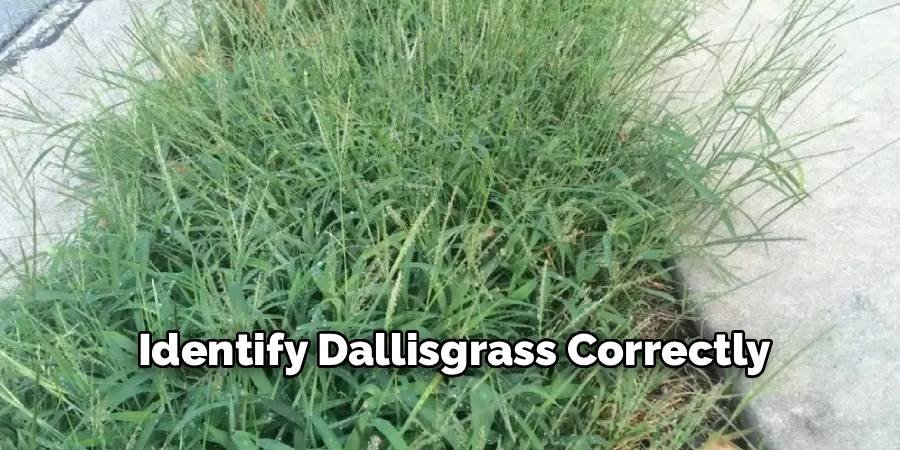
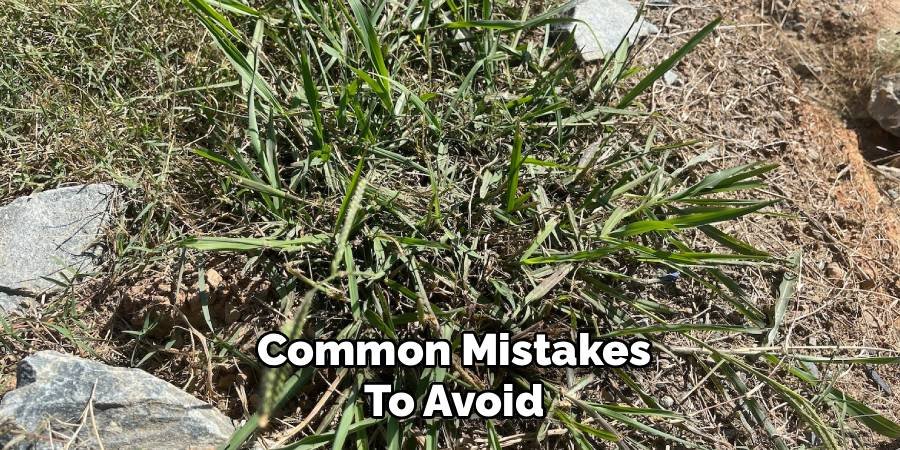
Before you begin any removal process, make sure you can properly identify Dallisgrass. Look for dense clumps of grass that grow in a circular pattern. The leaves are wider than those of regular grass and feel rough to the touch. During the summer, you will see tiny finger-like seed heads rising from the center of each clump. Dallisgrass grows in a rosette pattern close to the ground. The stems are thick and the roots go deep into the soil. This deep root system makes it very difficult to completely remove Dallisgrass. Walk around your lawn and mark all the places where you see Dallisgrass growing.
Step 2: Hand Pulling Small Patches
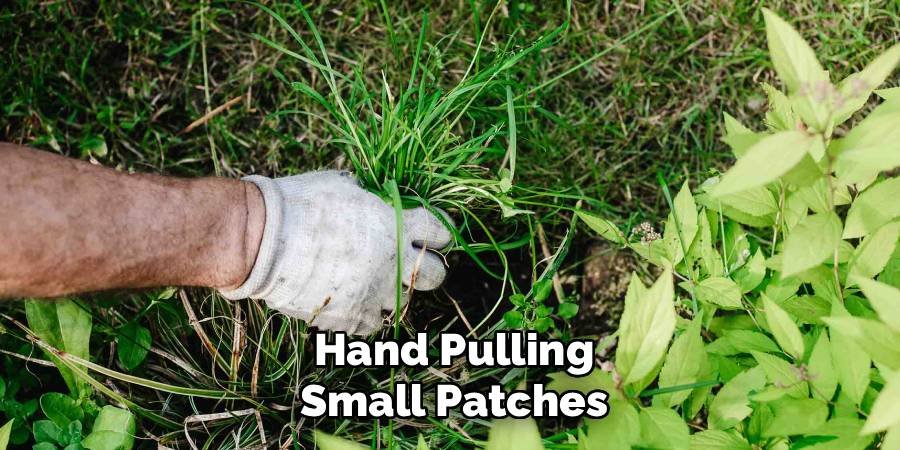
In small areas where there are only a few dallisgrass plants, hand pulling can work well. This method works best when the soil is wet, such as after rain or watering. Use a long screwdriver or weeder to loosen the soil around each clump. Grab the dallisgrass by the roots and pull straight up with steady pressure. Try to get as much of the root system as possible. If you leave the roots in the soil, the dallisgrass will regrow. After pulling, water the area and plant new grass seeds to keep other weeds out.
Step 3: Use Pre-Emergent Herbicides
Pre-emergent herbicides stop new growth of dallisgrass seeds. Apply these products in early spring before soil temperatures reach 65 degrees. This timing is important because pre-emergent herbicides do not work on weeds that are already growing. Choose a pre-emergent herbicide that contains pendimethalin or prodiamine. Follow the label directions carefully for application rates and timing. Water the herbicide into the soil after application, but do not overwater. Pre-emergent herbicides create a barrier in the top layer of soil that kills weed seeds as they try to grow.
Step 4: Apply Post-Emergent Herbicides
For dallisgrass that is already growing, you need a postemergence herbicide. These products will kill existing weeds but will not prevent new weeds from growing. Glyphosate is the most effective ingredient for killing dallisgrass, but it will also kill your good grass.
Apply glyphosate herbicide on a cool, sunny day when the temperature is between 60-85 degrees. Use a foam applicator or paint brush to apply the herbicide directly to the dallisgrass leaves. This targeted method helps protect your good grass from damage. You may need to apply the herbicide several times to completely kill stubborn dallisgrass plants.
Step 5: Try Natural Removal Methods
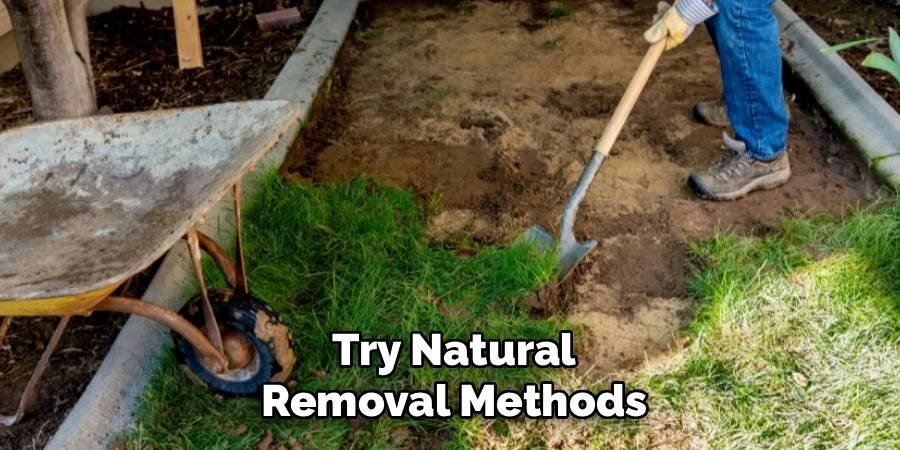
If you prefer a natural approach, there are several options for removing dallisgrass without chemicals. Corn gluten meal works as a natural pre-emergent herbicide. Apply it in early spring at a rate of 20 pounds per 1,000 square feet of lawn area. Boiling water can kill small patches of dallisgrass instantly. Pour boiling water directly into the center of each clump. This method works best on young plants and may need to be repeated several times. White vinegar, which has a high acetic acid content, can also kill dallisgrass, but it may need to be applied multiple times.
Step 6: Improve Your Lawn’s Health
A thick, healthy lawn is your best defense against dallisgrass and other weeds. Weak or thin grass gives weeds room to grow and establish. Start by testing your soil to check the pH level and nutrient content. Most grasses grow best in soil with a pH between 6.0 and 7.0.
Fertilize your lawn regularly with the right nutrients for your grass type. Cool-season grasses need more nitrogen in the fall and spring, while warm-season grasses need more food in the summer. Water your good grass deeply but less frequently to encourage deep root growth.
Step 7: Overseed Bare Areas
After removing dallisgrass, your lawn will have bare spots. These areas need to be reseeded quickly, or new weeds will take over. Choose a grass seed that matches your existing lawn and is suitable for your climate and growing conditions. Prepare the soil by loosening the top inch and adding compost if necessary. Spread the grass seed evenly and cover lightly with soil or mulch. Keep the seeded area moist until new grass emerges. This usually takes 2-3 weeks for most types of grass.
Step 8: Use Proper Mowing Techniques
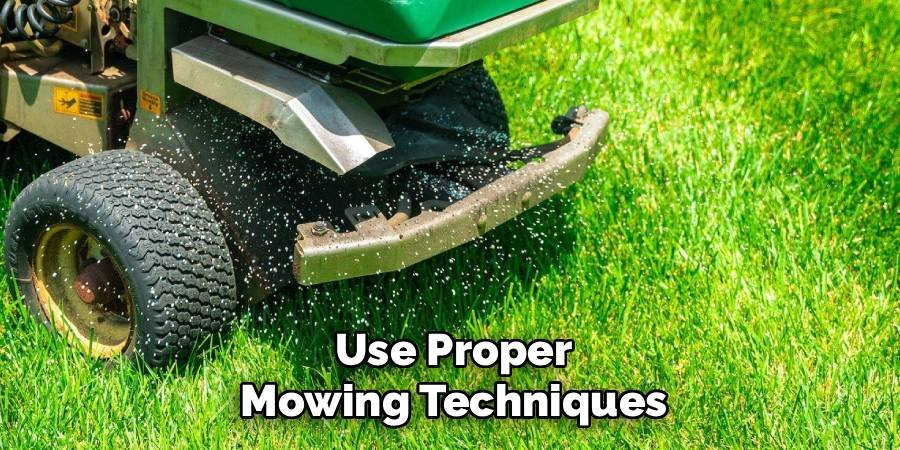
Your mowing habits can help prevent the spread of dallisgrass. Keep your mower blades sharp and cut no more than one-third of the grass height at a time. Tall grass shades the ground and prevents weed seeds from getting the light they need to grow. Mow regularly to prevent dallisgrass from forming seed heads. If you see seed heads forming, mow immediately to stop seed production. Clean your mower after mowing areas with dallisgrass to prevent seeds from spreading to clean areas of your lawn.
Step 9: Control Water and Fertilizer
Dallisgrass prefers moist conditions and fertile soil. Avoid overwatering your lawn, especially where Dallisgrass is most likely to grow. Water early in the morning so the grass dries out quickly. This reduces disease problems and makes conditions less favorable for Dallisgrass. Be careful not to overfertilize your lawn. Excess nitrogen can actually encourage weed growth more than grass growth. Follow soil test recommendations for fertilizer application and timing.
Step 10: Monitor and Maintain
Removing dallisgrass is an ongoing process that requires regular attention. Check your lawn weekly during the growing season for new dallisgrass plants. Small problems are much easier to deal with than large infestations.
Keep track of where dallisgrass problems occur in your yard. These areas may need special attention through different grass varieties or improved drainage. Be consistent with your lawn care routine to keep your grass healthy and competitive against weeds.
Prevention Tips for Long-Term Success
Dallisgrass disease is easier to prevent than to remove once it has established itself. Start by choosing the right grass variety for your climate and growing conditions. Native grasses are generally more competitive against weeds and require less water and fertilizer.
Improve soil drainage in areas where water accumulates. Dallisgrass thrives in wet, compacted soil. Root aeration can help improve drainage and reduce soil compaction. Do this in the fall for cool-season grasses or in late spring for warm-season varieties.
Keep your lawn equipment clean, especially mower blades and wheels. Dallisgrass seeds can stick to equipment and spread to new areas of your yard. Clean equipment after working in areas with known weed problems.
When to Call Professional Help
Some dallisgrass infestations are too severe or stubborn for homeowners to treat. If more than 30% of your lawn is infested with dallisgrass, consider contacting a professional lawn care service. Professionals have access to powerful herbicides and specialized equipment. Professional services can also help with soil testing, proper grass selection, and developing a long-term lawn care plan. They understand local growing conditions and can recommend the best strategies for your specific situation.
Common Mistakes to Avoid
Many homeowners make mistakes that actually make the problem of dallisgrass worse. Don’t cut the seed heads of dallisgrass with your regular mower and then use the same mower on the cleared area of your lawn. This spreads the seeds everywhere.
Avoid using excess water or fertilizer, thinking that this will help your grass compete better. dallisgrass actually benefits from this condition more than most lawn grasses. Follow proper lawn care practices for your specific type of grass. Don’t expect immediate results from any dallisgrass removal method. Even the best herbicides can take several applications over multiple seasons to completely eradicate established dallisgrass plants.
Frequently Asked Questions (FAQs)
Q: How long does it take to completely remove dallisgrass from my lawn?
Answer: Complete removal of Dallisgrass typically takes 1-2 growing seasons and requires consistent treatment. The time frame depends on the size of the infestation, the removal method used, and how well you maintain the health of your lawn during the process.
Q: Will dallisgrass come back after I remove it?
Answer: If seeds are blown in from the surrounding area or root fragments are left in the ground, Dallisgrass can return. Using pre-emergent herbicides and maintaining a dense, healthy lawn can help prevent new infestations.
Q: Can I use regular weed killer on dallisgrass?
Answer: Most selective lawn herbicides do not work well on Dallisgrass. You will need a specific post-emergent herbicide containing glyphosate for existing plants, but these will also kill your good grass. Spot treatments are usually necessary.
Q: Is it better to remove dallisgrass in spring or fall?
Answer: The best time depends on your method. Apply pre-emergence herbicides in early spring before the soil warms up. Hand pulling works best in late fall or early spring when plants are less active. Pre-emergence herbicides work best during active growth.
Q: Why does dallisgrass keep growing in the same spots in my yard?
Answer: Dallisgrass returns to the same area because the environment in that area is favorable to it – usually poor drainage, compacted soil, or thin grass cover. Improving the soil conditions and grass health in this area helps prevent future problems.
Conclusion
Learning how to remove dallisgrass from lawn requires patience, persistence, and the right method for your situation. Whether you choose chemical herbicides, natural methods, or hand removal, success depends on consistent effort and proper lawn care practices. Remember that a healthy, dense lawn is your long-term defense against dallisgrass and other weeds.
The key to successful dallisgrass removal is to combine long-term prevention strategies with immediate treatment. Start by accurately identifying problem areas, then choose the removal method that works best for your lawn size and personal preferences. Improve the overall health of your lawn with proper watering, fertilizing, and mowing practices.
Don’t be discouraged if you don’t see immediate results. Dallisgrass has deep roots and can regrow from small pieces left in the soil. Be consistent with your removal efforts and focus on preventing new infestations. With time and effort, you can achieve a beautiful, dallisgrass-free lawn that adds to the appearance and value of your home.

About Ravuk Barg
B.Sc. Horticulture Science | Certified Master Gardener
Ravuk Barg has spent more than a decade with his hands in the soil and his head full of questions about why some gardens thrive while others struggle. What started as a single raised bed of tomatoes and basil in a modest backyard has grown into a deep, working knowledge of everything from seed germination and soil amendment to companion planting and seasonal pruning.
Over the years, Ravuk has gardened through drought summers, waterlogged springs, and pest invasions that would make most gardeners hang up their trowels for good. Those hard seasons, he’ll tell you, taught him more than any perfect growing year ever could. He writes from that earned experience—covering vegetable growing, ornamental planting, houseplant care, composting, and garden design with equal confidence and curiosity.
Philosophy & Approach
Ravuk’s approach to gardening is rooted in practicality. He favors organic methods not out of dogma, but because they work long-term—resulting in healthier soil, fewer inputs, and stronger plants. He has a particular fondness for heirloom vegetable varieties (the kind with proper flavor), unruly cottage-style flower beds, and the stubborn houseplants that everyone else gave up on.
The Mission: Give readers the honest, experience-backed advice that helps them actually succeed in their gardens—not just the ideal version, but the real one; weeds, failures, and all.
Education & Credentials
-
B.Sc. in Horticulture Science
-
Greenfield Agricultural University
-
Focus: Plant Physiology, Soil Ecology, and Sustainable Crop Production
-
-
Master Gardener Certification
-
Cooperative Extension Service
-
Focus: 200+ hours of hands-on practical training and community garden work
-
Continuing Education
-
Organic Pest Management
-
Native Plant Landscaping
-
Sustainable Crop Production