

Do you see wild turkeys turning your nice green lawn into a big mess? You’re not the only one. A lot of people have the same problem with turkeys digging up their grass. The turkeys are big birds. They like to scratch and dig in the ground to look for food. This can leave holes and broken spots in your yard.
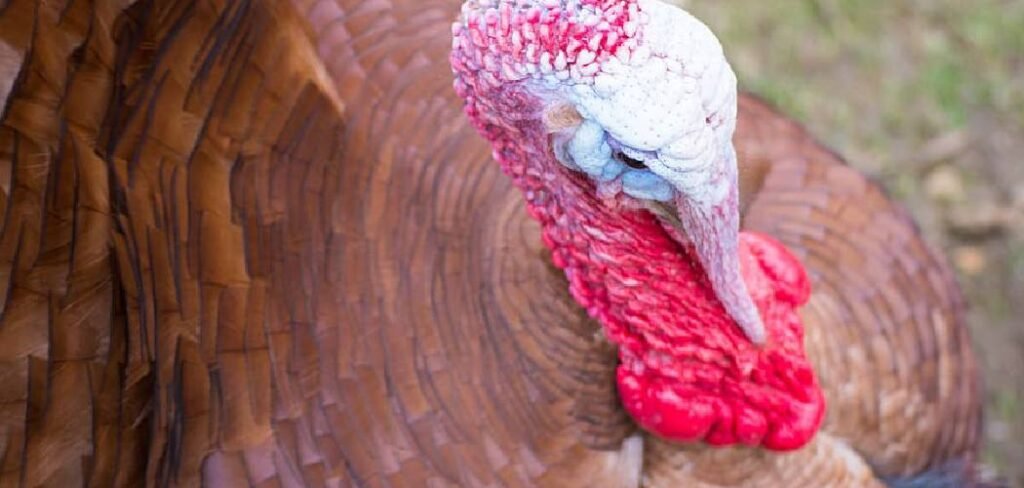
Turkeys dig up lawns because they look for bugs, grubs, and seeds in the soil. These birds can be interesting to watch as they move around your yard. But their digging can mess up all the lawn work you have done. The good thing is there are many ways how to stop turkeys from digging up lawn and you do not have to hurt them.
In this guide, you will see seven ways to stop turkeys from hurting your lawn. All these ways to keep turkeys away are safe, allowed by law, and many people say they work.
7 Step by Step How to Stop Turkeys from Digging Up Lawn
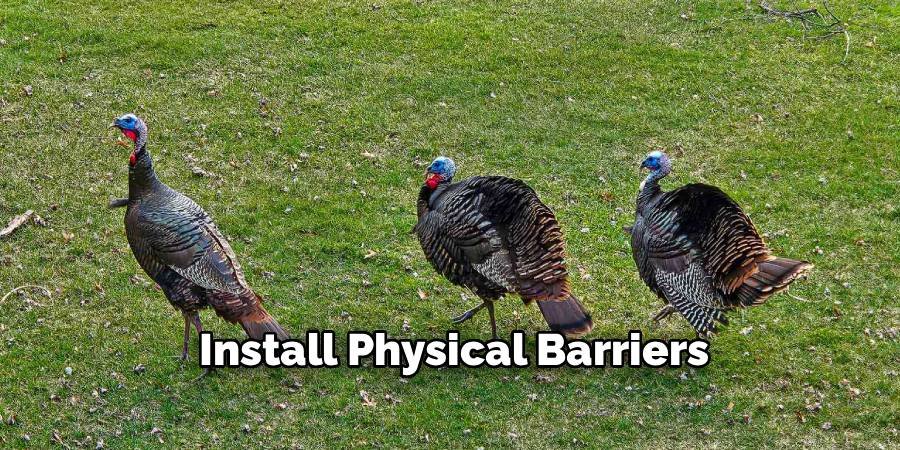
Step 1: Install Physical Barriers Around Your Lawn
The first way to stop turkeys from digging up your lawn is to use physical barriers. This way, you block the turkeys, so they cannot get to your grass.
What you need:
- Garden netting or chicken wire
- Stakes or posts made of metal
- Wire cutters
How to do it: Put garden netting over the spots where the turkeys like to dig the most. Hold the netting down by using some stakes every few feet. Pull the netting tight, so the turkeys will not go under it. You can also put chicken wire around your flower beds and garden spots.
This way to keep turkeys off your lawn works well for small spots. If you have a big lawn, you may need to use this with some other ways, too. A lot of people put up barriers to stop turkeys from getting into new grass or plants that are important to them.
Step 2: Use Motion-Activated Sprinklers
Motion-activated sprinklers are a good way to keep turkeys off your lawn. These sprinklers spray water as soon as they feel movement. This water startles the turkeys and that makes them run away, but it does not hurt them at all.
What you need:
- Motion-activated sprinkler system
- Garden hose
- Batteries (if these are needed)
How to set it up: Start by putting the sprinkler in the places that turkeys go the most. Then, with your garden hose, connect the sprinkler. Set the sensitivity as you need. Test the sprinkler to see if it is spraying the right areas. If you have a big lawn, use more than one sprinkler.
This turkey deterrent system works both day and night. The quick burst of water surprises the turkeys and shows them to stay away from your yard. Most turkeys catch on fast and stop coming back after they face it a few times.
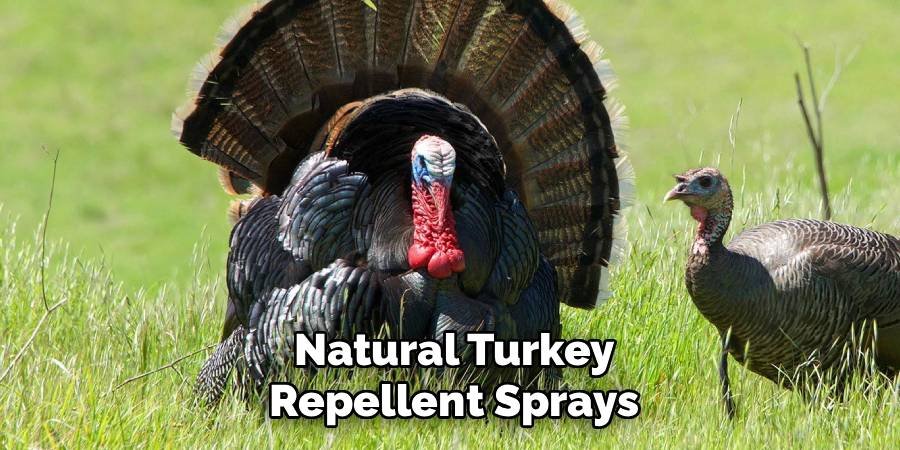
Step 3: Apply Natural Turkey Repellent Sprays
Natural sprays can help keep turkeys from digging up your lawn. These sprays do not have any harmful chemicals. They make the grass taste or smell bad to turkeys, so the birds stay away.
Homemade turkey repellent recipe:
- 2 cups of water
- 1/4 cup of white vinegar
- 2 tablespoons of dish soap
- 1 tablespoon of cayenne pepper
How to apply: Put all the ingredients in a spray bottle. Shake the bottle to mix well. Spray the mixture on grass where you see turkeys digging. Do this again every few days or right after it rains. Make sure to spray extra in spots with the most turkey damage.
This natural way to keep turkeys off your lawn is safe for pets and kids. The smell and taste make the turkeys go away, but it will not hurt your grass. You can also get turkey-repellent sprays at garden stores.
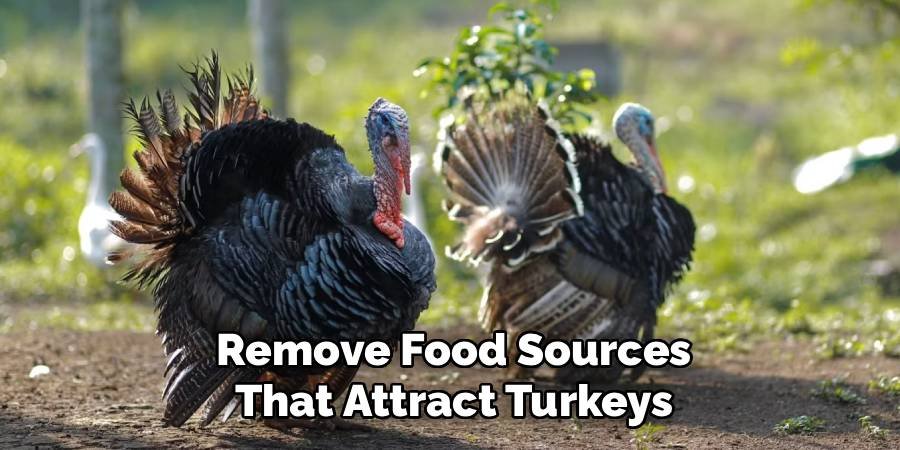
Step 4: Remove Food Sources That Attract Turkeys
Turkeys come into your yard because they want food. If you take away the things that bring them in, you can stop turkeys from digging up your lawn on their own.
Foods that attract turkeys:
- Fallen fruits and nuts
- Bird feeder seeds on the dirt
- Pet food left outside
- Compost piles
- Grubs and bugs in the soil
How to remove attractants: Pick up all fallen fruit and nuts from the ground every day. Try to use bird feeders that do not drop seeds. After your pets eat, take their food inside. Keep your compost piles covered with a tight lid. Treat your yard for grubs using safe ways.
When turkeys do not see easy food in your yard, they will go to other places. This way to keep turkeys away works well with other ways to stop them.
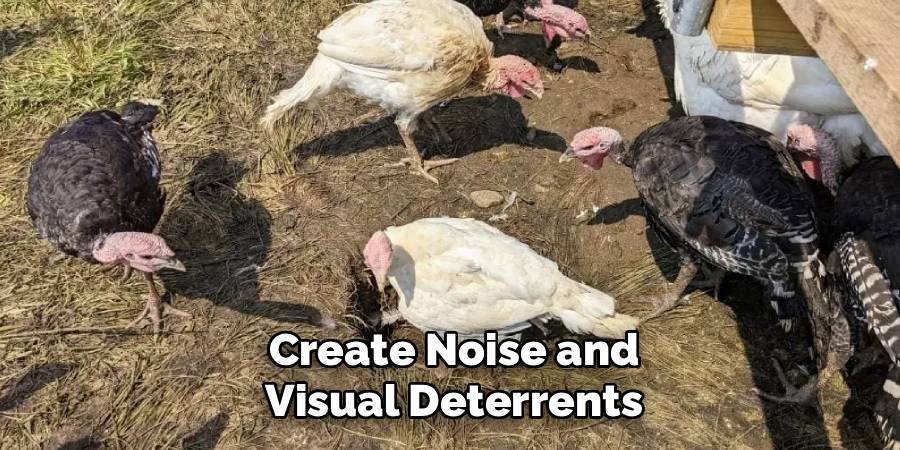
Step 5: Create Noise and Visual Deterrents
Turkeys do not like loud noises and things that move fast. You can use this to keep the turkeys from digging up the lawn near your home. This is a good way to protect your yard and keep turkeys out. Use noise or moving things to make them go away. Many people use this trick to stop turkeys around their property. Turkeys get scared and leave, so your lawn stays safe.
Effective noise deterrents:
- Wind chimes
- Radio playing talk shows
- Aluminum pie pans hanging from trees
- Motion-activated noise makers
Visual deterrents that work:
- Reflective tape or mirrors
- Fake owls or hawks
- Scarecrows
- Balloons with scary faces
How to use them: Put these deterrents where turkeys like to dig. Move them every few days. This way, turkeys will not get used to them. If you use noise and look-based deterrents together, you get better results.
This way to keep turkeys away does not cost a lot and is simple to put in place. But, for it to work well, you have to move it around often.
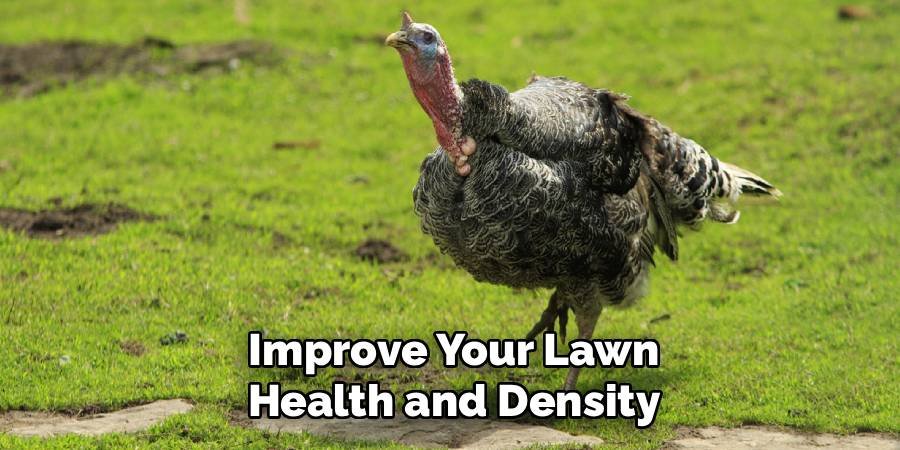
Step 6: Improve Your Lawn Health and Density
A thick and healthy lawn is harder for turkeys to dig up. When you make your grass grow closer together, it can help keep turkeys from doing damage on its own.
How to make your lawn thicker:
- Put more seeds in thin areas during spring and fall.
- Give fertilizer often with the right nutrients.
- Water your lawn deeply, but do it less often.
- Cut your grass at the best height for its type.
- Fix bare spots as soon as you see them.
Why this helps: Thick grass makes it hard for turkeys to move around, scratch, and dig. A thick lawn will also have less bugs and things that pull turkeys in. When your grass is healthy, it comes back faster after people or animals hurt it.
This way of keeping turkeys off your lawn takes time, but it works for a long time. When you have a thick and healthy lawn, there is less damage from turkeys. A good lawn helps give your yard some protection.
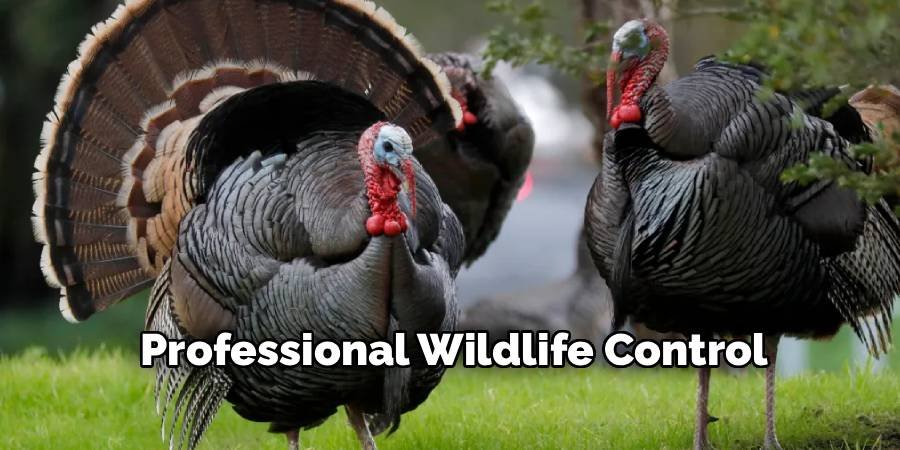
Step 7: Use Professional Wildlife Control Services
If nothing else works, you may have to get expert help to stop turkeys from digging up your lawn. Wildlife experts have special tools and know a lot about this problem.
When to call professionals:
- The turkey flocks are very big.
- The damage is bad and seen in many places.
- The other ways did not work.
- The turkeys act mean or look like they might hurt people.
What professionals can do:
- Set up new ways to keep them away
- Use laws to catch and move them
- Give plans that help over time
- Offer help with keeping things working
Professional turkey control services may cost more, but they can fix big problems with turkeys. The people who do this work know the rules about wild animals in the area. They use safe ways that work well.
Frequently Asked Questions (FAQs)
1. Why do turkeys dig up lawns?
Turkeys use their strong claws to dig in the lawns when they look for food like insects, worms, grubs, and seeds. They scratch the grass and dirt to find what they want to eat. This is a normal way for them to get food. But when they do this, your yard can get torn up and look damaged.
2. Will turkeys hurt my pets or children?
Turkeys most often stay away from people and pets. But at breeding time, male turkeys can be aggressive. It is good to keep small pets indoors if there are turkeys nearby. Kids should also learn to watch turkeys from a safe distance.
3. Is it legal to harm turkeys on my property?
In most places, the turkey is a protected animal. You cannot kill or hurt them unless you have a special permit. Always try to use safe and kind ways to stop turkeys from digging up your lawn. Make sure you read your local laws before you do anything.
4. How long does it take to stop turkey damage?
Results depend on the way you use to handle this. Motion sprinklers start working right away. Natural repellents may need a few weeks to show a good effect. If you use more than one way together, you will often get faster results than if you use only one.
5. Do turkey deterrents work on other animals?
Many turkey deterrent methods work on animals like deer, raccoons, and rabbits too. Things like motion sprinklers, fences, and repellent sprays help keep them away. You can protect your lawn from all kinds of wildlife with these ways.
Conclusion
Learning ways to stop turkeys from digging up the lawn can be easy and not cost much. The seven ways in this guide give you choices for every need and budget. You can begin with easy things like taking away food or using things to keep turkeys away. If turkeys still mess up your space, you can use things like fences or sprinklers that turn on when turkeys get close.
Remember, it is important to be patient when you deal with wildlife. Turkeys can be very smart, so it may take them some time to change their ways. If you use more than one way to keep them away, it works better than using only one. Make sure what you do is safe and follows the law. This helps take care of your yard and the local wildlife, too.
The key to keeping turkeys away from your lawn is to do the same steps again and again. You will need to use repellent sprays often. Check your deterrents to be sure they work. Try to keep your yard free of things that bring in turkeys. If you spend time and put in steady work, there is a good chance you will have a nice yard without turkey damage. Most people see that these steps help them to stop turkeys from digging up their lawns.

About Ravuk Barg
B.Sc. Horticulture Science | Certified Master Gardener
Ravuk Barg has spent more than a decade with his hands in the soil and his head full of questions about why some gardens thrive while others struggle. What started as a single raised bed of tomatoes and basil in a modest backyard has grown into a deep, working knowledge of everything from seed germination and soil amendment to companion planting and seasonal pruning.
Over the years, Ravuk has gardened through drought summers, waterlogged springs, and pest invasions that would make most gardeners hang up their trowels for good. Those hard seasons, he’ll tell you, taught him more than any perfect growing year ever could. He writes from that earned experience—covering vegetable growing, ornamental planting, houseplant care, composting, and garden design with equal confidence and curiosity.
Philosophy & Approach
Ravuk’s approach to gardening is rooted in practicality. He favors organic methods not out of dogma, but because they work long-term—resulting in healthier soil, fewer inputs, and stronger plants. He has a particular fondness for heirloom vegetable varieties (the kind with proper flavor), unruly cottage-style flower beds, and the stubborn houseplants that everyone else gave up on.
The Mission: Give readers the honest, experience-backed advice that helps them actually succeed in their gardens—not just the ideal version, but the real one; weeds, failures, and all.
Education & Credentials
-
B.Sc. in Horticulture Science
-
Greenfield Agricultural University
-
Focus: Plant Physiology, Soil Ecology, and Sustainable Crop Production
-
-
Master Gardener Certification
-
Cooperative Extension Service
-
Focus: 200+ hours of hands-on practical training and community garden work
-
Continuing Education
-
Organic Pest Management
-
Native Plant Landscaping
-
Sustainable Crop Production