

If you’ve ever held a handful of worm castings, you already know they don’t look like much — dark, crumbly, and faintly earthy-smelling, almost like rich forest soil. But that quiet appearance hides something genuinely powerful. Worm castings are packed with beneficial microbes, slow-releasing nutrients, and plant hormones that boost growth in ways synthetic fertilizers simply can’t replicate.
They’re safe for seedlings, friendly to soil biology, and nearly impossible to overapply. Whether your garden is a row of containers on a balcony or a full backyard plot, knowing how to use worm castings gives you a reliable tool for healthier, more productive plants. This guide covers everything from choosing your castings to applying them correctly across different garden situations.
Why Using Worm Castings Matters
Worm castings — also called vermicompost — do more than feed plants. They feed the soil itself. Every teaspoon contains billions of beneficial microbes that break down organic matter, improve nutrient availability, and build the kind of living soil structure that plants thrive in over the long term.
For beginner gardeners, that matters a great deal. Healthy soil is forgiving soil. It holds moisture more evenly, drains excess water without getting waterlogged, and buffers against the kind of pH swings that cause nutrient deficiencies. When you add worm castings regularly, you’re building a foundation that makes every other aspect of gardening easier.
Understanding how to apply this organic amendment also gives you confidence. You stop guessing whether you’re overfeeding or underfeeding. The castings do their work steadily, and you can see the results in greener leaves, stronger stems, and better harvests.
Tools and Materials You’ll Need
Getting started doesn’t require specialized equipment. A few simple supplies will cover every application method in this guide.
You’ll need a bag of quality worm castings — look for a product that smells earthy and clean, not sour or ammonia-like, as off-odors signal poor processing. A garden trowel helps with mixing castings into potting soil or garden beds. A watering can with a fine rose head is useful for watering in amendments after application.
For making compost tea, you’ll need a five-gallon bucket, a small aquarium air pump with tubing and an airstone, and unsulfured molasses to feed the microbial life during brewing. A fine mesh strainer or piece of cheesecloth finishes the setup for straining the liquid before application. As an optional convenience item, a dedicated soil scoop with measurement markings makes consistent dosing faster, especially when you’re working with multiple containers.
7 Step-by-Step Guide on How to Use Worm Castings
Step 1 – Choose High-Quality Castings Before You Begin
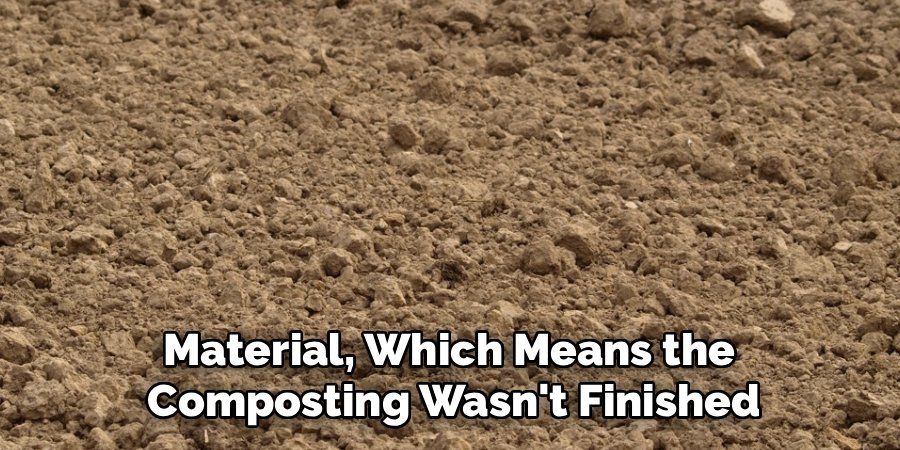
Not all worm castings are created equal, and the difference shows up quickly in your plants. Fresh, well-processed castings should be dark brown to near-black, uniformly fine in texture, and moist without being soggy. When you open the bag, the smell should remind you of healthy forest floor — deep and earthy, with no sharp chemical notes or sour fermentation smell. Avoid products with visible chunks of unprocessed food material, which means the composting wasn’t finished.
Read the label for the feedstock — castings produced from diverse organic matter generally contain a broader range of nutrients and microbial communities than those made from a single food source. Starting with quality material sets up every step that follows.
Step 2 – Mix Castings Into Potting Soil for Containers
Container plants benefit immediately from worm castings blended directly into their growing medium. A good starting ratio is roughly one part castings to four parts potting mix by volume. The castings improve moisture retention in the mix, which helps containers dry out less rapidly between waterings. Work the castings in thoroughly with your trowel until the blend looks uniform and the texture is consistent throughout.

You’ll notice the finished mix feels slightly heavier and holds together just a little better than potting soil alone. This is the microbial life and organic matter doing their job. For seedlings and young transplants especially, this blended approach gives roots a nutrient-rich environment to grow into from the very first day.
Step 3 – Apply as a Top Dressing for Established Plants
For plants already growing in garden beds or containers, top dressing is the most straightforward application method. Sprinkle a half-inch to one-inch layer of castings evenly over the soil surface around the base of each plant, working outward to roughly the edge of the leaf canopy. Keep the castings away from direct contact with the main stem to avoid any moisture buildup against the bark or crown. Once applied, water the area gently but thoroughly.

This pushes the nutrients and beneficial microbes down into the root zone where they can get to work. Repeating this process every four to six weeks through the growing season maintains consistent nutrient availability and keeps soil biology active without any risk of burning roots or foliage.
Step 4 – Work Castings Into Beds Before Planting
If you’re preparing a new bed or refreshing an existing one before the season starts, incorporating worm castings directly into the soil gives transplants and direct-sown seeds an immediate advantage. Spread two to three inches of castings evenly across the bed surface and work them into the top six to eight inches of soil with a fork or trowel.

This is also a good moment to note that knowing how to use worm castings as a pre-plant soil amendment is one of the highest-value applications — especially in beds with tired, depleted soil that’s been cropped heavily in previous seasons. The castings introduce fresh microbial communities and improve the physical structure of the soil at the same time.
Step 5 – Use Castings When Starting Seeds
Worm castings are particularly gentle on young seedlings because they release nutrients slowly and contain no harsh salts that can burn delicate root tips. For seed starting, blend castings into your seed-starting mix at a ratio of about one part castings to five parts mix — a lighter concentration than you’d use for mature plants. Fill your seed trays or cells with the blended mix, sow your seeds at the recommended depth, and water in with room-temperature water.
The castings support germination by improving moisture retention in the cells and by providing the trace minerals and hormones that encourage strong early root development. Seedlings started in a castings-amended mix tend to have thicker stems and deeper green color than those started in unamended mixes.
Step 6 – Brew Compost Tea for a Liquid Boost
Compost tea multiplies the beneficial microbes in your castings and puts them in a form you can apply quickly across a large area. Fill your five-gallon bucket with dechlorinated water — let tap water sit overnight or use filtered water. Add two cups of worm castings and one tablespoon of unsulfured molasses, then drop your airstone into the bottom and run the air pump continuously for 24 to 36 hours.

The oxygen and molasses feed the microbial population, which multiplies rapidly during brewing. The finished tea should smell clean and slightly sweet, not sour or sulfurous. Strain it through cheesecloth and apply it to plant foliage and soil the same day — microbial populations begin to decline quickly once aeration stops. This method is a key part of learning how to use worm castings at scale.
Step 7 – Add Castings to Transplant Holes for Fast Establishment
When you’re moving seedlings or transplants into the garden, adding a small amount of worm castings directly to the planting hole gives roots an immediate source of nutrition right where they need it most. Place a generous tablespoon or two of castings into the bottom of each hole, set the plant in, and backfill with your regular garden soil.

As roots extend outward into the surrounding soil, they move through a zone of rich microbial activity and slow-releasing organic nutrients that speed up establishment. Plants transplanted this way typically show less transplant shock and begin putting on new growth faster than those placed into unamended holes. It’s a small step that consistently produces a noticeable difference.
Common Mistakes When Using Worm Castings
One mistake beginners make is assuming that more castings will automatically mean better results. While worm castings are gentle and difficult to overapply in the traditional sense, piling on excessive amounts can throw off your soil’s moisture balance and crowd out the native microbial communities you’re trying to support. Follow reasonable application rates and build up gradually.
Another common error is applying castings and then neglecting to water them in. The beneficial microbes and nutrients in castings need moisture to become bioavailable to plant roots. Dry application without follow-up irrigation means much of the benefit stays locked in the material rather than moving into the root zone.
Some gardeners store open bags of castings improperly, letting them dry out completely or get waterlogged. Castings should stay slightly moist during storage — like a wrung-out sponge. Dried-out castings lose a significant portion of their microbial activity before you ever apply them. Store bags sealed in a cool, shaded location.
Finally, many beginners skip the compost tea step entirely because it seems complicated. It’s actually straightforward, and the payoff in active microbial delivery is substantial — especially for soil that’s been heavily worked or treated with synthetic inputs.
Expert Tips
Experienced growers know that worm castings work best as part of a consistent soil-building routine rather than a one-time fix. Applying them two or three times per season produces compounding benefits — each application builds on the last, progressively improving soil structure and microbial diversity.
If you want to stretch your supply further, blend castings with finished compost at a one-to-one ratio. The castings inoculate the compost with diverse microbial life, and the compost extends the physical volume without diluting the biological benefits significantly.
Pay attention to plant response in the weeks after application. Deeper green leaves, more vigorous new growth, and improved resistance to stress are all signs the castings are working. These visual cues help you calibrate your application rates over time without relying on guesswork or expensive soil testing every season.
Frequently Asked Questions
Can you use too many worm castings?
Worm castings are one of the gentlest amendments you can apply, and they won’t burn plants the way synthetic fertilizers can. That said, applying very large amounts repeatedly can compact the soil surface and affect drainage over time. For most beds and containers, a half-inch to one-inch top dressing every four to six weeks is effective. More isn’t necessarily harmful, but it’s not more beneficial either.
How long do worm castings last in the soil?
Worm castings don’t break down as quickly as liquid fertilizers, but they’re not permanent either. Most of the available nutrients and microbial activity in a single application cycle through the soil within four to eight weeks, depending on temperature, moisture, and plant uptake. Regular reapplication through the growing season maintains a consistent supply of nutrients and keeps beneficial microbial populations active.
Are worm castings safe for seedlings?
Yes — worm castings are one of the safest amendments you can use around seedlings because they contain no harsh salts and release nutrients slowly. The gentle nutrient profile actually makes them ideal for seed-starting mixes. Blend them at a light ratio of about one part castings to five parts starting mix to give seedlings a nutritional head start without any risk of root burn.
Do worm castings work for all types of plants?
Worm castings benefit a very wide range of plants, including vegetables, herbs, flowers, shrubs, and houseplants. They’re particularly valuable for heavy feeders like tomatoes, peppers, and leafy greens, which need a steady supply of nitrogen and trace minerals. Even acid-loving plants like blueberries and azaleas respond well, since castings improve nutrient uptake without drastically altering soil pH.
Where can I buy quality worm castings?
Quality worm castings are available at local garden centers, farm supply stores, and online retailers. Look for products that list the feedstock on the label and describe the casting process. Avoid heavily processed or dried products marketed as “worm casting powder,” as drying destroys much of the microbial life that makes castings valuable. If you want the freshest supply, home vermicomposting with a worm bin is a cost-effective long-term solution.
Conclusion
Worm castings are one of the most practical and forgiving tools a beginner gardener can work with. You’ve learned how to choose quality castings, blend them into potting mixes, apply them as a top dressing, brew compost tea, and give transplants the best possible start. None of these steps require specialized knowledge or expensive equipment — just a bit of consistency and attention.
The results build over time. Soil that receives regular organic amendments becomes more resilient, more productive, and easier to manage with each passing season. That’s the real payoff of learning how to use worm castings well — not just healthier plants right now, but a garden that gets better every year. Start with one application, watch how your plants respond, and let that first success give you the confidence to keep going.
