

How to winterize a greenhouse is essential to protect plants from harsh cold weather and maintain a stable growing environment. Start by inspecting the structure for any gaps or leaks that could allow cold air to penetrate, and seal them with weatherproof materials like caulk or insulation tape. Adding layers like bubble wrap or thermal barriers to the interior can improve heat retention significantly. Install a reliable heating system and monitor temperatures regularly to ensure plants stay in their ideal growing range. Proper ventilation is also crucial to prevent condensation and maintain healthy air circulation during the winter months.
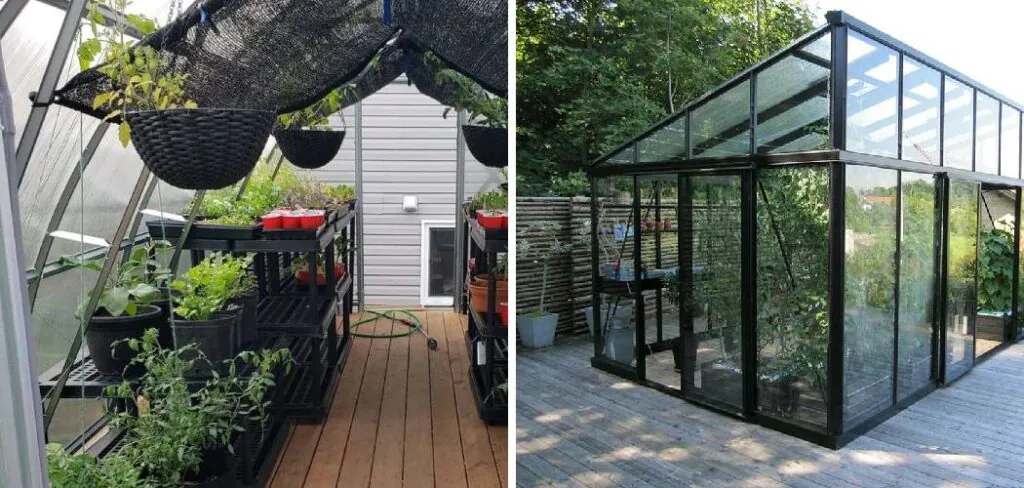
Additionally, consider using reflective surfaces to maximize the available light within the space. This can help distribute warmth more evenly and support optimal conditions for growth. Regularly inspect for any signs of mold or mildew, which can develop in damp environments, and address these issues promptly to avoid compromising the setup. Maintaining a clean and organized area will not only improve efficiency but also promote a healthier overall environment.
Why You Need to Winterize Your Greenhouse
Unprepared greenhouses face numerous winter hazards that can destroy months of gardening efforts. Sudden temperature drops can kill tender plants within hours, while ice formation can crack glass panels and damage structural components.
Energy costs become astronomical when heat escapes through poor insulation. Unprotected greenhouses can consume three times more energy than properly winterized structures.
Moisture management becomes critical during winter months. Poor ventilation combined with heating creates condensation that promotes fungal diseases and reduces light transmission through foggy glass surfaces.
Frozen water lines can burst and flood your greenhouse, destroying plants and equipment. Ice accumulation on roofs can exceed weight limits, causing structural failure.
Plant stress increases dramatically in unstable environments. Temperature swings weaken immune systems, making plants susceptible to diseases that rarely affect them during stable conditions.
7 Step-by-Step Guide: How to Winterize a Greenhouse
Step 1: Inspect and Repair Structure
Begin your winterization process with a thorough structural inspection. Check every glass panel, plastic covering, and frame connection for damage or wear. Small cracks in glass can expand rapidly when exposed to freezing temperatures, creating dangerous conditions and heat loss.
Examine door seals, window frames, and ventilation systems for gaps that allow cold air infiltration. Even tiny openings can significantly impact internal temperatures and increase heating costs. Replace weatherstripping around doors and windows, ensuring tight seals that prevent drafts.
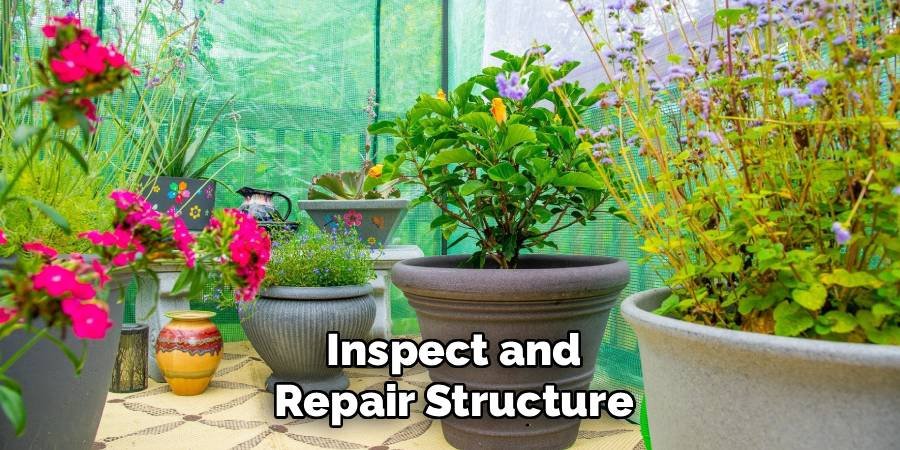
Inspect the foundation and floor for cracks or settling that might affect structural integrity. Winter storms can stress greenhouse frames, making existing weaknesses more problematic. Tighten loose bolts and connections throughout the structure.
Check gutters and drainage systems for clogs that could cause ice dams. Proper water management prevents ice buildup that can damage roofing materials and create dangerous overhead hazards. Clean gutters thoroughly and ensure downspouts direct water away from the foundation.
Step 2: Install Proper Insulation
Insulation dramatically reduces heating costs and creates stable growing conditions. Bubble wrap designed for greenhouse use provides excellent thermal protection while maintaining light transmission. Install it with the bubble side facing inward to create air pockets that trap warm air.
Double-wall polycarbonate panels offer superior insulation compared to single-layer glass or plastic. These panels create insulating air spaces while maintaining structural strength and light clarity. Consider upgrading older panels for long-term energy savings.
Thermal screens can reduce heat loss by up to 50% when properly installed. These movable systems automatically deploy during cold periods and retract during warm, sunny days. Professional-grade systems include motors and sensors for automated operation.
Ground insulation prevents heat loss through concrete floors and earth. Install rigid foam insulation around perimeter walls extending at least two feet below ground level. This creates a thermal barrier that maintains soil temperatures and reduces overall heating requirements.
Step 3: Upgrade Heating Systems
Reliable heating prevents plant death and maintains optimal growing conditions throughout winter. Electric heaters provide precise temperature control but consume more energy than alternative systems. Choose models with thermostatic controls and safety features like tip-over protection.
Propane heaters offer cost-effective heating for larger spaces but require proper ventilation to prevent carbon dioxide buildup. Install carbon monoxide detectors and ensure adequate air circulation when using combustion-based heating systems.
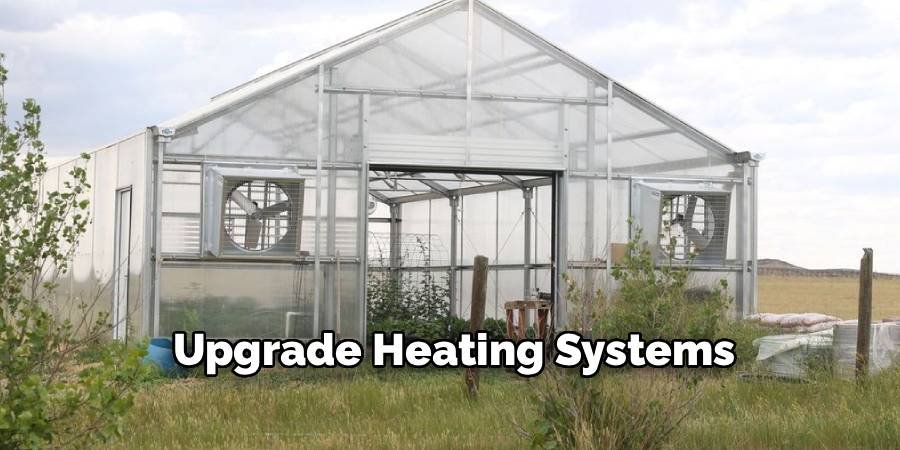
Radiant heating systems warm plants and soil directly rather than heating air. These systems operate more efficiently and create better growing conditions by maintaining consistent root zone temperatures. Under-bench heating cables work particularly well for seed starting and plant propagation.
Backup heating systems prevent catastrophic plant loss during power outages or equipment failures. Battery-powered heaters or generators can maintain minimum temperatures until primary systems resume operation. Test backup systems regularly to ensure reliability when needed most.
Step 4: Optimize Ventilation Systems
Proper ventilation prevents moisture buildup and maintains air quality during winter months. Automatic vent openers ensure adequate air circulation without manual monitoring. These systems use temperature-sensitive materials that expand and contract to operate vents automatically.
Install circulation fans to prevent temperature stratification and stagnant air pockets. Moving air helps plants resist fungal diseases and ensures even heat distribution throughout the growing space. Position fans to create gentle air movement without creating cold drafts on plants.
Humidity control becomes crucial when heating systems operate continuously. Exhaust fans remove excess moisture while intake vents provide fresh air circulation. Balance ventilation to maintain 50-70% relative humidity for optimal plant health.
Install minimum ventilation systems that operate even during coldest weather. These systems provide essential air exchange while minimizing heat loss through smart controls and heat recovery systems.
Step 5: Prepare Water Systems
Prevent frozen pipes by insulating all water lines exposed to cold temperatures. Pipe insulation sleeves provide basic protection, while heating cables offer active freeze prevention for extreme conditions. Focus on pipes near exterior walls and unheated areas.
Install frost-free faucets that drain automatically when shut off. These specialized valves prevent water from remaining in exposed portions where it could freeze and cause pipe damage. Replace standard faucets before winter temperatures arrive.
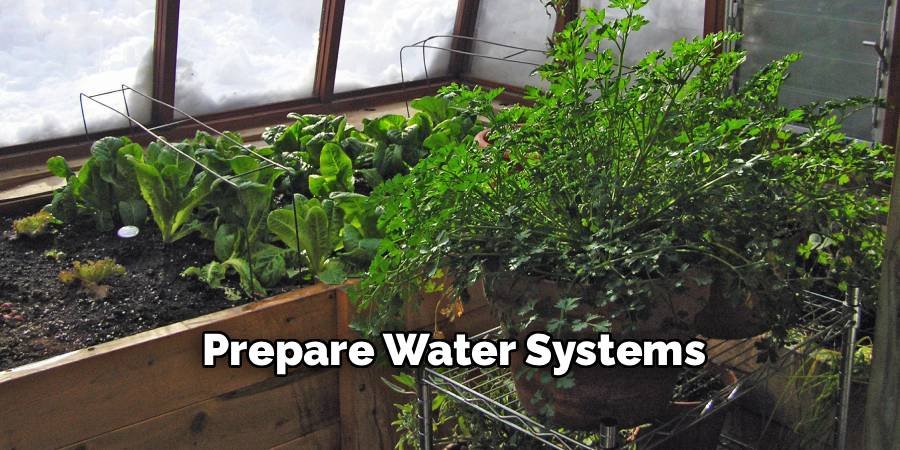
Drain and shut off water systems that won’t be used during winter months. Outdoor irrigation lines and decorative water features should be completely emptied and winterized to prevent freeze damage.
Install temperature monitoring systems near water lines to provide early warning of freezing conditions. Smart sensors can send alerts to smartphones when temperatures approach dangerous levels, allowing quick response to prevent damage.
Step 6: Select Winter-Appropriate Plants
Choose cold-hardy varieties that thrive in lower temperatures and reduced light conditions. Leafy greens like spinach, kale, and arugula actually prefer cooler conditions and can provide fresh harvests throughout winter months.
Cool-season flowers such as pansies, snapdragons, and sweet alyssum add color to winter greenhouses while tolerating lower temperatures than tropical species. These plants often perform better in cool conditions than during hot summer months.
Move tropical plants to the warmest areas of your greenhouse and group them together to create beneficial microclimates. Clustering plants helps maintain humidity and provides mutual protection from temperature fluctuations.
Consider dormancy requirements for plants that need winter rest periods. Some perennials and fruit trees require specific cold periods to bloom properly the following season. Provide appropriate conditions for these dormancy cycles.
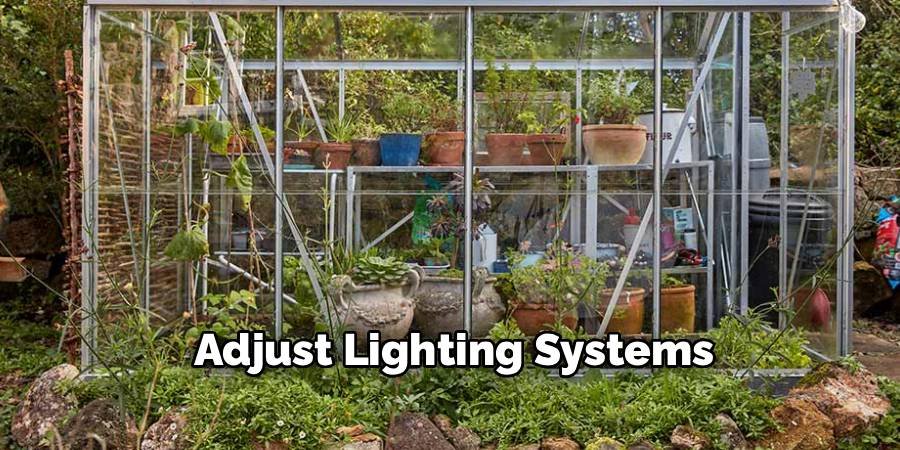
Step 7: Adjust Lighting Systems
Supplement natural light during short winter days with grow lights designed for plant cultivation. LED systems provide energy-efficient lighting that produces minimal heat while delivering optimal light spectrums for plant growth.
Timer controls ensure plants receive consistent light cycles regardless of weather conditions. Many plants require specific day-length periods to maintain healthy growth and flowering cycles during winter months.
Clean greenhouse glazing regularly to maximize light transmission. Dirty glass or plastic can reduce available light by up to 30%, significantly impacting plant performance during already limited daylight hours.
Position reflective materials strategically to redirect available light onto plants. Aluminum foil or specialized reflective sheets can increase light levels in darker areas of the greenhouse without additional electricity consumption.
Maintaining Your Greenhouse Through Winter
Regular monitoring becomes essential once winter arrives and systems are operational. Check temperatures daily and adjust heating systems as needed to maintain optimal growing conditions.
Inspect plants weekly for signs of stress or disease that develop more rapidly in winter conditions. Early detection allows quick treatment before problems spread throughout the growing space.
Clean condensation from glazing surfaces regularly to maintain maximum light transmission. Use appropriate cleaning solutions that won’t damage greenhouse materials or harm plants.
Test backup systems monthly to ensure reliability during emergencies. Practice emergency procedures so you can respond quickly if primary systems fail during critical periods.
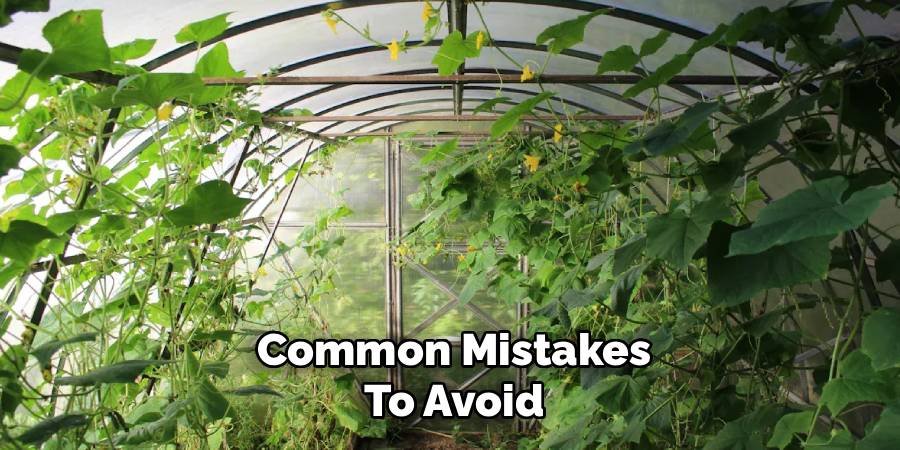
Common Mistakes to Avoid
Over-insulating can create poor ventilation and humidity problems that harm plants more than cold temperatures. Balance insulation with adequate air circulation for optimal growing conditions.
Neglecting ventilation during mild winter days allows humidity buildup and temperature spikes that stress plants. Maintain some air circulation even during cold periods.
Using inappropriate heating systems creates dangerous conditions or inefficient energy use. Choose heating systems designed specifically for greenhouse applications with proper safety features.
Ignoring plant dormancy requirements prevents proper flowering and fruiting in the following growing season. Research specific needs for perennial plants in your collection.
FAQ Frequently Asked Questions
What Temperature Should I Maintain in My Greenhouse During Winter?
Most plants thrive with night temperatures between 45-55°F and day temperatures of 60-70°F, though specific requirements vary by plant species.
How Much Will Winterizing Increase My Energy Costs?
Properly winterized greenhouses typically increase heating costs by 30-60% compared to summer, but poor winterization can triple energy expenses.
Can I Grow Vegetables in an Unheated Greenhouse During Winter?
Yes, cold-hardy vegetables like spinach, kale, and carrots can survive in unheated greenhouses with proper protection and variety selection.
When Should I Start Winterizing My Greenhouse?
Begin winterization preparations in early fall, at least 4-6 weeks before expected first frost in your area.
What’s the Most Important Winterization Step?
Sealing air leaks provides the biggest impact on energy efficiency and plant protection, making structural repairs the top priority.
Conclusion
How to winterize a greenhouse is essential for protecting plants and maintaining energy efficiency during the cold months. By carefully selecting cold-hardy vegetables, starting preparations early, and prioritizing key tasks like sealing air leaks, gardeners can ensure their greenhouse remains productive throughout winter. With proper attention to winterization, you can create an optimal environment for your plants to thrive regardless of the season.
Taking the time to prepare thoroughly can also help prevent unexpected issues from arising during the colder months. Regular maintenance, such as checking for wear and tear on structural components or ensuring proper functionality of vents and heating systems, further contributes to the overall stability. Additionally, paying attention to factors like adequate sunlight exposure and appropriate humidity levels will foster healthier conditions, maximizing productivity and minimizing stress for both the structure and its contents.

About Ravuk Barg
B.Sc. Horticulture Science | Certified Master Gardener
Ravuk Barg has spent more than a decade with his hands in the soil and his head full of questions about why some gardens thrive while others struggle. What started as a single raised bed of tomatoes and basil in a modest backyard has grown into a deep, working knowledge of everything from seed germination and soil amendment to companion planting and seasonal pruning.
Over the years, Ravuk has gardened through drought summers, waterlogged springs, and pest invasions that would make most gardeners hang up their trowels for good. Those hard seasons, he’ll tell you, taught him more than any perfect growing year ever could. He writes from that earned experience—covering vegetable growing, ornamental planting, houseplant care, composting, and garden design with equal confidence and curiosity.
Philosophy & Approach
Ravuk’s approach to gardening is rooted in practicality. He favors organic methods not out of dogma, but because they work long-term—resulting in healthier soil, fewer inputs, and stronger plants. He has a particular fondness for heirloom vegetable varieties (the kind with proper flavor), unruly cottage-style flower beds, and the stubborn houseplants that everyone else gave up on.
The Mission: Give readers the honest, experience-backed advice that helps them actually succeed in their gardens—not just the ideal version, but the real one; weeds, failures, and all.
Education & Credentials
-
B.Sc. in Horticulture Science
-
Greenfield Agricultural University
-
Focus: Plant Physiology, Soil Ecology, and Sustainable Crop Production
-
-
Master Gardener Certification
-
Cooperative Extension Service
-
Focus: 200+ hours of hands-on practical training and community garden work
-
Continuing Education
-
Organic Pest Management
-
Native Plant Landscaping
-
Sustainable Crop Production