

Summer heat can turn your productive greenhouse into a plant-killing oven. Learning how to keep a greenhouse cool in the summer is essential for maintaining healthy crops and maximizing your growing potential during the hottest months.
When temperatures soar, your greenhouse can reach dangerous levels that stress plants, reduce flowering, and cause widespread crop failure. Without proper cooling strategies, even heat-tolerant varieties struggle to survive extreme conditions.
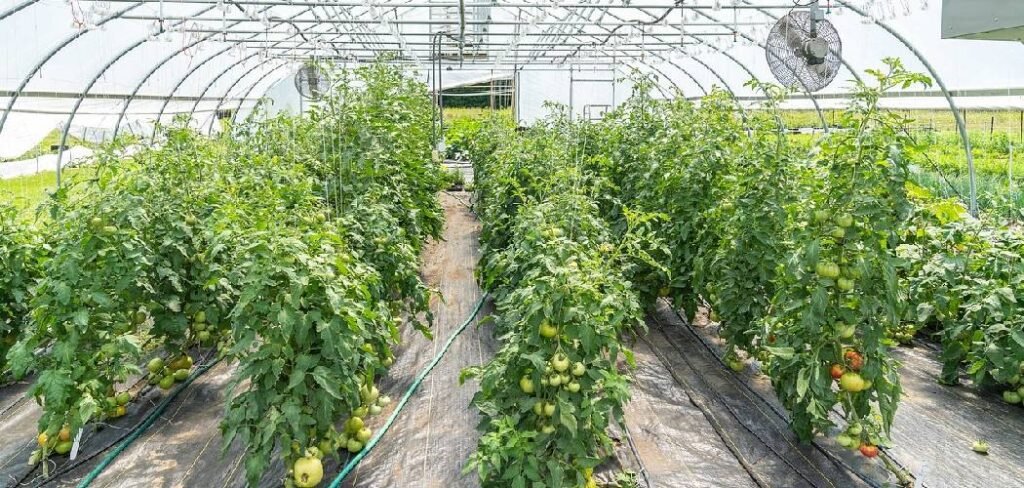
The good news? You don’t need expensive equipment or complex systems to create a comfortable growing environment. Simple techniques like strategic ventilation, shading, and water management can dramatically reduce internal temperatures while protecting your investment.
This comprehensive guide will walk you through proven methods that experienced growers use to beat the heat and maintain thriving plants all summer long.
Why Cool Your Greenhouse in the Summer?
Greenhouse cooling in summer is essential to prevent plants from overheating and ensure their proper growth. Excessive heat can lead to stressed plants, reduced yields, and even crop failure. High temperatures can also accelerate water evaporation, leaving plants vulnerable to dehydration and nutrient deficiencies. Additionally, heat buildup fosters an environment suitable for pests and diseases, further threatening your plants’ health. By implementing cooling strategies, you create a stable and controlled environment where plants can thrive, even during the peak of summer. Effective cooling also maximizes efficiency, saving resources and reducing long-term expenses.
8 Step-by-Step Guide: How to Keep a Greenhouse Cool in the Summer
Step 1: Install Proper Ventilation Systems
Ventilation forms the backbone of effective greenhouse cooling. Hot air naturally rises, so installing roof vents at the highest point allows heated air to escape while drawing cooler air through lower openings.
Position intake vents near ground level on the opposite side of your structure from exhaust vents. This creates cross-ventilation that continuously moves fresh air through the space. The total vent area should equal at least 15-20% of your floor space for optimal airflow.
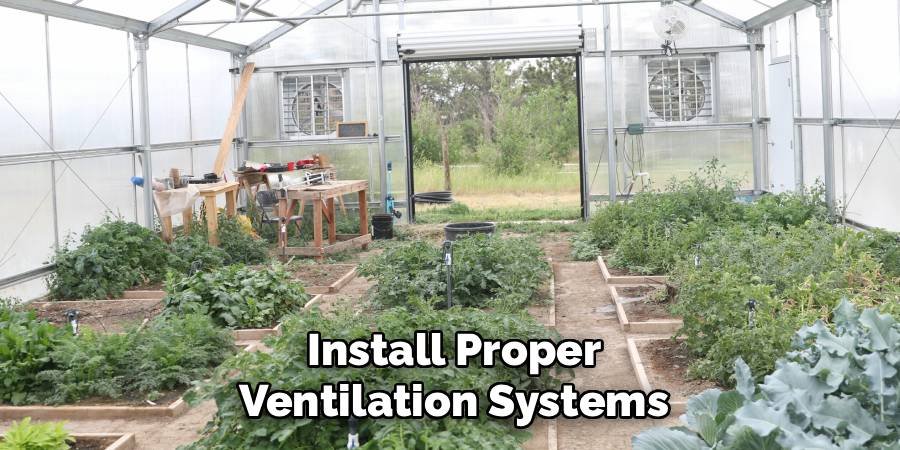
Automatic vent openers eliminate the guesswork by responding to temperature changes without electricity. These wax-filled cylinders expand as temperatures rise, gradually opening vents to maintain consistent conditions. Manual adjustment works too, but requires constant monitoring during heat waves.
Exhaust fans provide additional air movement when natural ventilation isn’t sufficient. Install them in the upper portion of end walls, paired with intake louvers on the opposite end to create directed airflow patterns.
Step 2: Deploy Strategic Shading Solutions
Shade cloth represents your first line of defense against intense solar radiation. This woven material blocks a percentage of sunlight while still allowing sufficient light for photosynthesis. Choose 30-50% shade cloth for most crops, or 70% for sensitive seedlings.
External shading proves more effective than internal screens because it blocks heat before it enters your greenhouse. Mount shade cloth 6-8 inches above the roof to create an air gap that enhances cooling through convection.
Retractable shade systems offer flexibility during variable weather conditions. Roll-up mechanisms let you adjust coverage based on daily conditions, maximizing light during cooler periods while providing protection during peak heat.
Paint-on shading compounds provide temporary relief for glass houses. These removable products reflect sunlight while wearing off naturally by winter. Apply them to the exterior surface for maximum effectiveness, focusing on south-facing panels that receive the most direct radiation.
Step 3: Implement Evaporative Cooling Techniques
Water evaporation naturally cools surrounding air, making it an excellent greenhouse cooling strategy. Wet pad cooling systems work by drawing air through moistened pads, reducing temperatures by 10-20 degrees in dry climates.
Install evaporative pads on one end wall with exhaust fans on the opposite end. As fans pull air through saturated pads, water evaporation cools the incoming air stream. This system works best in low-humidity regions where evaporation rates remain high.
Misting systems create fine water droplets that cool air through rapid evaporation. Position misting nozzles to avoid direct contact with plant foliage, which can promote disease. Focus on pathways and structural elements instead.
Wet-down techniques involve regularly hosing down floors, benches, and walkways. The evaporating water creates a cooling effect while raising humidity levels. Perform wet-downs during early morning or evening hours to maximize effectiveness without creating excessive moisture.
Step 4: Optimize Your Greenhouse Floor Management
Concrete floors absorb and retain heat during the day, then release it slowly throughout the night. Cover concrete surfaces with light-colored materials or apply reflective coatings to reduce heat absorption. White paint or specialized floor coatings can significantly lower surface temperatures.
Gravel floors provide excellent drainage while allowing air circulation underneath. The loose material doesn’t retain heat like solid surfaces, creating cooler conditions near plant root zones. Add landscape fabric underneath to prevent weed growth while maintaining drainage benefits.
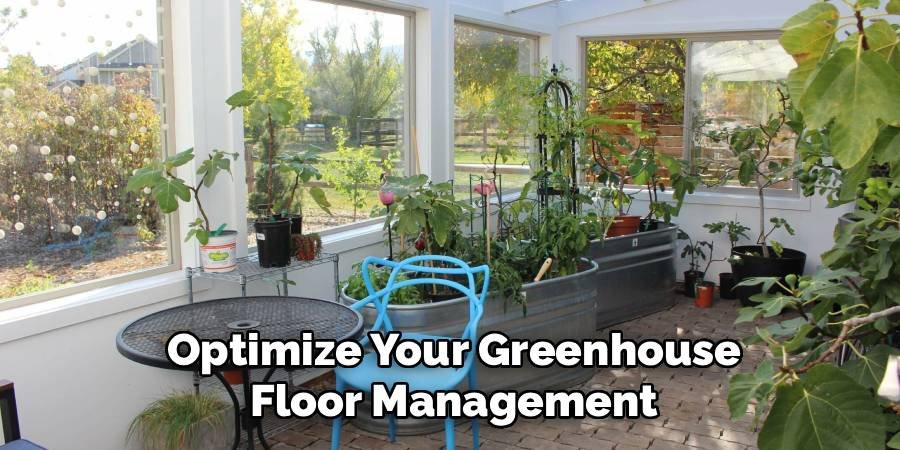
Raised benches improve air circulation around plants and prevent roots from contacting hot floor surfaces. The air gap underneath allows cooling breezes to circulate more effectively, creating more uniform temperatures throughout your growing space.
Ground covers like straw or wood chips insulate the soil while reducing reflected heat. These organic materials stay cooler than bare ground and slowly release moisture through evaporation, contributing to overall cooling effects.
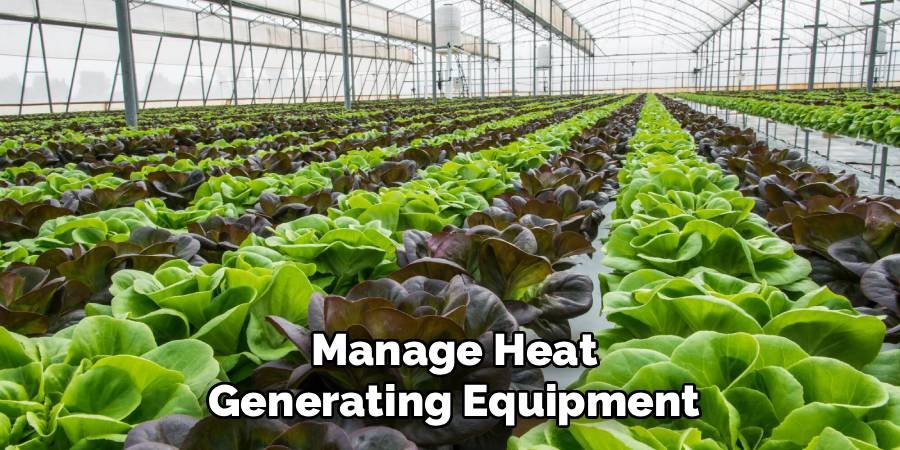
Step 5: Manage Heat-Generating Equipment
Heating systems continue producing warmth even when not actively running. Shut off and disconnect heating equipment during summer months to eliminate residual heat sources. Store portable heaters outside or in separate storage areas.
Electrical equipment generates substantial heat through normal operation. Move ballasts for grow lights outside the greenhouse or install them in ventilated enclosures. Even small electrical loads add to your cooling burden during extreme weather.
Timing systems help minimize heat production during peak temperature periods. Run necessary equipment during cooler nighttime hours when possible. Circulation fans and pumps can operate effectively during early morning or late evening periods.
Equipment placement affects cooling efficiency significantly. Position heat-generating devices near exhaust vents where rising warm air can escape quickly. Avoid clustering equipment in dead air zones where heat accumulates without adequate ventilation.
Step 6: Employ Water-Based Cooling Systems
Thermal mass cooling uses water’s high heat capacity to moderate temperature swings. Place large water containers throughout your greenhouse to absorb excess heat during the day and release it slowly at night. Dark-colored barrels work particularly well for this application.
Irrigation scheduling affects internal humidity and cooling potential. Water plants during early morning hours when evaporation provides maximum cooling benefit. Avoid afternoon watering that adds humidity when temperatures are already high.
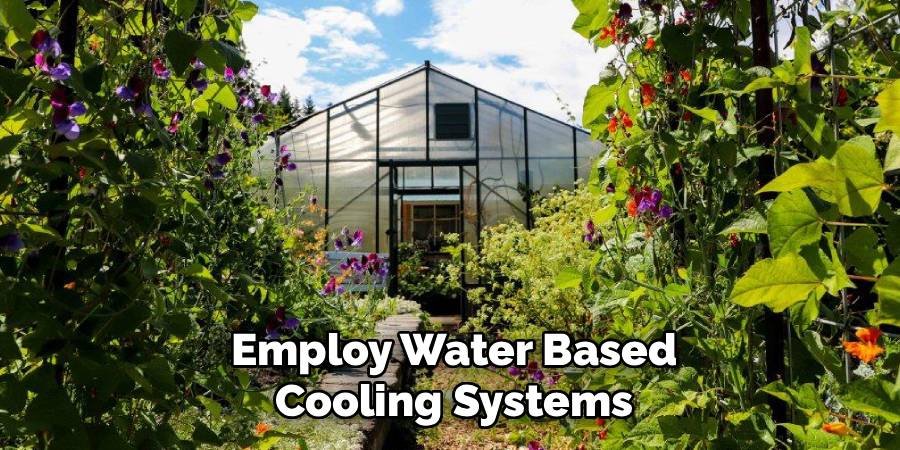
Reservoir cooling involves circulating water through buried pipes or ground-level containers. The earth’s constant temperature helps cool water, which then absorbs heat from greenhouse air. Simple aquarium pumps can circulate water through cooling loops.
Spray cooling systems direct fine water mist toward greenhouse surfaces rather than plants. The evaporating water removes heat from structural elements like posts, benches, and walls. Use timers to activate misting during peak heat periods.
Step 7: Create Strategic Air Movement Patterns
Circulation fans prevent hot air pockets from forming in corners and dead spaces. Position fans to create gentle air movement throughout the growing area without creating direct drafts on sensitive plants. Horizontal airflow fans work better than vertical circulation patterns.
Staging fan operation helps manage energy costs while maintaining adequate cooling. Use thermostatic controls to activate additional fans only when temperatures exceed preset levels. Start with one fan and add others incrementally as heat increases.
Air deflectors and baffles direct airflow where it’s needed most. Simple panels can redirect fan output toward specific growing areas or prevent air from stagnating in corners. Adjustable deflectors allow fine-tuning of air patterns.
Natural air movement relies on temperature differentials to create circulation. Design your layout to encourage hot air to rise toward exhaust points while drawing cooler air through intake areas. Remove obstacles that block natural airflow patterns.
Step 8: Time Your Growing Activities Strategically
Plant selection dramatically affects heat management requirements. Choose heat-tolerant varieties during summer months, saving cool-season crops for spring and fall production. Research varieties specifically bred for high-temperature performance in greenhouse conditions.
Harvesting schedules should align with cooler periods to reduce heat stress on both plants and workers. Early morning harvests occur when temperatures are lowest and plants are fully hydrated. Avoid disturbing plants during peak afternoon heat.
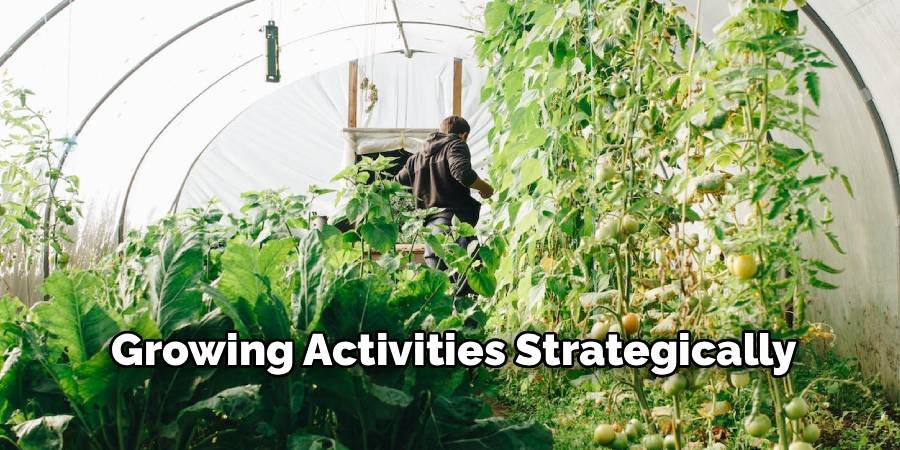
Maintenance activities generate additional heat through physical activity and equipment operation. Schedule potting, transplanting, and major cleanings for early morning or evening hours. This timing also reduces worker heat stress and improves safety.
Watering routines should complement your overall cooling strategy. Deep, infrequent watering encourages strong root systems while providing evaporative cooling. Time irrigation to occur before peak heat periods for maximum benefit.
Maintenance
Proper greenhouse maintenance during the summer is essential to ensure optimal plant growth and worker safety. Regularly inspect ventilation systems, including fans, vents, and louvers, to confirm they are functioning efficiently and free of debris. Clean and maintain shade cloths to maximize their effectiveness in reducing heat and sunlight exposure. Monitor greenhouse glazing for any dirt or damage, as a clean surface allows better light penetration while reflecting excess heat. Furthermore, keep pathways and work areas clear to improve airflow and reduce unnecessary heat buildup. By establishing a consistent maintenance routine, you’ll create a cooler, more productive greenhouse environment during the intense summer months.
FAQ Frequently Asked Questions
1. What’s the best way to ventilate a greenhouse in hot weather?
Install roof vents and side vents to create natural airflow. Hot air rises and exits through roof vents while cool air enters through lower side vents, creating continuous circulation.
2. Should I use shade cloth to cool my greenhouse?
Yes, shade cloth is highly effective. Use 30-50% shade cloth during peak summer months to reduce heat buildup while still allowing sufficient light for plant growth.
3. How effective are evaporative cooling systems for greenhouses?
Evaporative coolers work excellently in dry climates, reducing temperatures by 10-20°F. They’re less effective in humid areas but still provide beneficial air circulation and moisture.
4. Can I use fans to keep my greenhouse cool?
Absolutely. Exhaust fans help remove hot air while circulation fans distribute cooler air evenly. Combine fans with vents for maximum cooling efficiency in your greenhouse.
5. What’s the ideal temperature range for a summer greenhouse?
Most plants thrive between 70-85°F during the day. Nighttime temperatures should drop to 60-70°F. Monitor with thermometers and adjust cooling methods accordingly.
Conclusion
Learning how to keep a greenhouse cool in the summer transforms challenging growing conditions into opportunities for year-round production. The eight strategies outlined above work together to create comfortable environments where plants thrive despite external heat.
Success requires implementing multiple cooling techniques rather than relying on any single solution. Ventilation provides the foundation, while shading, evaporative cooling, and strategic management complete your defensive strategy against summer heat.
Start with basic ventilation and shading, then add advanced techniques as your budget and experience allow. Monitor temperatures closely during your first summer to identify which methods work best for your specific structure and climate.
Your plants will reward consistent cooling efforts with vigorous growth, abundant harvests, and extended productive seasons that maximize your greenhouse investment throughout the challenging summer months.

About Ravuk Barg
B.Sc. Horticulture Science | Certified Master Gardener
Ravuk Barg has spent more than a decade with his hands in the soil and his head full of questions about why some gardens thrive while others struggle. What started as a single raised bed of tomatoes and basil in a modest backyard has grown into a deep, working knowledge of everything from seed germination and soil amendment to companion planting and seasonal pruning.
Over the years, Ravuk has gardened through drought summers, waterlogged springs, and pest invasions that would make most gardeners hang up their trowels for good. Those hard seasons, he’ll tell you, taught him more than any perfect growing year ever could. He writes from that earned experience—covering vegetable growing, ornamental planting, houseplant care, composting, and garden design with equal confidence and curiosity.
Philosophy & Approach
Ravuk’s approach to gardening is rooted in practicality. He favors organic methods not out of dogma, but because they work long-term—resulting in healthier soil, fewer inputs, and stronger plants. He has a particular fondness for heirloom vegetable varieties (the kind with proper flavor), unruly cottage-style flower beds, and the stubborn houseplants that everyone else gave up on.
The Mission: Give readers the honest, experience-backed advice that helps them actually succeed in their gardens—not just the ideal version, but the real one; weeds, failures, and all.
Education & Credentials
-
B.Sc. in Horticulture Science
-
Greenfield Agricultural University
-
Focus: Plant Physiology, Soil Ecology, and Sustainable Crop Production
-
-
Master Gardener Certification
-
Cooperative Extension Service
-
Focus: 200+ hours of hands-on practical training and community garden work
-
Continuing Education
-
Organic Pest Management
-
Native Plant Landscaping
-
Sustainable Crop Production