

A lush, green lawn is a point of pride for any homeowner, but those tricky, narrow strips of grass can often be a source of frustration. Found between sidewalks and streets or along driveways, these areas are notoriously difficult to keep healthy. They tend to dry out faster, suffer from soil compaction, and receive more heat stress. Learning how to water narrow strip of lawn areas correctly is the key to transforming them from brown, patchy eyesores into vibrant ribbons of green. This guide will provide you with a simple, effective strategy to ensure even your most challenging turf areas receive the hydration they need to thrive, without wasting water or effort.
Why Proper Watering for Narrow Lawns Matters
Those slender patches of grass, often called “hellstrips” by gardeners, present unique challenges. Their limited soil volume means they can’t hold much moisture, causing them to dry out rapidly, especially when bordered by heat-absorbing pavement. Standard sprinklers often overshoot these small areas, leading to significant water waste on sidewalks and driveways. This inefficient watering not only runs up your utility bill but also fails to deliver moisture deep into the root zone where it’s needed most. Consequently, the grass develops shallow roots, making it more susceptible to drought, disease, and foot traffic. By mastering a targeted watering technique, you can conserve water, promote deep root growth, and cultivate a resilient, beautiful lawn from curb to curb.
8 Step Methods Guide on How to Water Narrow Strip of Lawn
Step 1: Assess Your Soil and Drainage
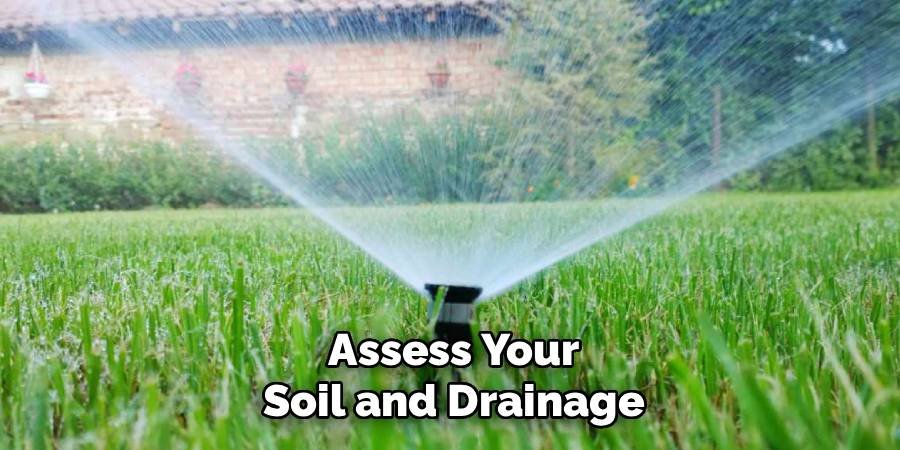
Before you turn on the water, take a moment to understand the foundation of your narrow lawn. Use a small trowel or soil probe to dig down about six inches. Is the soil loose and dark, or is it compacted and clay-like? Sandy soil drains quickly and will need more frequent watering, while heavy clay soil holds moisture longer but can become waterlogged. Poor drainage is common in these strips due to compaction from foot traffic. If water pools on the surface, you may need to aerate the soil to help it absorb moisture more effectively. This initial assessment is crucial for creating a watering schedule that caters directly to your lawn’s specific conditions.
Step 2: Measure Your Lawn Strip
Accuracy is your best friend when dealing with small spaces. Grab a measuring tape and determine the exact length and width of the lawn strip. Knowing the precise dimensions helps you select the right equipment and calculate how much water is needed, preventing over- and under-watering. For example, a 3-foot by 50-foot strip has a very different requirement than a 2-foot by 20-foot patch. This simple measurement takes just a few minutes but saves you from the guesswork that leads to wasted water and an unhealthy lawn. Write down the dimensions so you can refer to them when choosing a sprinkler or setting up your watering system.
Step 3: Choose the Right Watering Equipment
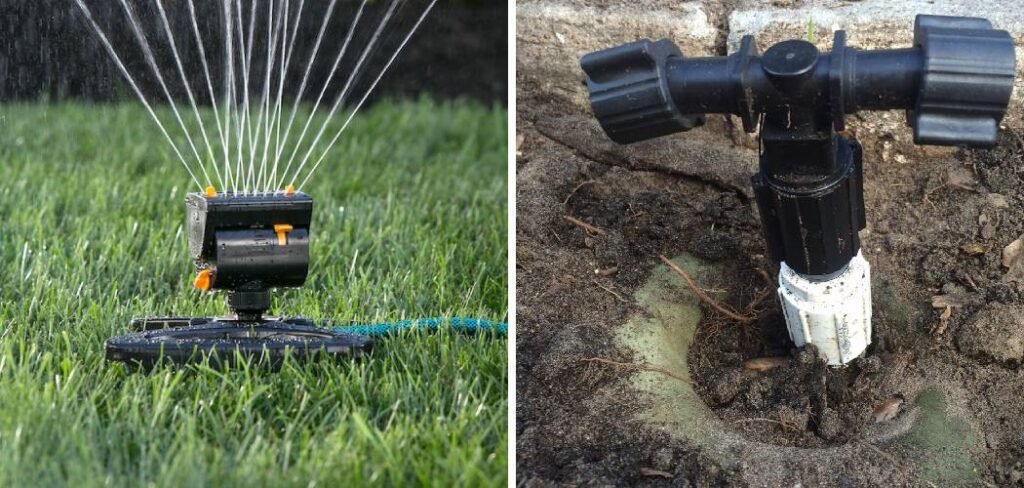
Standard oscillating sprinklers are not ideal for narrow areas, as they cast a wide, rectangular pattern that wastes water on surrounding pavement. Instead, look for specialized tools designed for precision. A strip-pattern sprinkler nozzle, which can be attached to a pop-up sprinkler body or a stationary base, is an excellent choice. These nozzles spray water in a long, narrow rectangle, matching the shape of your lawn strip perfectly. Alternatively, a soaker hose is a highly efficient option. Laid along the length of the grass, it delivers water directly to the soil, minimizing evaporation and runoff. For very small or irregularly shaped areas, careful hand-watering with a gentle spray nozzle can also be effective.
Step 4: Position Your Sprinkler or Soaker Hose Correctly

Proper placement is key to uniform coverage. If using a strip-pattern sprinkler, place it at one end of the lawn strip, ensuring the spray pattern aligns with the turf’s length and width. Check that the spray doesn’t overshoot onto the sidewalk or street. You may need a sprinkler with an adjustable throw distance to fine-tune the coverage. For a soaker hose, lay it down the middle of the strip, snaking it slightly if the area is wider than two feet to ensure even moisture distribution. Secure the hose with garden staples to keep it in place and prevent it from shifting over time.
Step 5: Determine Your Lawn’s Water Needs
Most turfgrass varieties require about one to one-and-a-half inches of water per week to stay healthy, including rainfall. To figure out how long you need to run your sprinkler, perform a simple “tuna can test.” Place several empty, flat-bottomed cans (like tuna or cat food cans) randomly along the narrow strip. Turn on your water and time how long it takes for the cans to collect one inch of water. This is your target watering duration for each session. This test gives you a precise understanding of your sprinkler’s output, removing all guesswork from your watering routine.
Step 6: Water Deeply and Infrequently
Instead of light, daily sprinkles, you should water deeply only once or twice a week. This practice encourages the grass roots to grow deeper into the soil in search of moisture. Deeper roots create a more resilient and drought-tolerant lawn that can better withstand heat and stress. Using the duration you calculated in the previous step, give your lawn a thorough soaking. This ensures the water penetrates at least six inches into the soil. Deep watering is a cornerstone of an effective strategy for how to water narrow strip of lawn areas, as it builds a strong foundation for long-term health.
Step 7: Water Early in the Morning
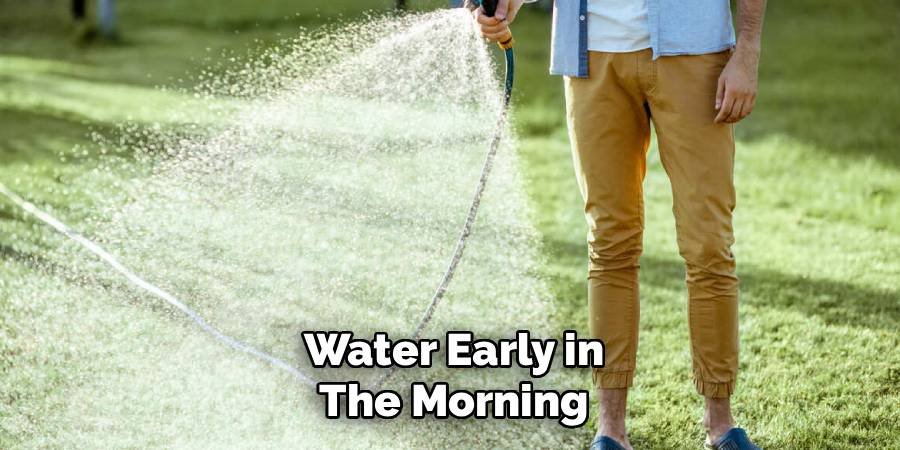
The best time to water any lawn is between 4 a.m. and 10 a.m. Watering in the early morning minimizes water loss from evaporation, as the sun is low and temperatures are cool. It also reduces the risk of fungal diseases, which can develop when grass stays wet overnight. The calm morning air prevents wind from blowing your carefully aimed spray off course, ensuring the water goes exactly where it’s needed. Avoid watering in the middle of the day when evaporation is at its peak, and steer clear of evening watering to keep your grass healthy and disease-free.
Step 8: Monitor and Adjust Your Schedule
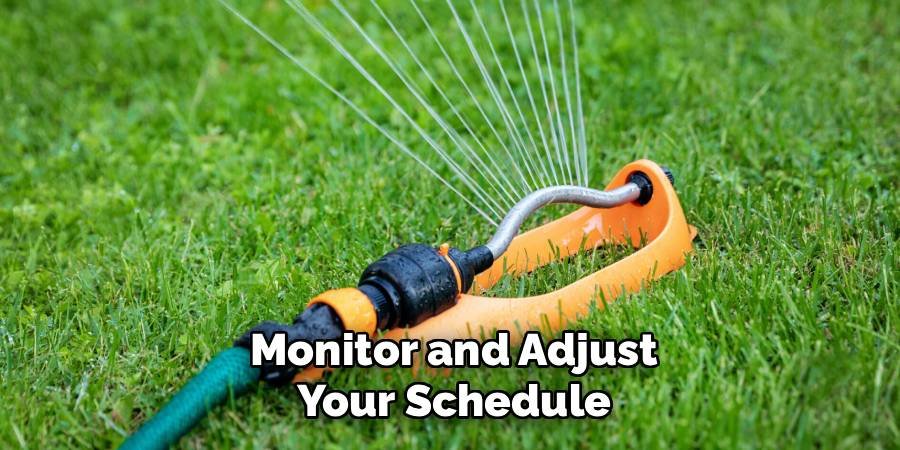
A successful watering plan is not set in stone. Pay close attention to your lawn and the weather. During hot, dry spells, you may need to add an extra watering session. After significant rainfall, you can skip a session entirely. Look for signs of stress, such as a bluish-gray tint to the grass or footprints that remain visible long after you’ve walked on it. These are indicators that your lawn is thirsty. Conversely, if you see mushrooms or standing water, you are likely overwatering. Regularly adjusting your routine based on these observations is the final piece of the puzzle.
Frequently Asked Questions (FAQ)
How Can I Tell if My Narrow Lawn Strip is Getting Enough Water?
The simplest method is the “screwdriver test.” A day after watering, try pushing a long screwdriver or soil probe into the ground. It should penetrate easily to a depth of 6-8 inches if the soil is adequately moist. If you meet hard resistance after only a few inches, the water isn’t reaching the deep roots, and you need to water for a longer duration. You can also look for visual cues: healthy, well-watered grass will be a vibrant green and will spring back quickly when you walk on it.
What Are the Best Sprinklers for Long, Narrow Strips of Grass?
For these specific areas, your best options are sprinklers designed for targeted patterns.
- Strip-Pattern Nozzles: These are ideal and can be fitted onto pop-up spray heads. They come in various patterns, like “end strip,” “center strip,” and “side strip,” to match your lawn’s layout.
- Soaker Hoses: These are highly efficient as they leak water directly into the soil along their entire length, virtually eliminating waste from runoff and evaporation.
- Small, Adjustable Turret Sprinklers: Some turret or multi-pattern sprinklers have a narrow rectangle setting that can work well if positioned carefully.
Should I Water My Narrow Lawn More Often Than the Rest of My Yard?
Yes, it’s very likely you’ll need to. Narrow strips, especially those bordered by concrete or asphalt, heat up much faster and have less soil volume to retain moisture. This causes them to dry out more quickly than larger lawn areas. While the rest of your lawn might be fine with one deep watering per week, the narrow strip may need a second session, particularly during hot summer months. Always check the soil moisture before adding an extra watering day to avoid waterlogging.
Is Hand-Watering an Effective Method for These Areas?
Hand-watering can be effective if done correctly, but it requires patience. It’s a good option for very small or awkwardly shaped strips where a sprinkler won’t work. Use a watering wand with a gentle shower setting to avoid blasting away soil. The key is to water slowly and evenly, allowing the moisture to soak in deeply rather than run off. Move back and forth over the area until you’ve delivered the equivalent of about one inch of water. It’s less efficient for longer strips but offers excellent control.
How Do I Prevent Water from Running onto the Sidewalk?
Preventing runoff is crucial for conserving water and being a good neighbor. First, choose the right equipment, like a strip-pattern nozzle. Second, run your watering cycle in shorter intervals. For example, instead of watering for 20 minutes straight, run it for 10 minutes, let the water soak in for an hour, and then run it for another 10 minutes. This “cycle and soak” method is especially effective on compacted soil or slopes, giving the ground time to absorb the water fully.
Conclusion
Watering a narrow strip of lawn doesn’t have to be a frustrating chore. By assessing your soil, choosing the right equipment like a strip-pattern nozzle or soaker hose, and watering deeply but infrequently, you can conquer this common landscaping challenge. Remember to water early in the morning to maximize efficiency and monitor your lawn’s health, adjusting your routine as needed. Putting in this focused effort will pay off with a uniformly lush, green lawn that boosts your home’s curb appeal. Now that you know how to water narrow strip of lawn areas effectively, you have the power to turn that difficult “hellstrip” into a beautiful slice of paradise.

About Ravuk Barg
B.Sc. Horticulture Science | Certified Master Gardener
Ravuk Barg has spent more than a decade with his hands in the soil and his head full of questions about why some gardens thrive while others struggle. What started as a single raised bed of tomatoes and basil in a modest backyard has grown into a deep, working knowledge of everything from seed germination and soil amendment to companion planting and seasonal pruning.
Over the years, Ravuk has gardened through drought summers, waterlogged springs, and pest invasions that would make most gardeners hang up their trowels for good. Those hard seasons, he’ll tell you, taught him more than any perfect growing year ever could. He writes from that earned experience—covering vegetable growing, ornamental planting, houseplant care, composting, and garden design with equal confidence and curiosity.
Philosophy & Approach
Ravuk’s approach to gardening is rooted in practicality. He favors organic methods not out of dogma, but because they work long-term—resulting in healthier soil, fewer inputs, and stronger plants. He has a particular fondness for heirloom vegetable varieties (the kind with proper flavor), unruly cottage-style flower beds, and the stubborn houseplants that everyone else gave up on.
The Mission: Give readers the honest, experience-backed advice that helps them actually succeed in their gardens—not just the ideal version, but the real one; weeds, failures, and all.
Education & Credentials
-
B.Sc. in Horticulture Science
-
Greenfield Agricultural University
-
Focus: Plant Physiology, Soil Ecology, and Sustainable Crop Production
-
-
Master Gardener Certification
-
Cooperative Extension Service
-
Focus: 200+ hours of hands-on practical training and community garden work
-
Continuing Education
-
Organic Pest Management
-
Native Plant Landscaping
-
Sustainable Crop Production