

Many gardeners wonder how to use mothballs in garden spaces to keep unwanted pests away. Mothballs are small white or clear balls that smell very strong.Many people have been using them to protect clothing from insects for years, but they can also help in the garden.
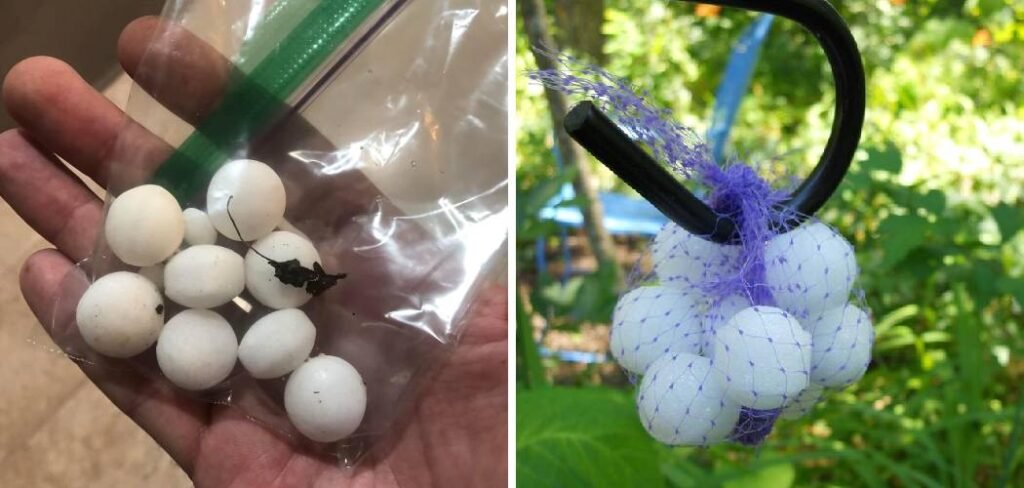
Using mothballs in your garden can help keep rabbits, deer, mice, and other animals away that eat your plants. The strong smell of mothballs helps keep these animals away because they don’t like it. However, you need to be very careful when using mothballs because they contain chemicals that can be harmful.
This guide will teach you the safe and proper ways to use mothballs for garden pest control. You’ll learn where to place them, how many to use, and important safety tips to protect your family, pets, and the environment.
Understanding Mothballs and Their Purpose
Mothballs are made of chemicals called naphthalene or paradichlorobenzene. These chemicals produce a strong odor that repels many animals and insects. The odor is so strong that most animals want to stay away from them.
Traditional mothballs were created to protect stored clothing from moth larvae that eat the fabric. The chemicals slowly turn from a solid ball to a gas, creating a protective odor around the clothing. This same principle works in the garden, creating a barrier that animals don’t want to cross.
When you use mothballs outdoors, the chemicals evaporate into the air faster than indoors. This means the odor spreads throughout your garden. Animals can smell this odor from a distance and look for food elsewhere.
Garden Pest Problems Mothballs Can Solve
Rabbit Control
Rabbits are one of the most common garden pests. They love to eat young plants, vegetables, and flowers. Rabbits have very sensitive noses, so the strong smell of mothballs will keep them away from your garden beds.
Place mothballs near areas where rabbits like to eat. This creates a smell barrier that tells rabbits to find food elsewhere. Remember that rabbits are most active at dawn and dusk.
Deer Deterrent
Deer can cause significant damage to your garden by eating entire plants overnight. They especially like flowers, vegetables, and young plant stems. The chemical smell of mothballs is unpleasant to deer and helps protect your plants. For deer control, mothballs should be placed high up because deer are tall animals. Place them in small containers and hang them on fence posts or tree branches around your garden.
Rodent Prevention
Mice, rats, and other small rodents often damage gardens by eating seeds, tubers, and young plants. They also dig tunnels that can damage plant roots. Mothballs placed near vulnerable plants can help keep these creatures away. Small rodents live close to the ground, so placing mothballs around the base of plants works well. The strong odor creates an invisible barrier that rodents are reluctant to cross.
Insect Control
Some gardeners find that mothballs help reduce some pests in their gardens. While not as effective as specialized insecticides, the chemical smell can discourage some flying insects and crawling insects. However, mothballs are not designed as pesticides and should not be your primary method of controlling garden pests. Use proper pest control methods for serious pest problems.
Safe Mothball Placement Methods
Strategic Garden Positioning
Proper placement is crucial when learning how to use mothballs in garden areas safely. Do not sprinkle mothballs directly on the ground or near edible plants. Instead, place them in small containers or mesh bags to contain the chemicals.
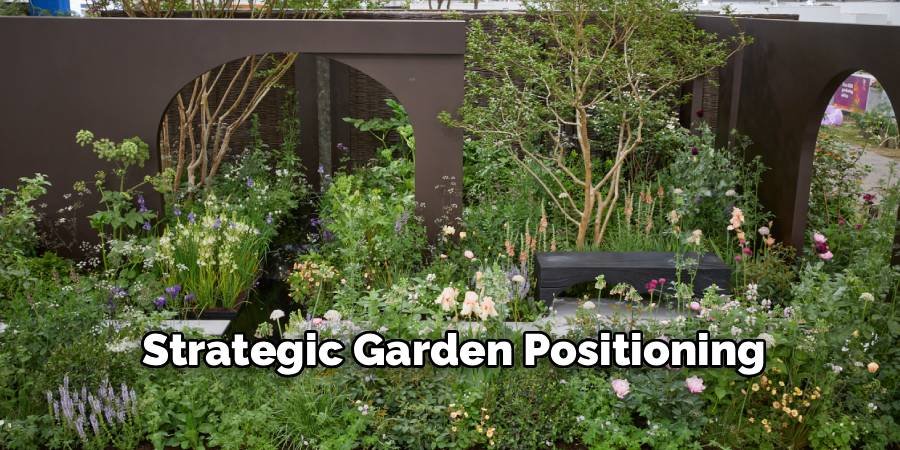
Place mothball containers around the perimeter of your garden, not in the middle of where you work. This creates a protective barrier and keeps the chemicals away from where you handle plants or gather food.
Container Methods
Using containers for mothballs is much safer than placing them directly in your garden. Small plastic containers with holes in the lid work well. The holes allow the odor to escape while trapping the mothballs. You can also use mesh bags or old pantyhose to hold the mothballs. Tie these bags to fence posts, poles, or tree branches around your garden. This keeps the chemicals out of the soil and away from children and pets.
Height Considerations
Different animals need different heights for mothballs to be effective. For ground animals like rabbits and mice, place the containers at ground level but not directly on the ground. For deer and other tall animals, hang the mothball containers 3-4 feet off the ground. This keeps the scent at nose level where these animals will notice it most.
Distance from Plants
Keep mothballs at least 3 feet away from plants you plan to eat. Chemicals can be absorbed by plant roots and make the vegetables unsafe to eat. Keep an extra distance from herbs and leafy greens. For ornamental plants and flowers, keep a distance of at least 1-2 feet. Although these plants will not be eaten, chemicals can affect their growth and health if kept too close.
Safety Precautions and Guidelines
Health and Safety Warnings
Mothball chemicals can be harmful to people and animals if not used properly. Do not allow children or pets to touch mothballs directly. The chemicals can cause respiratory problems, skin irritation, and other health problems. Always wear gloves when handling mothballs and wash your hands thoroughly afterward. Work in a well-ventilated area to avoid excessive inhalation of chemical vapors.
Pet Safety Measures
Dogs and cats are curious animals that may try to eat mothballs if they find them. This can result in serious poisoning and requires emergency veterinary care. Always use containers or bags to keep mothballs away from pets. Birds are particularly sensitive to mothball chemicals. Keep mothballs out of reach of birds, and never use them near bird food or nesting sites.
Environmental Considerations
Mothball chemicals can harm beneficial insects like bees and butterflies that help pollinate your garden. Use mothballs sparingly and only when necessary to minimize the impact on helpful garden animals. Rain can wash mothball chemicals into the soil and groundwater. Use covered containers to prevent chemicals from spreading beyond your designated treatment area.
Legal Usage Requirements
Some areas have laws about how pesticides, including mothballs, can be used outdoors. Check with your local government to make sure you are following all regulations regarding the use of mothballs in the garden. It may be illegal in some areas to use mothballs in a way that is not listed on the product label. Always read and follow all instructions on the mothball package.
Alternative Natural Pest Deterrents
Plant-Based Repellents
Many plants naturally repel garden pests and can be a safe alternative to mothballs. Marigolds, lavender, and mint plants create natural barriers against many animals and insects. These plants not only control pests but also enhance the beauty of your garden. They are safe around children and pets, and many also attract beneficial insects like bees and ladybugs.
Physical Barriers
Fences, lined covers, and netting provide effective pest control without chemicals. These barriers prevent animals from reaching your plants and allow air, water, and sunlight to enter. Physical barriers require more initial work to install but provide long-lasting protection without the ongoing worry of chemicals.
Sound and Light Deterrents
Motion-activated sprinklers, wind chimes, and reflective tape can deter many garden pests. These methods work by startling the animals when they approach your garden. Solar-powered lights and reflectors create movement and light that many nocturnal insects find annoying. These options are environmentally friendly and safe around the family.
Companion Planting
Planting certain plants together naturally reduces insect problems. For example, planting garlic near roses keeps aphids away, while planting basil near tomatoes repels many insects. Companion planting creates a natural ecosystem that discourages harmful insects while supporting beneficial insects. This practice also improves soil health and plant growth.
Common Mistakes to Avoid
Overuse Problems
Using too many mothballs can create chemical levels that are dangerous to people and pets. More mothballs do not always mean better pest control, and they can harm beneficial garden life. Start small and increase gradually if necessary. Monitor effectiveness and adjust the number of mothballs based on results, not guesswork.
Wrong Placement Errors
Placing mothballs directly in the ground or too close to edible plants is a serious mistake. This can contaminate food crops and damage plant health. Always use containers and maintain proper spacing. Placing mothballs where children and pets play creates unnecessary health risks. Choose the location carefully to protect your family as well as control pests.
Weather-Related Issues
Rain and wind can spread mothball chemicals beyond your designated treatment area. Use covered containers and safe storage methods to prevent environmental contamination. Hot weather causes mothballs to evaporate more quickly, reducing their effectiveness and potentially creating a stronger chemical odor than desired.
Mixing with Other Chemicals
Never mix mothballs with other garden chemicals or fertilizers. The chemical reaction may produce dangerous gases or reduce the effectiveness of both products. Use mothballs separately from other pest control methods to avoid unexpected interactions that could harm plants or pose a safety risk.
Monitoring and Maintenance
Regularly checking your mothball placement will ensure effectiveness and safety. Replace the mothballs when they are small or disappear completely, as this means the chemicals have evaporated. Regularly check the container for damage that could have caused the mothballs to fall out. Weather and animals can damage the container, creating a safety risk if not noticed quickly.
Monitor your plants for any signs of chemical damage, such as yellowing leaves or stunted growth. If you notice a problem, remove the mothballs immediately and increase the distance from the plants. Keep a record of where you place the mothballs and when you replace them. This helps you track effectiveness and ensures that you don’t forget the placement locations.
Frequently Asked Questions (FAQs)
Q: How long do mothballs last in the garden?
Answer: Mothballs typically last 2-6 months outdoors, depending on the weather and temperature. Hot, windy weather evaporates them quickly, while cool, calm weather helps them last longer.
Q: Can mothballs harm my vegetable plants?
Answer: Yes, mothballs can damage vegetable plants if placed too close. Keep them at least 3 feet away from any edible plants. The chemicals can be absorbed by the roots and make the vegetables unsafe to eat.
Q: Are mothballs safe to use around children?
Answer: Mothballs contain harmful chemicals and should be kept away from children. Always use containers or bags to avoid direct contact and keep them in a place where children do not play.
Q: Do mothballs work against all garden pests?
Answer: Mothballs work best against mammals such as rabbits, deer, and mice. They are less effective against insects and birds. Different pests may require different control methods for best results.
Q: Can I use mothballs in my greenhouse?
Answer: It is not recommended to use mothballs in enclosed spaces such as greenhouses. Chemical concentrations can become dangerous to humans and plants in enclosed spaces with poor ventilation.
Conclusion
Learning how to use mothballs in garden spaces safely requires careful planning and responsible application. While mothballs can effectively control many common garden pests, such as rabbits, deer, and mice, they should be used with proper safety precautions to protect your family, pets, and the environment.
The key to successful mothball use is to strategically place the containers, maintain a safe distance from edible plants, and follow all safety guidelines. Keep in mind that mothballs work best as part of an integrated pest management approach rather than a stand-alone solution.
If possible, consider natural alternatives such as companion planting, physical barriers, and plant-based repellents. These methods often provide effective pest control without the chemical concerns associated with mothballs. Regardless of the method you choose, prioritize safety and environmental responsibility when protecting your beautiful garden from unwanted pests.

About Ravuk Barg
B.Sc. Horticulture Science | Certified Master Gardener
Ravuk Barg has spent more than a decade with his hands in the soil and his head full of questions about why some gardens thrive while others struggle. What started as a single raised bed of tomatoes and basil in a modest backyard has grown into a deep, working knowledge of everything from seed germination and soil amendment to companion planting and seasonal pruning.
Over the years, Ravuk has gardened through drought summers, waterlogged springs, and pest invasions that would make most gardeners hang up their trowels for good. Those hard seasons, he’ll tell you, taught him more than any perfect growing year ever could. He writes from that earned experience—covering vegetable growing, ornamental planting, houseplant care, composting, and garden design with equal confidence and curiosity.
Philosophy & Approach
Ravuk’s approach to gardening is rooted in practicality. He favors organic methods not out of dogma, but because they work long-term—resulting in healthier soil, fewer inputs, and stronger plants. He has a particular fondness for heirloom vegetable varieties (the kind with proper flavor), unruly cottage-style flower beds, and the stubborn houseplants that everyone else gave up on.
The Mission: Give readers the honest, experience-backed advice that helps them actually succeed in their gardens—not just the ideal version, but the real one; weeds, failures, and all.
Education & Credentials
-
B.Sc. in Horticulture Science
-
Greenfield Agricultural University
-
Focus: Plant Physiology, Soil Ecology, and Sustainable Crop Production
-
-
Master Gardener Certification
-
Cooperative Extension Service
-
Focus: 200+ hours of hands-on practical training and community garden work
-
Continuing Education
-
Organic Pest Management
-
Native Plant Landscaping
-
Sustainable Crop Production