

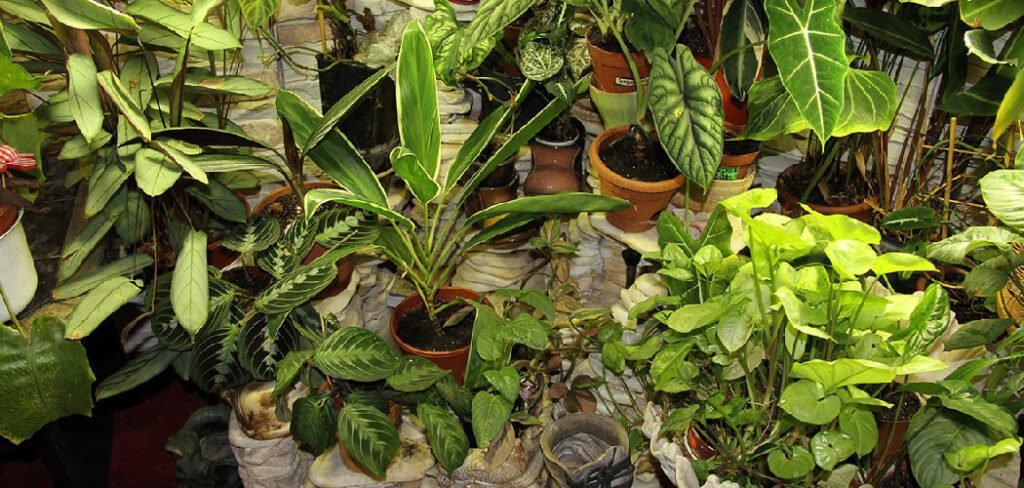
Learn how to protect container plants in winter in simple steps. Analyze your potted plants for cold conditions, snow, and freezing temperatures using the methods used. Winter can be tough on plants that live in tubs and containers. When cold weather arrives, these plants need extra care to survive. Potted plants are more at risk than plants in the ground because their roots get cold quickly. But don’t worry! With the right steps, you can keep your potted plants healthy all winter long.
Why Container Plants Need Winter Protection
Potted plants are different from plants grown in garden soil. Potted plants have less soil around their roots. This means they get cold much faster in the winter. The soil in the pot can freeze completely, which can hurt or kill the plant’s roots. When you plant plants in containers, the walls of the container don’t offer much protection from cold winds and freezing air. Garden plants have deep soil that stays warm, but potted plants have very little soil in their tubs. Cold weather can crack clay pots and even damage plastic containers. This is another reason why winter plant protection is so important for container gardening.
5 Simple Step-by-Step Guidelines on how to protect container plants in winter
Step 1: Choose the Right Winter Location
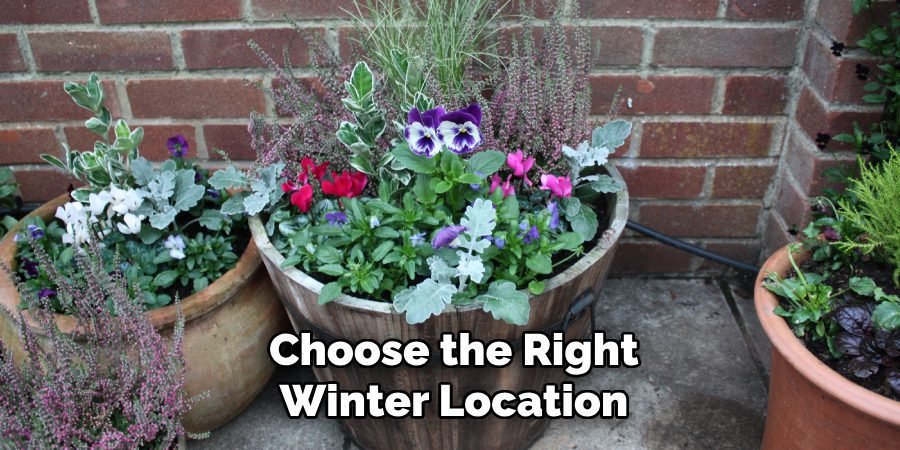
The first step in winter container plant care is to find the best spot for your plant. Find a spot that gets morning sun but is protected from cold winds. A south-facing wall works best because it reflects heat and traps wind. If you have a garage, shed, or greenhouse, these can be great winter homes for tender plants. Even an unheated garage can be much warmer than the air outside. Just make sure the space gets some light during the day. Try to group plants that can tolerate cold together near the house. The building will provide them with warmth and protection from the wind. Plant the most tender plants closest to the walls of the house.
Step 2: Insulate Your Plant Containers
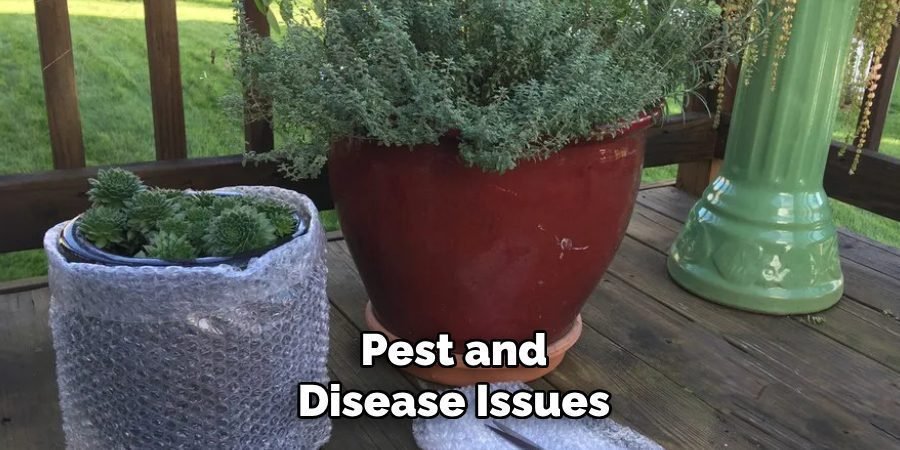
Pot insulation is very important for winter plant survival. There are many easy ways to add warmth around your pot. Bubble wrap works great for wrapping around pots. You can also use old blankets, burlap sacks, or special plant covers. Mulch is another excellent insulator. Add a thick layer of mulch on top of the soil in each container. Good mulch choices include straw, leaves, wood chips, or pine needles. This mulch layer keeps the soil warm and retains moisture.
For extra protection, you can sink your pots into the ground. Dig a hole as deep as your pot and place them in. Covering with mulch and the surrounding soil will help keep the roots warm.
Step 3: Adjust Your Watering Schedule
Watering in the winter is very different from watering in the summer. When plants are not actively growing, they need much less water. Overwatering in the winter can cause root rot, which can quickly kill plants. Test the soil with your finger before watering. Water only the first inch of soil that feels damp. Water at the warmest temperature possible so the plants can acclimate before using it at normal times. Make sure your pot has good drainage holes. Standing water will stagnate and damage the roots. If you notice water pooling on the top of the soil, you are overwatering.
Step 4: Prune and Prepare Plants
Before winter sets in, take a good look at your potted plants. Remove any dead, damaged, or diseased parts of the plant. This helps prevent disease problems during the colder months.
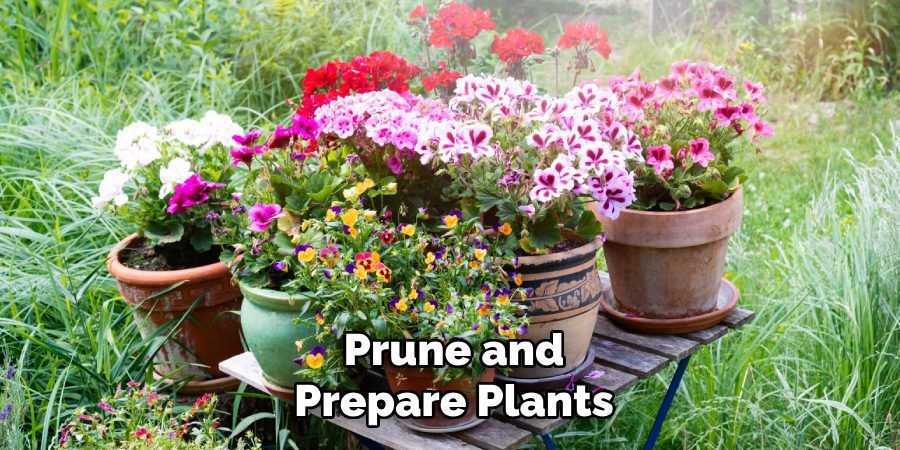
To encourage flowering, remove old flowers and seed heads. This tells the plant to focus its energy on surviving the winter rather than making new flowers. Some trees benefit from a light pruning in the fall. Cut back any long branches that could break in winter winds. But don’t prune too much – many trees need their leaves for winter protection.
Step 5: Group Plants Together
Grouping pots creates a warmer microclimate. When plants are close together, they share warmth and moisture. This natural protection helps keep all plants healthy. Place your most cold-sensitive plants in the center of the group. Place the hardier plants around the outer edges. This arrangement provides extra protection for the plants that need it most. You can also group the pots against a warm wall or fence. This provides more wind protection and reflects heat to the plants.
Best Winter Protection Methods for Different Plant Types
Hardy Perennials in Containers
Hardy perennials can usually survive the winter in containers with basic protection. These plants include hostas, daylilies, and many ornamental grasses. Wrap the containers with insulating material and top with a thick layer of mulch. If possible, move these containers to a safe location. Even hardy plants need protection from harsh winter winds. A cold frame or unheated greenhouse is perfect for these hardy plants.
Tender Plants and Tropicals
Tropical and tender perennials should be kept indoors during the winter. Plants like geraniums, begonias, and citrus trees cannot survive freezing temperatures. Before bringing plants indoors, check them carefully for insects and diseases. You don’t want to bring pests into your home. Spray the plants with water to keep them away from insects and treat any problems you find.
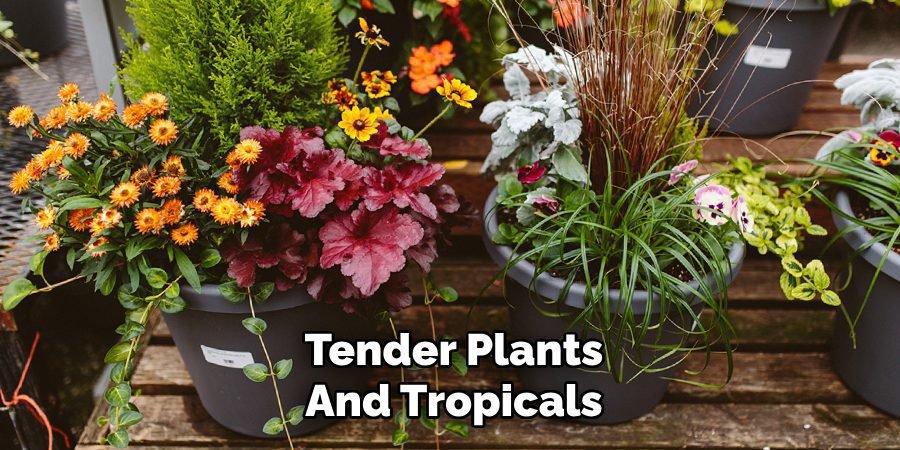
Place indoor plants near bright windows but away from heating vents. Most homes are too dry for tropical plants, so use a humidity tray or a room humidifier.
Evergreen Trees and Shrubs
Evergreen plants in containers face special challenges in the winter. They keep their leaves all winter, so they lose water even when the ground is frozen. This can cause the plants to wither and die. Wrap evergreen containers with burlap or special plant cloth. This protects against cold winds and allows air to circulate the plants. Water these plants only when the soil has thawed on warm winter days. Anti-desiccant sprays can help evergreens retain moisture in the winter. These products coat the leaves with a protective layer that reduces water loss.
Common Winter Container Plant Problems and Solutions
Frozen Soil and Root Damage
When soil freezes, plant roots cannot take up water or nutrients. This problem often occurs in small containers where there is not much soil mass. To prevent soil freezing, use larger containers if possible. Larger containers contain more soil, which takes longer to freeze completely. You can wrap the containers with insulating materials or move them to a protected location. If the ground freezes, don’t try to break the ice. Wait until it thaws naturally, and then water gently. Damaged roots need time to recover.
Container Cracking and Breaking
Clay and ceramic pots often crack when water accumulates and expands inside them. This damage can ruin expensive pots and harm plant roots. Choose frost-resistant pots for winter use. Plastic, fiberglass, and some specially made ceramic pots are more cold-resistant than regular clay pots. If you must use clay pots, empty them before the cold weather sets in. Store the pots in a protected location and replant in the spring.
Pest and Disease Issues
Winter stress makes potted plants more susceptible to pests and diseases. Watch for signs of problems such as yellowing leaves, soft spots, or abnormal growth. Good air circulation helps prevent many winter plant diseases. Don’t crowd plants too tightly together, and remove dead plant material promptly. Spider mites and scale insects often attack houseplants during the winter. Check your plants regularly and treat the problems before they spread.
Essential Winter Container Gardening Supplies
Winter plant protection is much easier with the right materials. Buy good insulating materials like frost cloth, bubble wrap, or plant blankets. These items can be used year after year. A soil thermometer can help you tell when your potting soil is getting too cold. Most plants start to have problems when the soil temperature drops below 20°F for an extended period. Plant dollies or wheeled platforms make it easy to move heavy pots to a safe location. These tools are especially helpful for larger pots that are too heavy to lift.
Planning for Next Winter
Start thinking about winter protection before the cold weather sets in. Make a list of which plants should be kept indoors and which can be safely kept outside. Consider purchasing new pots that can withstand cold weather well. Gradually replace clay pots with winter-friendly alternatives. Plan your container garden layout with winter in mind. Place tender plants in small, lightweight pots that are easy to move. Place hardy plants in heavy containers that can be left outside.
Conclusion
Learning how to protect potted plants in winter isn’t difficult. With proper planning and the right techniques, your potted plants can survive harsh winter weather. Be sure to choose a good location, insulate the container, provide watering, and keep the plants together for protection.
The key to successful winter container gardening is to begin protection efforts before the cold weather arrives. Take the time to prepare your plants in the fall, gather supplies, and create a safe space. When spring comes, your potted plants will reward you for your care by growing healthy and strong.
Whether you plant hardy perennials or tender tropical plants in containers, these winter protection methods will help your plants survive until warmer weather returns. With practice, protecting potted plants in winter becomes an easy part of your regular gardening routine.

About Ravuk Barg
B.Sc. Horticulture Science | Certified Master Gardener
Ravuk Barg has spent more than a decade with his hands in the soil and his head full of questions about why some gardens thrive while others struggle. What started as a single raised bed of tomatoes and basil in a modest backyard has grown into a deep, working knowledge of everything from seed germination and soil amendment to companion planting and seasonal pruning.
Over the years, Ravuk has gardened through drought summers, waterlogged springs, and pest invasions that would make most gardeners hang up their trowels for good. Those hard seasons, he’ll tell you, taught him more than any perfect growing year ever could. He writes from that earned experience—covering vegetable growing, ornamental planting, houseplant care, composting, and garden design with equal confidence and curiosity.
Philosophy & Approach
Ravuk’s approach to gardening is rooted in practicality. He favors organic methods not out of dogma, but because they work long-term—resulting in healthier soil, fewer inputs, and stronger plants. He has a particular fondness for heirloom vegetable varieties (the kind with proper flavor), unruly cottage-style flower beds, and the stubborn houseplants that everyone else gave up on.
The Mission: Give readers the honest, experience-backed advice that helps them actually succeed in their gardens—not just the ideal version, but the real one; weeds, failures, and all.
Education & Credentials
-
B.Sc. in Horticulture Science
-
Greenfield Agricultural University
-
Focus: Plant Physiology, Soil Ecology, and Sustainable Crop Production
-
-
Master Gardener Certification
-
Cooperative Extension Service
-
Focus: 200+ hours of hands-on practical training and community garden work
-
Continuing Education
-
Organic Pest Management
-
Native Plant Landscaping
-
Sustainable Crop Production