

A landscaping rake is one of the most important tools you can have to keep your yard looking great. Many people don’t know how to use a landscaping rake properly, which can end up making their yard take more work than it needs to. This guide will teach you how to use a landscaping rake properly.

When you learn how to use landscaping rake correctly, you can make your lawn look amazing. You’ll save time and energy while getting better results. Whether you’re cleaning leaves, spreading mulch, or preparing soil, a landscaping rake can help you do the job right.
What is a Landscaping Rake?
A landscaping rake is a garden tool with a long handle and a metal or plastic tin. It is different from a regular leaf rake because it is stronger and more durable. Landscaping rakes come in a variety of sizes and styles for different jobs. The main parts of a landscaping rake include the handle, the head, and the tin. The handle is usually made of wood or metal. The head connects the handle to the tin. The tin is the prong that does the actual work.
Types of Landscaping Rakes
You can choose from several types of landscaping rakes:
Bow Rake: This is the most common type. It has straight, strong tines that work great for removing dirt and gravel.
Leaf Rake: This rake has flexible tines that are perfect for collecting leaves and light debris.
Thatch Rake: This special rake removes dead grass and helps your lawn breathe better.
Landscape Rake: This wide rake is great for leveling large areas of soil or gravel.
Each type of rake has its own best use. Knowing which rake to use for each job will help you work faster and get better results.
10 Effective Methods on How to Use Landscaping Rake
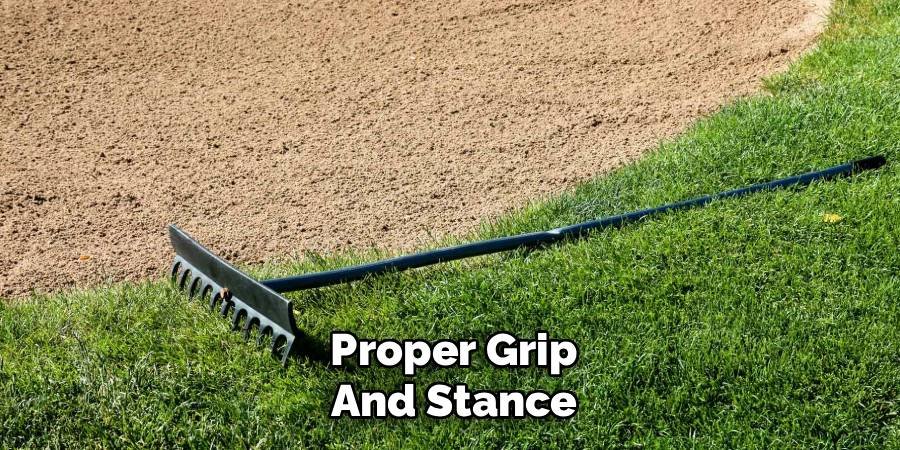
Method 1: Proper Grip and Stance
Hold your landscaping rake with both hands shoulder-width apart. Keep your back straight and your knees slightly bent. This position helps prevent back pain and gives you better control. Place one hand on the top of the handle and the other about halfway down. This grip gives you the best balance and strength.
Method 2: Raking Leaves and Debris
Start in one corner of your yard and work in a straight line. Pull the rake toward you with smooth, even strokes. Don’t try to collect too much at once. Make small piles first, then combine them into larger piles. This method is much easier than trying to turn everything into one big pile at once.
Method 3: Leveling Soil and Dirt
When leveling the ground, hold the rake at a slight angle. Push and pull the rake to spread the dirt evenly. Work in an overlapping pattern so that no spots are missed. Check your work frequently by looking at the area from different angles.
Method 4: Spreading Mulch Evenly
Use a gentle, spreading motion when working with mulch. Don’t apply too much pressure, or the mulch will be damaged. Work from the center of your mulch pile outward. This will help you spread it evenly without creating thin or thick patches.
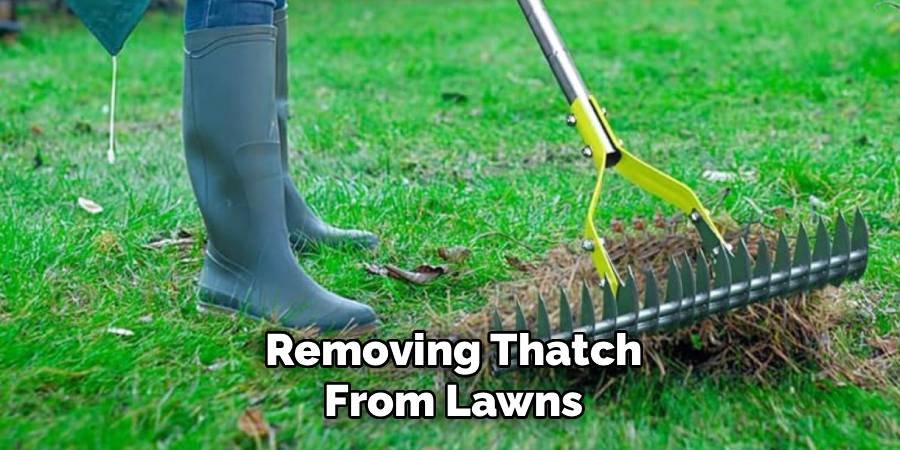
Method 5: Removing Thatch from Lawns
Use a thatch rake with short, quick strokes. Work in one direction first, then go over the same area in the opposite direction. This criss-cross pattern removes more dead grass and debris. Be careful not to damage healthy grass roots.
Method 6: Preparing Seedbeds
Before planting seeds, use your rake to create a smooth, flat surface. Remove any rocks, sticks, or dirt clumps. The soil should be loose and fine. This gives the seeds the best chance of growing into healthy plants.
Method 7: Cleaning Gravel Driveways
Use a bow rake to smooth out a gravel driveway. Work in long, straight lines. Pull the high spots down to the low spots. This will make your driveway look nice and prevent waterlogging when it rains.
Method 8: Creating Garden Rows
Use the edge of your rake to create a straight line for planting. Press the rake into the soil to create a shallow trench. This helps you plant seeds in neat, organized rows that are easy to water and maintain.
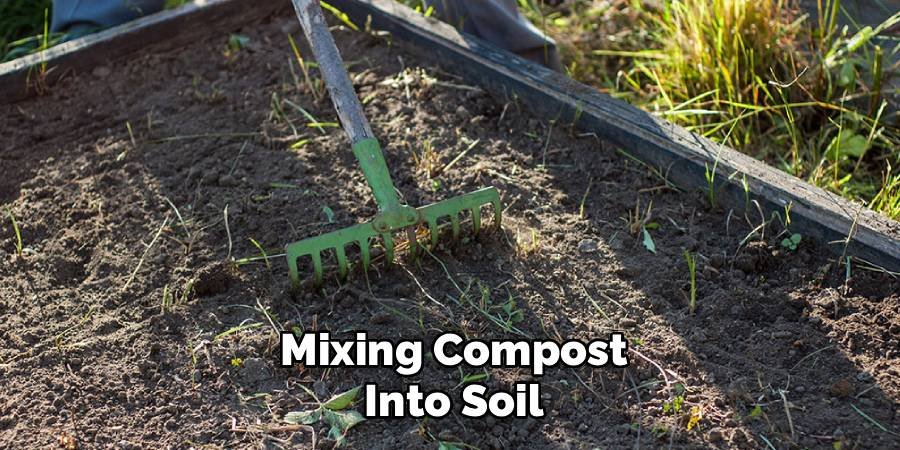
Method 9: Mixing Compost into Soil
When adding compost to your garden, use your rake to mix it into the existing soil. Work in a chopping motion to break up the clumps and mix everything together. This creates rich, healthy soil for your plants.
Method 10: Winter Preparation
In the fall, use your landscaping rake to clean up your yard before winter. Remove all leaves and debris that could damage your grass. This preparation helps keep your lawn healthy during the cold months.
Safety Tips for Using a Landscaping Rake
Always wear gloves when using a landscaping rake. This protects your hands from blisters and cuts. Wear closed-toe shoes to protect your feet from the rake’s tines. Check your rake before each use. Make sure the handle is not cracked and the tines are secure. A broken rake can be dangerous and will not work properly. Take frequent breaks, especially when doing heavy work. Raking can be tiring, and you don’t want to overwork yourself and injure yourself. Be aware of your surroundings. Watch for rocks, holes, or other hazards in your yard. Don’t rake near power lines or other dangerous areas.
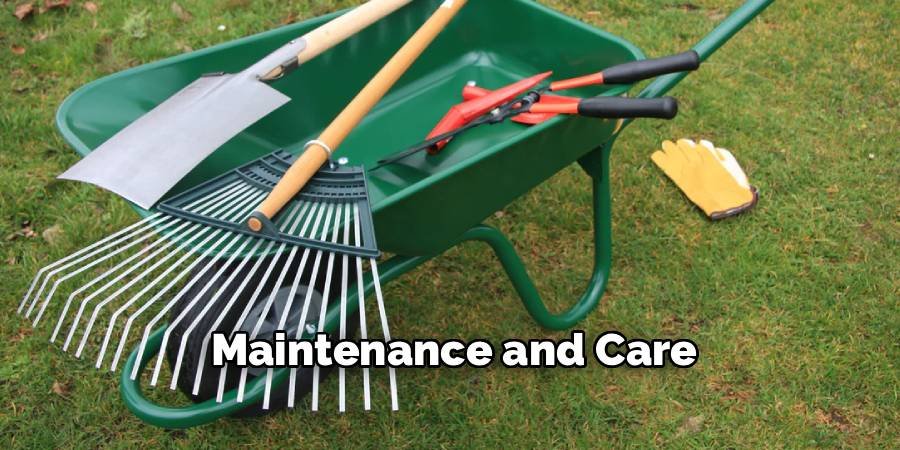
Maintenance and Care
Clean your landscaping rake after each use. Remove any dirt, grass, or debris from the tin. A clean rake works better and lasts longer. Store your rake in a dry place. Moisture can cause metal parts to rust and wooden handles to rot. Hang your rake on a wall or store it in a shed or garage.
Oil the wooden handles occasionally to prevent cracking. Use linseed oil or another wood preservative. This will keep the handle smooth and comfortable to use. Replace worn or damaged parts as needed. A rake with a broken tin or cracked handle is unsafe to use and will not work properly.
Common Mistakes to Avoid
Do not attempt to rake if the soil is too wet. Wet soil sticks to the rake and makes the job much more difficult. Wait until the soil has dried out a bit before raking. Do not overload your rake. Trying to move too much material at once will make the job more difficult and may damage your rake. Take small amounts and rake more often.
Do not neglect proper technique. Using poor form can hurt your back and make the job take longer. Take the time to learn the proper way to hold and use your rake. Be sure to maintain your equipment. A well-maintained rake will work better and last longer than a neglected rake.
Choosing the Right Landscaping Rake
Consider what tasks you will be doing most often. If you primarily rake leaves, consider a leaf rake. If you work with soil and gravel, consider a bow rake. Consider the size of your yard. Larger yards can benefit from a wider rake to cover more ground with each stroke. Look for quality construction. A good rake may cost more initially, but it will last longer and work better than a cheap one. Consider your physical abilities. If you have back problems or other health issues, look for lightweight rakes with ergonomic handles.
Seasonal Uses for Your Landscaping Rake
Spring: Use your rake to clear away winter debris and prepare garden beds for planting. Remove dead leaves and branches that fell during winter storms.
Summer: Keep your yard clean by picking up grass clippings and maintaining mulched areas. Your rake will help you keep everything clean.
Fall: This is the busiest time for raking. Clean up fallen leaves and prepare your yard for winter. A good fall cleanup makes spring chores much easier.
Winter: In mild weather, you may need to rake occasionally. Remove storm debris and maintain paths.
FAQs
Q: How often should I rake my yard?
Answer: It depends on your yard and the season. In the fall, you may need to rake weekly. In other seasons, monthly raking is usually enough to keep things clean.
Q: What’s the difference between a landscaping rake and a leaf rake?
Answer: Landscaping rakes with metal tines are stronger, better for heavy work. Leaf rakes with flexible tines are gentler and better at collecting leaves.
Q: Can I use a landscaping rake on wet grass?
Answer: It is best to wait until the grass is dry. Wet grass clumps together and sticks to the rake, making the job much more difficult.
Q: How do I know if my rake needs to be replaced?
Answer: Replace your rake if the handle is cracked, the tines are bent or missing, or if it no longer works effectively.
Q: What size rake should I buy?
Answer: For most homeowners, a 24-30 inch rake works well. Smaller yards can use a narrow rake, while larger properties may benefit from using a wide rake.
Conclusion
Learning how to use landscaping rake properly makes yard work easier and more effective. With the right techniques and tools, you can keep your yard looking great all year round. Be sure to choose the right type of rake for each job, use proper form to avoid injury, and maintain your equipment well.
The 10 methods we’ve discussed will help you handle any raking job around your property. From clearing leaves to preparing garden beds, your landscaping rake is a versatile tool that can make many outdoor tasks easier. Practice these techniques and you’ll become more proficient at yard maintenance.
Take care of your landscaping rake and it will serve you well for many years. Regular cleaning and proper storage will keep your rake in good condition. With good tools and the right techniques, you can maintain a yard that looks professional and is well-cared for throughout every season.

About Ravuk Barg
B.Sc. Horticulture Science | Certified Master Gardener
Ravuk Barg has spent more than a decade with his hands in the soil and his head full of questions about why some gardens thrive while others struggle. What started as a single raised bed of tomatoes and basil in a modest backyard has grown into a deep, working knowledge of everything from seed germination and soil amendment to companion planting and seasonal pruning.
Over the years, Ravuk has gardened through drought summers, waterlogged springs, and pest invasions that would make most gardeners hang up their trowels for good. Those hard seasons, he’ll tell you, taught him more than any perfect growing year ever could. He writes from that earned experience—covering vegetable growing, ornamental planting, houseplant care, composting, and garden design with equal confidence and curiosity.
Philosophy & Approach
Ravuk’s approach to gardening is rooted in practicality. He favors organic methods not out of dogma, but because they work long-term—resulting in healthier soil, fewer inputs, and stronger plants. He has a particular fondness for heirloom vegetable varieties (the kind with proper flavor), unruly cottage-style flower beds, and the stubborn houseplants that everyone else gave up on.
The Mission: Give readers the honest, experience-backed advice that helps them actually succeed in their gardens—not just the ideal version, but the real one; weeds, failures, and all.
Education & Credentials
-
B.Sc. in Horticulture Science
-
Greenfield Agricultural University
-
Focus: Plant Physiology, Soil Ecology, and Sustainable Crop Production
-
-
Master Gardener Certification
-
Cooperative Extension Service
-
Focus: 200+ hours of hands-on practical training and community garden work
-
Continuing Education
-
Organic Pest Management
-
Native Plant Landscaping
-
Sustainable Crop Production