

Plant diseases can devastate your garden faster than you think. Fungal infections spread quickly, turning healthy plants into wilted, spotted messes that break any gardener’s heart. How to Use Garden Safe Fungicide 3 Spray offers an effective solution for both preventing and treating common fungal problems. This ready-to-use formula targets diseases like powdery mildew, black spot, and rust without harsh chemicals that harm beneficial insects.
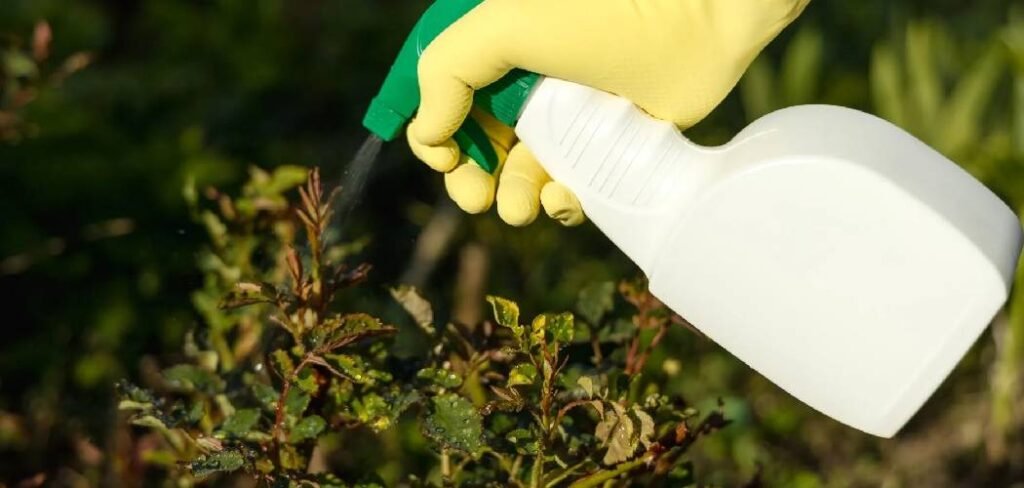
Unlike synthetic alternatives, this copper-based fungicide works naturally with your garden’s ecosystem. It provides reliable protection while keeping your plants, soil, and family safe from toxic residues. Whether you’re dealing with diseased roses, struggling tomatoes, or preventive care for your entire garden, understanding proper application makes all the difference. The right technique ensures maximum effectiveness while avoiding plant damage or waste.
Why You Need Fungicide Protection
Fungal diseases thrive in warm, humid conditions that many gardens experience. These microscopic invaders spread through air, water, and contaminated tools, often establishing themselves before visible symptoms appear. Early intervention prevents minor issues from becoming garden-wide disasters. Once fungal spores take hold, they multiply rapidly and become increasingly difficult to control.
Prevention costs far less than plant replacement. A single application schedule protects your investment in seeds, seedlings, and established plants throughout the growing season. Garden Safe Fungicide 3 Spray works on contact, creating a protective barrier that prevents spore germination. This proactive approach stops diseases before they start rather than fighting established infections.
8 Step-by-Step Guide on How to Use Garden Safe Fungicide 3 Spray
Step 1: Choose the Right Weather Conditions
Apply how to use garden safe fungicide 3 spray during calm, overcast conditions for best results. Avoid windy days that disperse the spray away from target areas and reduce coverage effectiveness. Early morning or late evening applications work best because temperatures are cooler and humidity levels are higher. These conditions help the product adhere to plant surfaces longer, maximizing absorption and protection.
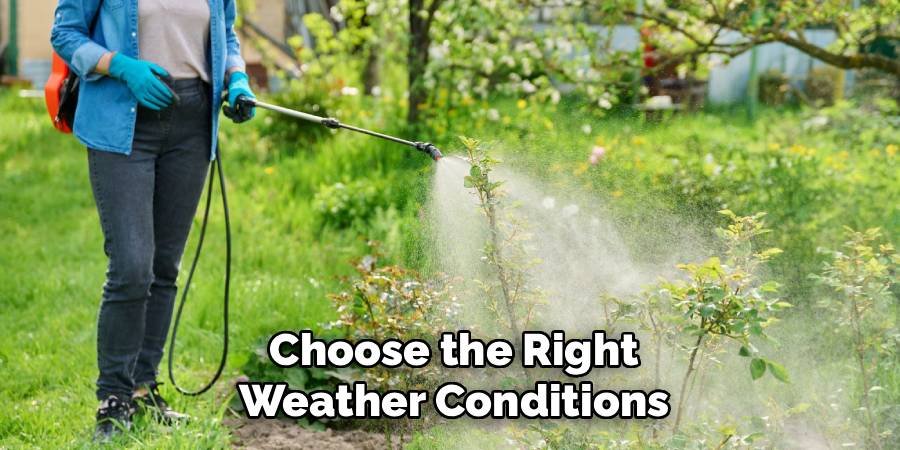
Never spray during the heat of the day when temperatures exceed 85°F. High temperatures can cause the solution to evaporate before it penetrates plant tissues, reducing effectiveness and potentially causing leaf burn. Check the weather forecast to ensure no rain is expected for at least 4 hours after application. Rainfall can wash away the protective coating before it fully bonds with plant surfaces.
Step 2: Prepare Your Plants and Garden Area
Remove any heavily diseased or dead plant material before treatment. These infected parts serve as ongoing sources of spores that can reinfect treated plants and reduce overall effectiveness. Clear weeds and debris from around target plants to improve air circulation. Better airflow reduces the humid conditions that fungal diseases need to establish and spread.
Water plants at soil level rather than overhead to avoid creating additional moisture on leaves. Wet foliage provides ideal conditions for spore germination and disease development. Inspect plants carefully for early signs of infection like discolored spots, powdery coatings, or unusual growths. Early detection allows for more targeted treatment and better outcomes.
Step 3: Read and Follow Label Instructions
Garden Safe Fungicide 3 Spray comes ready-to-use, requiring no mixing or dilution. The pre-measured concentration provides optimal effectiveness while minimizing the risk of plant damage from over-concentration. Check the specific diseases listed on the label to confirm your target problem is covered. Different fungicides address different pathogens, so proper identification ensures you’re using the right product.
Note any specific plant restrictions or warnings on the label. Some sensitive species may require special handling or diluted applications to prevent phytotoxicity. Pay attention to harvest intervals for edible crops. The label specifies how long to wait between application and harvest to ensure food safety.
Step 4: Protect Yourself with Proper Safety Gear
Wear long sleeves, long pants, and closed-toe shoes to minimize skin contact. Even organic fungicides can cause irritation or allergic reactions in sensitive individuals. Use chemical-resistant gloves made from nitrile or rubber materials. Cotton or fabric gloves absorb the product and maintain prolonged skin contact, increasing irritation risk.
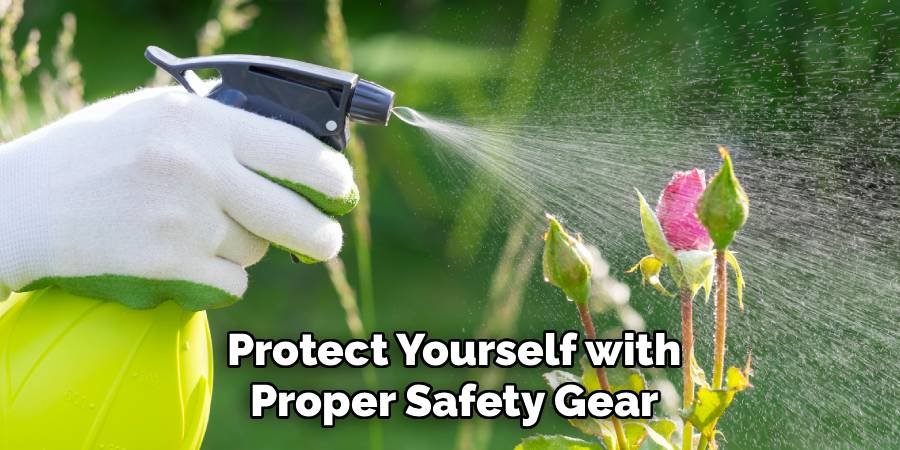
Protect your eyes with safety glasses or goggles, especially when spraying overhead or in windy conditions. Accidental contact can cause temporary irritation and discomfort. Consider wearing a dust mask or respirator if you’re sensitive to spray mist. While Garden Safe products are generally mild, respiratory protection prevents inhalation of any particles.
Step 5: Apply Thorough, Even Coverage
Spray all plant surfaces including the undersides of leaves where many fungal diseases begin. Spores often germinate on lower leaf surfaces where humidity levels are highest and air circulation is poorest. Hold the sprayer 6-8 inches away from plants to ensure proper coverage without over-saturating. Too close creates runoff waste, while too far reduces effectiveness and coverage uniformity.
Work systematically from top to bottom and inside to outside on each plant. This methodical approach ensures complete coverage and prevents missing areas that could harbor developing infections. Apply until surfaces are wet but not dripping. The goal is uniform coverage that adheres to plant tissues rather than pooling on leaves or running off onto the ground.
Step 6: Pay Special Attention to Problem Areas
Focus extra attention on plant parts most susceptible to disease development. These typically include new growth, dense foliage areas, and previously infected locations. Spray the soil surface around infected plants to eliminate spores that may be present in fallen debris. Ground-level spores can splash back onto plants during watering or rainfall.
Treat neighboring healthy plants as a preventive measure. Fungal spores spread easily through air currents, and nearby plants often harbor early-stage infections not yet visible to the naked eye. Apply extra coverage to plants in high-risk locations like shaded areas, low-lying spots, or areas with poor drainage where fungal diseases thrive.
Step 7: Time Your Applications Correctly
Begin treatments at the first sign of disease symptoms or as a preventive measure during high-risk periods. Early intervention provides much better results than waiting for established infections. Repeat applications every 7-14 days depending on disease pressure and environmental conditions. Frequent light applications work better than infrequent heavy treatments.
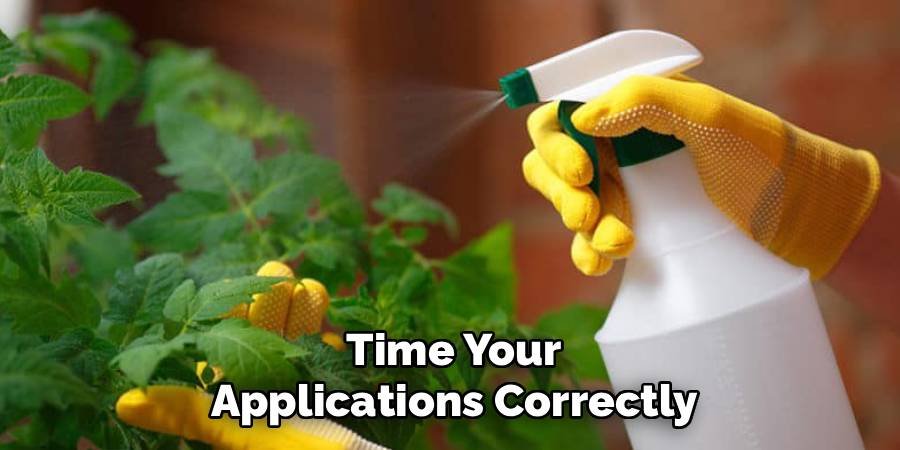
Extend treatment schedules during periods of high humidity, frequent rainfall, or when temperatures favor disease development. These conditions accelerate spore production and spread. Continue treatments through the harvest period for food crops, respecting the label’s pre-harvest interval requirements. Consistent protection prevents late-season losses when plants are most vulnerable.
Step 8: Clean Up and Store Properly
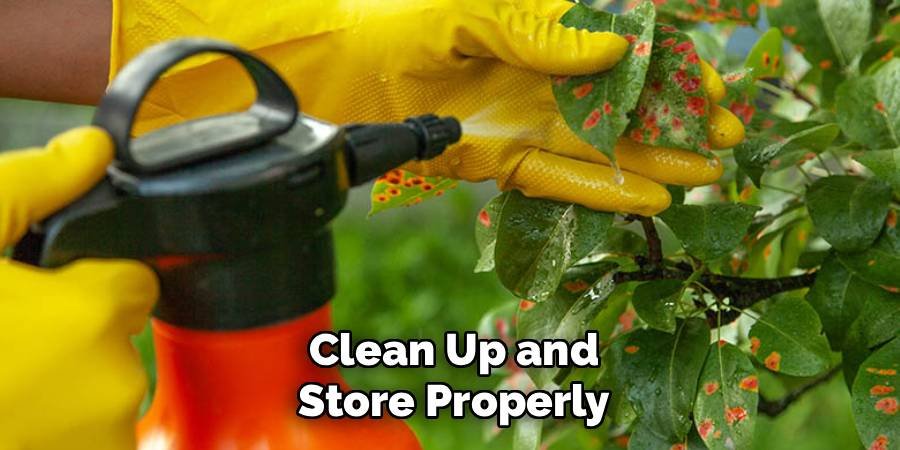
Rinse spray equipment thoroughly with clean water immediately after use. Residual fungicide can corrode metal parts or clog spray nozzles if left to dry in the system. Store the remaining product in its original container in a cool, dry location away from direct sunlight. Extreme temperatures can degrade the active ingredients and reduce effectiveness.
Keep the product away from children, pets, and food storage areas. Even organic fungicides should be treated with appropriate caution and stored safely. Record application dates, target plants, and weather conditions in a garden journal. This information helps track effectiveness and plan future treatment schedules.
Maintaining Your Fungicide Protection Program
Consistent monitoring helps you catch problems early when treatments are most effective. Check plants weekly for new symptoms or changes in existing conditions. Rotate between different fungicide modes of action to prevent resistance development. While copper-based products like Garden Safe have low resistance risk, alternating products maintains long-term effectiveness.
Combine chemical treatments with cultural practices like proper spacing, pruning for air circulation, and avoiding overhead watering. Integrated management provides superior long-term disease control. Keep detailed records of treatments, results, and environmental conditions. This documentation helps refine your approach and identify patterns in disease development.
FAQ
Can I use Garden Safe Fungicide 3 Spray on all types of plants?
Most ornamental and edible plants tolerate Garden Safe Fungicide 3 Spray well, but always test on a small area first. Some sensitive species like ferns or certain succulents may show phytotoxicity. Check the label for specific plant restrictions and follow recommended dilution rates for sensitive varieties.
How long does the protection last after application?
Garden Safe Fungicide 3 Spray provides protection for 7-14 days under normal conditions. Heavy rainfall, high humidity, or rapid plant growth may reduce this period. Reapply when new growth appears or after significant weather events that could wash away the protective coating.
Is it safe to use on vegetables and fruits I plan to eat?
Yes, Garden Safe Fungicide 3 Spray is approved for use on food crops when used according to label directions. Respect the pre-harvest interval specified on the label, typically 24 hours to several days depending on the crop. Always wash produce thoroughly before consumption regardless of treatment history.
What should I do if I accidentally spray too much on my plants?
Rinse affected plants immediately with clean water to remove excess product and prevent potential leaf burn. Monitor plants closely for signs of stress like yellowing, browning, or wilting. Most plants recover quickly from minor over-application, but severe cases may require pruning of damaged foliage.
Can I mix Garden Safe Fungicide 3 Spray with other garden products?
Avoid mixing with other products unless specifically recommended on the label. Chemical interactions can reduce effectiveness or cause plant damage. Apply different products separately, allowing several hours between applications. When in doubt, contact the manufacturer for compatibility information before mixing products.
Conclusion
Learning how to use garden safe fungicide 3 spray effectively protects your plants from devastating fungal diseases while maintaining a safe garden environment. The key lies in proper timing, thorough coverage, and consistent application throughout the growing season.
Success depends on combining chemical protection with good cultural practices. Proper plant spacing, adequate air circulation, and avoiding overhead watering create conditions that naturally resist disease development.
Remember that prevention works better than treatment. Regular monitoring and early intervention stop minor problems before they become major disasters that threaten your entire garden.
Your garden will thrive when you maintain consistent protection against fungal diseases. The time invested in proper application techniques pays dividends in healthier plants, better yields, and reduced long-term maintenance needs.
Start your fungicide program early in the season and maintain it consistently. Your plants will reward you with robust growth, beautiful blooms, and abundant harvests throughout the growing season.

About Ravuk Barg
B.Sc. Horticulture Science | Certified Master Gardener
Ravuk Barg has spent more than a decade with his hands in the soil and his head full of questions about why some gardens thrive while others struggle. What started as a single raised bed of tomatoes and basil in a modest backyard has grown into a deep, working knowledge of everything from seed germination and soil amendment to companion planting and seasonal pruning.
Over the years, Ravuk has gardened through drought summers, waterlogged springs, and pest invasions that would make most gardeners hang up their trowels for good. Those hard seasons, he’ll tell you, taught him more than any perfect growing year ever could. He writes from that earned experience—covering vegetable growing, ornamental planting, houseplant care, composting, and garden design with equal confidence and curiosity.
Philosophy & Approach
Ravuk’s approach to gardening is rooted in practicality. He favors organic methods not out of dogma, but because they work long-term—resulting in healthier soil, fewer inputs, and stronger plants. He has a particular fondness for heirloom vegetable varieties (the kind with proper flavor), unruly cottage-style flower beds, and the stubborn houseplants that everyone else gave up on.
The Mission: Give readers the honest, experience-backed advice that helps them actually succeed in their gardens—not just the ideal version, but the real one; weeds, failures, and all.
Education & Credentials
-
B.Sc. in Horticulture Science
-
Greenfield Agricultural University
-
Focus: Plant Physiology, Soil Ecology, and Sustainable Crop Production
-
-
Master Gardener Certification
-
Cooperative Extension Service
-
Focus: 200+ hours of hands-on practical training and community garden work
-
Continuing Education
-
Organic Pest Management
-
Native Plant Landscaping
-
Sustainable Crop Production