

Growing plants in pots is one of the most rewarding hobbies you can start today. Whether you live in a small apartment or have a big garden, potted plants bring life and beauty to any space. Learning how to take care of plants in pots might seem difficult at first, but with the right knowledge, anyone can become a successful container gardener.

Potted plants are perfect for beginners because they give you more control over growing conditions. You can move them around, change their soil easily, and protect them from bad weather. Many people choose container gardening because it requires less space and allows them to grow plants even without a traditional garden.
In this complete guide, we will explore everything you need to know about caring for potted plants. From choosing the right containers to understanding watering schedules, you’ll discover all the secrets to keep your plants healthy and thriving.
Why Choose Container Gardening?
Container gardening offers many advantages over traditional ground planting. First, you have complete control over the soil quality and drainage. This means you can give each plant exactly what it needs to grow strong and healthy. Second, potted plants are portable, so you can move them to catch the best sunlight or protect them from harsh weather.
Another great benefit is that container gardening prevents weeds from taking over your plants. The confined space makes it easier to spot problems early and take action quickly. Plus, if you’re renting your home, potted plants allow you to create a beautiful garden that you can take with you when you move.
7 Step-by-Step Guide on How to Take Care of Plants in Pots
Step 1: Choose the Right Container
The first step in learning how to take care of plants in pots is selecting the proper container. Your pot should be large enough for your plant’s root system to grow comfortably. A good rule is to choose a pot that’s at least 2 inches wider than your plant’s current root ball.
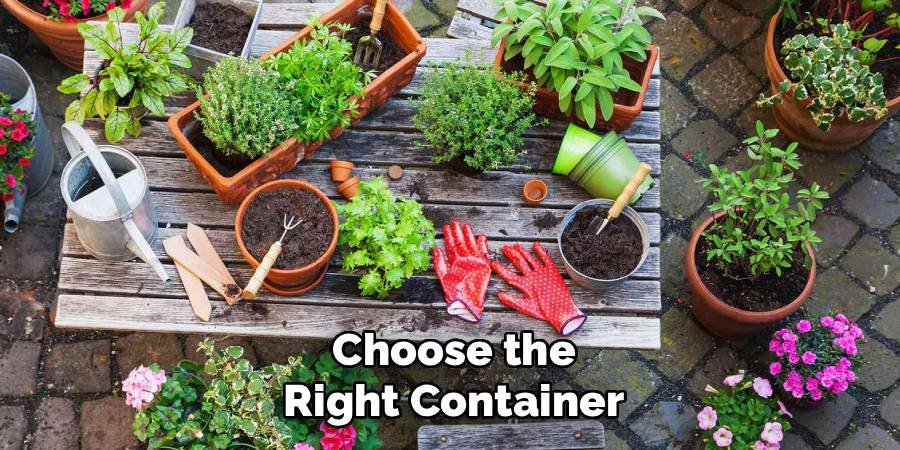
Make sure your container has drainage holes at the bottom. Without proper drainage, water will sit in the pot and cause root rot, which can kill your plant. If you fall in love with a pot that doesn’t have holes, you can drill them yourself or use it as a decorative outer pot with a smaller pot inside.
The material of your pot also matters. Clay and ceramic pots are heavy but provide good insulation for roots. Plastic pots are lightweight and retain moisture longer, making them perfect for plants that like consistent moisture. Metal pots can get very hot in direct sunlight, so they work best in shaded areas.
Step 2: Select Quality Potting Soil
Never use regular garden soil in your pots. Garden soil is too heavy and doesn’t drain well in containers. Instead, buy high-quality potting mix that’s specifically made for container plants. Good potting soil is light, fluffy, and drains well while still holding enough moisture for plant roots.
Look for potting mixes that contain ingredients like peat moss, vermiculite, perlite, and compost. These materials create the perfect balance of drainage and water retention. Some potting soils also include slow-release fertilizer, which feeds your plants gradually over several months.
For specific plant types, you might need special soil mixes. Cacti and succulents need well-draining soil with lots of sand and perlite. African violets prefer slightly acidic soil, while vegetables often do well in organic potting mixes rich in compost.
Step 3: Master the Art of Watering
Learning proper watering techniques is crucial when figuring out how to take care of plants in pots. Potted plants dry out faster than ground plants because they have limited soil volume and more surface area exposed to air. However, overwatering is one of the most common mistakes that kills potted plants.
The best way to check if your plant needs water is to stick your finger about 1-2 inches deep into the soil. If it feels dry at this depth, it’s time to water. When you do water, do it slowly and thoroughly until water runs out of the drainage holes. This ensures the entire root system gets moisture.
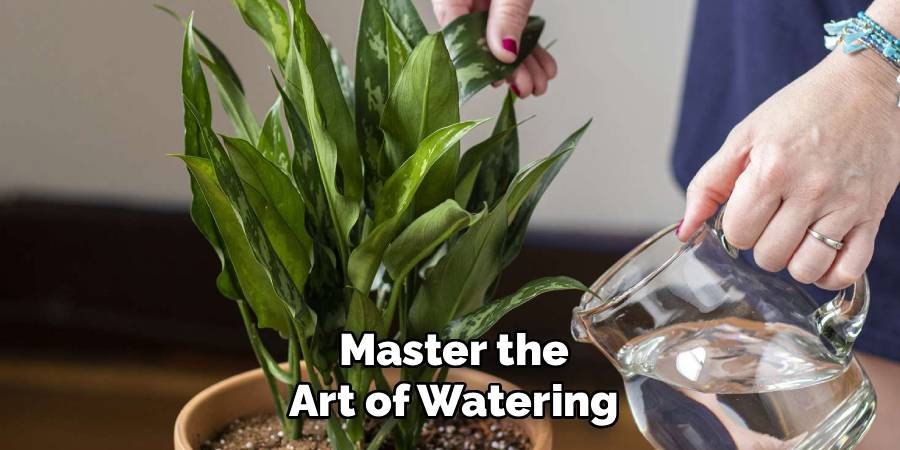
Water your plants in the morning when possible. This gives them time to absorb the water before the heat of the day and reduces the risk of fungal diseases. During hot summer months, you might need to water daily, while in winter, watering once or twice a week might be enough.
Step 4: Provide Adequate Light
Most plants need plenty of light to grow well, but the amount varies by species. Read the plant tags or research your specific plants to understand their light requirements. Some plants love direct sunlight for 6-8 hours daily, while others prefer bright, indirect light.
If you’re growing plants indoors, place them near south-facing windows for the brightest light. East and west-facing windows provide moderate light, while north-facing windows offer the least light. You can also supplement natural light with grow lights if needed.
Watch your plants for signs of light problems. If leaves turn yellow and drop, or if stems become long and spindly, your plant might need more light. Brown, crispy leaves often indicate too much direct sunlight.
Step 5: Feed Your Plants Regularly
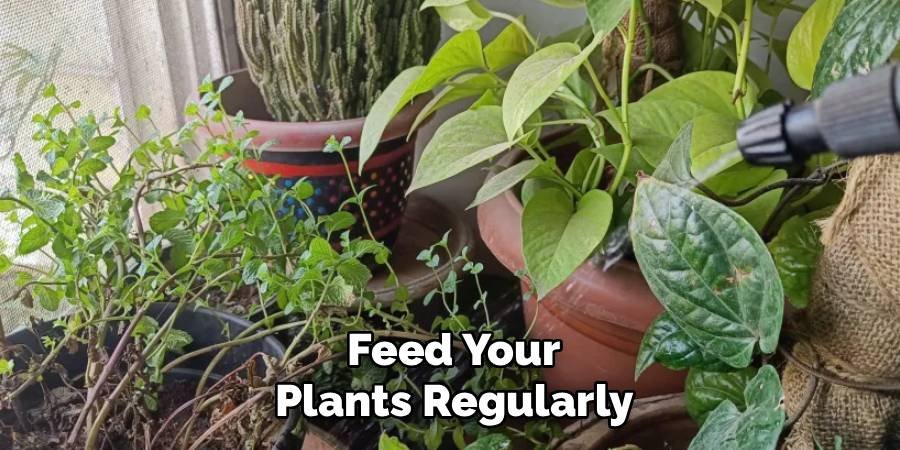
Plants in pots need regular feeding because nutrients wash out of the drainage holes over time. Use a balanced, water-soluble fertilizer every 2-4 weeks during the growing season (spring and summer). Follow the package directions, but it’s better to use less fertilizer than too much.
You can also use slow-release fertilizer pellets that feed your plants gradually over 3-6 months. Organic options like compost, fish emulsion, or worm castings provide gentle, natural nutrition. During fall and winter, most plants need little to no fertilizer as their growth slows down.
Step 6: Monitor Plant Health
Regularly inspect your potted plants for signs of pests or diseases. Look under leaves and around stems for insects like aphids, spider mites, or scale insects. Early detection makes treatment much easier and more effective.
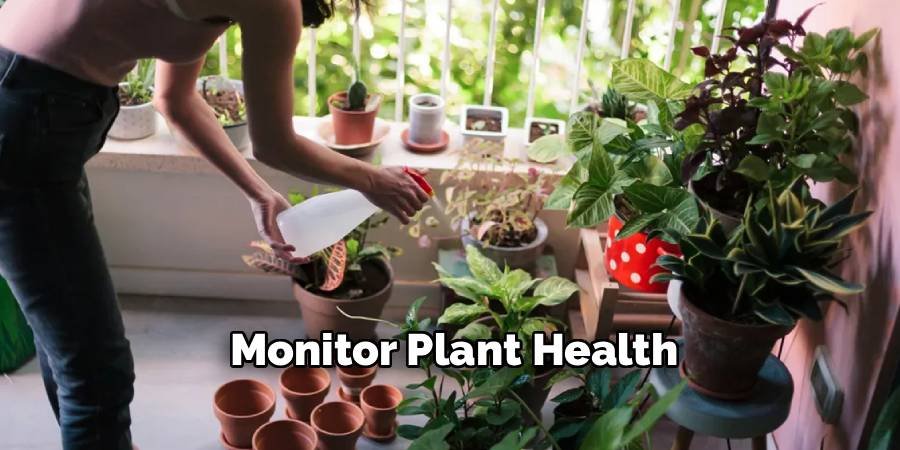
Common signs of problems include yellowing leaves, brown spots, wilting despite moist soil, or visible insects. Many issues can be solved by improving air circulation, adjusting watering schedules, or treating with organic pest control methods.
Remove dead, damaged, or diseased parts of your plants promptly. This prevents problems from spreading and keeps your plants looking their best. Clean your pruning tools with rubbing alcohol between plants to avoid spreading diseases.
Step 7: Repot When Necessary
Most potted plants need repotting every 1-3 years as they outgrow their containers. Signs that a plant needs repotting include roots growing out of drainage holes, water running straight through the pot without being absorbed, or the plant becoming top-heavy and tipping over.
When repotting, choose a container that’s only 1-2 inches larger than the current pot. Gently remove the plant and loosen any circled roots. Add fresh potting soil to the new container, place the plant at the same depth it was growing before, and fill in around the sides with more soil.
Common Mistakes to Avoid
Many people struggle with potted plants because they make common mistakes. Overwatering is the biggest killer of container plants, so always check soil moisture before watering. Using pots without drainage holes is another major mistake that leads to root rot.
Don’t use garden soil in pots, as it becomes compacted and doesn’t drain properly. Avoid placing plants in areas with extreme temperature changes, like near heating vents or air conditioning units. Also, don’t fertilize dry soil, as this can burn plant roots.
Best Plants for Container Growing
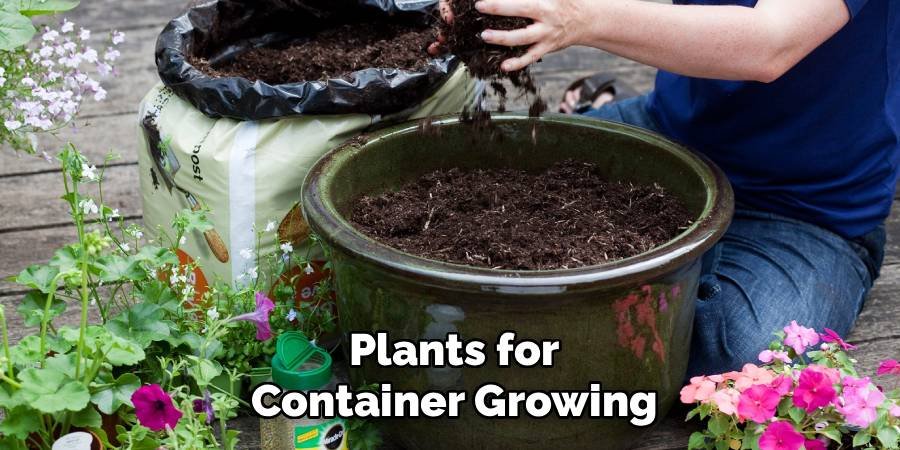
Some plants are naturally better suited for container life. Herbs like basil, mint, and rosemary thrive in pots and provide fresh ingredients for cooking. Flowers such as marigolds, petunias, and impatiens create colorful displays all season long.
Vegetables like tomatoes, peppers, lettuce, and radishes grow well in containers with proper care. For indoor plants, consider pothos, snake plants, peace lilies, or rubber trees, which tolerate various light conditions and are forgiving of occasional care mistakes.
Seasonal Care Tips
Your potted plants need different care throughout the year. In spring, it’s time to repot, start fertilizing again, and gradually move plants outdoors after the last frost. Summer requires frequent watering and protection from extreme heat.
Fall is the time to reduce watering and stop fertilizing as plants prepare for dormancy. Winter care focuses on protecting plants from cold temperatures and providing adequate light for indoor plants. Many outdoor potted plants need to be moved to protected areas or wrapped for winter protection.
Frequently Asked Questions
Q: How Often Should I Water My Potted Plants? A: The frequency depends on plant type, pot size, weather, and season. Check soil moisture by inserting your finger 1-2 inches deep. Water when the top layer feels dry. In summer, this might be daily, while in winter, weekly watering might be enough.
Q: Why Are the Leaves on My Potted Plant Turning Yellow? A: Yellow leaves can indicate several problems: overwatering, underwatering, poor drainage, lack of nutrients, or insufficient light. Check soil moisture first, ensure proper drainage, and evaluate your plant’s light conditions and feeding schedule.
Q: Can I Use Regular Garden Soil in My Pots? A: No, regular garden soil is too heavy for containers and doesn’t drain properly. Always use high-quality potting mix designed for containers. It provides better drainage, aeration, and nutrition for potted plants.
Q: How Do I Know When My Plant Needs a Bigger Pot? A: Look for roots growing out of drainage holes, water running straight through without being absorbed, stunted growth, or the plant becoming top-heavy. Most plants need repotting every 1-3 years, depending on their growth rate.
Q: What’s the Best Location for My Potted Plants? A: The best location depends on your plant’s light requirements. Most plants need bright, indirect light or morning sun with afternoon shade. Protect plants from strong winds, extreme temperatures, and areas with poor air circulation.
Conclusion
Learning how to take care of plants in pots opens up a world of gardening possibilities, regardless of your living situation or experience level. By following these step-by-step guidelines, you can create thriving container gardens that bring beauty and satisfaction to your life. Remember that successful pot plant care comes down to choosing the right containers, using quality potting soil, mastering proper watering techniques, and providing adequate light and nutrition.
Start small with easy-to-grow plants, observe how they respond to your care, and gradually expand your collection as you gain confidence. With patience and practice, you’ll develop the skills to keep any potted plant healthy and beautiful. Container gardening is a rewarding journey that connects you with nature while allowing you to create your own green oasis anywhere.

About Ravuk Barg
B.Sc. Horticulture Science | Certified Master Gardener
Ravuk Barg has spent more than a decade with his hands in the soil and his head full of questions about why some gardens thrive while others struggle. What started as a single raised bed of tomatoes and basil in a modest backyard has grown into a deep, working knowledge of everything from seed germination and soil amendment to companion planting and seasonal pruning.
Over the years, Ravuk has gardened through drought summers, waterlogged springs, and pest invasions that would make most gardeners hang up their trowels for good. Those hard seasons, he’ll tell you, taught him more than any perfect growing year ever could. He writes from that earned experience—covering vegetable growing, ornamental planting, houseplant care, composting, and garden design with equal confidence and curiosity.
Philosophy & Approach
Ravuk’s approach to gardening is rooted in practicality. He favors organic methods not out of dogma, but because they work long-term—resulting in healthier soil, fewer inputs, and stronger plants. He has a particular fondness for heirloom vegetable varieties (the kind with proper flavor), unruly cottage-style flower beds, and the stubborn houseplants that everyone else gave up on.
The Mission: Give readers the honest, experience-backed advice that helps them actually succeed in their gardens—not just the ideal version, but the real one; weeds, failures, and all.
Education & Credentials
-
B.Sc. in Horticulture Science
-
Greenfield Agricultural University
-
Focus: Plant Physiology, Soil Ecology, and Sustainable Crop Production
-
-
Master Gardener Certification
-
Cooperative Extension Service
-
Focus: 200+ hours of hands-on practical training and community garden work
-
Continuing Education
-
Organic Pest Management
-
Native Plant Landscaping
-
Sustainable Crop Production