

Cinnamon is not just a delicious spice for your kitchen. It can also be a powerful natural remedy for your houseplants. Many plant lovers are discovering how to use cinnamon on houseplants to keep them healthy and strong. This amazing spice can help protect your green friends from various problems that often trouble indoor plants.
When you learn how to properly use cinnamon on houseplants, you will give your plants a natural shield against harmful fungi and bacteria. Cinnamon has special properties that make it perfect for plant care. It contains compounds that fight bad microorganisms and is completely safe for your plants and family.
Why Cinnamon Works So Well for Houseplants
Cinnamon has natural antifungal and antibacterial properties. These special qualities make it excellent for preventing plant diseases. When you use cinnamon on your houseplants, it creates a protective barrier that prevents harmful microbes from attacking your plants.
The main active ingredient in cinnamon is cinnamaldehyde. This compound is what gives cinnamon its strong smell and powerful protective powers. It works by stopping fungi and bacteria from growing and spreading on your plants. Unlike chemical treatments, cinnamon is completely natural and safe. You don’t have to worry about harmful effects on your family, pets, or the environment. This makes it a perfect choice for indoor plant care.
8 Simple Step by Step on How to Use Cinnamon on Houseplants
Step 1: Choose the Right Type of Cinnamon
The first step in learning how to use cinnamon on houseplants is choosing the right cinnamon. Ground cinnamon works best for most plant uses. You can use regular cinnamon from your kitchen spice rack. Make sure it is fresh and hasn’t been sitting in your cupboard for years. Fresh cinnamon has strong protective properties and will work better for your plants.
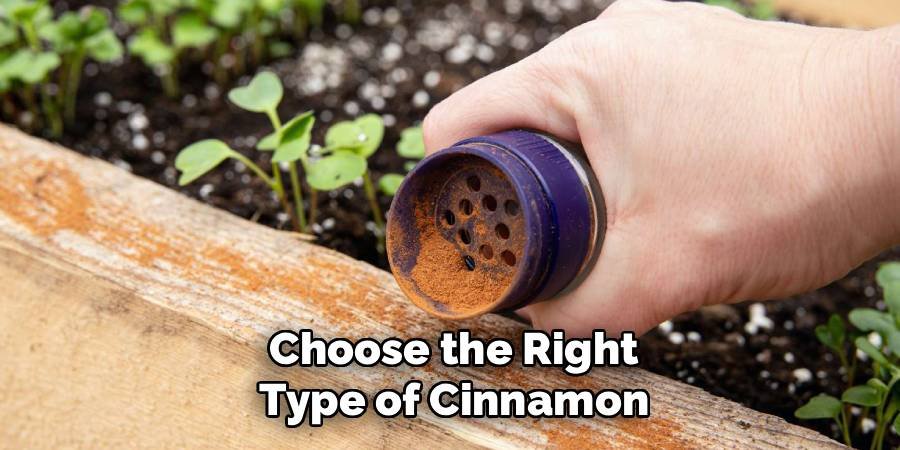
Ceylon cinnamon is considered the best type, but regular cassia cinnamon works well too. Avoid cinnamon that has added sugar or other ingredients. You need pure cinnamon powder for healthy plants.
Step 2: Prepare Your Plants and Work Area
Before you plant cinnamon on your houseplant, keep your work area clean. Remove any dead or damaged leaves from your plant. This will prevent the spread of disease and help the cinnamon work more effectively. Carefully inspect your plants for signs of fungal problems, such as white spots, brown spots, or soft, mushy areas. Clean your hands and any tools you use. This will prevent you from accidentally spreading the problem from one plant to another. Have a small spoon or shaker ready to apply the cinnamon evenly.
Step 3: Apply Cinnamon to Soil Surface
Sprinkle a thin layer of cinnamon powder directly onto the soil around your plants. This creates a protective barrier that prevents fungal spores from taking hold in the soil. Cinnamon also prevents mosquitoes and other small insects from laying eggs in the soil. Don’t use too much cinnamon – a light dusting is enough. Too much can sometimes interfere with watering, as it can create a water-repellent layer on top of the soil.
Step 4: Dust Leaves and Stems
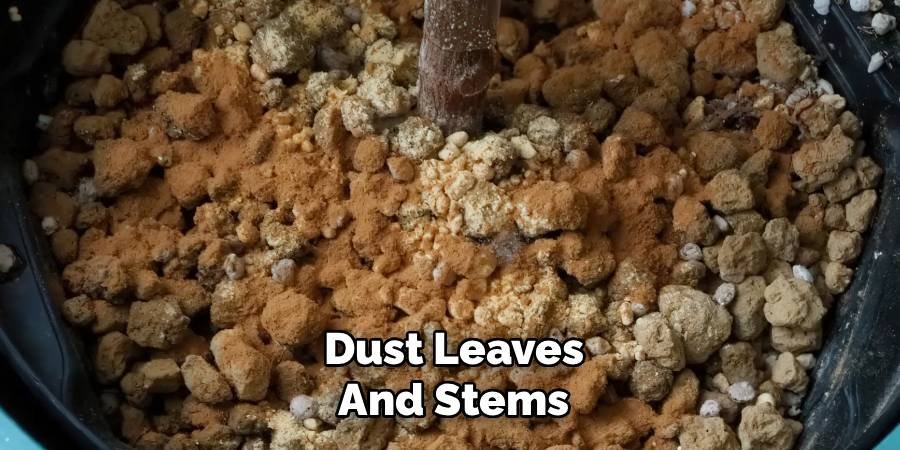
Gently rub cinnamon powder onto the leaves and stems of your plant. Apply it lightly with a soft brush or your fingers. Pay special attention to where the leaves meet the stems, as these spots are often the first areas to develop fungal problems. Be careful when applying cinnamon to the leaves. You don’t want to damage the delicate tissue of the plant. You only need a light coating to get the protective benefits.
Step 5: Treat Cut Areas and Wounds
If you have recently pruned your tree or notice any cuts or damaged areas, apply cinnamon directly to these spots. Cinnamon acts as a natural bandage, protecting open wounds from bacterial and fungal infections. This is especially important for trees that have been newly planted or have damaged roots. Gently press the cinnamon onto the cut area so that it adheres. This creates a seal that helps prevent problems while the tree heals.
Step 6: Mix Cinnamon into Potting Soil
When repotting or planting new plants, mix a small amount of cinnamon powder into your potting soil. This will protect your plants from the start. Use about one teaspoon of cinnamon per cup of potting soil. This method is especially helpful for plants that are prone to root rot or have fungal problems. The cinnamon in the soil creates a healthy environment for strong root growth.
Step 7: Create Cinnamon Water Treatment
You can also make a cinnamon water solution for your plants. Mix a teaspoon of cinnamon powder in a cup of warm water and let it sit for a few hours, then strain the powder. Use this cinnamon water to water your plants or spray it on the leaves. This liquid solution works better for tender and sensitive plants than the powder. It is also easier to apply to plants with very soft leaves.
Step 8: Repeat Treatment as Needed
Reapply cinnamon to your houseplants every two to three weeks, or whenever you notice that the previous application has worn off. After watering, you may need to reapply cinnamon to the soil surface. Regular treatment will keep your plants protected at all times. Monitor your plants closely after starting the cinnamon treatment. Within a few weeks, you should notice fewer fungal problems and healthier growth.

Benefits of Using Cinnamon on Houseplants
There are many wonderful benefits to using cinnamon on houseplants. It prevents common fungal diseases that can kill houseplants. Root rot, leaf spot, and wilt are all problems that cinnamon can help prevent. Cinnamon also helps control small pests like mites. These tiny insects lay their eggs in moist soil, but cinnamon makes the environment less attractive to them. This means fewer pesky insects flying around your home. Another great benefit is that cinnamon is completely safe for homes with children and pets. You don’t have to worry about toxic chemicals or harmful fumes. This makes it suitable for use indoors.
Common Mistakes to Avoid
Many people make mistakes when learning to use cinnamon on houseplants. A common mistake is to overdo it. A light coating works better than a light coating. Too much cinnamon can sometimes prevent proper air circulation around the plant.
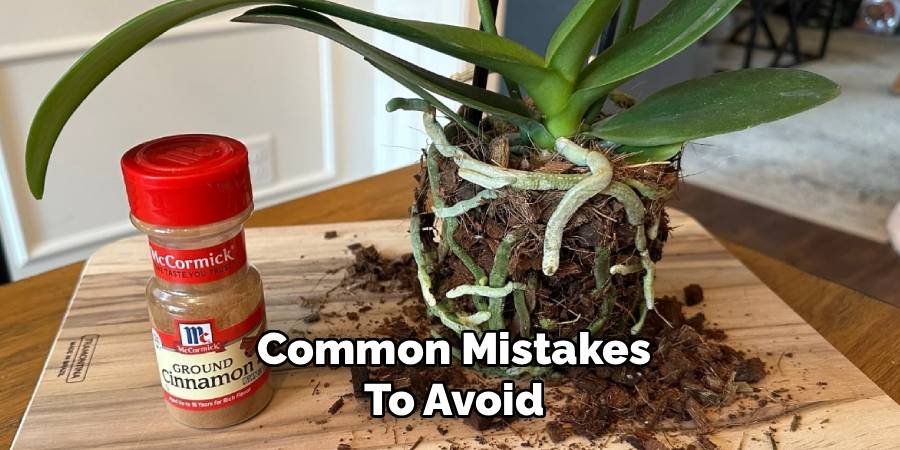
Another mistake is to use old, stale cinnamon. Fresh cinnamon has strong protective properties. Check the date on your cinnamon and replace it if it is more than two years old. Be sure to test the cinnamon on a small area of the sensitive plant first. While cinnamon is generally safe, some very delicate plants may react badly to any new treatment.
Best Plants for Cinnamon Treatment
Most houseplants benefit from a cinnamon treatment, but some plants respond particularly well. Succulents and cacti love cinnamon because their roots tend to rot in wet conditions. Cinnamon helps keep their roots healthy and dry. Seedlings and young trees also benefit greatly from cinnamon protection. They are more vulnerable to fungal attacks, and cinnamon gives them the protection they need to grow strong. Indoor herbs, such as basil and mint, respond well to cinnamon treatment. It keeps them healthy without affecting their taste or cooking safety.
Frequently Asked Questions (FAQs)
Q1: How often should I apply cinnamon to my houseplants?
For best results, apply cinnamon to your houseplants every 2-3 weeks. Reapply after heavy watering or when you notice that the previous application has disappeared. Regular application maintains protection from fungal problems.
Q2: Can cinnamon harm my houseplants?
Cinnamon is generally very safe for houseplants when used properly. Use a light application rather than heavy coating. Test on a small area first if you have very sensitive plants. Avoid getting cinnamon in plant crowns where water collects.
Q3: What type of cinnamon works best for plants?
Cinnamon powder works best for houseplant care. Ceylon cinnamon is ideal, but regular cassia cinnamon works well too. Avoid cinnamon with sugar or other ingredients. Fresh cinnamon powder has stronger antifungal properties than the aged spice.
Q4: Can I use cinnamon sticks instead of powder?
Cinnamon powder is much more effective than cinnamon sticks for tree care. The powder spreads evenly and makes better contact with the soil and tree surface. If you only have sticks, grind them into a powder first for best results.
Q5: Will cinnamon change the pH of my soil?
Cinnamon has a very small effect on soil pH when used at the recommended rate. It will not significantly change the growth conditions of your plants. However, avoid using excessive amounts, which can affect soil chemistry over time.
Conclusion
Learning how to use cinnamon on houseplants opens up a world of natural plant care possibilities. This common kitchen spice provides powerful protection against fungal diseases, root rot, and insect problems without any harmful chemicals. The eight simple steps outlined in this guide make it easy for anyone to start using cinnamon effectively on their houseplants.
Regular application of cinnamon creates a protective barrier that keeps plants healthy and strong. From preventing wilt in seedlings to protecting mature plants from root rot, cinnamon has proven itself as a versatile and safe plant care solution. Cinnamon’s natural antifungal and antibacterial properties make it an ideal choice for maintaining healthy houseplants.
Be sure to use fresh cinnamon powder, apply it lightly and regularly, and monitor your plants for positive results. With consistent use, you will notice healthier plants, fewer insect problems, and stronger growth. Start incorporating cinnamon into your plant care routine today and discover why so many plant enthusiasts swear by this natural remedy to keep their houseplants thriving.

About Ravuk Barg
B.Sc. Horticulture Science | Certified Master Gardener
Ravuk Barg has spent more than a decade with his hands in the soil and his head full of questions about why some gardens thrive while others struggle. What started as a single raised bed of tomatoes and basil in a modest backyard has grown into a deep, working knowledge of everything from seed germination and soil amendment to companion planting and seasonal pruning.
Over the years, Ravuk has gardened through drought summers, waterlogged springs, and pest invasions that would make most gardeners hang up their trowels for good. Those hard seasons, he’ll tell you, taught him more than any perfect growing year ever could. He writes from that earned experience—covering vegetable growing, ornamental planting, houseplant care, composting, and garden design with equal confidence and curiosity.
Philosophy & Approach
Ravuk’s approach to gardening is rooted in practicality. He favors organic methods not out of dogma, but because they work long-term—resulting in healthier soil, fewer inputs, and stronger plants. He has a particular fondness for heirloom vegetable varieties (the kind with proper flavor), unruly cottage-style flower beds, and the stubborn houseplants that everyone else gave up on.
The Mission: Give readers the honest, experience-backed advice that helps them actually succeed in their gardens—not just the ideal version, but the real one; weeds, failures, and all.
Education & Credentials
-
B.Sc. in Horticulture Science
-
Greenfield Agricultural University
-
Focus: Plant Physiology, Soil Ecology, and Sustainable Crop Production
-
-
Master Gardener Certification
-
Cooperative Extension Service
-
Focus: 200+ hours of hands-on practical training and community garden work
-
Continuing Education
-
Organic Pest Management
-
Native Plant Landscaping
-
Sustainable Crop Production