

Do you want to improve your garden soil and make your plants stronger? Biochar is a special type of charcoal that can make your garden look amazing. Many gardeners are learning to use Biochar in their gardens because it helps plants grow better and keeps the soil healthy for many years.
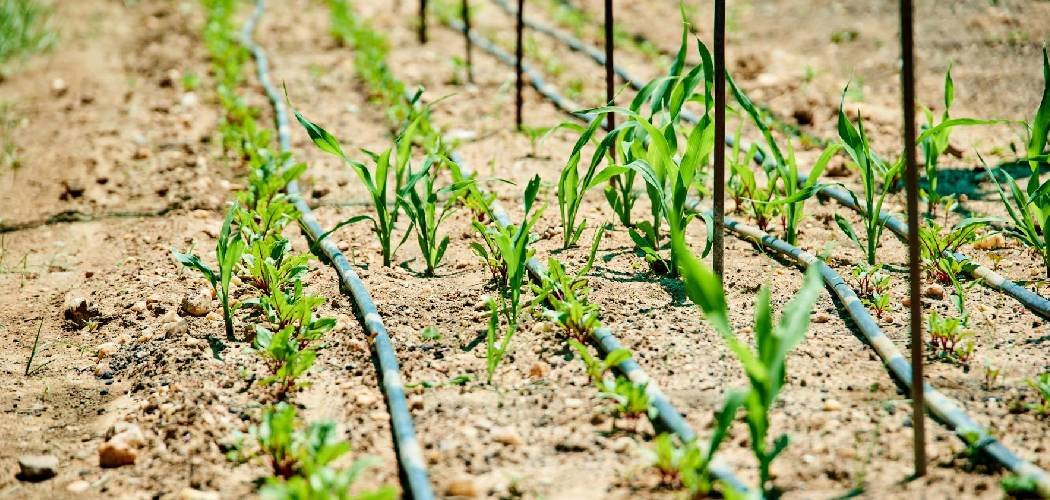
Many gardeners create Biochar by burning wood or plant materials without much oxygen. This creates a black, porous material that looks like charcoal. When you add Biochar to your garden soil, it helps retain water and nutrients that plants need. It also allows good bacteria live in your soil.
In this guide, you will learn how to use Biochar in your garden by following simple steps. Whether you are new to gardening or have been growing plants for years, Biochar can help your garden be more successful.
What is Biochar and Why Use It?
Biochar is a type of charcoal that is specifically designed for soil. Unlike regular charcoal used for cooking, Biochar is designed for plants and soil. It has tiny pores that retain water and plant food, making it perfect for gardening.
When you learn to use Biochar in your garden, you will gain many benefits:
- Better water holding: Biochar acts like a sponge, keeping water in the soil longer
- More nutrients: It holds plant food and releases it slowly to plants
- Healthier soil life: Good bacteria and fungi grow better with Biochar
- Improved soil structure: Heavy clay soil becomes lighter, and sandy soil holds more water
- Long-lasting benefits: Biochar stays in the soil for hundreds of years
Many gardeners who know how to use Biochar in their garden report bigger vegetables, more flowers, and healthier plants overall.
10 Steps Guide on How to Use Biochar in Your Garden
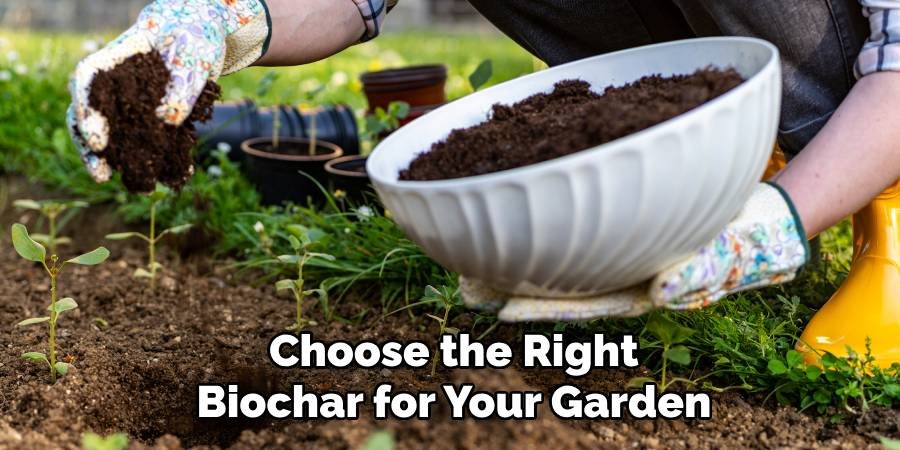
Step 1: Choose the Right Biochar for Your Garden
Not all Biochar is the same. When learning how to use Biochar in your garden, start by choosing a good-quality biochar. Look for Biochar that is:
- Made of wood or plant materials
- Has small pieces (about the size of a grain of rice)
- Looks black and light
- Comes from a trusted company
You can buy Biochar at garden stores, online, or from local farms where it is made. Some gardeners make their own Biochar, but it is easier to buy it when you are just starting.
Step 2: Test Your Soil Before Adding Biochar
Before you learn how to use Biochar effectively in your garden, test your soil. This will help you know what your plants need. You can purchase a simple soil testing kit from a garden store.
Check for:
- Soil pH (how acidic or basic your soil is)
- Nutrient levels (nitrogen, phosphorus, potassium)
- Soil type (clay, sand, or loam)
Write down your test results. This information will help you determine how much Biochar to use and what other things your soil may need.
Step 3: Prepare Your Biochar Before Use
Before you can plant raw Biochar in your garden, it needs to be prepared. This step is very important when learning how to properly use Biochar in your garden.
Soak your Biochar in water for 24 hours. This helps remove dust and prepares it to hold nutrients. Some gardeners soak the Biochar in liquid manure or compost tea to give it extra nutrients.
After soaking, drain the water but keep the Biochar moist. Wet Biochar mixes more easily with the soil and creates less dust.
Step 4: Calculate How Much Biochar You Need
Knowing the correct amount is important to learning how to successfully use Biochar in your garden. Using too little Biochar will not yield much benefit, and using too much can cost more than necessary.
For most gardens, use this simple rule:
- New gardens: Mix 10-20% biochar into your soil.
- Existing gardens: Add 5-10% biochar to the top layer.
- Container plants: Use 10-15% biochar in your potting mix.
To calculate: If you have 10 bags of soil, add 1-2 bags of Biochar for a new garden, or one bag for an existing garden.
Step 5: Mix Biochar with Compost
One of the best ways to learn how to use Biochar in your garden is to mix it with compost first. This mixture works better than using Biochar alone.
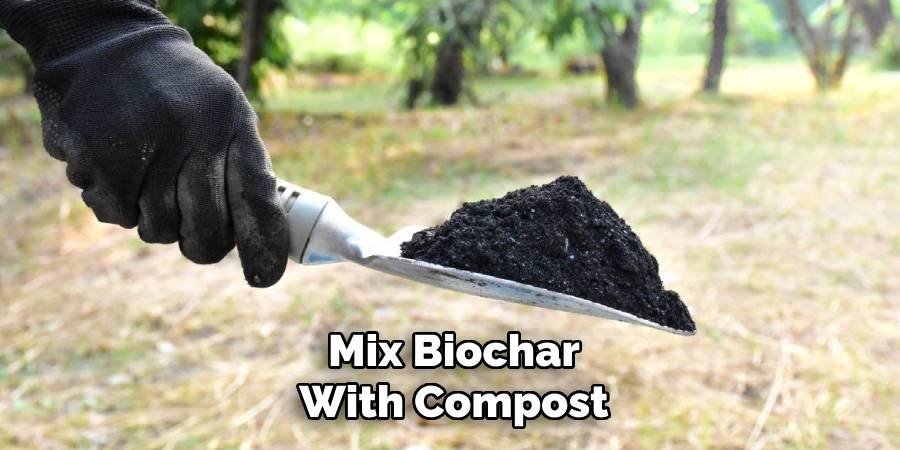
Mix equal parts biochar and compost in a wheelbarrow or large container. The compost feeds the good bacteria that live in the Biochar. This mixture adds more nutrients to your soil.
Let this mixture sit for at least a week before using. Some gardeners make this mixture in the fall and use it in the spring.
Step 6: Add Biochar to Garden Beds
Now you are ready to add Biochar to your garden beds. This is an important part of learning how to use Biochar effectively in your garden.
For new garden beds:
- Spread the biochar-compost mixture evenly over the soil.
- Use a shovel or garden fork to incorporate it into the top 6-8 inches of soil.
- Water lightly after mixing.
For existing gardens:
- Carefully apply the mixture around existing plants.
- Pay attention to the spaces between the plants where the roots can reach.
- Avoid disturbing the plant roots too much.
Step 7: Water Your Garden After Adding Biochar
After applying Biochar, water your garden thoroughly. This helps the Biochar settle into the soil and begin to work. Once you understand how to use Biochar in your garden, you will realize that water helps activate its benefits.
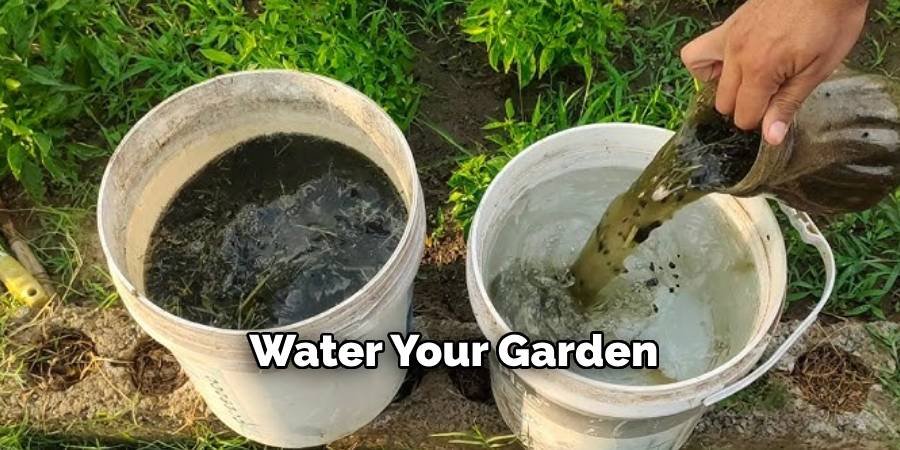
Water slowly and deeply rather than spraying quickly. This helps the water absorb into the tiny pores of the Biochar. The Biochar will immediately begin to hold water and nutrients.
Check the soil moisture for the first few weeks. Gardens with Biochar may require a different watering schedule as the soil learns to hold more water.
Step 8: Plant or Transplant After Biochar Application
You can plant seeds or transplant plants immediately after adding Biochar to your garden. Learning how to use Biochar in your garden includes knowing that it will not harm plants if used correctly.
Planting time:
- Dig holes as usual for planting seedlings
- Plant seeds at normal depth
- Water well to help new plants establish in biochar-rich soil
Many gardeners notice that plants grow faster and stronger in soil using Biochar. The roots grow better because they can find water and nutrients more easily.
Step 9: Add More Organic Matter Regularly
Part of learning how to successfully use Biochar in your garden is understanding that Biochar works best with other organic materials. Add compost, aged manure, or leaf mold to your garden each season.
These organic substances:
- Feed the bacteria living in the Biochar
- Add more nutrients to the soil
- Help the Biochar work better over time
Plan to add organic matter at least twice a year – in the spring and fall. This will keep your biochar-rich soil healthy and productive.
Step 10: Monitor Your Garden’s Progress
The final step in learning how to use Biochar in your garden is to watch how your plants respond. Keep an eye on the changes you notice:
- How fast do plants grow
- Size and quality of vegetables and fruits
- How often to water
- Overall plant health and color
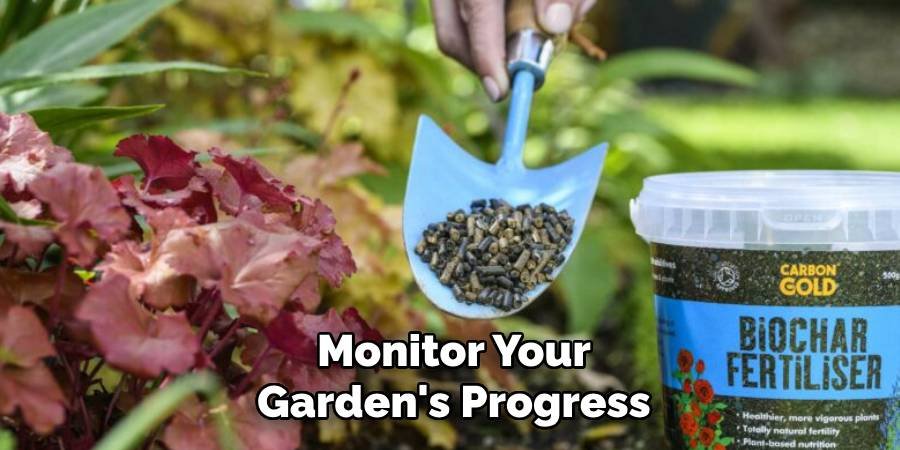
Take notes or photos to remember what works best. Most gardeners see improvements within the first growing season, but biochar benefits increase over time.
Tips for Success with Biochar
The following are helpful tips for learning how to successfully use Biochar in your garden:
Start Small: Try using Biochar in a small garden bed first. This will allow you to see how it works before using it all over.
Be Patient: The benefits of biochar increase over time. You may see some changes immediately, but the best results will come after a few months.
Keep Adding Organic Matter: Organic fertilizer works best when mixed with compost and other organic matter.
Watch Your Watering: Watering schedules may vary for gardens with Biochar. Pay attention to soil moisture.
Store Biochar Properly: Store unused Biochar in a dry place. Wet Biochar can grow mold if stored improperly.
Common Mistakes to Avoid
When learning to use Biochar in your garden, avoid these common mistakes:
- Using too much Biochar at once
- Adding Biochar without compost or organic matter
- Forgetting to soak the Biochar before use
- Expecting instant results
- Using low-quality Biochar
Conclusion
Learning how to use Biochar in your garden can transform the success of your garden. This amazing soil amendment helps your plants grow stronger, saves water, and improves soil health for years to come. By following the 10 easy steps in this guide, you can start using Biochar in your garden right now.
Keep in mind that Biochar works best when mixed with compost and other organic matter. Start with a small amount in a section of your garden and see the results for yourself. With patience and proper application, Biochar will help you create the healthy, productive garden you’ve always wanted.
The benefits of knowing how to use Biochar in your garden go beyond just better plants. You’re also helping the environment by storing carbon in your soil and reducing the need for chemical fertilizers. Your garden will become more sustainable and resilient with each growing season.
Take the first step today by purchasing some quality biochar and using it in your garden. Armed with the knowledge you’ve gained from this guide, you’re ready to unleash the amazing benefits that Biochar can bring to your garden’s success.

About Ravuk Barg
B.Sc. Horticulture Science | Certified Master Gardener
Ravuk Barg has spent more than a decade with his hands in the soil and his head full of questions about why some gardens thrive while others struggle. What started as a single raised bed of tomatoes and basil in a modest backyard has grown into a deep, working knowledge of everything from seed germination and soil amendment to companion planting and seasonal pruning.
Over the years, Ravuk has gardened through drought summers, waterlogged springs, and pest invasions that would make most gardeners hang up their trowels for good. Those hard seasons, he’ll tell you, taught him more than any perfect growing year ever could. He writes from that earned experience—covering vegetable growing, ornamental planting, houseplant care, composting, and garden design with equal confidence and curiosity.
Philosophy & Approach
Ravuk’s approach to gardening is rooted in practicality. He favors organic methods not out of dogma, but because they work long-term—resulting in healthier soil, fewer inputs, and stronger plants. He has a particular fondness for heirloom vegetable varieties (the kind with proper flavor), unruly cottage-style flower beds, and the stubborn houseplants that everyone else gave up on.
The Mission: Give readers the honest, experience-backed advice that helps them actually succeed in their gardens—not just the ideal version, but the real one; weeds, failures, and all.
Education & Credentials
-
B.Sc. in Horticulture Science
-
Greenfield Agricultural University
-
Focus: Plant Physiology, Soil Ecology, and Sustainable Crop Production
-
-
Master Gardener Certification
-
Cooperative Extension Service
-
Focus: 200+ hours of hands-on practical training and community garden work
-
Continuing Education
-
Organic Pest Management
-
Native Plant Landscaping
-
Sustainable Crop Production