

The sickle is a traditional gardening tool with a curved blade, perfect for harvesting grains, clearing weeds, and managing overgrown areas of your garden. Its unique design allows for precise cuts close to the ground, making it an efficient alternative to larger, powered equipment for small-scale tasks. For home gardeners and beginners, learning how to use a sickle can feel a bit intimidating due to its sharp, hooked blade. However, with the right technique and proper safety precautions, you will find it is a versatile and satisfying tool to use.
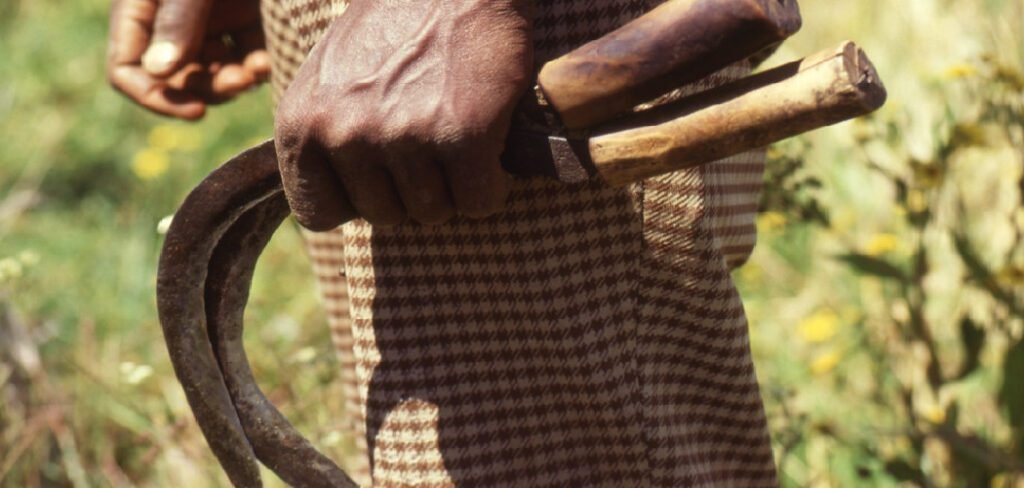
This guide will walk you through everything you need to know to master this ancient and effective gardening implement.
Why a Sickle is Still Relevant Today
In an age of power tools and complex machinery, you might wonder why a simple, handheld tool like a sickle remains a valuable part of a gardener’s toolkit. The answer lies in its precision, simplicity, and connection to the land. Unlike a string trimmer, which can indiscriminately shred plants and fling debris, a sickle allows for a clean, controlled cut.
This is ideal for harvesting delicate herbs, grains, or cutting weeds around valuable plants without causing collateral damage. It operates silently, requires no fuel, and produces no emissions, making it an eco-friendly choice. Using a sickle also fosters a deeper physical engagement with your garden, promoting mindfulness and a greater appreciation for the task at hand.
8 Step-by-Step Guide on How to Use a Sickle
Step 1: Gear Up for Safety
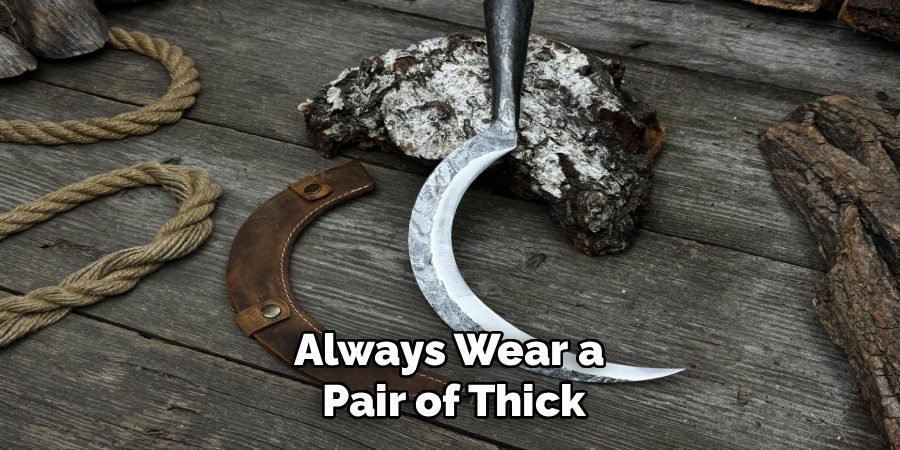
Before you even pick up the sickle, your first priority is safety. The blade is exceptionally sharp and its curved shape requires careful handling. Always wear a pair of thick, durable gardening gloves, preferably made of leather or a similarly tough material, to protect your hands from accidental slips. It is also wise to wear sturdy, closed-toe shoes to shield your feet from the blade or falling plant matter. Long pants can offer an extra layer of protection for your legs, especially when you are working in dense, tall vegetation.
Step 2: Inspect Your Sickle
A well-maintained tool is a safe and effective tool. Before each use, take a moment to inspect your sickle. Check that the blade is securely attached to the handle, with no wobbling or looseness. Examine the blade itself for any signs of rust, nicks, or dullness. A sharp blade is crucial, as it cuts cleanly through stems rather than tearing them. A dull blade requires more force, which increases the risk of the tool slipping and causing injury. If the blade is dull, sharpen it using a whetstone before you begin your work.
Step 3: Assume the Correct Stance
Your body position is key to using a sickle efficiently and safely. Stand with your feet shoulder-width apart to create a stable base. When you address the plants you intend to cut, you should be able to reach them comfortably without overextending or losing your balance. Bend at your knees and hips, keeping your back relatively straight, similar to a squatting position. This posture protects your back from strain and gives you better control over your movements, allowing you to generate power from your core and legs, not just your arm.
Step 4: Grip the Sickle Firmly
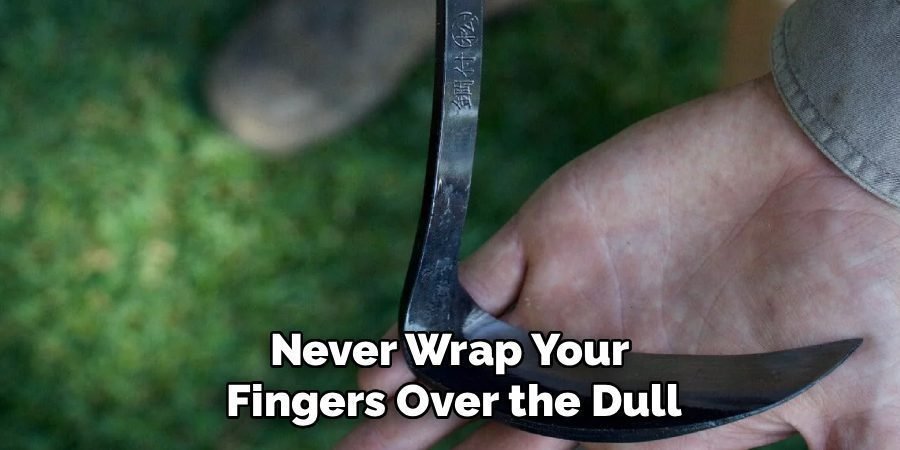
Hold the sickle in your dominant hand with a firm, confident grip. Your fingers should wrap securely around the handle, with your thumb resting along the top or side for added stability. Your grip should be tight enough to prevent the tool from slipping but relaxed enough to avoid straining your wrist and forearm. Never wrap your fingers over the dull, back edge of the blade. This ensures you maintain complete control throughout the cutting motion and can react quickly if needed.
Step 5: Gather the Stems
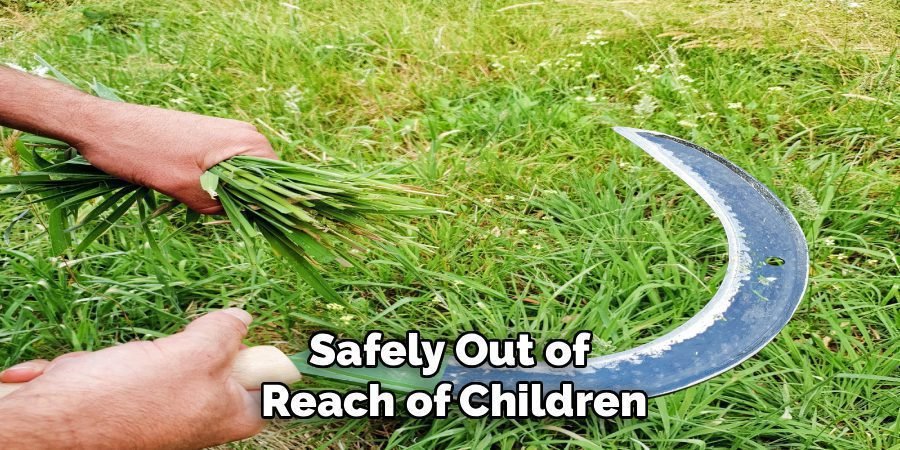
With your non-dominant hand, reach down and gather a bundle of the grass, weeds, or grain stems you want to cut. Grasp them firmly a few inches above the ground. It is critical to keep the hand holding the stems well away from the intended cutting path of the sickle blade. Bunching the stems together like this provides resistance and allows the sickle to slice through them cleanly in a single, efficient motion, rather than hacking at individual stalks.
Step 6: Perform the Cutting Stroke
This is the core technique for how to use a sickle. Position the curved part of the blade around the base of the gathered stems. In a smooth, pulling motion, draw the sickle towards your body. The cut should be a slicing action, not a hacking or chopping one. The inward curve of the blade is designed to trap and slice the stems as you pull. Always cut away from your body and be acutely aware of where your other hand, legs, and feet are. A controlled, deliberate swipe is much safer and more effective than a wild swing.
Step 7: Clear Away Cuttings as You Go
As you work, piles of cut vegetation will accumulate. To maintain a safe and clear workspace, pause periodically to move the cuttings out of your path. This prevents you from tripping over the debris and ensures you have a clear view of the ground you are about to work on. A clear area helps you avoid hidden obstacles like rocks or uneven ground that could cause you to lose your footing. You can rake the cuttings into a pile for composting or disposal once you have finished the entire area.
Step 8: Clean and Store Your Sickle Properly
Once your gardening task is complete, proper tool care is essential for longevity. Clean any sap, dirt, or plant residue from the blade using a stiff brush and water. Dry the sickle thoroughly with a cloth to prevent rust from forming, paying special attention to the area where the blade meets the handle. For extra protection, you can wipe the metal blade with a light coating of camellia oil or similar lubricating oil. Store the sickle in a dry place, safely out of reach of children, preferably with a sheath covering the blade.
Frequently Asked Questions (FAQ)
What Is the Difference Between a Sickle and a Scythe?
While both are ancient harvesting tools with curved blades, their primary difference lies in size and use. A sickle has a short handle and a C-shaped blade, designed for one-handed use while squatting or bending. It is ideal for small, precise tasks like harvesting grain or clearing weeds in a garden bed. A scythe, conversely, has a very long, curved blade attached to a long handle with grips for two hands. It is used while standing upright and is designed for mowing large fields of grass or grain with a wide, sweeping motion.
How Often Should I Sharpen My Sickle?
The frequency of sharpening depends on how often you use the sickle and what you are cutting. For regular gardening, a good sharpening at the beginning of the season might suffice. However, if you are cutting tough, woody weeds or using the tool for several hours at a time, you may need to touch up the edge more often. A good rule of thumb is to sharpen it whenever you feel you need to apply more force to make a cut. A sharp blade works more efficiently and is significantly safer to use.
Can a Sickle Be Used on Small Tree Branches?
A sickle is not the right tool for cutting tree branches, even small ones. Its blade is designed for slicing through soft, non-woody plant stems like grasses, grains, and herbaceous weeds. Attempting to cut wood with a sickle can damage the blade, causing it to chip or break. More importantly, it is dangerous, as the tool is likely to slip or bounce off the hard surface of the branch, potentially leading to a serious injury. For pruning branches, use appropriate tools like pruning shears, loppers, or a saw.
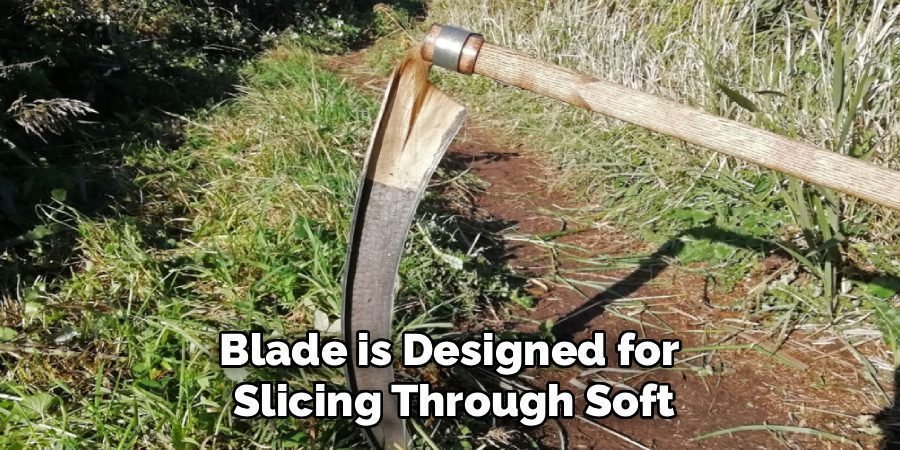
Are There Different Types of Sickles?
Yes, there are many variations of sickles, often based on regional traditions and specific uses. For example, the Japanese Kama has a very sharp, thin blade set at a slight angle, excellent for harvesting rice or delicate herbs. Other sickles might have serrated blades, which are particularly good at gripping and cutting tough, fibrous grasses. Some are designed more for weeding, with a heavier, more durable blade. When choosing a sickle, consider what you will primarily be using it for to select the best design for your needs.
What Is the Safest Way to Carry a Sickle?
When walking with a sickle, you should always carry it with the blade pointed down and away from your body. Hold it by the handle with the sharp edge facing backward, away from your direction of travel. Never run or rush while carrying it. If you need to transport it in a vehicle or store it with other tools, it is best to have a sheath or cover for the blade. This protects both you and the blade itself from accidental damage or injury. Always treat the tool with respect for its sharpness.
Conclusion
The sickle is more than just an old-fashioned tool; it is a highly effective, precise, and rewarding implement for any gardener to master. By prioritizing safety, maintaining your tool, and using the proper stance and cutting motion, you can handle a wide range of tasks with ease and efficiency. From clearing stubborn weeds to harvesting your own grain, the sickle offers a level of control that modern power tools often lack. We hope this guide has given you the confidence to learn how to use a sickle and discover the unique satisfaction that comes from working with this timeless gardening classic.

About Ravuk Barg
B.Sc. Horticulture Science | Certified Master Gardener
Ravuk Barg has spent more than a decade with his hands in the soil and his head full of questions about why some gardens thrive while others struggle. What started as a single raised bed of tomatoes and basil in a modest backyard has grown into a deep, working knowledge of everything from seed germination and soil amendment to companion planting and seasonal pruning.
Over the years, Ravuk has gardened through drought summers, waterlogged springs, and pest invasions that would make most gardeners hang up their trowels for good. Those hard seasons, he’ll tell you, taught him more than any perfect growing year ever could. He writes from that earned experience—covering vegetable growing, ornamental planting, houseplant care, composting, and garden design with equal confidence and curiosity.
Philosophy & Approach
Ravuk’s approach to gardening is rooted in practicality. He favors organic methods not out of dogma, but because they work long-term—resulting in healthier soil, fewer inputs, and stronger plants. He has a particular fondness for heirloom vegetable varieties (the kind with proper flavor), unruly cottage-style flower beds, and the stubborn houseplants that everyone else gave up on.
The Mission: Give readers the honest, experience-backed advice that helps them actually succeed in their gardens—not just the ideal version, but the real one; weeds, failures, and all.
Education & Credentials
-
B.Sc. in Horticulture Science
-
Greenfield Agricultural University
-
Focus: Plant Physiology, Soil Ecology, and Sustainable Crop Production
-
-
Master Gardener Certification
-
Cooperative Extension Service
-
Focus: 200+ hours of hands-on practical training and community garden work
-
Continuing Education
-
Organic Pest Management
-
Native Plant Landscaping
-
Sustainable Crop Production