

Walking out to your vegetable patch only to find it overrun with unwelcome plants can feel disheartening. It’s a common challenge for gardeners everywhere, but with a solid plan, you can reclaim your space and set your vegetables up for success. This guide will walk you through exactly how to clear a vegetable garden full of weeds, transforming it from a tangled mess back into a productive plot.
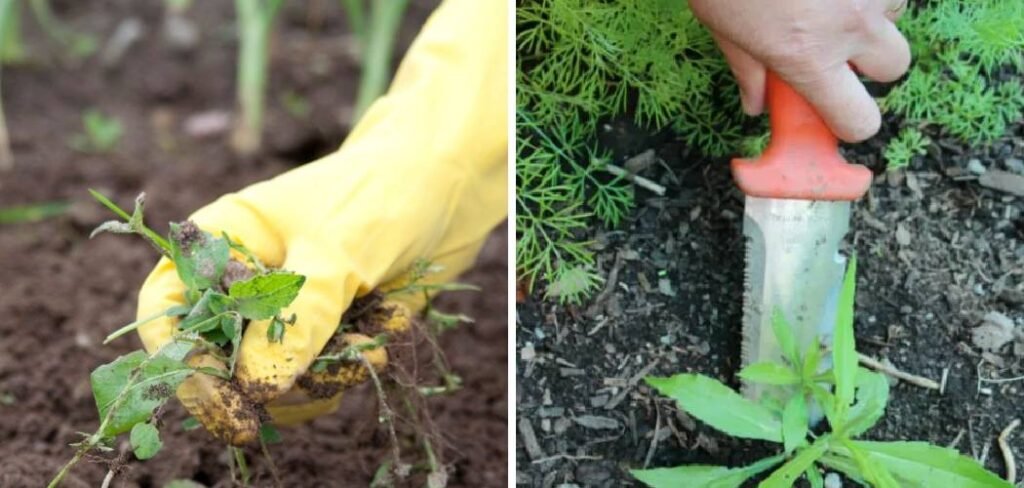
We will cover everything from identifying the culprits to preparing the soil for your next planting. Think of this not as a chore, but as the first step toward a healthier, more bountiful harvest. Let’s get our hands dirty and give your vegetables the weed-free environment they deserve.
Why Clearing Weeds Is Essential
Weeds are more than just an eyesore; they are fierce competitors for the resources your vegetables need to thrive. These invasive plants aggressively consume water, sunlight, and vital soil nutrients, effectively starving your crops. A single large weed can absorb the water intended for several vegetable plants, leading to stunted growth and a disappointing harvest. Furthermore, a dense patch of weeds can create a humid, stagnant environment that becomes a breeding ground for pests and diseases. By allowing weeds to flourish, you inadvertently invite problems like aphids, spider mites, and fungal infections that can quickly spread to your precious vegetables. Clearing them out is a crucial act of garden hygiene.
7 Step Method Guide on How to Clear a Vegetable Garden Full of Weeds
Step 1: Assess the Situation and Gear Up
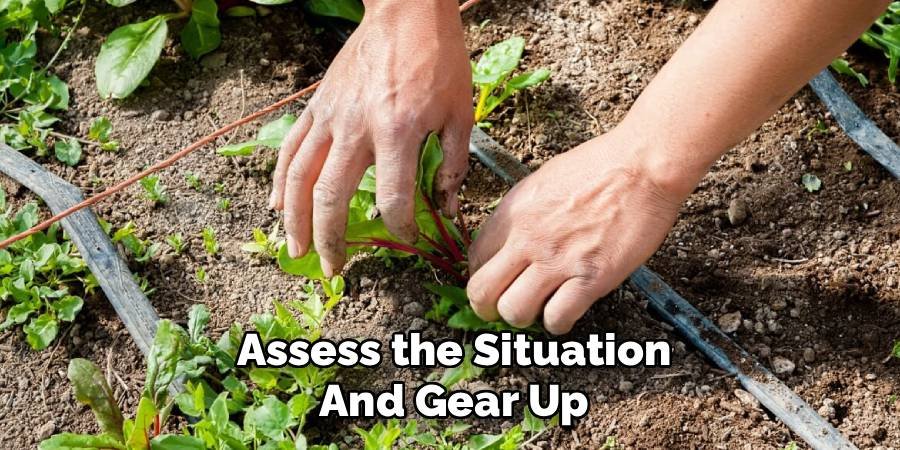
Before you pull a single weed, take a moment to assess the scale of the problem. Are you dealing with young, tender weeds or established plants with deep roots? Identifying the types of weeds can also inform your approach. Annual weeds like chickweed are easier to remove than persistent perennials like bindweed or thistle. Once you understand the challenge, gather your tools. You will need a good pair of gardening gloves to protect your hands, a sturdy garden fork or broadfork for loosening soil, a trowel for precision work, and a wheelbarrow or bucket to collect the debris. Proper preparation makes the entire process more efficient.
Step 2: Moisten the Soil
Never try to pull weeds from dry, compacted earth. You will likely snap the stems, leaving the roots behind to regrow with a vengeance. The key to effective removal is to water the garden bed thoroughly a day or two before you plan to start weeding. Moist soil is looser and more pliable, allowing you to pull out the entire root system intact. This single step dramatically increases your success rate and reduces the physical effort required. If you’re tackling a large area, work in sections, watering one part at a time so the soil is perfectly damp when you get to it.
Step 3: Start with the Largest Weeds
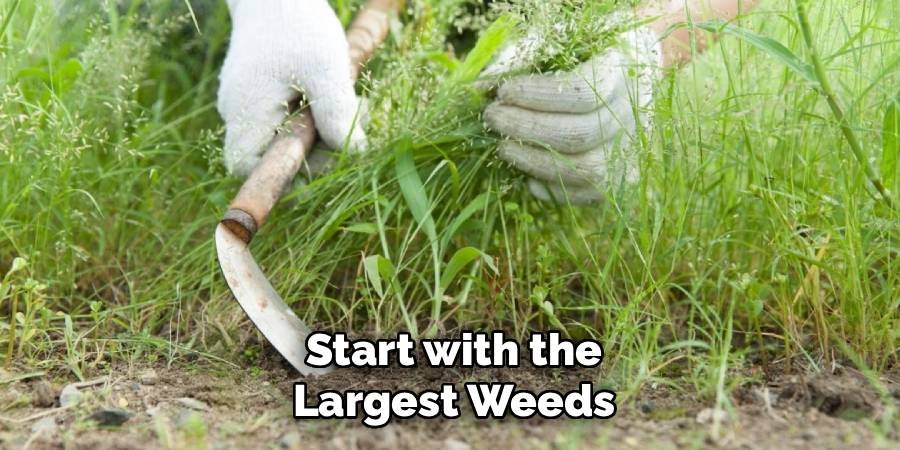
Begin by targeting the largest and most established weeds. These are the biggest resource hogs and often have extensive root systems that need to be removed carefully. Use a garden fork to gently lever the soil around the base of the plant, loosening the earth without disturbing your vegetable roots too much. Once the soil is loose, grasp the weed firmly at its base and pull with a slow, steady motion. Wiggling the plant back and forth can help dislodge stubborn taproots. Removing these giants first creates immediate visual progress and makes it easier to access the smaller weeds underneath.
Step 4: Methodically Clear Section by Section
Once the big offenders are gone, the best way to handle the remaining weeds is to work methodically. Divide your garden into small, manageable sections, perhaps a two-by-two-foot square. Focus on clearing one square completely before moving to the next. This approach prevents you from feeling overwhelmed and ensures you don’t miss any smaller sprouts. Use a hand trowel or a specialized weeding tool to dig out any remaining roots. This systematic process is a core part of learning how to clear a vegetable garden full of weeds effectively, ensuring no patch is left untended.
Step 5: Sift the Soil for Roots
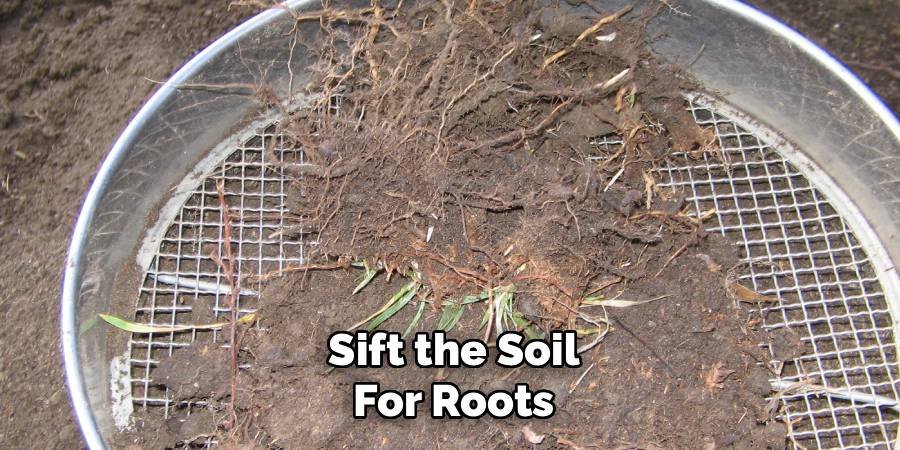
After you have pulled the visible weeds from a section, don’t assume the job is done. Many weeds, especially grasses and those with rhizomes, leave behind small root fragments that can easily resprout. Take your garden fork or even your hands and gently sift through the top few inches of soil. Look for and remove any white roots or rhizome pieces you find. While this step may seem tedious, it is one of the most critical for preventing a rapid return of the weed problem. It’s a preventative measure that saves you significant work down the line.
Step 6: Rake the Surface and Remove Debris
With the weeds and their roots gone, the next step is to clean up the surface. Use a rake to gather all the uprooted weeds, leaves, and other plant debris into a pile. It is crucial to remove this material from the garden area completely. Leaving pulled weeds on the soil surface is a mistake, as some can re-root themselves or drop mature seeds, undoing all your hard work. Put all the debris into your wheelbarrow and transport it to your compost bin. However, avoid composting weeds that have gone to seed to prevent them from spreading later.
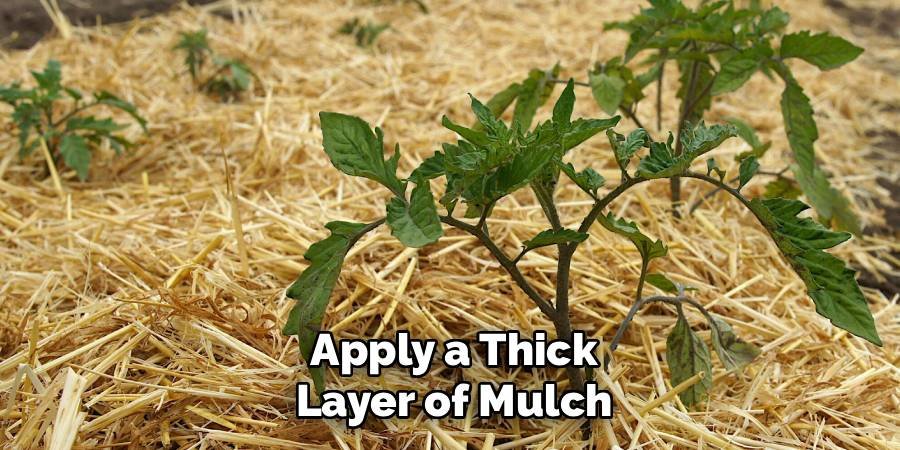
Step 7: Apply a Thick Layer of Mulch
Now that your garden is clear, the final and most important step is to apply mulch. Mulch is your best defense against new weed growth. It works by blocking sunlight, which prevents dormant weed seeds in the soil from germinating. Apply a two-to-three-inch layer of organic mulch like straw, shredded leaves, or wood chips around your vegetable plants. Be sure to leave a small gap directly around the stems of your vegetables to prevent rot. This layer not only suppresses weeds but also helps retain soil moisture and regulate soil temperature, creating a healthier environment for your crops.
Frequently Asked Questions (FAQ)
What Is the Fastest Way to Clear a Weedy Garden?
The fastest method for a large, heavily overgrown area is often sheet mulching, also known as lasagna gardening. This involves layering cardboard or several sheets of newspaper directly over the weeds, followed by layers of compost, soil, and organic mulch. This process smothers the existing weeds and their seeds by blocking sunlight, causing them to decompose and enrich the soil. While you have to wait a few months for everything to break down before planting, it requires less physical labor than pulling every weed by hand.
Can I Use Herbicides in My Vegetable Garden?
Using chemical herbicides in a vegetable garden is generally discouraged, especially for beginners. Many herbicides are non-selective, meaning they will harm or kill your vegetable plants along with the weeds. There is also the risk of chemical residue remaining in the soil and being absorbed by your edible crops. If you must use one, choose a product specifically labeled as safe for vegetable gardens and follow the application instructions precisely to minimize risk. Organic and manual methods are always the safest option.
How Do I Prevent Weeds from Coming Back?
Preventing weeds is an ongoing process. Here are a few key strategies:
- Mulch: Maintain a 2–3 inch layer of organic mulch around your plants.
- Weed Early and Often: Pull new weeds as soon as you see them, before they can establish roots or produce seeds.
- Cover Cropping: Plant a cover crop like clover or rye in the off-season to suppress weeds and enrich the soil.
- Minimize Soil Disturbance: Tilling can bring dormant weed seeds to the surface, so disturb the soil as little as possible.
What Should I Do with the Weeds I Pull?
Most pulled weeds can be added to your compost pile. They will break down and contribute valuable nutrients to your finished compost. However, you should avoid composting two types of weeds: those that have developed mature seed heads, and persistent perennial weeds with aggressive root systems (like bindweed or quackgrass). The seeds can survive the composting process and spread wherever you use the compost, and the roots may regrow. These types of weeds are best disposed of in your municipal green waste bin.
When Is the Best Time of Year to Weed a Garden?
You can and should weed your garden throughout the growing season, but the most impactful time to do a major clear-out is in the spring, just before you plant your main crops. This gives your young vegetable seedlings a clean slate and minimal competition. Another good time is in the fall after your final harvest. Clearing the garden then removes weeds that would otherwise go to seed and create a bigger problem for you the following spring. Weeding after a good rain is also ideal, as the moist soil makes a root removal much easier.
Conclusion
Reclaiming a garden from a sea of weeds is a truly satisfying project. By following these steps—from assessing the problem and moistening the soil to systematically removing weeds and applying a protective layer of mulch—you can create a clean and nurturing space for your vegetables. This process does more than just tidy up your plot; it eliminates competition for vital resources, reduces the risk of pests and disease, and sets the stage for a healthy, productive harvest. Now that you understand how to clear a vegetable garden full of weeds, you have the knowledge and confidence to tackle the job and enjoy the delicious rewards.

About Ravuk Barg
B.Sc. Horticulture Science | Certified Master Gardener
Ravuk Barg has spent more than a decade with his hands in the soil and his head full of questions about why some gardens thrive while others struggle. What started as a single raised bed of tomatoes and basil in a modest backyard has grown into a deep, working knowledge of everything from seed germination and soil amendment to companion planting and seasonal pruning.
Over the years, Ravuk has gardened through drought summers, waterlogged springs, and pest invasions that would make most gardeners hang up their trowels for good. Those hard seasons, he’ll tell you, taught him more than any perfect growing year ever could. He writes from that earned experience—covering vegetable growing, ornamental planting, houseplant care, composting, and garden design with equal confidence and curiosity.
Philosophy & Approach
Ravuk’s approach to gardening is rooted in practicality. He favors organic methods not out of dogma, but because they work long-term—resulting in healthier soil, fewer inputs, and stronger plants. He has a particular fondness for heirloom vegetable varieties (the kind with proper flavor), unruly cottage-style flower beds, and the stubborn houseplants that everyone else gave up on.
The Mission: Give readers the honest, experience-backed advice that helps them actually succeed in their gardens—not just the ideal version, but the real one; weeds, failures, and all.
Education & Credentials
-
B.Sc. in Horticulture Science
-
Greenfield Agricultural University
-
Focus: Plant Physiology, Soil Ecology, and Sustainable Crop Production
-
-
Master Gardener Certification
-
Cooperative Extension Service
-
Focus: 200+ hours of hands-on practical training and community garden work
-
Continuing Education
-
Organic Pest Management
-
Native Plant Landscaping
-
Sustainable Crop Production