

Learn how to use a lawn leveling rake effectively with our step-by-step guide. Discover 10 proven methods, tips, and techniques for creating a smooth, beautiful lawn surface.

Having a bumpy, uneven lawn can make your yard look messy and cause problems when mowing. A lawn leveling rake is a simple tool that can help you fix these issues and create a smooth, beautiful lawn. This guide will show you exactly how to use a lawn leveling rake to get the best results.
What is a Lawn Leveling Rake?
A lawn leveling rake is a special garden tool designed to smooth out bumps and fill in low spots in your lawn. Unlike regular rakes, leveling rakes have a wide, flat head that helps spread soil evenly across your yard. These tools are perfect for fixing small hills and valleys in your grass.
Most lawn leveling rakes are made from strong materials like steel or aluminum. They come in different sizes, but most are between 24 to 36 inches wide. The handle is usually long enough to use while standing up straight.
Why Use a Lawn Leveling Rake?
Using a lawn leveling rake has many benefits for your yard:
- Smoother mowing: Even lawns are much easier to cut with a lawn mower
- Better water drainage: Level ground helps water flow properly
- Safer walking: No more tripping over bumps and holes
- Prettier appearance: Smooth lawns look more professional
- Healthier grass: Even soil helps grass grow better
When to Use Your Lawn Leveling Rake
The best time to level your lawn is during the growing season when grass can recover quickly. Spring and early fall are perfect times for this work. Avoid leveling during very hot summer days or when the ground is frozen.
You should also wait for the right weather. The soil should be slightly damp but not muddy. If it’s too dry, the soil will be hard to move. If it’s too wet, you might damage your grass.
8 Methods on How to Use a Lawn Leveling Rake
Method 1: Prepare Your Lawn Area
Before you start using your lawn leveling rake, you need to prepare the area. Cut your grass shorter than usual, about 1-2 inches high. This will help you see the bumps and low spots better. Remove any sticks, rocks, or other items from the lawn.

Walk around your yard and mark the areas that need work. Use spray paint or small flags to mark bumps that need to be lowered and dips that need to be filled. This planning will make your work much easier.
Method 2: Choose the Right Soil Mix
For best results, use a mix of topsoil, compost, and sand. This mixture should be about 40% topsoil, 40% sand, and 20% compost. This blend drains well and provides nutrients for your grass.
You can buy this mix ready-made or make it yourself. Avoid using only sand or only soil, as these don’t work as well. The right mix will help your grass grow strong and healthy.
Method 3: Start with Small Areas
Don’t try to level your entire lawn at once. Start with small sections, about 10 feet by 10 feet. This makes the job easier and helps you do better work.
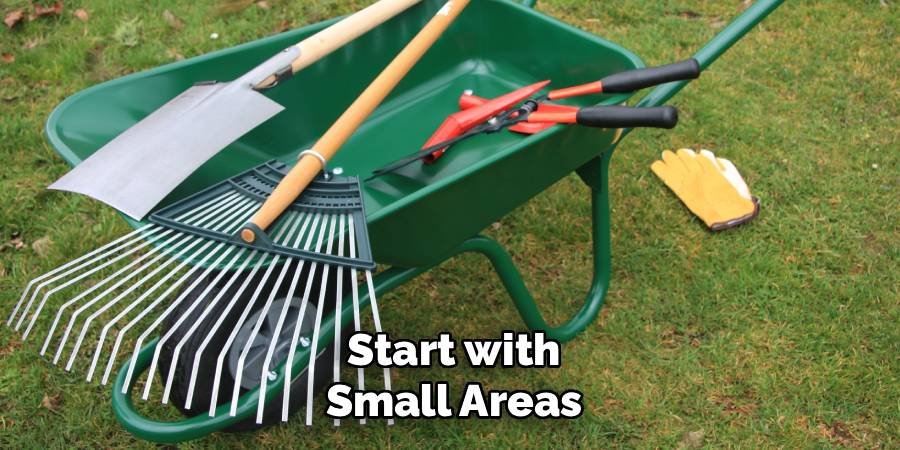
Spread a thin layer of your soil mix over the area. The layer should be no more than half an inch thick. Thicker layers can hurt your grass by blocking sunlight.
Method 4: Use the Proper Raking Technique
Hold your lawn leveling rake with both hands, one near the end of the handle and one about halfway down. Keep your back straight and use smooth, steady movements.
Pull the rake toward you in long, even strokes. Don’t push too hard or you might damage the grass roots. Work in different directions to make sure you cover all areas evenly.
Method 5: Fill Low Spots First
Before you start leveling, fill in any deep holes or low spots. Use your soil mix to bring these areas up to the same level as the rest of your lawn.
Pack the soil lightly with your hands or the back of the rake. Don’t pack it too hard, as grass roots need loose soil to grow through.
Method 6: Level High Spots Carefully
For bumps and high spots, you might need to remove some soil. Use a shovel to carefully take away extra dirt. Be gentle around grass roots to avoid killing the grass. Sometimes you can just rake the high spots to spread the extra soil to nearby low areas. This saves work and uses the soil you already have.

Method 7: Work in a Grid Pattern
To make sure you cover everything evenly, work in a grid pattern. Start at one corner of your lawn and work across in straight lines. Then go back and work in lines going the other way.
This method helps you avoid missing spots and makes sure the whole area gets the same treatment. It also helps you see your progress as you work.
Method 8: Check Your Work Often
Stop every few minutes to look at your work. Step back and see if the area looks level. You can also use a long board or straight stick to check if the surface is even.
If you see spots that still need work, fix them right away. It’s much easier to make small changes as you go than to redo large areas later.
Common Mistakes to Avoid
Many people make mistakes when learning how to use a lawn leveling rake. Here are some problems to watch out for:
Using too much soil: Adding more than half an inch of soil can kill your grass. Always use thin layers and add more later if needed.
Working on wet soil: Wet soil is heavy and sticky. It’s hard to spread evenly and can damage your lawn.
Forgetting to prepare: Skipping the preparation steps makes the job much harder and gives worse results.
Rushing the work: Take your time and do the job right. Rushing leads to uneven results and more work later.
Tools You’ll Need
Besides your lawn leveling rake, you’ll need these other tools:
- Shovel for moving soil
- Garden hose or sprinkler
- Measuring tape
- Wheelbarrow for carrying soil
- Gloves to protect your hands
Having the right tools makes the job easier and helps you get better results.
Maintenance Tips for Your Lawn Leveling Rake
Take good care of your rake so it lasts longer:
- Clean it after each use
- Store it in a dry place
- Check for loose parts regularly
- Replace worn parts when needed
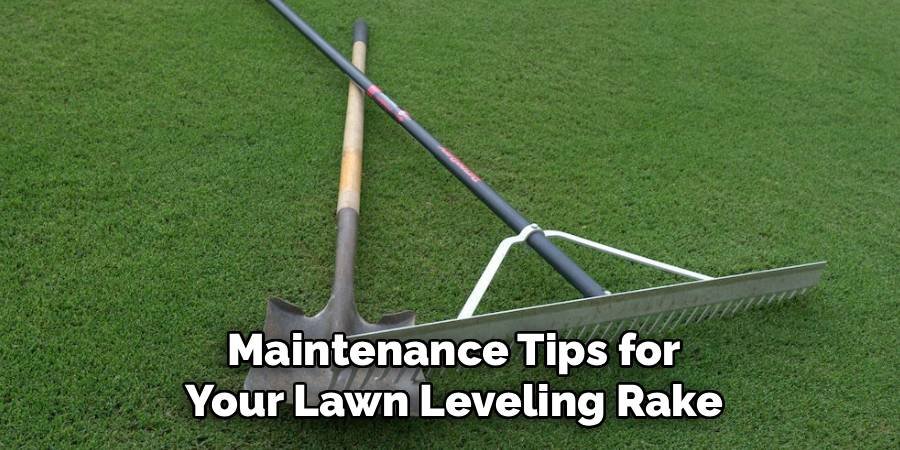
A well-maintained rake works better and makes your job easier.
FAQs
1. How often should I use a lawn leveling rake on my yard?
You should level your lawn once or twice a year, depending on how uneven it gets. Most lawns need leveling in spring and sometimes again in fall. If your yard stays pretty flat, once a year might be enough. Areas with heavy foot traffic or where water pools might need more frequent attention.
2. Can I use a lawn leveling rake on all types of grass?
Yes, you can use a lawn leveling rake on most types of grass, but timing matters. Cool-season grasses like fescue and bluegrass are best leveled in spring or fall. Warm-season grasses like Bermuda and Zoysia should be leveled in late spring or early summer when they’re actively growing.
3. What’s the difference between a lawn leveling rake and a regular garden rake?
A lawn leveling rake has a wide, flat head that’s perfect for spreading soil evenly. Regular garden rakes have curved tines that are better for collecting leaves and debris. Leveling rakes are specifically designed to smooth surfaces without damaging grass roots.
4. How much does it cost to buy a good lawn leveling rake?
A good lawn leveling rake typically costs between $30 to $80, depending on the size and quality. Professional-grade rakes might cost more, but they last longer. Consider it an investment that will save you money compared to hiring professionals to level your lawn.
5. Is it better to hire a professional or use a lawn leveling rake myself?
For small areas and minor leveling, using a lawn leveling rake yourself is cost-effective and gives you good results. However, if you have large areas, severe unevenness, or drainage problems, hiring a professional might be better. DIY leveling works great for regular maintenance and small fixes.
Conclusion
Learning how to use a lawn leveling rake is a valuable skill that every homeowner should master. This simple tool can transform your bumpy, uneven lawn into a smooth, beautiful surface that’s easier to maintain and more enjoyable to use. By following the 10 methods outlined in this guide, you’ll be able to tackle any leveling project with confidence.
Remember that success with a lawn leveling rake comes from preparation, patience, and proper technique. Start with small areas, use the right soil mixture, and take your time to do the job correctly. Don’t forget to provide proper aftercare to ensure your newly leveled lawn thrives.
Whether you’re dealing with minor bumps or more significant unevenness, a lawn leveling rake gives you the power to create the perfect lawn surface. With regular use and proper maintenance, your rake will serve you well for many years, helping you maintain a yard that’s both beautiful and functional. The investment in time and effort will pay off with a lawn you can be proud of.

About Ravuk Barg
B.Sc. Horticulture Science | Certified Master Gardener
Ravuk Barg has spent more than a decade with his hands in the soil and his head full of questions about why some gardens thrive while others struggle. What started as a single raised bed of tomatoes and basil in a modest backyard has grown into a deep, working knowledge of everything from seed germination and soil amendment to companion planting and seasonal pruning.
Over the years, Ravuk has gardened through drought summers, waterlogged springs, and pest invasions that would make most gardeners hang up their trowels for good. Those hard seasons, he’ll tell you, taught him more than any perfect growing year ever could. He writes from that earned experience—covering vegetable growing, ornamental planting, houseplant care, composting, and garden design with equal confidence and curiosity.
Philosophy & Approach
Ravuk’s approach to gardening is rooted in practicality. He favors organic methods not out of dogma, but because they work long-term—resulting in healthier soil, fewer inputs, and stronger plants. He has a particular fondness for heirloom vegetable varieties (the kind with proper flavor), unruly cottage-style flower beds, and the stubborn houseplants that everyone else gave up on.
The Mission: Give readers the honest, experience-backed advice that helps them actually succeed in their gardens—not just the ideal version, but the real one; weeds, failures, and all.
Education & Credentials
-
B.Sc. in Horticulture Science
-
Greenfield Agricultural University
-
Focus: Plant Physiology, Soil Ecology, and Sustainable Crop Production
-
-
Master Gardener Certification
-
Cooperative Extension Service
-
Focus: 200+ hours of hands-on practical training and community garden work
-
Continuing Education
-
Organic Pest Management
-
Native Plant Landscaping
-
Sustainable Crop Production