

Does your lawn look bumpy and uneven? Low spots in your yard can make your grass look bad and create problems when you mow. These sunken areas collect water, kill grass, and make your beautiful lawn look messy. Many homeowners struggle with lawn low spots but don’t know the right way to fix them. How to fix low spots in lawn happen for many reasons. Heavy foot traffic, settling soil, buried tree roots, and poor drainage all create uneven areas. Some low spots are small dips, while others are large sunken sections that need major repair work.
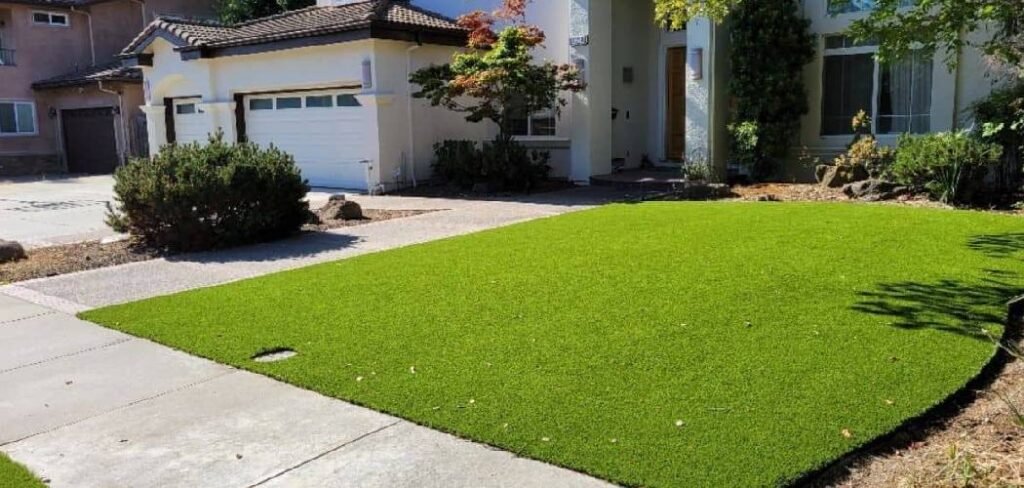
The good news is that fixing low spots in your lawn is easier than you think. With the right tools and methods, you can level your yard and create a smooth, even surface. This guide will show you 10 effective ways to fix low spots in lawn areas, from simple DIY solutions to more advanced techniques. Whether you have tiny dips or major sunken areas, these lawn leveling methods will help you create the perfect yard you’ve always wanted.
9 Step Method on How to Fix Low Spots in Lawn
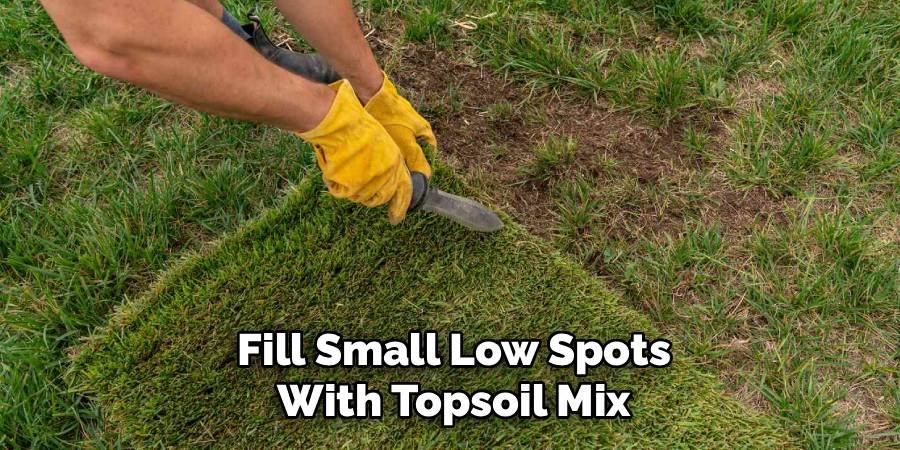
Method 1: Fill Small Low Spots with Topsoil Mix
The easiest way to fix minor low spots in lawn is using a quality topsoil mixture. This method works best for shallow dips that are less than 2 inches deep.
What you need:
- Quality topsoil
- Compost or organic matter
- Sand (optional)
- Rake
- Water hose
Step-by-step process: Start by mixing equal parts topsoil and compost in a wheelbarrow. This creates nutrient-rich soil that helps grass grow better. If your soil drains poorly, add some sand to improve drainage.
Spread the soil mixture over the low spot using a rake. Fill the area so it’s slightly higher than the surrounding grass. The soil will settle over time, so adding a little extra prevents future sinking. Water the area gently to help the soil settle. Avoid heavy watering that might wash away your new soil. This lawn repair method works great for fixing small uneven areas quickly and cheaply.
Method 2: Use the Topdressing Technique
Topdressing is a professional method to fix low spots in lawn areas gradually. This technique adds thin layers of soil mixture over time to level uneven grass.
Materials needed:
- Screened topsoil
- Compost
- Sand
- Leaf rake
- Spreader (optional)
How to apply topdressing: Mix topsoil, compost, and sand in equal parts. This creates the perfect topdressing mixture that improves soil and levels low areas. Apply a thin layer (no more than 1/2 inch) over the low spot.
Rake the mixture gently to spread it evenly. Make sure grass blades can still poke through the soil. If you cover grass completely, it will die from lack of sunlight.
Repeat this process every few weeks until the low area matches the rest of your lawn. This gradual approach prevents grass damage and creates lasting results. Many lawn care professionals use this lawn leveling technique for best results.
Method 3: Core Aeration and Overseeding
Sometimes low spots happen because soil becomes too compact. Core aeration helps fix this problem while improving grass growth in sunken areas.
Equipment required:
- Core aerator (rent or buy)
- Grass seed
- Fertilizer
- Water sprinkler
Aeration process: Run the core aerator over low spots and surrounding areas. This machine pulls small plugs of soil, creating holes that allow air and water to reach grass roots. The soil plugs will break down naturally and help fill small dips.
After aerating, spread grass seed over the low areas. Choose seed that matches your existing lawn type. Apply a light layer of fertilizer to help new grass grow strong and healthy.
Water the area daily for the first two weeks. Keep soil moist but not soaking wet. This lawn repair method fixes both compaction and low spots while improving overall grass health.
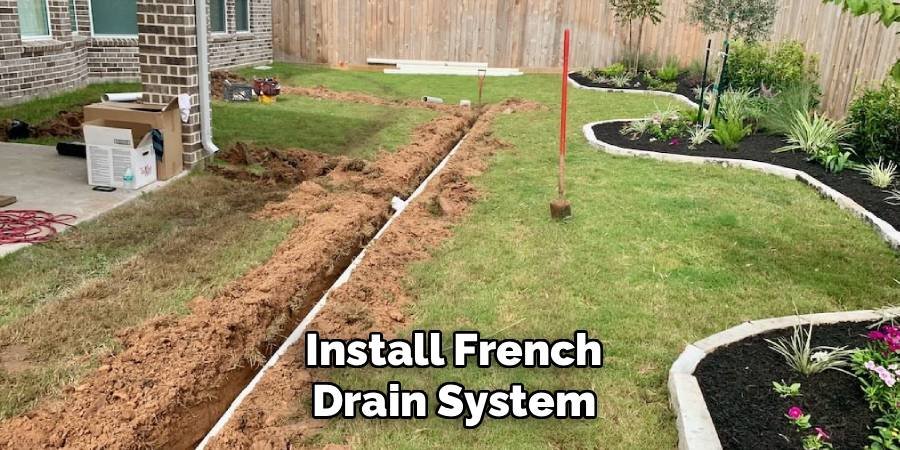
Method 4: Install French Drain System
If low spots collect water and stay wet, you might need better drainage. A French drain system helps remove excess water and prevents future low spot problems.
Materials needed:
- Perforated drain pipe
- Gravel
- Landscape fabric
- Shovel
- Topsoil
Installation steps: Dig a trench from the low spot to a drainage area like a storm drain or lower part of your yard. The trench should slope downward at least 1 inch for every 8 feet of length. Line the trench with landscape fabric, then add a layer of gravel. Place the perforated drain pipe on top, with holes facing down. Cover with more gravel, then wrap with landscape fabric. Fill the trench with topsoil and plant grass seed. This drainage solution prevents water from pooling in low areas and causing grass to die. Proper drainage is key to fixing persistent lawn low spots.
Method 5: Sand and Soil Leveling Method
For medium-sized low spots, combining sand and soil creates excellent results. This method provides good drainage while giving grass nutrients to grow.
Supply list:
- Coarse sand
- Quality topsoil
- Compost
- Mixing tools
- Leveling rake
Mixing and application: Create a mixture using 40% sand, 40% topsoil, and 20% compost. This combination drains well while providing nutrients for healthy grass growth. Mix thoroughly in a wheelbarrow or on a tarp.
Fill the low spot with your mixture, making it slightly higher than surrounding grass. Use a leveling rake to smooth the surface and remove any bumps or high spots.
Lightly water the area to help soil settle. The sand helps prevent future settling while the organic matter feeds your grass. This balanced approach works well for most lawn leveling projects.
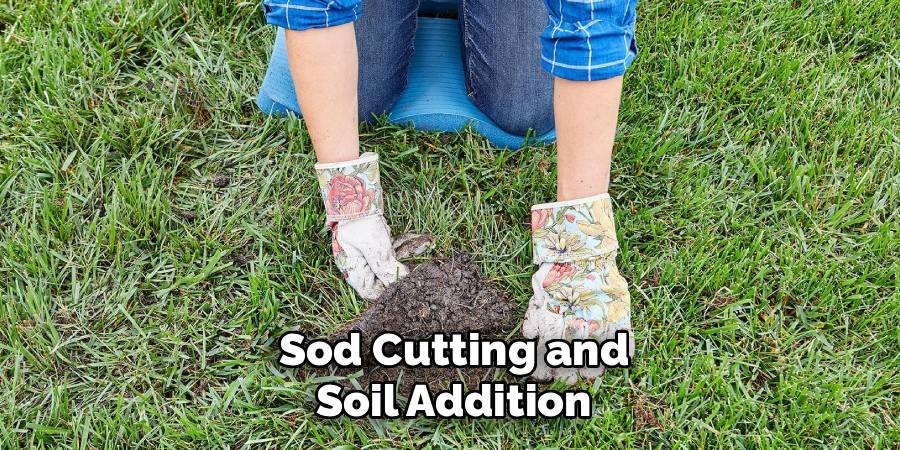
Method 6: Sod Cutting and Soil Addition
For deeper low spots, you might need to remove existing grass, add soil, then replant. This method gives you complete control over the final result.
Tools required:
- Sod cutter or sharp spade
- Quality fill dirt
- Rake
- Grass seed or sod
- Garden hose
Detailed process: Cut and remove grass from the low area using a sod cutter or spade. Save healthy pieces of sod to replant later if possible. This gives you access to the soil underneath. Add fill dirt to bring the area up to the right level. Use quality soil that matches your existing yard conditions. Compact the soil lightly by walking on it or using a hand tamper. Rake the surface smooth and level with surrounding areas. Plant grass seed or lay new sod over the filled area. Water regularly until new grass establishes. This thorough approach fixes even the deepest low spots permanently.
Method 7: Liquid Lawn Leveling Products
Modern liquid lawn leveling products offer an easy way to fix small low spots without major digging or soil work.
Product types:
- Liquid soil amendments
- Grass thickening formulas
- Root stimulating products
- Organic soil builders
Application method: Choose a liquid leveling product designed for your grass type and soil conditions. Most products come in concentrate form that you mix with water in a garden sprayer.
Spray the product evenly over low spots according to package directions. These products work by stimulating grass growth and improving soil structure over time. Most require multiple applications for best results.
Water the treated area as directed on the product label. Results typically show within 4-6 weeks as grass thickens and low areas gradually level out. This modern approach to lawn repair requires less physical work than traditional methods.
Method 8: Professional Laser Grading
For large areas with multiple low spots, professional laser grading provides the most accurate and efficient solution.
When to consider:
- Multiple large low spots
- Severe drainage problems
- New lawn installation
- Complete yard renovation
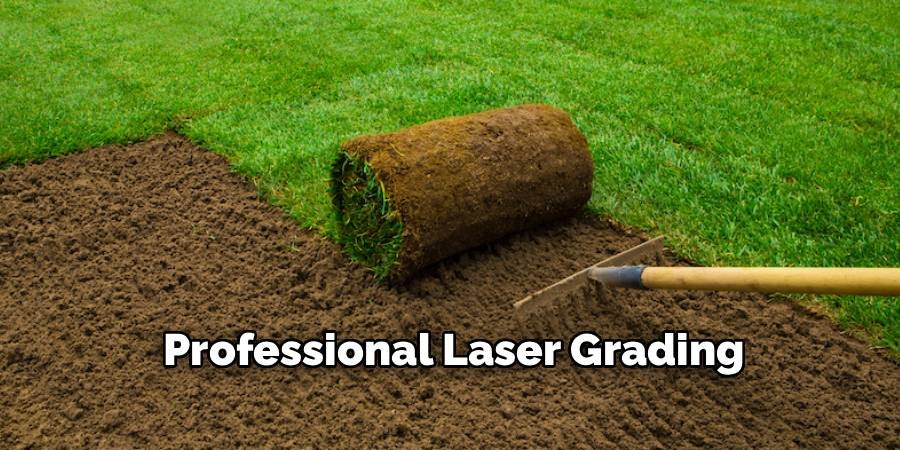
What professionals do: Lawn care professionals use laser-guided equipment to measure and grade your entire yard to precise specifications. They remove excess soil from high areas and fill low spots to create perfect drainage slopes. The process includes soil testing, proper grading, and professional grass installation. While this costs more than DIY methods, it provides guaranteed results and long-term solutions for serious lawn problems. Professional grading works especially well for yards with complex drainage issues or extensive low spot damage. This investment creates lasting value and eliminates future lawn problems.
Method 9: Compost and Organic Matter Addition
Building up low spots with organic materials improves both leveling and soil health. This natural approach feeds grass while fixing uneven areas.
Organic materials to use:
- Aged compost
- Leaf mold
- Well-rotted manure
- Grass clippings
- Shredded bark
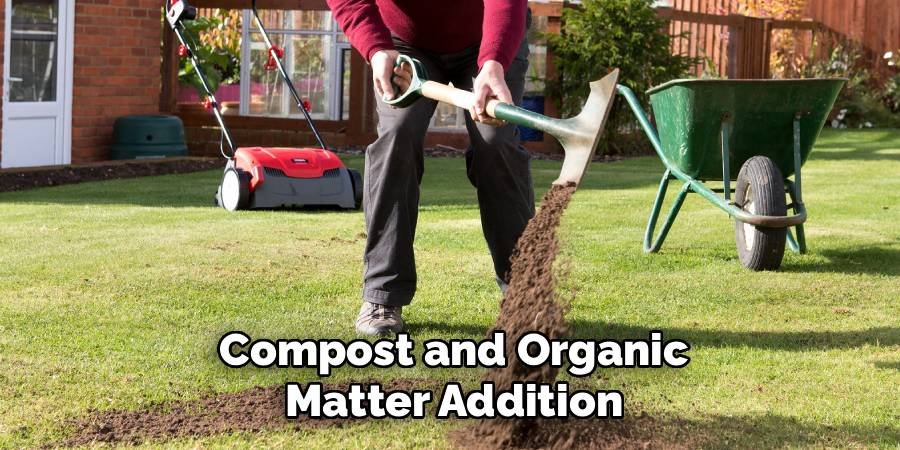
Application technique: Mix different types of organic matter to create a rich soil amendment. Aged compost should make up at least 50% of your mixture for best results. Spread the organic mixture over low spots in thin layers. Each application should be no more than 1/2 inch thick to avoid smothering existing grass. Rake gently to work material down to soil level. Apply organic matter during growing season when grass can quickly grow through the new material. This method takes longer than using straight soil but creates healthier, more resilient grass over time.
Frequently Asked Questions (FAQs)
1. What causes low spots to form in lawns?
Low spots in lawns develop from several causes including soil settling, heavy foot traffic, buried tree roots decomposing, poor drainage, and construction damage. Sometimes underground utilities or septic systems create settling that leads to sunken areas in your grass.
2. When is the best time to fix low spots in lawn?
The best time to fix low spots in lawn is during grass growing seasons – spring and early fall for cool-season grasses, late spring through summer for warm-season varieties. Avoid major lawn work during dormant periods or extreme weather conditions.
3. How deep can low spots be before needing professional help?
Most homeowners can handle low spots up to 4-6 inches deep using DIY methods. Deeper depressions or areas larger than 10 square feet often benefit from professional assessment and repair to ensure proper drainage and long-term success.
4. Will grass grow back in filled low spots?
Yes, grass will usually grow back in properly filled low spots if you use quality soil and provide adequate water and care. Adding grass seed to filled areas speeds up the process and ensures thick, healthy coverage.
5. How long does it take to see results after fixing low spots?
Results depend on the method used and season. Grass seed typically germinates within 7-14 days, with full coverage in 4-8 weeks. Soil settling and final leveling may take several months, especially with organic amendment methods.
Conclusion
Learning how to fix low spots in lawn doesn’t have to be overwhelming or expensive. The 10 methods in this guide offer solutions for every situation, from small dips to major sunken areas. Start with simple approaches like topsoil mixing for minor problems, then consider more advanced techniques for serious damage.
Remember that successful lawn repair takes time and patience. Choose methods that match your skill level, budget, and the size of your problem areas. Most homeowners find that combining multiple techniques gives the best long-term results.
The key to preventing future low spots is maintaining good drainage, avoiding heavy traffic on wet grass, and addressing problems early before they become major issues. With proper care and the right repair methods, you can transform uneven, bumpy grass into a smooth, beautiful lawn that adds value to your home and provides years of enjoyment for your family.

About Ravuk Barg
B.Sc. Horticulture Science | Certified Master Gardener
Ravuk Barg has spent more than a decade with his hands in the soil and his head full of questions about why some gardens thrive while others struggle. What started as a single raised bed of tomatoes and basil in a modest backyard has grown into a deep, working knowledge of everything from seed germination and soil amendment to companion planting and seasonal pruning.
Over the years, Ravuk has gardened through drought summers, waterlogged springs, and pest invasions that would make most gardeners hang up their trowels for good. Those hard seasons, he’ll tell you, taught him more than any perfect growing year ever could. He writes from that earned experience—covering vegetable growing, ornamental planting, houseplant care, composting, and garden design with equal confidence and curiosity.
Philosophy & Approach
Ravuk’s approach to gardening is rooted in practicality. He favors organic methods not out of dogma, but because they work long-term—resulting in healthier soil, fewer inputs, and stronger plants. He has a particular fondness for heirloom vegetable varieties (the kind with proper flavor), unruly cottage-style flower beds, and the stubborn houseplants that everyone else gave up on.
The Mission: Give readers the honest, experience-backed advice that helps them actually succeed in their gardens—not just the ideal version, but the real one; weeds, failures, and all.
Education & Credentials
-
B.Sc. in Horticulture Science
-
Greenfield Agricultural University
-
Focus: Plant Physiology, Soil Ecology, and Sustainable Crop Production
-
-
Master Gardener Certification
-
Cooperative Extension Service
-
Focus: 200+ hours of hands-on practical training and community garden work
-
Continuing Education
-
Organic Pest Management
-
Native Plant Landscaping
-
Sustainable Crop Production