

Transforming a plain patch of grass into a thriving garden is a rewarding project for any homeowner. It’s a chance to connect with nature, grow your own food, and create a beautiful outdoor space. Many beginners feel intimidated by the process, but it’s more accessible than you might think.
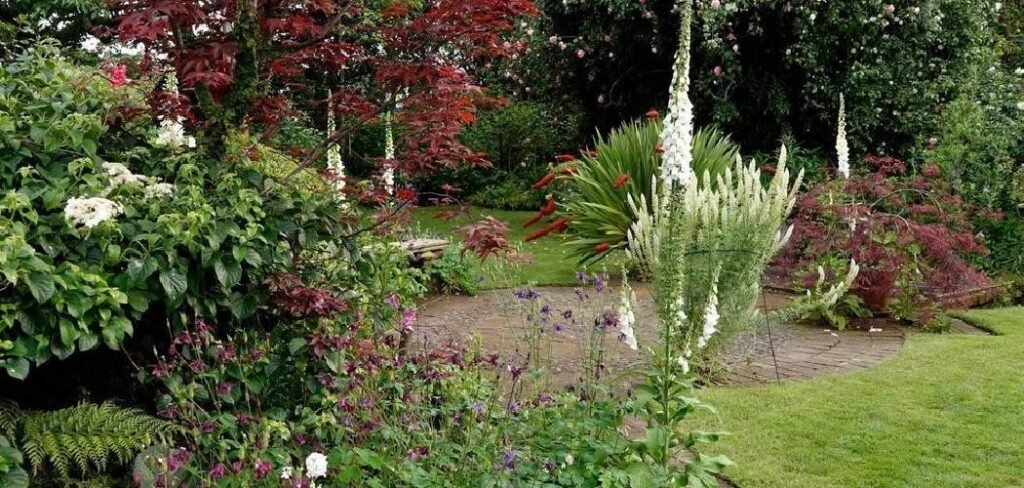
With some planning and a bit of effort, you can successfully learn how to turn yard into garden and enjoy the benefits for years to come. This guide will walk you through every step, from initial planning to planting your first seeds, ensuring you have the knowledge and confidence to create the garden of your dreams.
Why Turn Your Yard into a Garden?
Converting your lawn into a garden is more than just a hobby; it’s a lifestyle choice with numerous benefits. A garden provides access to fresh, healthy produce right outside your door, free from the pesticides and long transit times of store-bought options. This reduces your carbon footprint and promotes a healthier diet. Gardening is also a fantastic form of physical activity, getting you outdoors and moving. It improves mental well-being by reducing stress and fostering a sense of accomplishment. Furthermore, replacing a monoculture lawn with diverse plant life supports local pollinators like bees and butterflies, contributing to a healthier ecosystem in your neighborhood.
9 Step-by-Step Guide on How to Turn Yard into Garden
Step 1: Define Your Garden’s Purpose and Vision
Before you dig in, take time to envision your ideal garden. Are you dreaming of a vegetable patch filled with tomatoes, peppers, and lettuce? Or perhaps you prefer a vibrant flower garden bursting with color and fragrance? Maybe a mix of both? Consider how you want to use the space. Will it be for producing food, creating a relaxing retreat, or attracting wildlife? Sketching a simple layout can help you visualize where different elements will go. This initial planning phase is crucial for a successful transformation and sets the foundation for all subsequent steps.
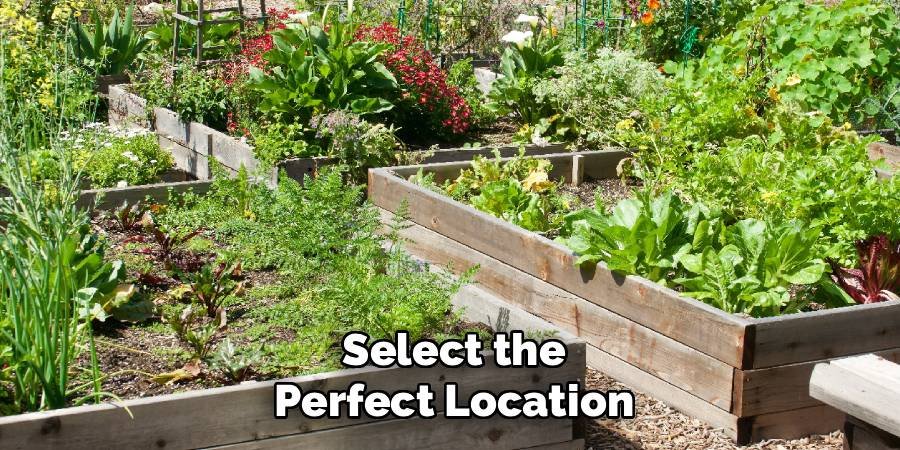
Step 2: Select the Perfect Location
The success of your garden heavily depends on its location. Most vegetables and flowering plants need at least six to eight hours of direct sunlight each day. Spend a day observing your yard to identify the sunniest spots. Pay attention to how shadows from your house, trees, or fences move throughout the day. You also want a location with good drainage, so avoid low-lying areas where water tends to pool. Proximity to a water source is another key consideration, as you’ll need to water your plants regularly, especially during dry spells.
Step 3: Test and Prepare Your Soil
Understanding your soil is a critical step in the process. You can purchase a simple soil testing kit to determine its pH level and nutrient composition. Most garden plants thrive in soil with a pH between 6.0 and 7.0. The test results will guide you on what amendments are needed. To prepare the area, you’ll need to remove the existing grass and weeds. You can do this by digging it out manually, or by using a method called sheet mulching, where you cover the lawn with cardboard and organic matter to smother the grass, which then decomposes and enriches the soil.
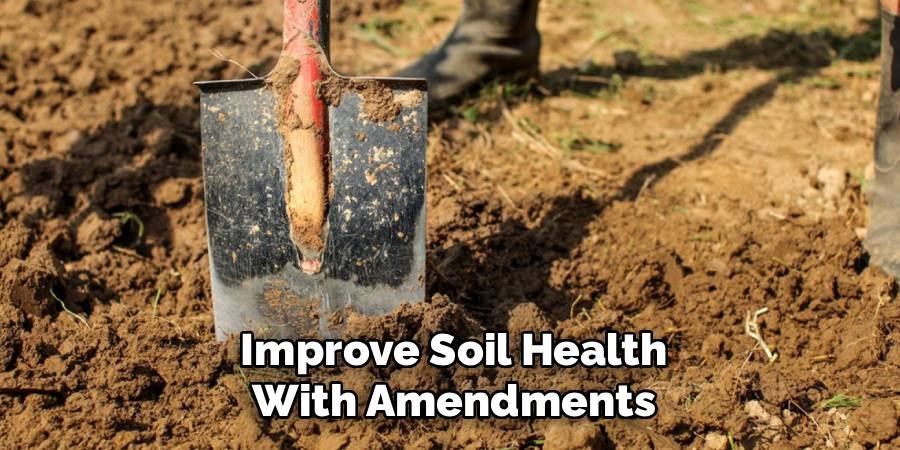
Step 4: Improve Soil Health with Amendments
Once you have your patch cleared, it’s time to build healthy soil. Healthy soil is the lifeblood of a productive garden. Based on your soil test, you may need to add amendments. For example, if your soil is too acidic, you can add lime to raise the pH. If it’s too alkaline, sulfur can lower it. Regardless of the test results, adding organic matter is always beneficial. Compost, aged manure, and leaf mold are excellent choices. They improve soil structure, enhance water retention, and provide essential nutrients for your plants. Mix these amendments into the top 6-8 inches of your soil.
Step 5: Choose Between In-Ground, Raised Beds, or Containers
You have several options for how to structure your garden. In-ground gardens are the traditional choice and work well if you have good native soil. Raised beds are a great alternative, especially if your soil is poor, compacted, or drains poorly. They allow you to control the soil mix completely and can be easier on your back. Raised beds also warm up faster in the spring. Container gardening is perfect for small spaces, patios, or for beginners who want to start small. This is a flexible part of learning how to turn yard into garden that you can customize to your space.
Step 6: Plan Your Plant Layout
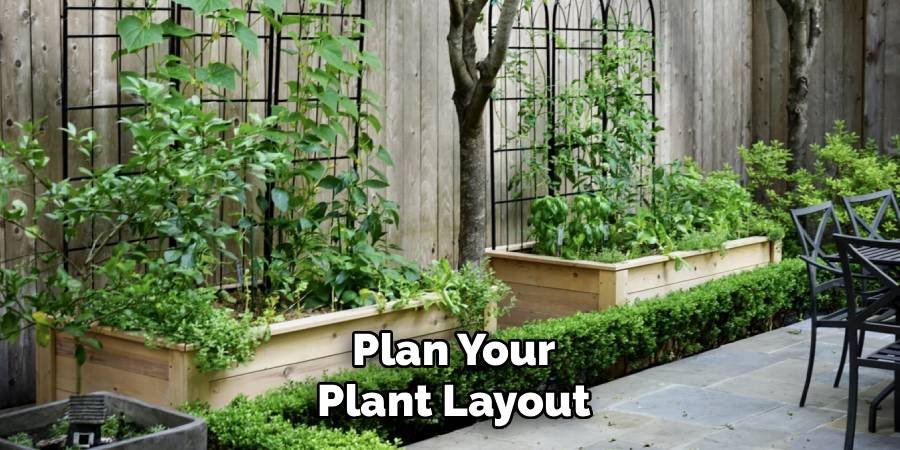
With your beds prepared, you can plan what goes where. Consider the mature size of each plant to ensure they have enough space to grow without overcrowding. Group plants with similar needs for sunlight and water together. Companion planting is a useful strategy where you plant mutually beneficial crops next to each other. For instance, planting marigolds near tomatoes can help deter pests. Also, think about succession planting—planning for a second crop to go in after the first one is harvested—to maximize your garden’s output throughout the growing season.
Step 7: Select Your Plants Wisely
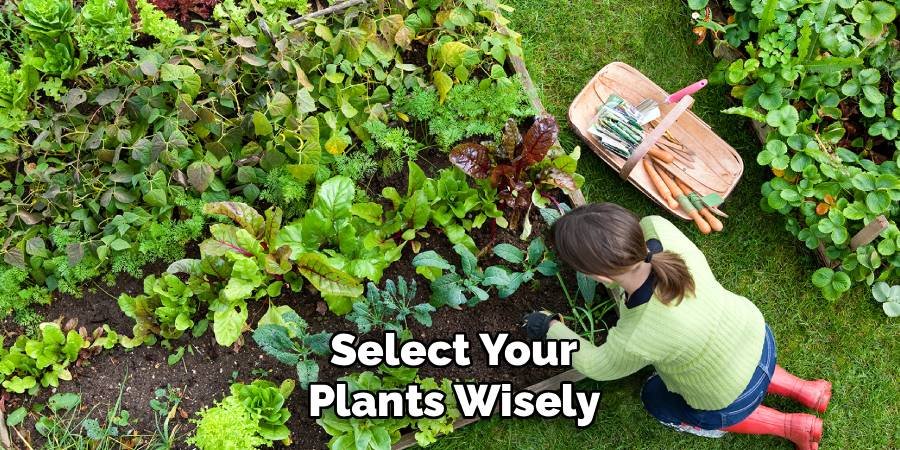
Choosing the right plants is one of the most exciting steps. If you are a beginner, start with plants that are known to be easy to grow in your region. Look for varieties that are resistant to common diseases and pests. You can choose to start plants from seeds or buy young plants, called transplants, from a nursery. Starting from seed is more economical, but transplants give you a head start. Read the plant tags or seed packets for information on planting depth, spacing, and a plant’s specific needs. This will help you give each plant the best possible start.
Step 8: Plant Your Garden
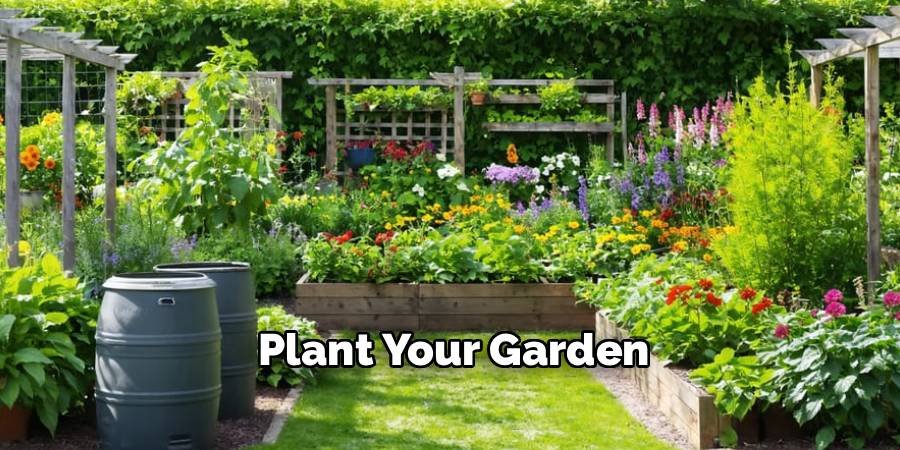
Now it’s time to get your plants in the ground! Follow the spacing and depth instructions on the seed packets or plant tags. If you are using transplants, gently loosen the root ball before placing the plant in the hole. The top of the root ball should be level with the surrounding soil. Once everything is planted, give your new garden a thorough watering to help the plants settle in and reduce transplant shock. This initial watering is crucial for establishing strong roots and ensuring your plants get off to a healthy start in their new home.
Step 9: Add Mulch and Water Consistently
After planting, apply a 2-3 inch layer of organic mulch, such as straw, shredded leaves, or wood chips, around your plants. Mulch is a gardener’s best friend. It helps suppress weeds, retain soil moisture, and regulate soil temperature. It also breaks down over time, adding more organic matter to your soil. Establish a consistent watering schedule. Most gardens need about an inch of water per week, either from rain or irrigation. It’s best to water deeply and less frequently to encourage deep root growth, rather than shallow, frequent watering.
Maintain Your Garden and Enjoy the Harvest
Regular maintenance will keep your garden healthy and productive. This includes weeding, monitoring for pests and diseases, and providing support for vining plants like tomatoes or beans. As your plants grow, you’ll get to enjoy the fruits of your labor. Harvesting regularly often encourages plants to produce more. Don’t be discouraged if you face challenges; gardening is a learning process. Celebrate your successes, learn from your mistakes, and enjoy the delicious, fresh produce and beautiful blooms from your very own garden.
Frequently Asked Questions (FAQ)
What Is the Easiest Way to Remove Grass for a Garden?
The simplest method for beginners is sheet mulching. You cover the desired garden area with layers of cardboard or newspaper, which blocks sunlight and smothers the grass and weeds underneath. On top of the cardboard, you add a thick layer of compost, leaves, and other organic materials. Over a few months, the grass dies and decomposes along with the cardboard, enriching the soil below. This no-dig method is less labor-intensive and builds fantastic soil health from the start.
How Much Does It Cost to Turn a Yard into a Garden?
The cost can vary widely based on your choices. A basic in-ground garden can be very inexpensive if you have good soil and start plants from seed. Costs might include:
- Soil test kit ($15-$30)
- Seeds ($2-$5 per packet)
- Compost (can be free if you make your own)
The price increases if you choose to build raised beds, buy soil and amendments, and purchase established plants or expensive tools. A simple raised bed kit can cost anywhere from $50 to $200 or more.
What Are the Best Beginner-Friendly Vegetables to Grow?
For beginners, it’s best to start with easy-to-grow, productive plants. Some excellent choices include leafy greens like lettuce and spinach, zucchini, bush beans, peas, and radishes. These tend to be relatively low-maintenance and provide a quick harvest, which is very encouraging for new gardeners. Cherry tomatoes are also a great option as they are often more disease-resistant and productive than larger varieties.
How Do I Keep Pests Out of My Garden Naturally?
You can manage pests without harsh chemicals. Encouraging beneficial insects like ladybugs and lacewings, which prey on pests, is a great first step. You can also use physical barriers like row covers to protect plants. Companion planting, such as placing marigolds or nasturtiums near vegetables, can deter certain pests. For persistent issues, insecticidal soap or neem oil are effective, less-toxic options that can be used to control aphids, mites, and other common garden pests.
Can I Start a Garden in the Fall?
Absolutely! Fall is an excellent time to start a garden, especially for cool-season crops. You can plant vegetables like kale, spinach, garlic, carrots, and broccoli, which thrive in cooler temperatures and can even taste better after a light frost. Starting in the fall also gives you a head start on preparing the garden bed for the following spring. You can use the fall and winter months to let your sheet mulch decompose, so the soil is ready for spring planting.
Conclusion
Creating a garden where a lawn once stood is a deeply fulfilling journey. You’ve learned the essential steps, from planning your vision and preparing the soil to planting and maintenance. The process is a powerful way to enhance your property, improve your health, and contribute positively to the local environment. While it requires patience and work, the rewards of harvesting your own food or enjoying a beautiful floral escape are immeasurable. We hope this guide has inspired you and given you the confidence to take on the project of how to turn yard into garden.

About Ravuk Barg
B.Sc. Horticulture Science | Certified Master Gardener
Ravuk Barg has spent more than a decade with his hands in the soil and his head full of questions about why some gardens thrive while others struggle. What started as a single raised bed of tomatoes and basil in a modest backyard has grown into a deep, working knowledge of everything from seed germination and soil amendment to companion planting and seasonal pruning.
Over the years, Ravuk has gardened through drought summers, waterlogged springs, and pest invasions that would make most gardeners hang up their trowels for good. Those hard seasons, he’ll tell you, taught him more than any perfect growing year ever could. He writes from that earned experience—covering vegetable growing, ornamental planting, houseplant care, composting, and garden design with equal confidence and curiosity.
Philosophy & Approach
Ravuk’s approach to gardening is rooted in practicality. He favors organic methods not out of dogma, but because they work long-term—resulting in healthier soil, fewer inputs, and stronger plants. He has a particular fondness for heirloom vegetable varieties (the kind with proper flavor), unruly cottage-style flower beds, and the stubborn houseplants that everyone else gave up on.
The Mission: Give readers the honest, experience-backed advice that helps them actually succeed in their gardens—not just the ideal version, but the real one; weeds, failures, and all.
Education & Credentials
-
B.Sc. in Horticulture Science
-
Greenfield Agricultural University
-
Focus: Plant Physiology, Soil Ecology, and Sustainable Crop Production
-
-
Master Gardener Certification
-
Cooperative Extension Service
-
Focus: 200+ hours of hands-on practical training and community garden work
-
Continuing Education
-
Organic Pest Management
-
Native Plant Landscaping
-
Sustainable Crop Production