

Wood chips are a fantastic addition to any garden, serving as a beneficial mulch that retains soil moisture, suppresses weeds, and regulates temperature. However, many gardeners worry about a potential downside: termites. The idea that this helpful landscaping material could invite destructive pests is a valid concern. Fortunately, there are effective methods to mitigate this risk. Understanding how to treat wood chips for termites ensures you can enjoy all the benefits of mulching without creating a welcome mat for unwanted insects.
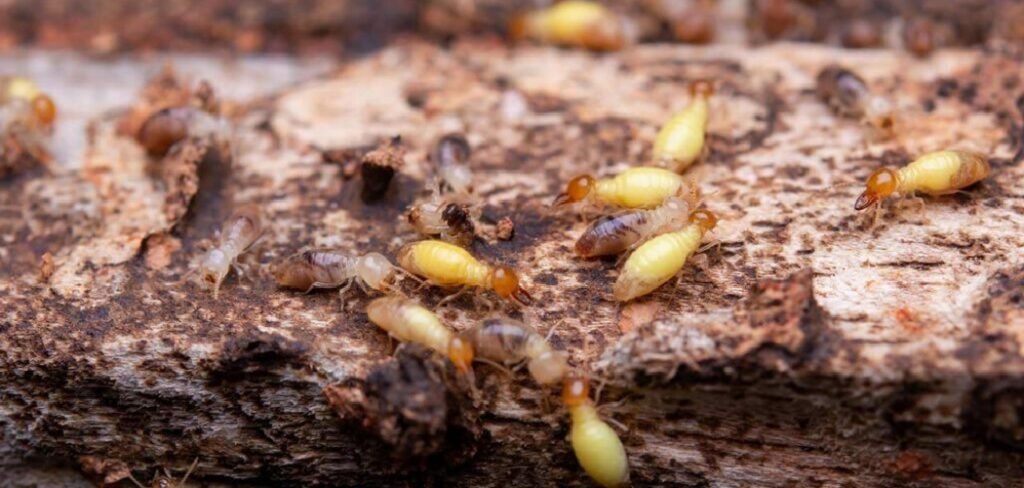
This guide will walk you through simple, beginner-friendly techniques to protect your garden and your home, giving you peace of mind while you cultivate a beautiful landscape.
Why You Should Treat Your Wood Chip Mulch
Using wood chips as mulch is one of the best things you can do for your garden’s health. It creates a natural blanket over the soil that helps plants thrive. However, since termites feed on cellulose, the primary component of wood, bringing untreated wood c hips close to your home’s foundation can seem risky. While termites prefer larger, more substantial pieces of decaying wood, they can still be attracted to the moist environment created by a thick layer of mulch. Treating your wood chips before application adds a crucial layer of defense.
It disrupts the conditions termites find appealing and actively repels them, preventing them from establishing a colony near your property. This proactive step is not just about protecting your garden; it’s about safeguarding your home from potential structural damage, making it an essential practice for any responsible homeowner and gardener.
8 Step Methods Guide on How to Treat Wood Chips for Termites
Step 1: Choose the Right Type of Wood Chips
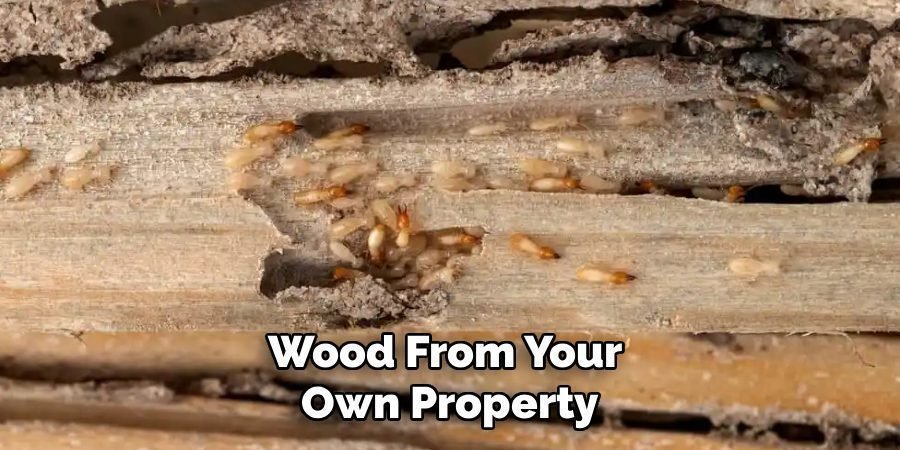
Your first line of defense is selecting wood chips that are naturally resistant to termites. Certain tree species contain resins and oils that act as natural repellents. Cedar, cypress (specifically heartwood), and redwood are excellent choices due to their inherent durability and pest-resistant properties. While these options might be slightly more expensive, their ability to deter termites can save you significant trouble and expense in the long run. If you are using wood from your own property, try to identify the species. Avoid using pine or other softwoods if possible, as they are particularly attractive to termites.
Step 2: Dry the Wood Chips Thoroughly
Termites thrive in moist environments. One of the simplest and most effective ways to make your wood chips less appealing to them is to dry them out completely before use. Spread the chips in a thin layer on a large tarp or a clean concrete surface exposed to direct sunlight. On a series of hot, sunny days, the sun’s rays will bake out the excess moisture, making the wood a much less hospitable environment for termites and other moisture-loving pests. Turn the chips periodically with a rake to ensure all layers are evenly dried.
Step 3: Apply a Borate Treatment
Borates, a salt-based mineral, are a low-toxicity and highly effective termiticide. You can purchase borate solutions, often sold as a powder that you mix with water, at most home and garden stores. Following the manufacturer’s instructions, create the solution in a garden sprayer. Lay your dry wood chips on a tarp and spray them evenly, making sure to coat them thoroughly. Use a rake to toss the chips as you spray, ensuring all surfaces are covered. Borates work by disrupting a termite’s digestive system, but they are safe for plants and soil when used correctly.
Step 4: Allow the Borate Treatment to Dry
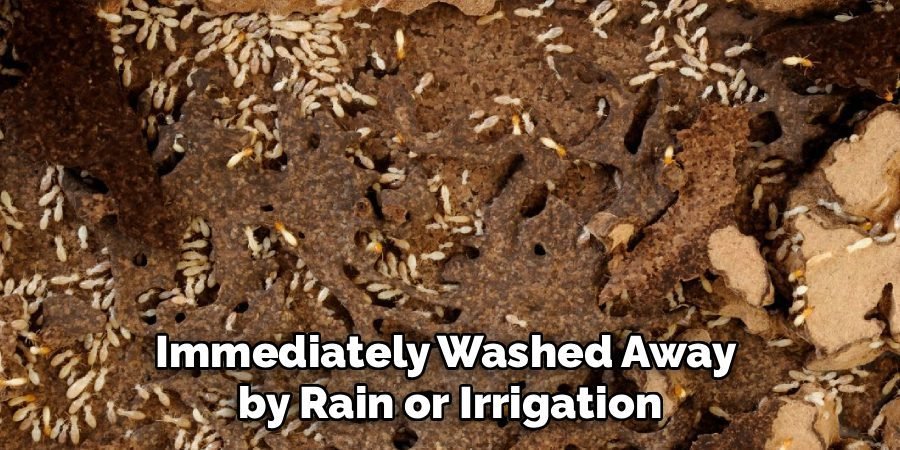
After applying the borate solution, it is crucial to let the wood chips dry completely once again. This step ensures the treatment properly adheres to the wood fibers and won’t be immediately washed away by rain or irrigation. Spread the treated chips back out on your tarp in the sun. Depending on the weather, this could take another day or two. This second drying phase locks in the protective qualities of the borate, creating a long-lasting barrier against termites. Proper drying is a key part of learning how to treat wood chips for termites effectively.
Step 5: Consider Using Beneficial Nematodes
For an organic, chemical-free approach, introduce beneficial nematodes into your garden soil before applying the mulch. These microscopic, worm-like organisms are natural predators of termite larvae and many other soil-dwelling pests. You can purchase them online or from a garden supply center. They come in a sponge or powder that you mix with water and apply to the soil with a watering can or sprayer. Once in the ground, they will actively hunt down and eliminate termites without harming plants, pets, or people. This creates a living, self-sustaining defense system right in your garden beds.
Step 6: Create a Physical Barrier Around Your Home
Even with treated mulch, it’s wise to create a barrier between the mulch and your home’s foundation. Termites can use mulch that is piled against siding or foundation vents as a bridge to enter your house. Maintain a “mulch-free” zone of at least six to twelve inches around your entire foundation. This gap makes it easier to spot termite mud tubes and prevents the mulch from creating a direct pathway for pests. You can fill this gap with less organic material like gravel or decorative stones to maintain a neat appearance while enhancing protection.
Step 7: Apply the Mulch Correctly
How you apply your mulch is just as important as how you treat it. Avoid piling on an excessively deep layer. A two- to three-inch layer of wood chips is sufficient to suppress weeds and retain soil moisture. Anything deeper can trap too much moisture against the ground, recreating the damp conditions that termites love. A thinner layer allows for better airflow and helps the mulch dry out more quickly after rainfall, making it a far less attractive habitat for pests. Keep the mulch from touching the base of your plants and shrubs as well.
Step 8: Regularly Inspect and Rake Your Mulch
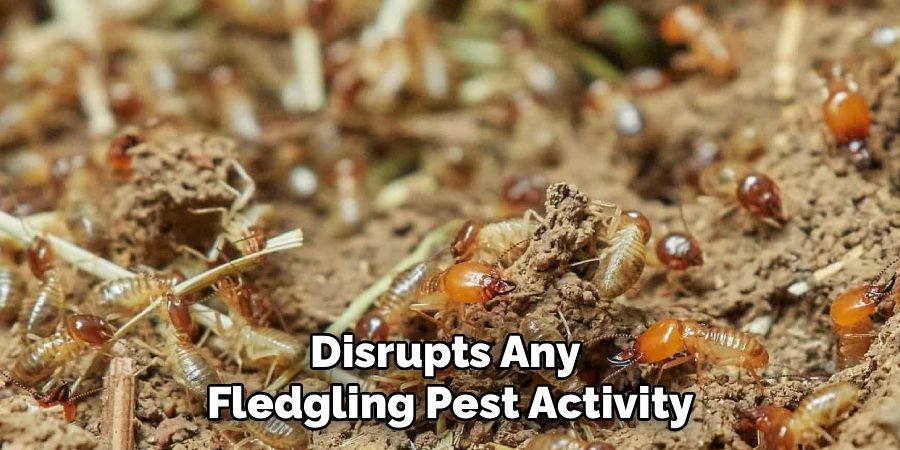
Ongoing maintenance is key to long-term termite prevention. Periodically rake your mulch to break up any compacted layers and promote aeration. This simple action helps the mulch dry faster and disrupts any fledgling pest activity. While you are raking, inspect the area for signs of termites, such as mud tubes on your foundation or discarded wings. Regular monitoring allows you to catch any potential problems early before they escalate into a major infestation, providing an excellent opportunity to reapply treatments if needed and ensuring your protective measures remain effective.
Common Mistakes to Avoid
When managing mulch and inspecting for pests, there are several common mistakes that can inadvertently invite problems. One frequent error is placing mulch too close to your home’s foundation. This creates a direct pathway for termites and other pests to access your structure. Another mistake is applying an overly thick layer of mulch, which can trap excess moisture and foster fungal growth or pest infestations.
Frequently Asked Questions (FAQ)
Does All Wood Chip Mulch Attract Termites?
Not all wood chip mulch is equally attractive to termites. While termites do eat wood, they typically prefer larger, decaying wood sources over small, dry chips. Mulches made from termite-resistant woods like cedar or cypress heartwood are far less appealing to them. Furthermore, dry, well-maintained mulch is less likely to harbor termites, which need a consistently moist environment to thrive. The key is to choose the right type of wood and manage moisture levels in your garden to significantly reduce the risk of attracting these pests.

Is It Safe to Use Pesticides on Mulch in a Vegetable Garden?
Using chemical pesticides on mulch in a vegetable garden requires extreme caution. Many synthetic pesticides can be absorbed by the soil and subsequently taken up by your plants, potentially contaminating your food. If you need to treat for termites in a vegetable garden, it is much safer to opt for organic or low-toxicity solutions. Borate treatments are generally considered safe as they are mineral-based and less likely to harm your plants. Beneficial nematodes are another excellent, completely non-toxic option that targets pests without affecting your edible crops.
How Often Should I Treat My Wood Chips for Termites?
The frequency of treatment depends on the method you use and your local climate. A borate treatment applied to dry wood chips can last for a year or more, but heavy rainfall can reduce its effectiveness over time. It’s a good practice to re-evaluate your mulch annually. When you top up your garden with fresh mulch each spring, ensure it is properly treated before application. For ongoing protection, methods like maintaining a barrier around your foundation and regular inspections should be part of your routine garden maintenance.
Can Composting Wood Chips Before Use Help Prevent Termites?
Composting wood chips before using them as mulch can help deter termites. The composting process breaks down the wood, and the high temperatures generated within a compost pile can kill off any existing pests, including termite eggs or larvae. However, the resulting compost will still be an organic material that holds moisture. While it may be less attractive than fresh wood, it can still contribute to a termite-friendly environment if kept too damp or piled against your house. Therefore, proper application and moisture management remain important.
What Are the Signs of Termites in My Mulch?
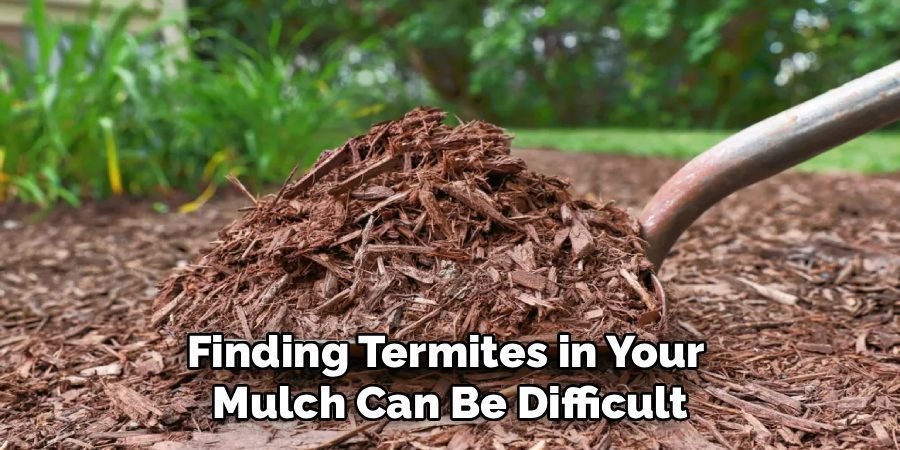
Finding termites in your mulch can be difficult, as they avoid light and stay hidden. However, you might see the worker termites, which look like small, pale white insects, if you dig into a moist, compacted section of the mulch. A more reliable sign is discovering termite mud tubes on your nearby foundation, exterior walls, or other wooden structures. These pencil-sized tunnels are built by termites to travel from their nest to a food source. Finding discarded termite wings near windows or doors after a swarm is another clear indicator.
Conclusion
Protecting your home and garden from termites doesn’t mean you have to give up the many benefits of wood chip mulch. By taking a few proactive and straightforward steps, you can create a beautiful, healthy landscape without inviting unwanted pests. From choosing resistant wood types and applying safe treatments to practicing smart application and regular maintenance, you have a full toolkit at your disposal. This guide has provided you with the essential knowledge on how to treat wood chips for termites. Now you can confidently move forward, creating the garden of your dreams while ensuring your property remains secure.

About Ravuk Barg
B.Sc. Horticulture Science | Certified Master Gardener
Ravuk Barg has spent more than a decade with his hands in the soil and his head full of questions about why some gardens thrive while others struggle. What started as a single raised bed of tomatoes and basil in a modest backyard has grown into a deep, working knowledge of everything from seed germination and soil amendment to companion planting and seasonal pruning.
Over the years, Ravuk has gardened through drought summers, waterlogged springs, and pest invasions that would make most gardeners hang up their trowels for good. Those hard seasons, he’ll tell you, taught him more than any perfect growing year ever could. He writes from that earned experience—covering vegetable growing, ornamental planting, houseplant care, composting, and garden design with equal confidence and curiosity.
Philosophy & Approach
Ravuk’s approach to gardening is rooted in practicality. He favors organic methods not out of dogma, but because they work long-term—resulting in healthier soil, fewer inputs, and stronger plants. He has a particular fondness for heirloom vegetable varieties (the kind with proper flavor), unruly cottage-style flower beds, and the stubborn houseplants that everyone else gave up on.
The Mission: Give readers the honest, experience-backed advice that helps them actually succeed in their gardens—not just the ideal version, but the real one; weeds, failures, and all.
Education & Credentials
-
B.Sc. in Horticulture Science
-
Greenfield Agricultural University
-
Focus: Plant Physiology, Soil Ecology, and Sustainable Crop Production
-
-
Master Gardener Certification
-
Cooperative Extension Service
-
Focus: 200+ hours of hands-on practical training and community garden work
-
Continuing Education
-
Organic Pest Management
-
Native Plant Landscaping
-
Sustainable Crop Production