

Discovering white spots on your beautiful rose leaves can be disheartening for any gardener, from the novice to the seasoned expert. These spots are often a sign of a common fungal disease known as powdery mildew. While it looks alarming, the condition is usually treatable with the right approach. Understanding the cause is the first step toward restoring your roses to their vibrant, healthy state. This guide will walk you through everything you need to know about how to treat white spots on rose leaves, providing clear, actionable steps to manage the issue and prevent its return. Let’s get your roses looking pristine again.
Understanding Powdery Mildew on Roses
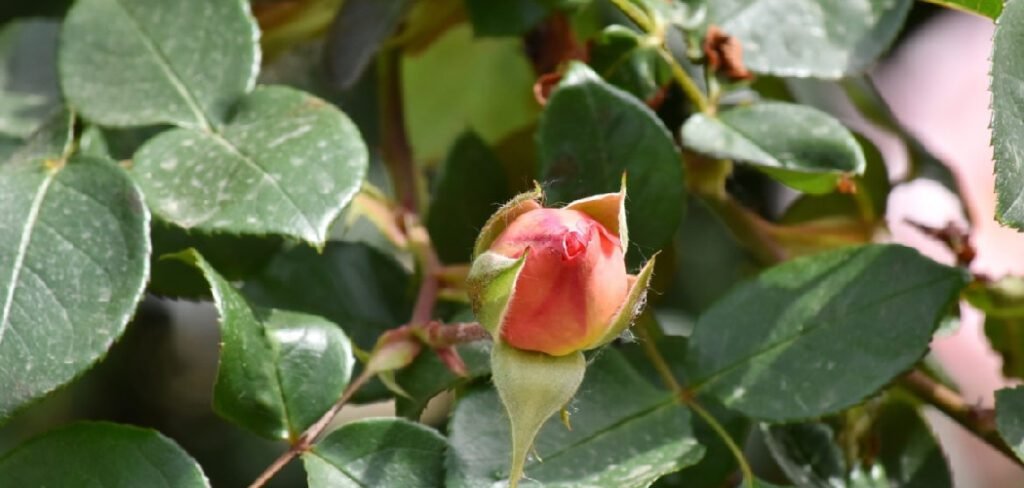
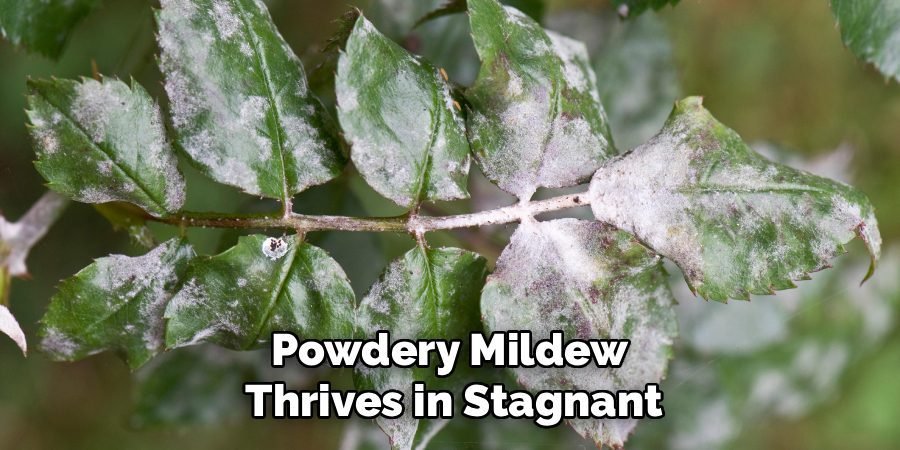
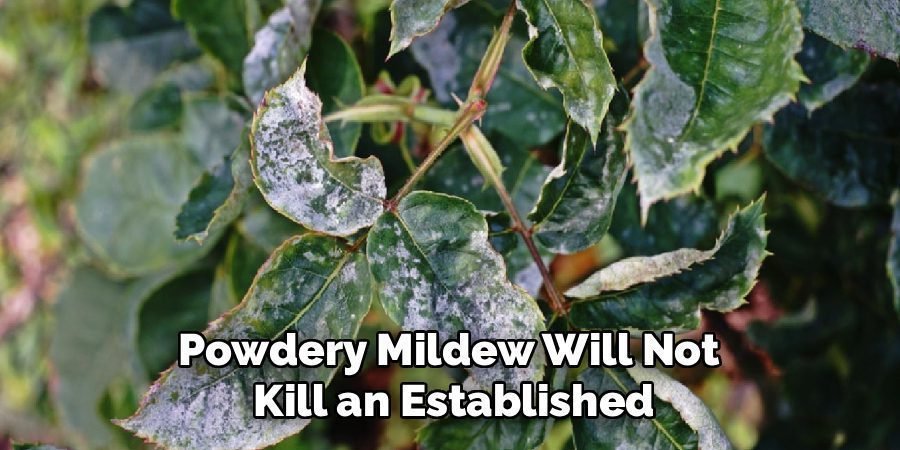
Before diving into treatment, it’s helpful to understand what you’re up against. Those white, dusty patches on your rose leaves, stems, and buds are caused by a fungus. Unlike other fungal diseases that thrive in wet conditions, powdery mildew flourishes in warm, dry weather with high humidity, especially in the evenings. It spreads through airborne spores that land on your plants. If left unchecked, it can cause leaves to yellow, curl, and drop prematurely, weakening the plant over time. Identifying it early is key to successful treatment and preventing it from spreading to other plants in your garden.
8 Step Methods Guide on How to Treat White Spots on Rose Leaves
Step 1: Isolate the Affected Plant
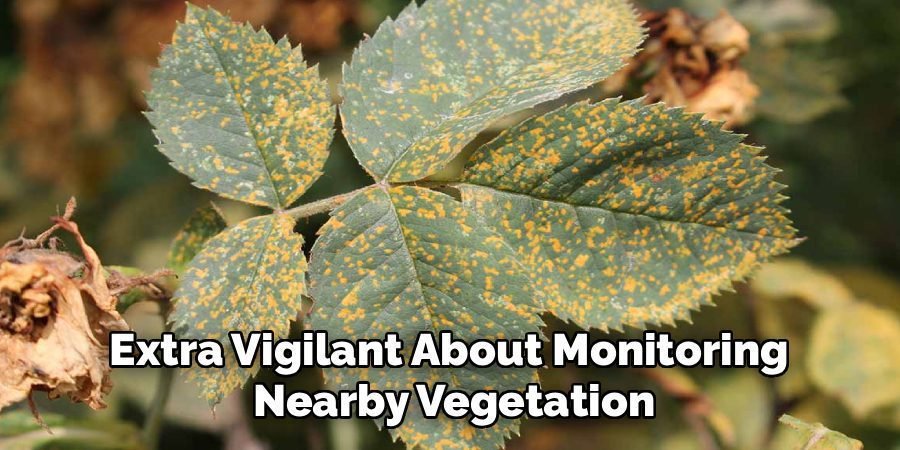
The first crucial step is to prevent the fungal spores from spreading to other healthy plants in your garden. If your affected rose is in a pot, move it to an isolated area away from other plants. For roses planted in the ground, this isn’t possible, so you’ll need to be extra vigilant about monitoring nearby vegetation. This simple act of quarantine can save you a lot of trouble later by containing the problem to a single area, making the treatment process much more manageable and effective.
Step 2: Prune Infected Leaves and Stems
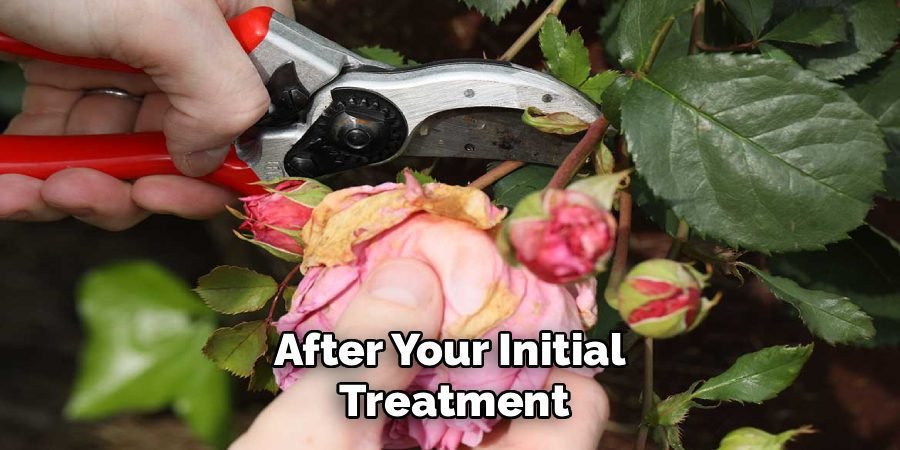
Carefully inspect your rose bush and identify all the leaves, stems, and buds showing signs of white spots. Using a clean, sharp pair of pruning shears, remove these infected parts. It’s important to be thorough, as leaving even a small amount of infected material can allow the fungus to re-establish itself. Make your cuts into healthy green tissue just below the infected area. This removal reduces the fungal load on the plant, making subsequent treatments more effective and giving your rose a better chance at recovery.
Step 3: Dispose of Infected Material Properly
After pruning, do not add the infected clippings to your compost pile. The fungal spores can survive and multiply in a compost bin, leading to future outbreaks when you use the compost in your garden. Instead, you should bag the diseased plant material securely and dispose of it in your household trash. Alternatively, if local regulations permit, you can burn the infected debris. Proper disposal is a critical step to ensure you are completely removing the pathogen from your garden environment and breaking its life cycle for good.
Step 4: Improve Air Circulation
Powdery mildew thrives in stagnant, humid air. Improving air circulation around your rose bushes is one of the most effective long-term preventative measures. You can achieve this by selectively pruning some of the inner branches of the rose bush, creating more space between them. This “opening up” of the plant allows air to flow freely through the foliage, which helps to lower the humidity around the leaves and makes the environment less hospitable for fungal spores to germinate and spread throughout the plant.
Step 5: Apply a Fungicide Solution
Now it’s time to treat the plant itself. You can choose between commercial fungicides or a homemade solution. A popular DIY option is a mixture of one tablespoon of baking soda and one-half teaspoon of liquid, non-detergent soap mixed into one gallon of water. Another effective home remedy is a milk spray, made by mixing one part milk with two parts water. Thoroughly spray the entire plant, making sure to cover the tops and undersides of the leaves. This is a key part of how to treat white spots on rose leaves.
Step 6: How to Treat White Spots on Rose Leaves with Neem Oil
Neem oil is an excellent organic option that acts as both a fungicide and an insecticide. It works by disrupting the life cycle of the fungus and preventing its spores from germinating. To use it, mix two teaspoons of pure, cold-pressed neem oil with one teaspoon of mild liquid soap in a gallon of water. The soap helps the oil emulsify with the water. Spray this solution liberally over the entire rose bush, focusing on the leaves. Reapply every 7 to 14 days until the white spots are gone.
Step 7: Adjust Your Watering Habits
How you water your plants can significantly impact their susceptibility to powdery mildew. Avoid overhead watering, which wets the foliage and can increase humidity levels, creating an ideal environment for the fungus. Instead, water your roses at the base of the plant using a soaker hose or drip irrigation. Water early in the morning so that any moisture that does splash onto the leaves has plenty of time to dry in the sun. This simple change denies the fungus the damp conditions it needs to flourish.
Step 8: Monitor and Reapply Treatment
Consistency is key to winning the battle against powdery mildew. After your initial treatment, continue to inspect your rose bushes every few days for any new signs of white spots. Reapply your chosen fungicide or homemade spray every 7 to 14 days, or according to the product’s instructions. Even after the visible signs are gone, it’s wise to continue a preventative spraying schedule, especially during periods of high humidity and warm temperatures when the fungus is most active. This vigilance will help prevent a recurrence.
Maintenance
Proper maintenance is crucial to keeping your rose bushes healthy and free from powdery mildew. Regularly prune your plants to improve air circulation, removing any dead or overcrowded branches. Water the roses at the base rather than overhead to minimize moisture on the leaves, which can create ideal conditions for fungal growth. Keep the area around the bushes clear of fallen leaves and debris, as these can harbor fungal spores. Incorporating a balanced fertilizer into your care routine will also help strengthen your roses, making them more resilient to diseases. By staying consistent with these practices, your roses will thrive and remain vibrant throughout the growing season.
Common Mistakes to Avoid
When caring for roses, there are several common mistakes that can hinder their growth and overall health. Overwatering is a frequent issue, as it can lead to waterlogged roots and increase the risk of root rot. On the other hand, underwatering can cause stress to the plant, resulting in weak blooms and poor growth. Pruning improperly, such as cutting at the wrong angle or neglecting to remove dead or diseased wood, can leave roses vulnerable to pests and infections.
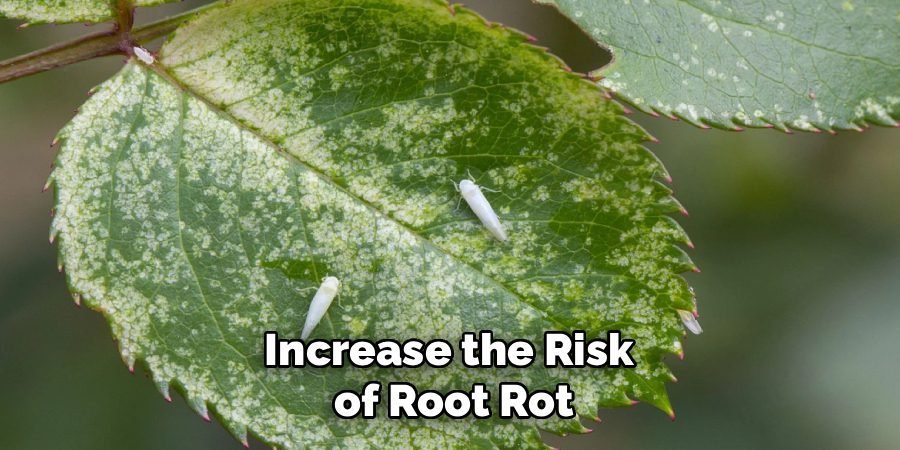
Additionally, overcrowding rose bushes can limit air circulation, creating a favorable environment for fungal diseases like powdery mildew. Avoid applying too much fertilizer, as it can lead to excessive foliage growth at the expense of flowers. By being mindful of these mistakes, gardeners can ensure their roses remain healthy and flourish beautifully.
Frequently Asked Questions (FAQ)
Can White Spots on Rose Leaves Be Cured Permanently?
While you can effectively treat and remove the current infection of powdery mildew causing white spots, permanent eradication is challenging. The fungal spores are often present in the environment and can re-infect plants when conditions are favorable. The best approach is a combination of treatment and ongoing prevention. By maintaining good air circulation, watering correctly, and applying preventative sprays during high-risk periods, you can keep your roses healthy and significantly minimize the chances of a future outbreak, even if you can’t eliminate the fungus from your garden forever.
What Is the Best Homemade Spray for Powdery Mildew?
One of the most effective and widely used homemade sprays for powdery mildew is a baking soda solution. To make it, mix one tablespoon of baking soda and one-half teaspoon of a mild liquid soap into one gallon of water. The baking soda alters the pH on the leaf surface, making it difficult for fungal spores to survive and germinate. The soap acts as a surfactant, helping the mixture stick to the leaves. This solution is gentle on the plant but effective against the fungus, making it a great first choice for gardeners.
Will Powdery Mildew Kill My Rose Bush?
In most cases, powdery mildew will not kill an established, healthy rose bush. However, it is more than just a cosmetic issue. A severe or persistent infection can significantly weaken the plant by interfering with photosynthesis, the process by which the plant creates food. This can lead to yellowing leaves, leaf drop, reduced flowering, and stunted growth. While not typically fatal on its own, a weakened plant becomes more vulnerable to other diseases and pests, which could ultimately lead to its decline. Therefore, timely treatment is always recommended.
How Often Should I Spray My Roses for Powdery Mildew?
For active infections, you should apply your chosen treatment spray every 7 to 10 days until you see no new signs of the white spots. For preventative care, especially during warm, humid weather, spraying every 14 days is a good practice. Always spray in the early morning or late evening to avoid scorching the leaves in direct sunlight. If it rains heavily after an application, you may need to reapply the spray sooner. Always follow the specific instructions on commercial products for application frequency and safety.
Can I Use a Vinegar Solution to Treat White Spots?
A vinegar solution can be used, but it must be done with extreme caution. Vinegar is acidic and can burn plant foliage if the concentration is too high. If you choose to try it, use a very diluted mixture of about two to three tablespoons of white vinegar in one gallon of water, and do not add soap. It is critical to test the spray on a small, inconspicuous area of the plant first. Wait 24 to 48 hours to see if there is any damage before spraying the entire rose bush.
Conclusion
Tackling white spots on your rose leaves doesn’t have to be an overwhelming task. By identifying the issue as powdery mildew early on, you can take control. The key takeaways are to prune away infected areas, improve air circulation, adjust your watering technique, and apply an effective treatment like neem oil or a simple baking soda spray. Consistent monitoring and preventative care are your best defenses against future problems. Now that you know how to treat white spots on rose leaves, you are well-equipped to restore your plants to their full glory and enjoy their beautiful blooms all season long.

About Ravuk Barg
B.Sc. Horticulture Science | Certified Master Gardener
Ravuk Barg has spent more than a decade with his hands in the soil and his head full of questions about why some gardens thrive while others struggle. What started as a single raised bed of tomatoes and basil in a modest backyard has grown into a deep, working knowledge of everything from seed germination and soil amendment to companion planting and seasonal pruning.
Over the years, Ravuk has gardened through drought summers, waterlogged springs, and pest invasions that would make most gardeners hang up their trowels for good. Those hard seasons, he’ll tell you, taught him more than any perfect growing year ever could. He writes from that earned experience—covering vegetable growing, ornamental planting, houseplant care, composting, and garden design with equal confidence and curiosity.
Philosophy & Approach
Ravuk’s approach to gardening is rooted in practicality. He favors organic methods not out of dogma, but because they work long-term—resulting in healthier soil, fewer inputs, and stronger plants. He has a particular fondness for heirloom vegetable varieties (the kind with proper flavor), unruly cottage-style flower beds, and the stubborn houseplants that everyone else gave up on.
The Mission: Give readers the honest, experience-backed advice that helps them actually succeed in their gardens—not just the ideal version, but the real one; weeds, failures, and all.
Education & Credentials
-
B.Sc. in Horticulture Science
-
Greenfield Agricultural University
-
Focus: Plant Physiology, Soil Ecology, and Sustainable Crop Production
-
-
Master Gardener Certification
-
Cooperative Extension Service
-
Focus: 200+ hours of hands-on practical training and community garden work
-
Continuing Education
-
Organic Pest Management
-
Native Plant Landscaping
-
Sustainable Crop Production