

Crepe myrtles are a stunning addition to any garden, known for their vibrant, long-lasting blooms. However, these beautiful trees can sometimes fall victim to a common fungal disease: powdery mildew. This white, dusty coating on leaves, buds, and stems can weaken the plant and spoil its appearance. Fortunately, with the right approach, you can effectively manage this issue. This guide will walk you through how to treat powdery mildew on crepe myrtle, providing clear, beginner-friendly steps to restore your tree’s health and beauty, ensuring it continues to thrive in your garden for years to come.
Why Powdery Mildew Affects Crepe Myrtles
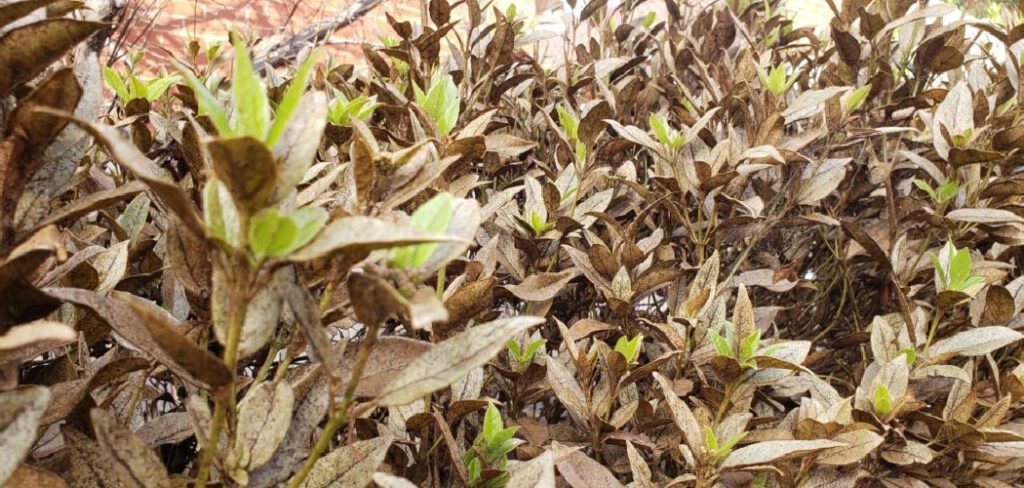
Powdery mildew is a fungal disease caused by various specific fungi, and the one that affects crepe myrtles thrives in particular conditions. Unlike many other fungi that need wet surfaces to grow, powdery mildew prefers high humidity at night and warm, dry days. This makes it a common problem in late spring and summer. Poor air circulation is a major contributing factor; when crepe myrtles are planted too close together or in shaded, stagnant areas, moisture gets trapped in the foliage, creating the perfect environment for spores to germinate and spread. Certain varieties of crepe myrtle are also more susceptible than others.
7 Step-by-Step Guide on How to Treat Powdery Mildew on Crepe Myrtle
Step 1: Positively Identify the Powdery Mildew
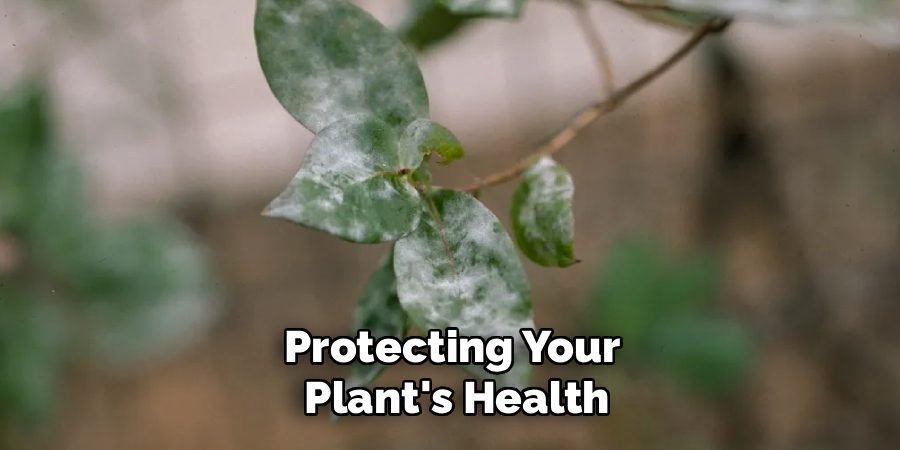
Before starting any treatment, confirm that you are dealing with powdery mildew. Look for its signature signs: white or grayish, dusty patches on the surfaces of leaves, new shoots, and flower buds. These spots may start small but can quickly spread to cover entire leaves. In severe cases, the foliage may become distorted, yellowed, or drop prematurely. The affected buds might fail to open properly. Differentiating it from other issues like insect residue or downy mildew is key to choosing the correct treatment and protecting your plant’s health.
Step 2: Prune Infected Areas Immediately
Your first line of attack is to physically remove the most heavily infected parts of the plant. Using clean, sharp pruning shears, carefully cut off any leaves, stems, or flower clusters that show significant signs of the white, powdery growth. This simple action reduces the number of fungal spores on the plant, limiting its ability to spread to healthy foliage. Be sure to dispose of the pruned material in the trash, not your compost bin, as the spores can survive and re-infect other plants later on.
Step 3: Improve Air Circulation Around the Plant
Poor airflow is a primary cause of powdery mildew. To combat this, you need to improve the circulation around and through your crepe myrtle. Prune away some of the interior branches to open up the canopy. This allows air to move freely, which helps keep the leaves dry and less hospitable to fungal growth. Also, consider the plant’s surroundings. Trim back any nearby shrubs or overhanging tree limbs that might be blocking airflow and creating a humid, stagnant microclimate around your crepe myrtle.
Step 4: Apply a Horticultural Oil Spray
Horticultural oils, such as neem oil, are an effective and often organic way to manage powdery mildew. These oils work by suffocating the fungal spores and preventing them from germinating. Mix the oil with water according to the product label’s instructions, often adding a drop of mild dish soap to help it adhere to the leaves. Spray the entire plant thoroughly, ensuring you cover the tops and undersides of all leaves, as well as the stems and buds. Apply the spray in the early morning or evening to avoid burning the foliage in direct sunlight.
Step 5: Use a Potassium Bicarbonate Solution
A solution of potassium bicarbonate is another excellent, environmentally friendly option for treating powdery mildew. It works by raising the pH on the leaf surface, which creates an inhospitable environment for the fungus. To create the spray, mix approximately one tablespoon of potassium bicarbonate and one-half teaspoon of mild liquid soap into one gallon of water. Shake the mixture well and spray all affected parts of the crepe myrtle. This treatment not only helps eliminate existing mildew but also provides potassium, a beneficial nutrient for the plant.

Step 6: Water the Soil, Not the Leaves
While high humidity contributes to powdery mildew, wetting the foliage can also create problems, especially if the leaves remain damp for extended periods. When you water your crepe myrtle, apply the water directly to the base of the plant, soaking the soil around the root zone. Avoid using overhead sprinklers that wet the entire canopy. Watering in the morning is also a good practice, as it gives any accidental splashes on the leaves ample time to dry in the sun before the cool, humid conditions of evening set in.
Step 7: Apply a Targeted Fungicide if Necessary
For severe or persistent infections, a commercial fungicide may be required. Look for products specifically labeled for treating powdery mildew on ornamental plants like crepe myrtles. Fungicides containing active ingredients such as myclobutanil, propiconazole, or thiophanate-methyl are often effective. Always read and follow the manufacturer’s instructions for application rates and safety precautions. This is a key part of how to treat powdery mildew on crepe myrtle when gentler methods are not enough. Apply the fungicide thoroughly to ensure complete coverage of the plant.
Monitor and Reapply Treatments
Managing powdery mildew is not a one-time task. After your initial treatment, you must continue to monitor your crepe myrtle closely for any new signs of the disease. Most treatments, especially organic ones like neem oil or potassium bicarbonate, need to be reapplied every 7 to 14 days until the conditions that favor the fungus—high humidity and warm temperatures—subside. Consistent monitoring and follow-up applications are crucial for keeping the mildew under control and ensuring your plant remains healthy throughout the growing season.

Frequently Asked Questions (FAQ)
Can Powdery Mildew Kill a Crepe Myrtle?
While powdery mildew is unsightly and can weaken a crepe myrtle, it is rarely fatal to a mature, well-established tree. The fungus primarily affects the plant’s appearance by coating its leaves and flowers. However, a severe, untreated infection can cause significant leaf drop, stunted growth, and reduced blooming. This stress can make the tree more vulnerable to other diseases and pests. Young or newly planted crepe myrtles are at a higher risk of serious damage, so prompt treatment is especially important for them.
What Is the Best Time of Day to Spray for Powdery Mildew?
The best time to apply any spray treatment for powdery mildew is in the early morning or late evening. During these times, the temperatures are cooler and the sun is less intense. Spraying in the midday heat and direct sunlight can cause the treatment—especially horticultural oils—to burn the plant’s leaves. Additionally, applying treatments in the morning allows the foliage to dry completely before the cool, humid conditions of night arrive, which reduces the risk of creating a favorable environment for other fungal diseases to develop.
Will Powdery Mildew Go Away on Its Own?
In most cases, powdery mildew will not go away on its own and will likely worsen if left untreated. The fungus will continue to produce spores and spread across the plant as long as environmental conditions remain favorable (warm days, humid nights, and poor air circulation). While a change in weather, such as a period of hot, dry winds or heavy rain, can sometimes reduce the severity of the infection, it is not a reliable solution. Proactive treatment is the best way to eliminate the fungus and prevent it from damaging your plant.
How Can I Prevent Powdery Mildew in the Future?
Prevention is the most effective strategy. Start by choosing a powdery mildew-resistant crepe myrtle variety; many modern cultivars are bred for this trait. Ensure you plant your crepe myrtle in a location that receives at least six hours of direct sunlight per day and has good air circulation. Avoid overcrowding your plants. Prune your crepe myrtle annually to maintain an open canopy structure. Water the soil at the base of the plant rather than the foliage, and do so in the morning.
Is Baking Soda the Same as Potassium Bicarbonate for Treatment?
Baking soda (sodium bicarbonate) can be used to treat powdery mildew, but potassium bicarbonate is generally considered a more effective and safer option for plants. While both work by altering the pH of the leaf surface, potassium bicarbonate is more potent as a fungicide. Furthermore, an excessive buildup of sodium from repeated baking soda applications can be harmful to the soil and the plant. Potassium bicarbonate, on the other hand, provides the plant with potassium, a useful nutrient. For this reason, it is often the preferred choice among gardeners.

Conclusion
Facing a fungal outbreak on your beloved crepe myrtle can be discouraging, but it’s a manageable problem. By correctly identifying the disease, pruning affected areas, improving air circulation, and applying the right treatments, you can successfully restore your tree’s health. Consistency is key, so remember to monitor your plant and reapply treatments as needed. With this knowledge of how to treat powdery mildew on crepe myrtle, you are well-equipped to protect your plant and ensure it continues to produce spectacular blooms year after year.

About Ravuk Barg
B.Sc. Horticulture Science | Certified Master Gardener
Ravuk Barg has spent more than a decade with his hands in the soil and his head full of questions about why some gardens thrive while others struggle. What started as a single raised bed of tomatoes and basil in a modest backyard has grown into a deep, working knowledge of everything from seed germination and soil amendment to companion planting and seasonal pruning.
Over the years, Ravuk has gardened through drought summers, waterlogged springs, and pest invasions that would make most gardeners hang up their trowels for good. Those hard seasons, he’ll tell you, taught him more than any perfect growing year ever could. He writes from that earned experience—covering vegetable growing, ornamental planting, houseplant care, composting, and garden design with equal confidence and curiosity.
Philosophy & Approach
Ravuk’s approach to gardening is rooted in practicality. He favors organic methods not out of dogma, but because they work long-term—resulting in healthier soil, fewer inputs, and stronger plants. He has a particular fondness for heirloom vegetable varieties (the kind with proper flavor), unruly cottage-style flower beds, and the stubborn houseplants that everyone else gave up on.
The Mission: Give readers the honest, experience-backed advice that helps them actually succeed in their gardens—not just the ideal version, but the real one; weeds, failures, and all.
Education & Credentials
-
B.Sc. in Horticulture Science
-
Greenfield Agricultural University
-
Focus: Plant Physiology, Soil Ecology, and Sustainable Crop Production
-
-
Master Gardener Certification
-
Cooperative Extension Service
-
Focus: 200+ hours of hands-on practical training and community garden work
-
Continuing Education
-
Organic Pest Management
-
Native Plant Landscaping
-
Sustainable Crop Production