

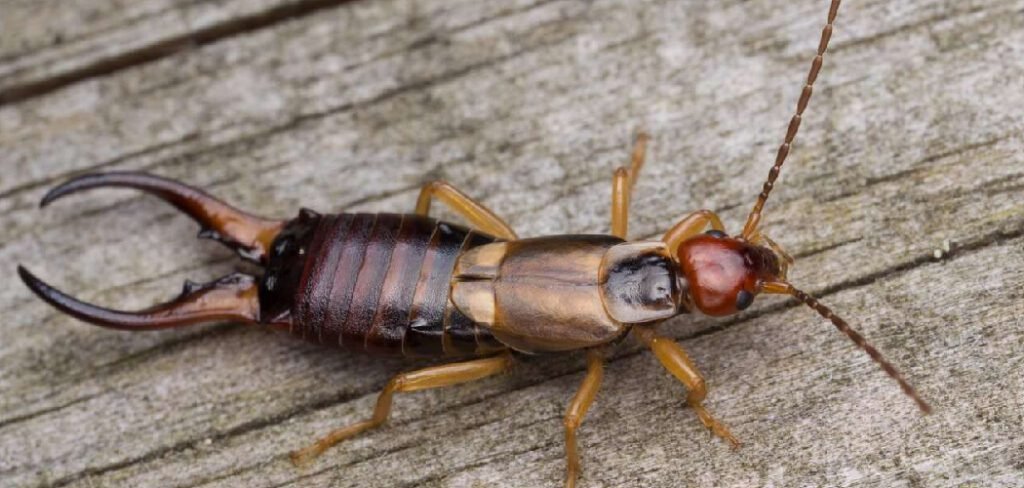
Discovering earwigs in your garden or home can be unsettling. These small, slender insects with distinctive pincers at their rear end often seek out dark, moist environments. While they play a minor role in breaking down decaying organic matter, a large population can become a significant nuisance, damaging your prized plants, seedlings, and even making their way indoors. Fortunately, managing an earwig problem is straightforward. This guide will provide you with simple, effective methods on how to trap earwigs, helping you protect your garden and keep your home pest-free without resorting to harsh chemicals.
Why Trap Earwigs?
While a few earwigs are generally harmless, an infestation can cause considerable damage, especially for gardeners. These nocturnal pests feed on a wide variety of plants, chewing ragged holes in the leaves and petals of flowers like zinnias, marigolds, and dahlias. They also target soft fruits like strawberries and apricots, as well as tender vegetable seedlings, including beans and corn. By trapping earwigs, you can significantly reduce their population, preventing this widespread damage and protecting the health and beauty of your garden. It’s a targeted approach that minimizes their numbers before they become a major issue.
8 Step-by-Step Guide on How to Trap Earwigs
Step 1: Identify Earwig Hotspots
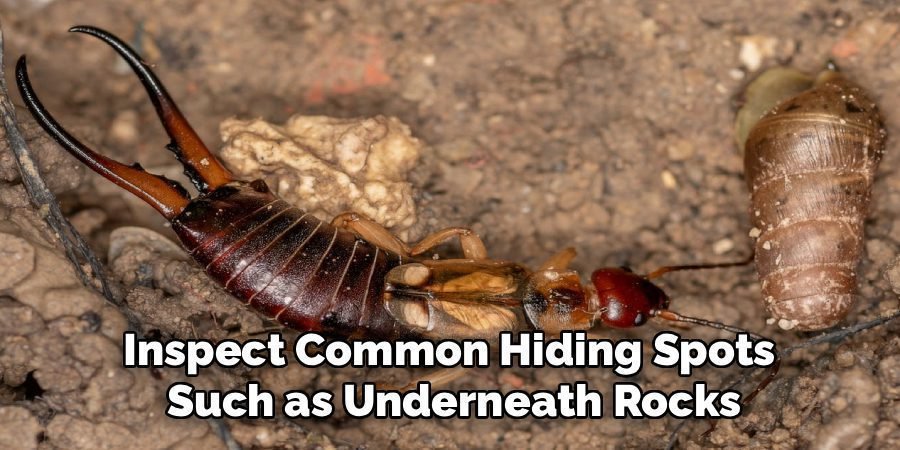
Before setting any traps, you need to know where the earwigs are hiding. These pests are nocturnal and thrive in damp, dark, and sheltered places. During the day, inspect common hiding spots such as underneath rocks, logs, and mulch piles. Check the base of dense plants, inside rotting wood, and under loose bark. You might also find them gathered beneath flower pots, outdoor furniture, or any debris left on the ground. Identifying these high-traffic areas is the crucial first step to placing your traps effectively for maximum impact.
Step 2: Prepare a Simple Oil and Soy Sauce Trap
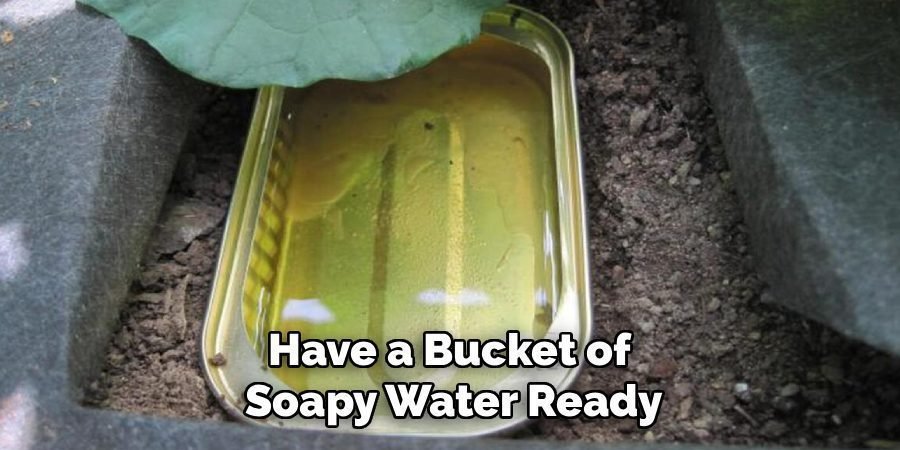
One of the most effective DIY methods involves a simple mixture that earwigs find irresistible. Start with a small, shallow container, like a yogurt cup or a cat food can. Pour in equal parts vegetable oil and soy sauce, filling the container about halfway. The soy sauce acts as a powerful attractant, drawing the earwigs in with its savory scent. The oil creates a surface they cannot escape from, causing them to fall in and drown. This trap is inexpensive, easy to prepare, and uses common household ingredients.
Step 3: Set Your Oil Traps in Key Locations
Once your oil and soy sauce traps are ready, it’s time for strategic placement. Take the containers and bury them in the soil so the rim is level with the ground. This creates an easy entry point for foraging earwigs. Place these traps in the hotspots you identified earlier, such as near the base of damaged plants, along garden bed borders, or next to woodpiles. For indoor problems, place them in damp areas like basements or under sinks. Setting multiple traps will increase your chances of success.
Step 4: Create a Rolled-Up Newspaper Trap
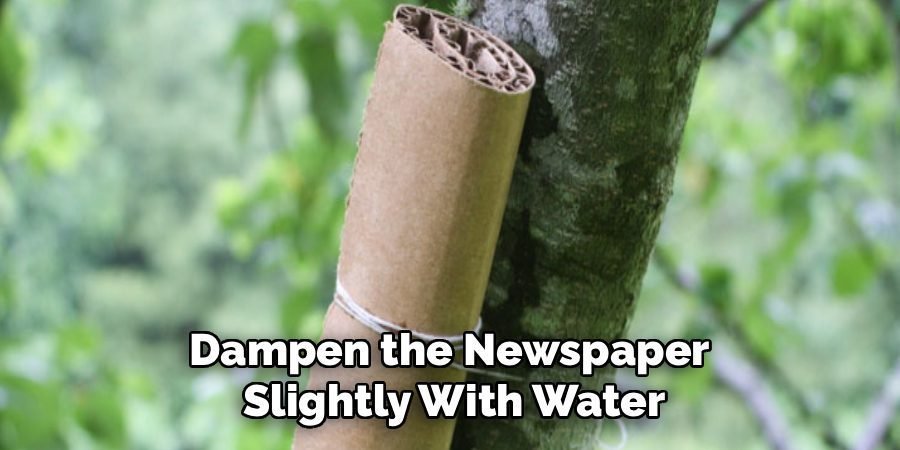
Another excellent, non-lethal option is the newspaper trap. This method takes advantage of the earwig’s natural instinct to seek dark, tight spaces for shelter during the day. Simply take a few sheets of newspaper, roll them up tightly, and secure the roll with a rubber band or string. To make it even more enticing, dampen the newspaper slightly with water. This creates the perfect moist, dark environment that earwigs love. This trap is completely free and provides a simple way to gather the pests in one place.
Step 5: Place Your Newspaper Traps at Dusk
The best time to set your newspaper traps is in the evening, just as earwigs are beginning their nightly activity. Place the dampened rolls in your garden near affected plants, along pathways, and in the identified hotspots. You can also place them around the foundation of your home to intercept any pests trying to find their way inside. The earwigs will crawl into the newspaper rolls seeking shelter as dawn approaches, effectively trapping themselves for you to collect in the morning.
Step 6: Create a Cardboard Trap
Similar to the newspaper method, a corrugated cardboard trap works wonders. Cut a piece of cardboard about one foot long and six inches wide. Roll it up so the corrugated flutes create small tunnels, and secure it with a rubber band. You can add a piece of bread or a few drops of fish oil inside to act as bait. The cardboard provides the dark, narrow shelter earwigs crave, and the corrugations offer perfect hiding channels. This is another low-cost and highly effective method for capturing these pests.
Step 7: Check and Empty Your Traps Daily
Consistency is key to successfully reducing an earwig population. You should check all your traps every morning. For the oil and soy sauce traps, you will likely find several drowned earwigs. Carefully dispose of the contents and refill the containers with a fresh mixture every few days or when they become full. This ensures the traps remain potent and effective. Regular maintenance is a vital part of learning how to trap earwigs and will yield the best results over time.
Step 8: Dispose of Trapped Earwigs
For the newspaper and cardboard traps, the process is simple. In the morning, carefully pick up the rolls, which should now contain several hiding earwigs. Have a bucket of soapy water ready. Shake the newspaper or cardboard vigorously over the bucket to dislodge the pests, causing them to fall into the water. The soap breaks the water’s surface tension, ensuring they drown quickly. You can then reset the traps for the following night to continue managing the population until their numbers are under control.
Common Mistakes to Avoid
When dealing with earwig infestations, it’s essential to approach the process carefully to ensure effective control. One common mistake is not checking traps consistently. Leaving traps unattended for too long can allow earwigs to escape or attract other pests. Another error is placing traps in areas that are not frequented by earwigs—ensure traps are placed in dark, damp spots where earwigs are most active. Additionally, using too little soap in the water can prevent the solution from effectively trapping and drowning the pests.
Finally, neglecting to inspect your garden for other breeding grounds, such as mulch or leaf litter, can enable the infestation to continue unchecked. By avoiding these missteps, you can maximize the effectiveness of your pest control efforts.
Frequently Asked Questions (FAQ)
What Attracts Earwigs to My House?
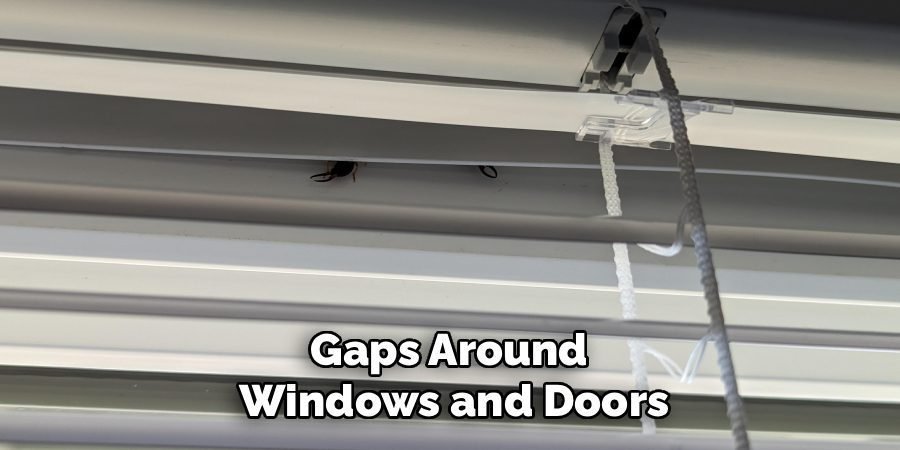
Earwigs are primarily drawn to moisture and shelter. They often enter homes through cracks in the foundation or gaps around windows and doors, especially during hot, dry weather when they are searching for a more hospitable environment. Indoors, they gravitate toward damp areas like basements, crawl spaces, laundry rooms, and bathrooms. They are also attracted to decaying organic matter, so compost piles or leaf litter near your home’s foundation can lure them closer, increasing the chances they will find a way inside.
Are Earwigs Dangerous to Humans or Pets?
Despite their intimidating appearance and the old wives’ tale about them crawling into ears, earwigs are not dangerous to humans or pets. Their rear pincers, or cerci, are primarily used for defense against other insects and for courtship rituals. While a large earwig might be capable of giving a mild pinch if handled, they rarely break the skin and are not venomous. They do not transmit diseases and are generally more of a nuisance pest than a direct threat to your family’s health.
Can Earwigs Damage Garden Plants?
Yes, earwigs can cause significant damage to garden plants, especially when their population is large. They are omnivores with a preference for soft plant tissue. They chew irregular holes in the leaves and flowers of many ornamental plants, such as marigolds, dahlias, and zinnias. They also feed on tender seedlings, which can stunt their growth or kill them entirely. Soft fruits like strawberries and apricots are also at risk. Monitoring your garden for this type of damage is a good indicator of an earwig problem.
How Can I Prevent Earwigs from Coming Back?
Prevention focuses on eliminating the conditions they find attractive. Start by reducing moisture around your home’s foundation—fix leaky faucets, redirect downspouts, and ensure proper drainage. Clear away potential hiding spots like leaf litter, woodpiles, and overgrown vegetation near your house. Seal cracks and crevices in your foundation and around windows and doors to block entry points. Inside, use a dehumidifier in damp areas like basements to make the environment less welcoming for them. Regular maintenance is key to long-term prevention.
When Is the Best Time of Year to Trap Earwigs?
The most effective time to trap earwigs is from late spring through summer. This is when they are most active, feeding, mating, and searching for shelter. Their populations tend to peak during warm, humid weather. Starting your trapping efforts as soon as you notice the first signs of damage or see the pests themselves will help you manage their numbers before they become a full-blown infestation. Continuing to trap throughout the summer season will help keep their population in check and protect your garden.
Conclusion
Controlling an earwig population doesn’t have to be a complicated or expensive task. By understanding their behavior and using simple, homemade solutions, you can effectively protect your garden and home. The methods outlined, from oil traps to newspaper rolls, offer practical ways to reduce their numbers without harmful pesticides. The key is to be consistent with placing and maintaining your traps. Now that you know how to trap earwigs, you have the power to manage these pests and ensure your plants can thrive undisturbed.

About Ravuk Barg
B.Sc. Horticulture Science | Certified Master Gardener
Ravuk Barg has spent more than a decade with his hands in the soil and his head full of questions about why some gardens thrive while others struggle. What started as a single raised bed of tomatoes and basil in a modest backyard has grown into a deep, working knowledge of everything from seed germination and soil amendment to companion planting and seasonal pruning.
Over the years, Ravuk has gardened through drought summers, waterlogged springs, and pest invasions that would make most gardeners hang up their trowels for good. Those hard seasons, he’ll tell you, taught him more than any perfect growing year ever could. He writes from that earned experience—covering vegetable growing, ornamental planting, houseplant care, composting, and garden design with equal confidence and curiosity.
Philosophy & Approach
Ravuk’s approach to gardening is rooted in practicality. He favors organic methods not out of dogma, but because they work long-term—resulting in healthier soil, fewer inputs, and stronger plants. He has a particular fondness for heirloom vegetable varieties (the kind with proper flavor), unruly cottage-style flower beds, and the stubborn houseplants that everyone else gave up on.
The Mission: Give readers the honest, experience-backed advice that helps them actually succeed in their gardens—not just the ideal version, but the real one; weeds, failures, and all.
Education & Credentials
-
B.Sc. in Horticulture Science
-
Greenfield Agricultural University
-
Focus: Plant Physiology, Soil Ecology, and Sustainable Crop Production
-
-
Master Gardener Certification
-
Cooperative Extension Service
-
Focus: 200+ hours of hands-on practical training and community garden work
-
Continuing Education
-
Organic Pest Management
-
Native Plant Landscaping
-
Sustainable Crop Production