

Creating a beautiful, green lawn is a point of pride for many homeowners. However, the traditional turf-grass lawn often requires significant water, fertilizer, and pesticides to stay lush. This maintenance can be costly for both your wallet and the environment. If you’re looking for a more sustainable, low-maintenance, and wildlife-friendly alternative, you’ve come to the right place. This guide will walk you through exactly how to transform your lawn into an eco-lawn.

An eco-lawn, composed of a mix of grasses and beneficial flowering plants like clover, is a vibrant and resilient green space that supports local ecosystems. It’s an empowering project for any beginner gardener wanting to make a positive impact, starting right in their own backyard.
Why Create an Eco-Lawn?
Switching from a conventional lawn to an eco-friendly one is more than just a gardening trend; it’s a practical response to environmental challenges. Traditional grass monocultures offer little benefit to pollinators like bees and butterflies, which are essential for a healthy ecosystem. Furthermore, they demand vast amounts of water to stay green, putting a strain on local resources, especially in drought-prone areas. Chemical fertilizers and pesticides used on these lawns can run off into waterways, causing pollution and harming aquatic life.
An eco-lawn, on the other hand, creates a biodiverse habitat, reduces water consumption, eliminates the need for harsh chemicals, and requires far less mowing, saving you time and energy while benefiting the planet.
8 Step Methods Guide on How to Transform Your Lawn Into an Eco-Lawn
Step 1: Assess Your Current Lawn and Soil
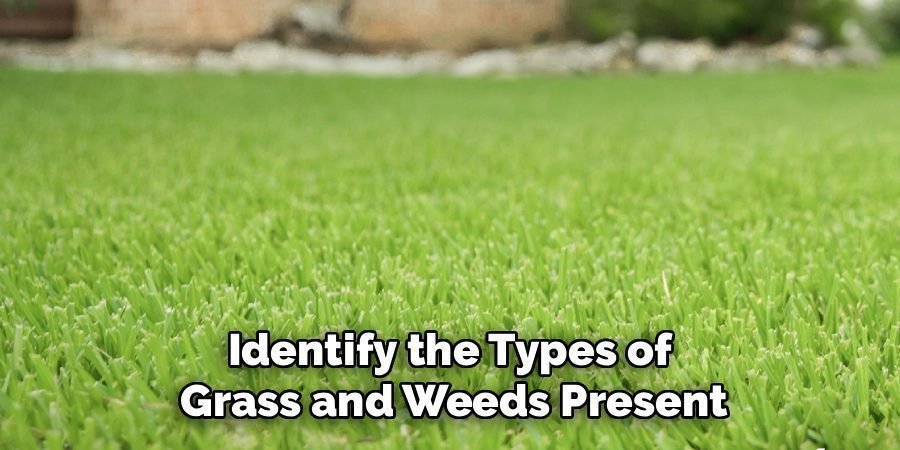
Before you begin, take a close look at your existing yard. Identify the types of grass and weeds present, and note areas that get a lot of sun versus those in the shade. Understanding your starting point is crucial. Next, perform a simple soil test to check its pH and nutrient levels. You can get a kit from a local garden center. This information will help you choose the right seed mix and determine if you need to amend the soil with compost or other organic matter to create an ideal growing environment for your new eco-lawn.
Step 2: Remove or Suppress Existing Grass
To give your new eco-lawn seeds the best chance to thrive, you must first deal with the old lawn. One effective and chemical-free method is sheet mulching. Cover the existing grass with layers of cardboard, topped with a thick layer of compost and mulch. This process blocks sunlight, suffocating the old grass and weeds underneath while enriching the soil as the materials decompose. Alternatively, you can use a sod cutter to physically remove the turf. This method is faster but more labor-intensive and removes valuable topsoil from your yard.
Step 3: Choose the Right Eco-Lawn Seed Mix
Selecting the appropriate seed blend is key to a successful eco-lawn. Look for mixes that are specifically designed for your climate and sun exposure. A good eco-lawn mix typically includes a variety of fine fescues, perennial ryegrass, and flowering broadleaf plants like white clover, yarrow, and English daisy. These plants work together to create a dense, drought-tolerant, and low-growing carpet. Clover is particularly beneficial as it naturally fixes nitrogen in the soil, acting as a free, built-in fertilizer for the surrounding grasses and reducing your maintenance tasks.
Step 4: Prepare the Soil for Seeding
With the old lawn removed, it’s time to prepare the seedbed. Rake the area to remove any remaining debris, rocks, or dead plant material. Loosen the top one to two inches of soil to create a fine, crumbly texture that allows new roots to establish easily. If your soil test indicated a need for amendments, this is the time to work them in. Spreading a thin layer of high-quality compost over the entire area will provide essential nutrients and improve the soil’s structure, helping it retain moisture for the germinating seeds.

Step 5: Sow the Eco-Lawn Seeds Evenly
For even distribution, use a broadcast spreader to sow your eco-lawn seeds. Divide the seed in half and walk over the entire area in one direction, then repeat the process walking in a perpendicular direction. This ensures complete coverage and prevents sparse patches. After spreading the seed, gently rake the area one last time to ensure the seeds make good contact with the soil. Avoid burying them too deep; a light covering is all that is needed for successful germination and to begin the process of lawn transformation.
Step 6: Follow a Guide on How to Transform Your Lawn Into an Eco-Lawn with Proper Watering
Proper watering is critical during the establishment phase. For the first few weeks, the soil surface must be kept consistently moist to encourage germination. This may mean watering lightly once or twice a day, depending on the weather. Be careful not to overwater, as this can wash away seeds or lead to fungal diseases. Once the seedlings are about an inch tall, you can reduce watering frequency but increase the duration to encourage deep root growth, which is essential for drought tolerance and the long-term health of your eco-lawn.
Step 7: Master the First Mowing and Ongoing Maintenance
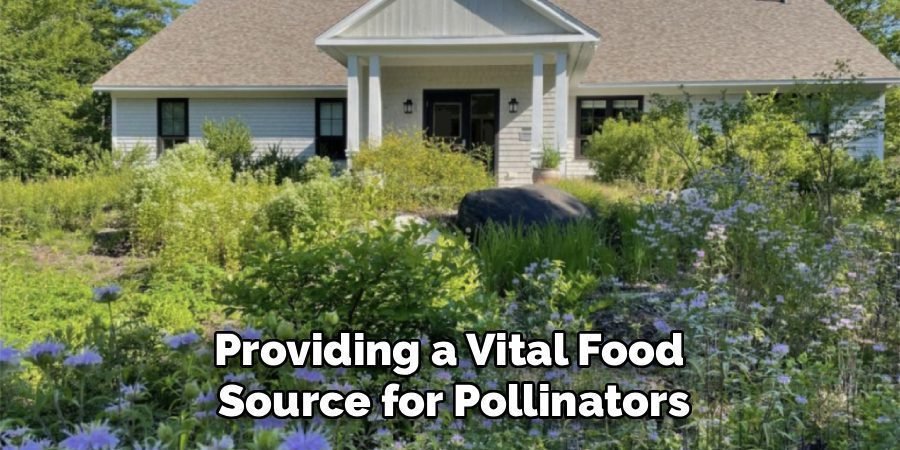
Your new eco-lawn will require less mowing than a traditional one, but the first cut is important. Wait until the new growth is about four inches tall. Set your mower to its highest setting (3-4 inches) and make sure the blade is sharp to avoid tearing the young grass blades. Never remove more than one-third of the grass height at a time. Going forward, you will only need to mow a few times a year. This limited mowing allows the flowering plants in the mix to bloom, providing a vital food source for pollinators.
Step 8: Embrace the Imperfections and Biodiversity
A key part of how to transform your lawn into an eco-lawn is shifting your mindset. An eco-lawn is not a uniform green carpet; it is a living, dynamic ecosystem. It will feature a tapestry of different textures and colors from the various grasses and flowers. You will see bees, butterflies, and other beneficial insects visiting your yard. Embrace this natural look and celebrate the biodiversity you are fostering. This resilient and beautiful space will reward you with less work, a healthier environment, and a connection to the nature right outside your door.
Frequently Asked Questions (FAQ)
How Long Does It Take for an Eco-Lawn to Fully Establish?
An eco-lawn begins to germinate within 7 to 14 days, and you should see a noticeable green carpet within a month. However, it can take a full growing season, and sometimes up to two years, for the lawn to become fully established and dense. During this time, the different plant species will fill in, and the root systems will deepen, creating the resilient, low-maintenance lawn you desire. Patience is key, as the long-term benefits are well worth the initial wait.
Can I Convert My Lawn in Sections Instead of All at Once?
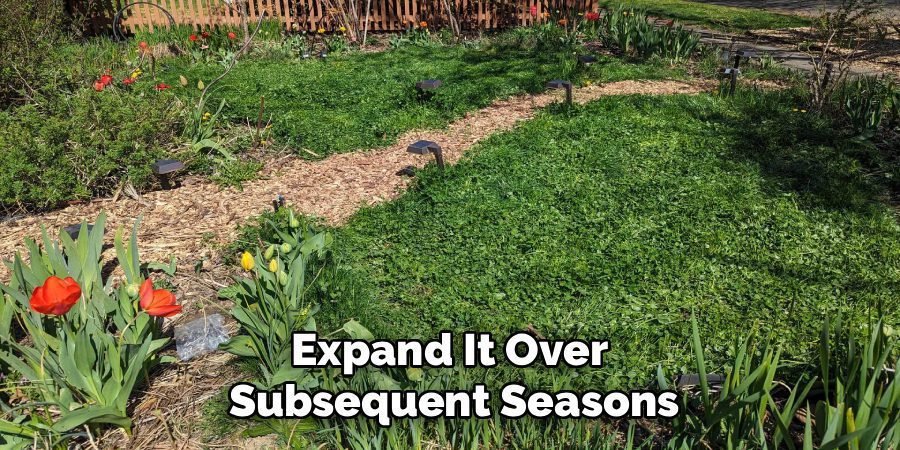
Absolutely. Transforming your lawn in sections is a great strategy, especially for larger yards. This approach allows you to manage the workload and cost more effectively. You can start with a smaller, manageable area and expand it over subsequent seasons. This method also gives you a chance to see what works best in your specific environment before committing your entire yard to the project. Just be sure to create a clear border between the old lawn and the new section to prevent unwanted grasses from creeping in.
Will an Eco-Lawn Attract Pests?
An eco-lawn is more likely to attract beneficial insects than pests. The diversity of plants, especially flowering ones like clover and yarrow, provides nectar and pollen for pollinators such as bees and butterflies. It also creates a habitat for predatory insects like ladybugs and lacewings, which help control pest populations naturally. This balanced ecosystem reduces the need for chemical pesticides, making your yard a healthier place for pets, children, and wildlife.
How Drought-Tolerant Is an Eco-Lawn Compared to a Traditional Lawn?
Eco-lawns are significantly more drought-tolerant than traditional turfgrass lawns. The seed mixes typically include deep-rooted fescues and clover, which are better at accessing water deep in the soil profile. While a conventional lawn will turn brown and go dormant quickly without regular watering, an eco-lawn can stay green with much less water. Once established, it may only need supplemental watering during prolonged periods of extreme heat and drought, saving a significant amount of water over time.
Can I Overseed an Existing Lawn to Create an Eco-Lawn?
Yes, overseeding is a less labor-intensive option, though it may be less effective than starting from scratch. To do this, you must first mow your existing lawn very short and then rake it vigorously to remove thatch and expose the soil. This process, known as dethatching, is crucial for seed-to-soil contact. After spreading your eco-lawn seed mix, water it regularly. The new seeds will compete with the existing grass, and it may take several seasons of overseeding to achieve a true eco-lawn.
Conclusion
Transforming your yard is a rewarding project that offers immense benefits for you and the local environment. By following these steps, you can move away from a high-maintenance, resource-intensive monoculture and create a vibrant, biodiverse, and beautiful green space. This guide on how to transform your lawn into an eco-lawn provides a clear path to reducing your water usage, eliminating chemicals, and supporting essential pollinators. Embrace the process and enjoy the satisfaction of cultivating a lawn that is not only beautiful but also truly alive.

About Ravuk Barg
B.Sc. Horticulture Science | Certified Master Gardener
Ravuk Barg has spent more than a decade with his hands in the soil and his head full of questions about why some gardens thrive while others struggle. What started as a single raised bed of tomatoes and basil in a modest backyard has grown into a deep, working knowledge of everything from seed germination and soil amendment to companion planting and seasonal pruning.
Over the years, Ravuk has gardened through drought summers, waterlogged springs, and pest invasions that would make most gardeners hang up their trowels for good. Those hard seasons, he’ll tell you, taught him more than any perfect growing year ever could. He writes from that earned experience—covering vegetable growing, ornamental planting, houseplant care, composting, and garden design with equal confidence and curiosity.
Philosophy & Approach
Ravuk’s approach to gardening is rooted in practicality. He favors organic methods not out of dogma, but because they work long-term—resulting in healthier soil, fewer inputs, and stronger plants. He has a particular fondness for heirloom vegetable varieties (the kind with proper flavor), unruly cottage-style flower beds, and the stubborn houseplants that everyone else gave up on.
The Mission: Give readers the honest, experience-backed advice that helps them actually succeed in their gardens—not just the ideal version, but the real one; weeds, failures, and all.
Education & Credentials
-
B.Sc. in Horticulture Science
-
Greenfield Agricultural University
-
Focus: Plant Physiology, Soil Ecology, and Sustainable Crop Production
-
-
Master Gardener Certification
-
Cooperative Extension Service
-
Focus: 200+ hours of hands-on practical training and community garden work
-
Continuing Education
-
Organic Pest Management
-
Native Plant Landscaping
-
Sustainable Crop Production