

Maintaining your lawn mower is essential for ensuring its optimal performance and longevity. A critical yet often overlooked component of this process is the spark plug. This small but mighty part is responsible for igniting the engine and keeping your mower running smoothly. Over time, spark plugs can become dirty, corroded, or worn out, which can lead to difficulty starting your lawn mower or even cause it to stall mid-operation. Knowing how to remove lawn mower spark plug is a fundamental skill for any DIYer, and it’s simpler than you might think.
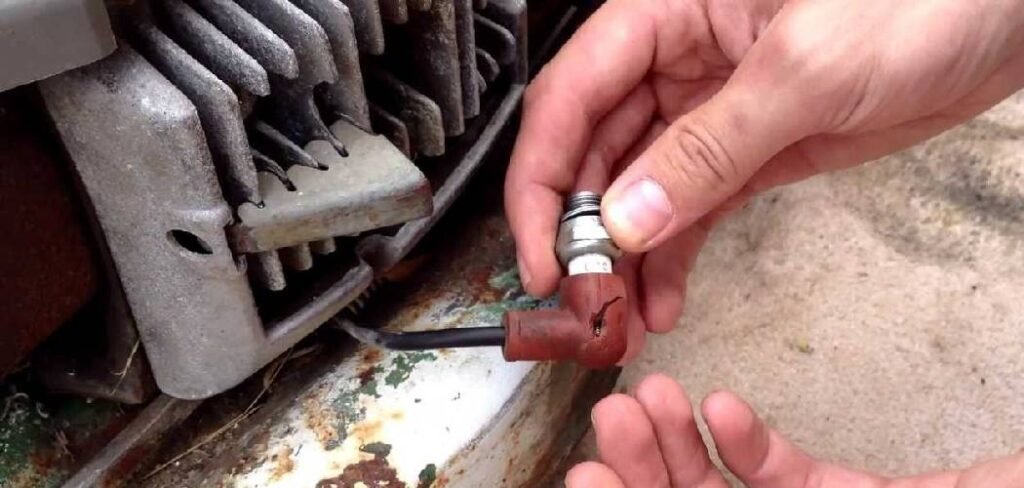
Whether you’re tuning up your mower for peak performance or troubleshooting engine issues, removing the spark plug is often the first step. This guide will walk you through the process step-by-step, equipping you with the knowledge to do it safely and efficiently.
Why You Need to Remove the Spark Plug
Removing the spark plug from your lawn mower is necessary for safety and routine maintenance. It ensures the engine won’t accidentally start during repairs. Additionally, inspecting and cleaning the spark plug helps improve engine performance, reduces fuel consumption, and prolongs the life of your mower. For these reasons, understanding this basic task is an essential part of lawn equipment care. Before starting, ensure your lawn mower is turned off and that the engine has completely cooled down. Locate the spark plug, typically found on the side or front of the engine with a thick wire connected to it.
Firmly grasp the spark plug boot and gently pull it off to disconnect the wire. Using a spark plug wrench or socket, loosen and remove the spark plug by turning it counterclockwise. Once removed, inspect the spark plug for any signs of damage, dirt, or wear. If needed, clean it with a wire brush or replace it with a new one if it appears too worn or corroded. Always ensure the new or cleaned spark plug is properly aligned and securely tightened before reconnecting the wire.
8-Step Guide: How to Remove Lawn Mower Spark Plug
Removing the spark plug might sound technical, but it’s a straightforward process when done methodically. This guide will ensure you complete the task step-by-step while keeping safety and efficiency in mind.
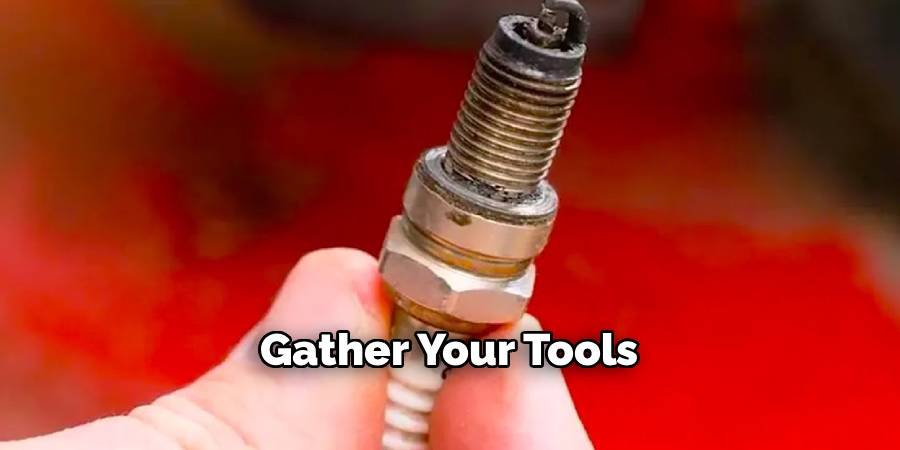
Step 1: Gather Your Tools
Before you start, make sure you have the right tools for the job. Most spark plug removals require a socket wrench with a spark plug socket attachment. Some mowers may use a standard wrench, but a specialized spark plug socket ensures a better fit and reduces the risk of damaging the plug. You’ll also need gloves to protect your hands and a clean cloth to wipe away debris. Working with the right tools minimizes the chance of errors and makes the process much smoother.
Step 2: Prepare Your Lawn Mower
Place your mower on a flat surface and ensure it’s completely turned off. Remove the key (if applicable) and disconnect the power source. For gas-powered mowers, turn off the fuel valve and allow the engine to cool before starting. This preparation ensures your safety and prevents accidental injury while handling the equipment. Taking a little extra time during this step can make the spark plug removal safer and stress-free.
Step 3: Locate the Spark Plug
The spark plug is typically found on the side or top of the mower engine, attached to a wire called the spark plug lead. The wire is usually thick and rubberized for insulation. Gently pull the wire cap to disconnect it from the spark plug. Be sure to grip the cap itself, not the wire, to avoid causing damage. Understanding the location of the spark plug helps you work more efficiently and reduces the chance of missteps.
Step 4: Inspect the Area Around the Spark Plug
Before removing the spark plug, it’s essential to clean the surrounding area. Use a clean cloth or brush to wipe away dirt, debris, and grass clippings that may have built up around the plug. If dirt falls into the engine cylinder when the spark plug is removed, it can lead to engine damage. Taking a few moments for this step can save you from larger repair issues down the road.
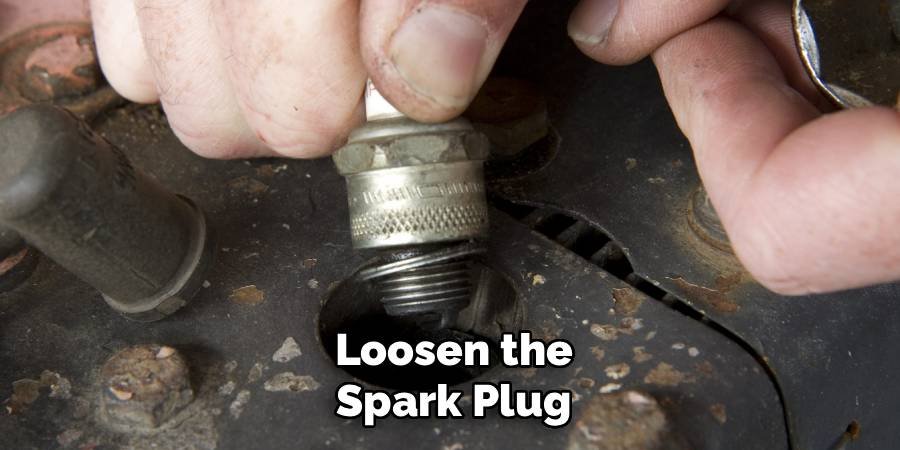
Step 5: Loosen the Spark Plug
Attach your socket wrench with the spark plug socket to the spark plug. Turn the wrench counterclockwise to loosen it. If the plug is difficult to move, apply firm but steady pressure—never force it. Some corrosion or tight threading can make removal tricky, but using the correct tools and a gentle approach ensures you won’t strip or break the plug. The moment you feel the plug begin to loosen, you’re one step closer to completing the job successfully.
Step 6: Remove the Spark Plug
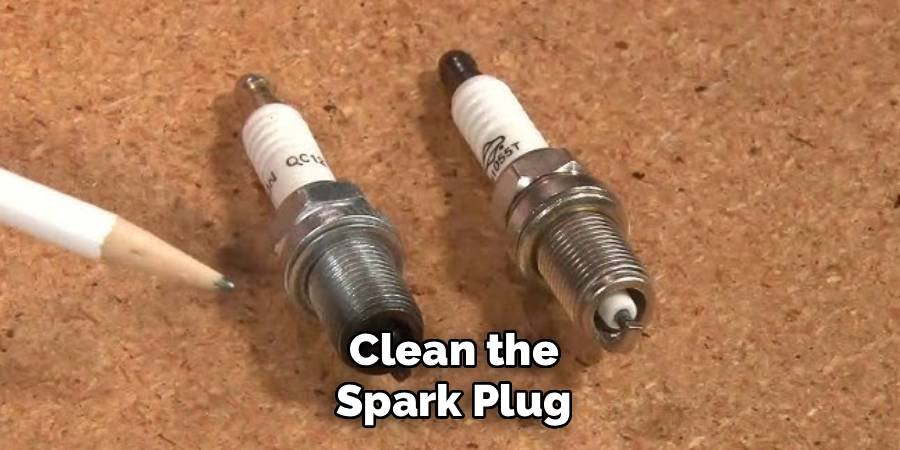
Carefully unscrew the spark plug the rest of the way by hand and set it aside. Inspect the spark plug for damage or buildup. If the electrode (metal tip) is blackened or covered in soot, it may need cleaning or replacement. Discard visibly damaged or excessively worn spark plugs. Observing the condition of the removed spark plug can provide clues to your mower’s overall health and performance.
Step 7: Replace or Clean the Spark Plug
If the spark plug is in good condition but slightly dirty, clean it carefully using a wire brush. Ensure no debris falls into the small gap at the tip. If the spark plug is beyond salvage, replace it with a new one. Consult your lawn mower’s manual to confirm the right size and type of replacement. Proper maintenance at this stage guarantees optimal engine performance once you reinstall the spark plug.
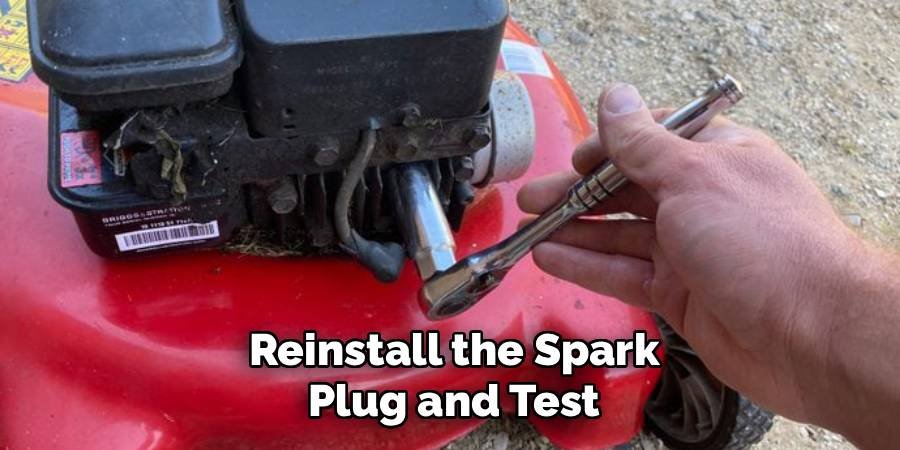
Step 8: Reinstall the Spark Plug and Test
Insert the cleaned or new spark plug into the socket and hand-tighten it. Then, use the socket wrench to give it a snug fit. Reattach the spark plug lead by pressing the wire cap firmly over the spark plug. Once everything is secured, start the mower to ensure it runs smoothly. Testing your mower after reinstalling the spark plug gives you peace of mind, knowing the job was done correctly.
Maintaining Your Lawn Mower
Regular maintenance extends the life of your lawn mower. Clean the air filter, check the oil levels, and inspect the spark plug periodically to ensure everything is functioning properly. Avoid overworking your mower, and always keep the blades clean and sharp. A well-maintained mower not only performs better but also reduces fuel consumption, saving you money in the long run.
Additionally, it’s important to store your lawn mower in a dry, sheltered place to prevent rust and damage caused by moisture. When not in use for extended periods, consider draining the fuel tank or adding a fuel stabilizer to prevent the fuel from degrading. Regularly checking the belts and wheels for wear can also help identify potential issues before they become serious problems. By dedicating a little time to preventive care, you can ensure your lawn mower remains reliable and efficient for years to come.
Common Mistakes When Removing a Spark Plug
Many first-timers make simple mistakes when removing a spark plug. One common error is failing to disconnect the power source, which can pose a safety risk. Another is not cleaning the area around the spark plug before removal, potentially allowing debris to enter the engine. Additionally, overtightening the spark plug during reinstallation can strip the threads, causing long-term damage. Avoiding these pitfalls will make the process smoother and safer.
Using the correct tools is essential for successfully removing and replacing a spark plug. A spark plug socket, often lined with rubber or foam to protect the plug, is specifically designed for this task and ensures a secure grip. Pair this with a ratchet or a torque wrench to carefully loosen or tighten the plug to the manufacturer’s specifications. It’s also important to inspect the spark plug for signs of wear or damage, such as carbon deposits or a worn electrode, as these could indicate larger engine issues. Proper technique and attention to detail will help maintain engine performance and reliability.
FAQ
How do I know if my spark plug is bad?
If your lawn mower struggles to start, stalls frequently, or runs poorly, the spark plug may need cleaning or replacement.
What size socket do I need for a lawn mower spark plug?
Most spark plugs require a 5/8-inch or 13/16-inch socket, but always check your mower’s manual for the precise dimensions.
How often should I replace my lawn mower spark plug?
Replace the spark plug every 100 hours of use or annually, whichever comes first, for optimal performance.
Can I clean a spark plug instead of replacing it?
Yes, you can clean a spark plug with a wire brush if it’s not too damaged. However, replace it if it’s corroded or worn out.
Why won’t my spark plug come out?
If the spark plug feels stuck, it may be due to corrosion. Apply penetrating oil, wait a few minutes, and then try loosening it again.
Conclusion
Knowing how to remove lawn mower spark plug is a vital skill for maintaining your equipment’s performance and safety. By following the steps outlined above, you can confidently remove, inspect, and replace this critical component. Regular spark plug checks and replacements ensure your mower runs efficiently and prevents unexpected breakdowns. Take care of your lawn mower, and it will take care of your lawn!

About Ravuk Barg
B.Sc. Horticulture Science | Certified Master Gardener
Ravuk Barg has spent more than a decade with his hands in the soil and his head full of questions about why some gardens thrive while others struggle. What started as a single raised bed of tomatoes and basil in a modest backyard has grown into a deep, working knowledge of everything from seed germination and soil amendment to companion planting and seasonal pruning.
Over the years, Ravuk has gardened through drought summers, waterlogged springs, and pest invasions that would make most gardeners hang up their trowels for good. Those hard seasons, he’ll tell you, taught him more than any perfect growing year ever could. He writes from that earned experience—covering vegetable growing, ornamental planting, houseplant care, composting, and garden design with equal confidence and curiosity.
Philosophy & Approach
Ravuk’s approach to gardening is rooted in practicality. He favors organic methods not out of dogma, but because they work long-term—resulting in healthier soil, fewer inputs, and stronger plants. He has a particular fondness for heirloom vegetable varieties (the kind with proper flavor), unruly cottage-style flower beds, and the stubborn houseplants that everyone else gave up on.
The Mission: Give readers the honest, experience-backed advice that helps them actually succeed in their gardens—not just the ideal version, but the real one; weeds, failures, and all.
Education & Credentials
-
B.Sc. in Horticulture Science
-
Greenfield Agricultural University
-
Focus: Plant Physiology, Soil Ecology, and Sustainable Crop Production
-
-
Master Gardener Certification
-
Cooperative Extension Service
-
Focus: 200+ hours of hands-on practical training and community garden work
-
Continuing Education
-
Organic Pest Management
-
Native Plant Landscaping
-
Sustainable Crop Production