

A lush, green lawn is the centerpiece of a beautiful home landscape, but achieving that perfect look requires consistent effort. Many homeowners dream of a vibrant carpet of grass but feel overwhelmed by the process. The good news is that lawn care doesn’t have to be complicated. Understanding the fundamental needs of your grass is the first step toward a healthier, more resilient yard. This guide provides a clear, straightforward approach, breaking down the essentials into manageable steps. Learning how to take care of turf grass is an investment in your home’s curb appeal and your own enjoyment of your outdoor space.

We will walk you through everything from soil preparation to regular maintenance, ensuring you have the knowledge to cultivate a lawn you can be proud of.
Why a Healthy Lawn Matters
A well-maintained lawn does more than just look good; it offers significant environmental and personal benefits. Healthy turf grass acts as a natural air filter, trapping dust, pollutants, and carbon dioxide while releasing fresh oxygen. Its dense root system is excellent for soil erosion control, preventing runoff and helping to filter rainwater before it reaches the groundwater supply. Furthermore, a thriving lawn can cool the surrounding area, reducing the heat island effect common in urban and suburban neighborhoods. For families, it provides a safe and comfortable surface for recreation and relaxation.
Investing time in proper lawn care creates a more sustainable and enjoyable environment right outside your door.
9 Step Methods Guide on How to Take Care of Turf Grass
Step 1: Test Your Soil
Before you do anything else, understanding your soil’s composition is critical. A simple soil test kit can reveal its pH level and nutrient deficiencies. Turf grass generally thrives in soil with a pH between 6.0 and 7.0. If your soil is too acidic or alkaline, your grass will struggle to absorb essential nutrients, no matter how much you fertilize. The test results will guide you on which amendments to add, such as lime to raise the pH or sulfur to lower it, creating the ideal foundation for a healthy lawn.

Step 2: Choose the Right Grass Type
Not all grass is created equal. The best type for your yard depends on your climate, soil type, and the amount of sun your lawn receives. Cool-season grasses like Kentucky bluegrass and fescues are ideal for northern regions with cold winters and mild summers. In contrast, warm-season grasses such as Bermuda, Zoysia, and St. Augustine flourish in the heat of southern climates. Selecting a grass variety that is naturally suited to your environment will save you countless hours of effort and lead to a more resilient, low-maintenance lawn.
Step 3: Proper Mowing Techniques
Mowing is more than just a weekend chore; it’s a vital part of lawn health. A common mistake is cutting the grass too short, which stresses the plant and exposes the soil to weed invasion. As a rule, never remove more than one-third of the grass blade’s height in a single mowing session. Keep your mower blades sharp to ensure a clean cut, as dull blades tear the grass, making it susceptible to disease. Varying your mowing pattern also helps prevent ruts and encourages the grass to grow upright.
Step 4: Master the Art of Watering
Water is essential, but how and when you water makes all the difference. Deep, infrequent watering is far more effective than a light, daily sprinkle. This encourages the grass roots to grow deeper into the soil, making the lawn more drought-tolerant. The best time to water is in the early morning, between 6 a.m. and 10 a.m. This timing minimizes evaporation and allows the foliage to dry before nightfall, reducing the risk of fungal diseases. Your lawn typically needs about one inch of water per week, including rainfall.

Step 5: Fertilize Strategically
Fertilizer provides the nutrients your turf grass needs to thrive, but timing is key. A balanced, slow-release nitrogen fertilizer is generally best for sustained growth. For cool-season grasses, the most important times to fertilize are in the fall and spring. For warm-season grasses, fertilize during the late spring and summer months when they are actively growing. Always follow the application rates on the product label to avoid over-fertilizing, which can burn your lawn and harm the environment. This is a crucial element of how to take care of turf grass properly.
Step 6: Aerate Compacted Soil
Over time, soil can become compacted from foot traffic and mowing, restricting the flow of air, water, and nutrients to the grass roots. Aeration is the process of creating small holes in the soil to alleviate this compaction. Core aerators, which pull plugs of soil out of the ground, are generally more effective than spike aerators. Aerating your lawn once a year, typically in the fall for cool-season grasses and early summer for warm-season grasses, will dramatically improve its overall health and vigor.
Step 7: Overseed for a Thicker Lawn
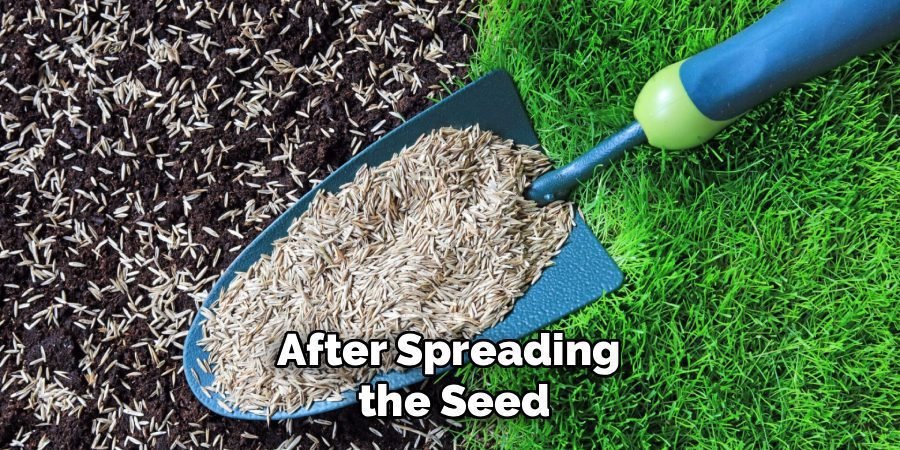
Overseeding is the practice of spreading grass seed over your existing lawn. This helps fill in bare patches, improves turf density, and can introduce more resilient grass varieties into your yard. The best time to overseed is in the early fall for cool-season grasses, as the soil is still warm and there is less competition from weeds. After spreading the seed, be sure to water the area lightly but frequently until the new grass is established. A thicker lawn is your best defense against weeds.
Step 8: Control Weeds Proactively
Weed control is an ongoing battle, but a proactive approach is most effective. The best defense is a thick, healthy lawn that leaves no room for weeds to establish. For existing weeds, manual removal by hand is effective for smaller infestations. For larger problems, you can use a pre-emergent herbicide in the spring to prevent seeds like crabgrass from germinating. Post-emergent herbicides can be used to spot-treat broadleaf weeds that appear during the growing season. Always read and follow product instructions carefully for safe application.
Step 9: Manage Pests and Diseases
A healthy lawn is less susceptible to pests and diseases, but problems can still arise. Regularly inspect your lawn for signs of trouble, such as discolored patches, chewed blades, or visible insects. Common pests include grubs, chinch bugs, and armyworms. Fungal diseases like brown patch and dollar spot often appear during periods of high humidity. Proper identification is the first step to effective treatment. If a problem persists, consider using targeted pesticides or fungicides, or consult a local lawn care professional for advice.
Frequently Asked Questions (FAQ)
How often should I mow my lawn?
The frequency of mowing depends on the grass type and its growth rate, but a general guideline is to mow once a week during the peak growing season. The key is to follow the “one-third rule,” meaning you should never cut more than one-third of the grass blade’s height at a time. Mowing more frequently at a higher setting is much healthier for the grass than letting it grow long and then cutting it very short, which can cause stress and damage.

What is the best time of day to water my grass?
The ideal time to water your lawn is in the early morning, typically between 6 a.m. and 10 a.m. Watering at this time allows the grass to absorb the moisture efficiently with minimal loss to evaporation from the sun’s heat. It also gives the grass blades plenty of time to dry before evening. Watering at night can leave the foliage damp for an extended period, creating a perfect environment for fungal diseases to develop and spread.
How do I fix bare patches in my lawn?
To fix bare patches, first, loosen the soil in the affected area with a rake, removing any dead grass or debris. Mix in some compost or topsoil to enrich the area. Then, spread a high-quality grass seed that matches your existing lawn. Gently rake the seed into the soil to ensure good seed-to-soil contact. Keep the patch consistently moist by watering lightly every day until the new grass is about two inches tall, then gradually reduce watering frequency.
What do the numbers on a fertilizer bag mean?
The three numbers on a fertilizer bag represent the percentage of Nitrogen (N), Phosphorus (P), and Potassium (K) in the product. This is known as the N-P-K ratio. Nitrogen promotes lush, green top growth. Phosphorus supports strong root development, which is crucial for new lawns. Potassium helps the overall function and health of the grass, improving its resistance to drought, disease, and extreme temperatures. A balanced fertilizer will provide all three essential nutrients.
Is it better to bag or mulch grass clippings?
In most cases, mulching is the better option. Returning the clippings to the lawn acts as a natural, slow-release fertilizer, adding nitrogen and other valuable nutrients back into the soil. This practice, known as “grasscycling,” can reduce your need for chemical fertilizers. However, you should bag the clippings if you have let the grass grow too long, as long clippings can smother the lawn, or if the grass shows signs of disease, to prevent it from spreading.
Conclusion
Creating and maintaining a beautiful lawn is a rewarding journey that enhances your home and connects you with nature. By following these fundamental steps—from testing your soil and choosing the right grass to mastering mowing, watering, and feeding—you build a strong foundation for a healthy turf. Remember that consistency is the most important tool in your shed. A little effort each week goes a long way in preventing problems like weeds, pests, and disease.
Now that you have a clear roadmap on how to take care of turf grass, you are well-equipped to cultivate a lawn that is not only green and lush but also resilient and sustainable for years to come.

About Ravuk Barg
B.Sc. Horticulture Science | Certified Master Gardener
Ravuk Barg has spent more than a decade with his hands in the soil and his head full of questions about why some gardens thrive while others struggle. What started as a single raised bed of tomatoes and basil in a modest backyard has grown into a deep, working knowledge of everything from seed germination and soil amendment to companion planting and seasonal pruning.
Over the years, Ravuk has gardened through drought summers, waterlogged springs, and pest invasions that would make most gardeners hang up their trowels for good. Those hard seasons, he’ll tell you, taught him more than any perfect growing year ever could. He writes from that earned experience—covering vegetable growing, ornamental planting, houseplant care, composting, and garden design with equal confidence and curiosity.
Philosophy & Approach
Ravuk’s approach to gardening is rooted in practicality. He favors organic methods not out of dogma, but because they work long-term—resulting in healthier soil, fewer inputs, and stronger plants. He has a particular fondness for heirloom vegetable varieties (the kind with proper flavor), unruly cottage-style flower beds, and the stubborn houseplants that everyone else gave up on.
The Mission: Give readers the honest, experience-backed advice that helps them actually succeed in their gardens—not just the ideal version, but the real one; weeds, failures, and all.
Education & Credentials
-
B.Sc. in Horticulture Science
-
Greenfield Agricultural University
-
Focus: Plant Physiology, Soil Ecology, and Sustainable Crop Production
-
-
Master Gardener Certification
-
Cooperative Extension Service
-
Focus: 200+ hours of hands-on practical training and community garden work
-
Continuing Education
-
Organic Pest Management
-
Native Plant Landscaping
-
Sustainable Crop Production