

Not everyone has access to a lawn mower, and sometimes you need alternative methods to maintain your yard. Learning how to cut grass without a lawn mower can be essential for small spaces, eco-conscious homeowners, or when your mower breaks down unexpectedly. Whether you’re dealing with a tiny patch of grass, prefer quiet maintenance methods, or want to reduce your carbon footprint, manual grass cutting techniques can be surprisingly effective. These time-tested methods have kept lawns neat for centuries before powered equipment became common.

One effective method to cut grass without a lawn mower is by using grass shears or handheld clippers. These tools allow for precise trimming and are perfect for small areas or edges that are difficult to reach with larger equipment. Scything is another traditional technique that involves using a long, curved blade to cut grass in sweeping motions.
It requires some practice but can be efficient for larger areas. Additionally, a string trimmer, although powered, offers a lightweight and portable option for cutting grass without the bulk of a lawn mower. For those looking to stay entirely manual, a sickle is a compact tool that delivers great results with minimal effort. By selecting the right tool and practicing proper technique, maintaining your lawn without a mower can be both practical and satisfying.
Why You Need to Cut Grass Without a Lawn Mower
Several situations make manual grass cutting necessary or preferable. Your mower might be broken or in for repairs, leaving you with overgrown grass that needs immediate attention. Apartment dwellers with small balcony gardens often lack storage space for large equipment. Environmental concerns drive some homeowners to choose manual methods that produce zero emissions and noise pollution. Additionally, delicate areas around flower beds, trees, or decorative features often require the precision that only hand tools can provide.
10 Step-by-Step Guide: How to Cut Grass Without a Lawn Mower
Step 1: Choose Your Cutting Tool
Select the right manual tool for your grass type and area size. Grass shears work best for small patches and detailed trimming around edges. A scythe handles larger areas efficiently but requires practice to use safely. String trimmers offer a middle ground between manual and powered options. Consider your physical capabilities and the grass height when making this decision.
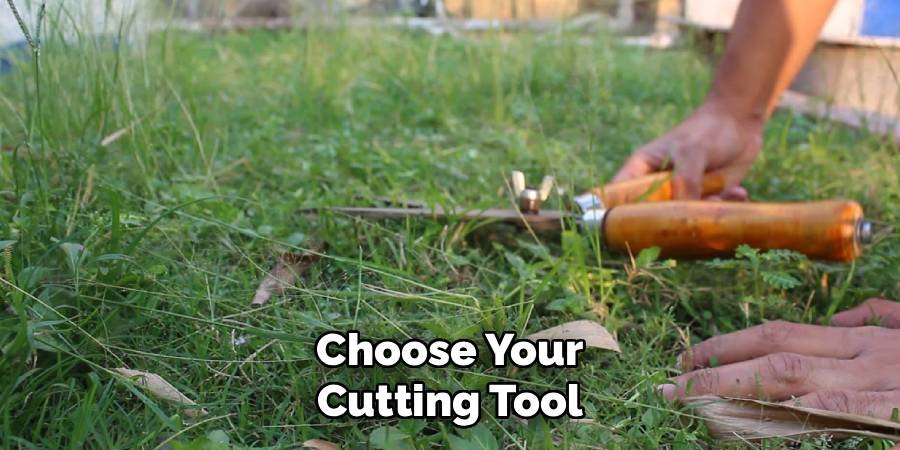
Once you have chosen your cutting tool, ensure it is sharp and in good condition to make the task easier and more effective. Dull blades can tear the grass instead of cutting it cleanly, which could damage your lawn and make the work more time-consuming. Regularly inspect your tool and perform necessary maintenance, such as sharpening or oiling, before you begin. Properly maintained tools not only improve efficiency but also help reduce the effort needed to complete the task.
Step 2: Prepare Your Work Area
Clear the grass area of debris, toys, or obstacles that could interfere with cutting. Check for hidden rocks, sprinkler heads, or garden borders that might damage your tools. Mark any delicate plants or areas you want to avoid. Good preparation prevents accidents and ensures even cutting results across your entire lawn space.
Make sure to dress appropriately for the task. Wear sturdy shoes with good traction to prevent slipping and consider wearing gloves to protect your hands from blisters or cuts. Safety glasses or goggles can also be helpful to shield your eyes from flying debris. Additionally, ensure that you have access to water to stay hydrated, especially if you’ll be working under the sun for an extended period of time. Taking these precautions will help you work comfortably and safely.
Step 3: Time Your Cutting Session
Plan your grass cutting during optimal conditions for both you and the grass. Early morning or late afternoon provides cooler temperatures and better working conditions. Avoid cutting wet grass, which clumps together and creates uneven results. Dry grass cuts cleaner and reduces strain on your manual tools while preventing potential slip hazards.
Additionally, ensure your tools are sharp and well-maintained before beginning. Dull blades can tear the grass instead of cutting it cleanly, leading to an unhealthy and uneven lawn. Regularly inspect your tools for signs of wear or damage, and address any issues promptly. Properly maintained equipment not only improves the quality of the cut but also reduces the amount of effort required, making the task more efficient and less strenuous.
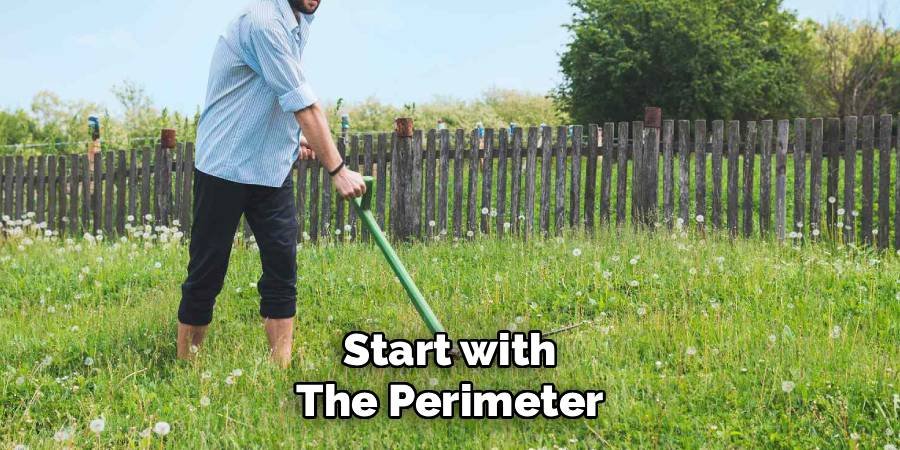
Step 4: Start with the Perimeter
Begin cutting along the edges and borders of your grass area. This creates clean lines and establishes your cutting pattern for the main area. Use grass shears for precise edge work around walkways, flower beds, and structures. Working systematically from the outside prevents you from walking on freshly cut areas and maintains consistent results.
Step 5: Work in Manageable Sections
Divide larger grass areas into smaller, workable sections to prevent fatigue and maintain cutting quality. Focus on one section at a time, ensuring complete coverage before moving to the next area. This methodical approach helps you maintain consistent grass height and prevents missed spots that would require additional passes later.
Step 6: Maintain Proper Cutting Height
Keep your grass at an appropriate height for health and appearance, typically between two to three inches for most grass types. Avoid cutting more than one-third of the grass blade length in a single session. Proper height promotes root development and helps grass resist drought and disease while maintaining an attractive appearance.
Regularly sharpen your mower blades to ensure clean cuts and prevent tearing or damaging the grass. Dull blades can leave ragged edges on the grass, making it more susceptible to pests and diseases. Aim to sharpen the blades at least once per mowing season or more frequently if needed, depending on usage. Proper maintenance of your equipment not only improves lawn health but also makes mowing more efficient and effective.
Step 7: Use Proper Body Mechanics
Protect your body by using correct posture and technique throughout the cutting process. Keep your back straight when using grass shears, and take frequent breaks to prevent strain. Alternate your grip and cutting angles to avoid repetitive stress injuries. Proper technique ensures you can complete the job efficiently without compromising your physical well-being.
Step 8: Collect Cut Grass Clippings
Gather grass clippings as you work to maintain a neat appearance and prevent thatch buildup. Short clippings can remain on the lawn as natural fertilizer, but longer pieces should be collected and composted. Removing excess clippings prevents smothering of remaining grass and maintains proper air circulation for healthy lawn growth.
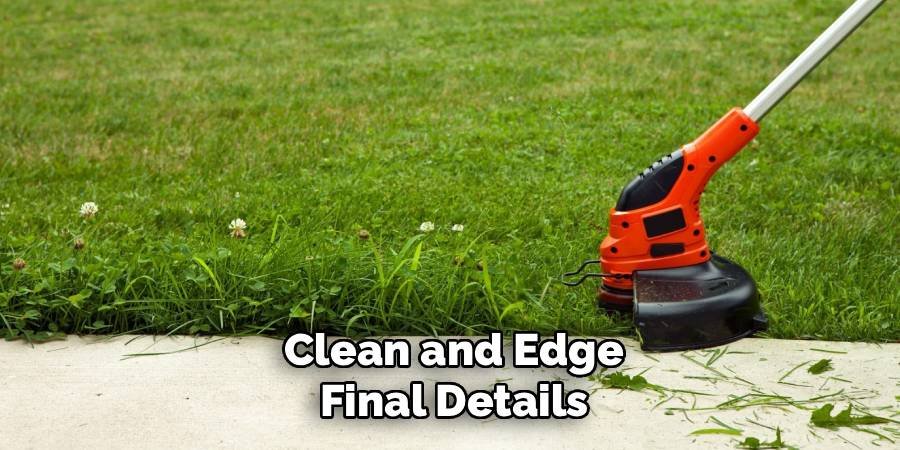
Step 9: Clean and Edge Final Details
Complete your grass cutting session by addressing any missed spots and creating clean edge lines. Use grass shears for final touch-ups around obstacles and tight spaces. Check your work from different angles to identify uneven areas that need additional attention. These finishing touches make the difference between acceptable and professional-looking results.
Step 10: Tool Maintenance and Storage
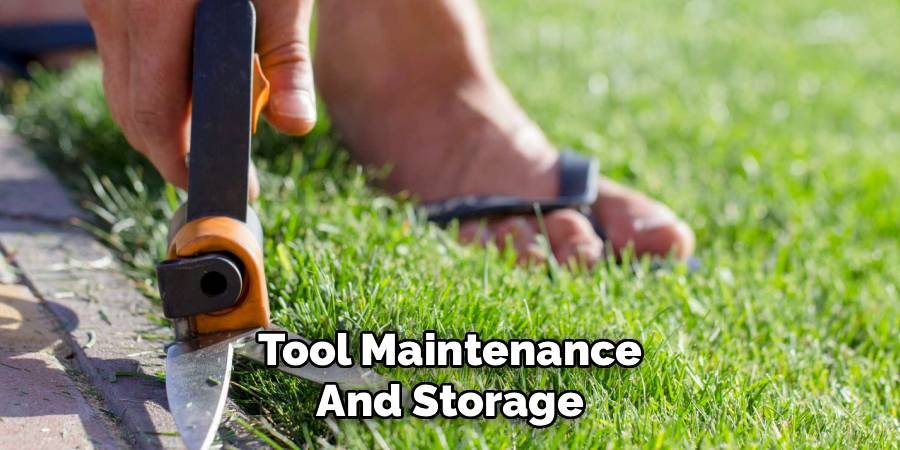
Clean your manual cutting tools immediately after use to prevent rust and maintain sharp cutting edges. Remove grass debris and moisture, then apply a light coating of oil to metal surfaces. Store tools in a dry location where they won’t be damaged. Proper maintenance ensures your manual grass cutting tools remain effective for future use.
Regularly sharpen the blades of your manual cutting tools to keep them in top condition. This will help make cutting easier and prevent dull or jagged cuts that can damage grass. You can either sharpen the blades yourself using a file or take them to a professional for maintenance.
Store your manual cutting tools in a secure location, away from children and pets. This will not only protect them from potential damage but also ensure safety for those around you. Additionally, storing your tools properly will save you time and effort in finding them when needed for lawn maintenance tasks.
If any of your manual cutting tools get damaged, promptly repair or replace them. Using damaged tools can be dangerous and may result in poor quality cuts
Maintaining Your Manual Grass Cutting Tools
Proper tool maintenance extends the life of your manual grass cutting equipment and ensures consistent performance. Clean blades after each use with a damp cloth and remove any grass buildup that could harbor moisture. Sharpen cutting edges regularly using appropriate files or whetstones, as dull blades make cutting more difficult and can damage grass. Apply light machine oil to moving parts and metal surfaces to prevent rust formation during storage periods.
Common Mistakes to Avoid
Many people cut grass too short when using manual methods, thinking it reduces future work, but this weakens the grass and promotes weed growth. Working during hot midday hours leads to quick fatigue and poor cutting quality. Neglecting tool maintenance results in dull blades that tear rather than cleanly cut grass blades. Attempting to cut overgrown grass all at once overwhelms manual tools and creates uneven results. Taking your time and working systematically produces much better outcomes.
FAQ
How long does it take to cut grass without a mower?
Manual grass cutting typically takes 3-5 times longer than using a powered mower, depending on your tool choice and grass area size.
What’s the best manual tool for cutting grass?
Grass shears work best for small areas under 100 square feet, while scythes handle larger spaces more efficiently than other manual options.
Can I cut wet grass with manual tools?
Avoid cutting wet grass as it clumps together, creates uneven cuts, and makes manual tools work less effectively while increasing slip risks.
How often should I sharpen my grass cutting tools?
Sharpen grass shears and scythe blades every 2-3 uses or when you notice they’re pulling or tearing grass instead of cutting cleanly.
Is manual grass cutting better for the environment?
Yes, manual grass cutting produces zero emissions, creates no noise pollution, and often promotes better grass health through more precise cutting.
Conclusion
Mastering how to cut grass without a lawn mower opens up sustainable yard maintenance options that work well for many situations. These manual methods require more time and physical effort but offer precise control and environmental benefits that many homeowners appreciate. With proper tools, technique, and patience, you can maintain an attractive lawn using traditional cutting methods. Your grass will develop stronger root systems from clean cuts, and you’ll gain satisfaction from this hands-on approach to yard care. Start with small areas to build your skills and confidence before tackling larger spaces.
Additionally, traditional lawn care methods can foster a deeper connection with your outdoor space. The time spent manually tending to your lawn allows for mindfulness and an appreciation of nature’s rhythm. Observing the subtle changes in grass color, texture, and growth patterns can help you better understand your lawn’s needs. Over time, this attention to detail can contribute to a healthier and more resilient yard, creating an inviting environment for both family and wildlife.

About Ravuk Barg
B.Sc. Horticulture Science | Certified Master Gardener
Ravuk Barg has spent more than a decade with his hands in the soil and his head full of questions about why some gardens thrive while others struggle. What started as a single raised bed of tomatoes and basil in a modest backyard has grown into a deep, working knowledge of everything from seed germination and soil amendment to companion planting and seasonal pruning.
Over the years, Ravuk has gardened through drought summers, waterlogged springs, and pest invasions that would make most gardeners hang up their trowels for good. Those hard seasons, he’ll tell you, taught him more than any perfect growing year ever could. He writes from that earned experience—covering vegetable growing, ornamental planting, houseplant care, composting, and garden design with equal confidence and curiosity.
Philosophy & Approach
Ravuk’s approach to gardening is rooted in practicality. He favors organic methods not out of dogma, but because they work long-term—resulting in healthier soil, fewer inputs, and stronger plants. He has a particular fondness for heirloom vegetable varieties (the kind with proper flavor), unruly cottage-style flower beds, and the stubborn houseplants that everyone else gave up on.
The Mission: Give readers the honest, experience-backed advice that helps them actually succeed in their gardens—not just the ideal version, but the real one; weeds, failures, and all.
Education & Credentials
-
B.Sc. in Horticulture Science
-
Greenfield Agricultural University
-
Focus: Plant Physiology, Soil Ecology, and Sustainable Crop Production
-
-
Master Gardener Certification
-
Cooperative Extension Service
-
Focus: 200+ hours of hands-on practical training and community garden work
-
Continuing Education
-
Organic Pest Management
-
Native Plant Landscaping
-
Sustainable Crop Production