

A beautiful landscape transforms your property from ordinary to extraordinary. Yet many homeowners feel overwhelmed when they consider maintaining their outdoor spaces.
Learning how to take care of landscaping doesn’t require a degree in horticulture or years of experience. With the right approach and consistent effort, anyone can create and maintain stunning outdoor areas.
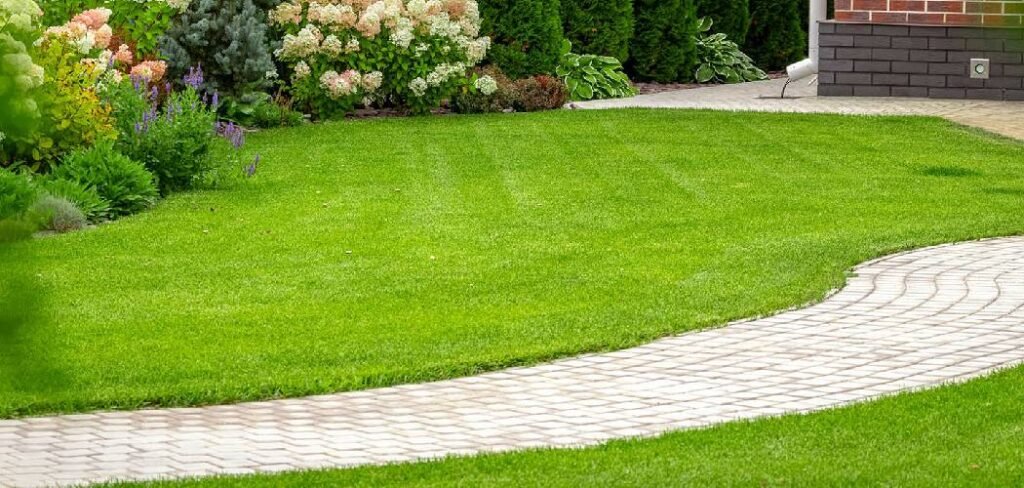
Your landscape is a living investment that increases property value while providing enjoyment for years to come. Whether you’re starting with a blank slate or improving existing gardens, proper care ensures your plants thrive and your outdoor spaces remain beautiful through every season.
This guide breaks down landscape maintenance into manageable steps. You’ll discover practical techniques that work for busy schedules and varying skill levels. From soil preparation to seasonal cleanup, we’ll cover everything you need to know to keep your landscape healthy and attractive.
Why You Need to Maintain Your Landscaping
Regular landscape maintenance prevents small problems from becoming expensive disasters. Neglected plants become stressed, making them vulnerable to diseases and pests that can spread throughout your entire yard.
Proper maintenance also protects your investment. Well-maintained landscaping can increase property value by up to 15%, according to landscape industry studies. This return on investment makes maintenance costs worthwhile.
Beyond financial benefits, maintained landscapes provide environmental advantages. Healthy plants improve air quality, reduce soil erosion, and create habitats for beneficial wildlife. They also help manage stormwater runoff, protecting local water systems.
Regular care keeps your outdoor spaces functional and enjoyable. Overgrown shrubs block walkways, dead plants create unsightly views, and unmaintained lawns become unusable for family activities.
10 Step-by-Step Guide on How to Take Care of Landscaping
Step 1: Assess Your Current Landscape
Walk through your property with a critical eye, noting problem areas and healthy zones. Document which plants are thriving and which appear stressed or diseased.
Take photos from different angles and times of day to understand how light affects various areas. Notice drainage patterns after rain, identifying spots where water pools or runs off too quickly. This assessment forms the foundation for all future maintenance decisions.
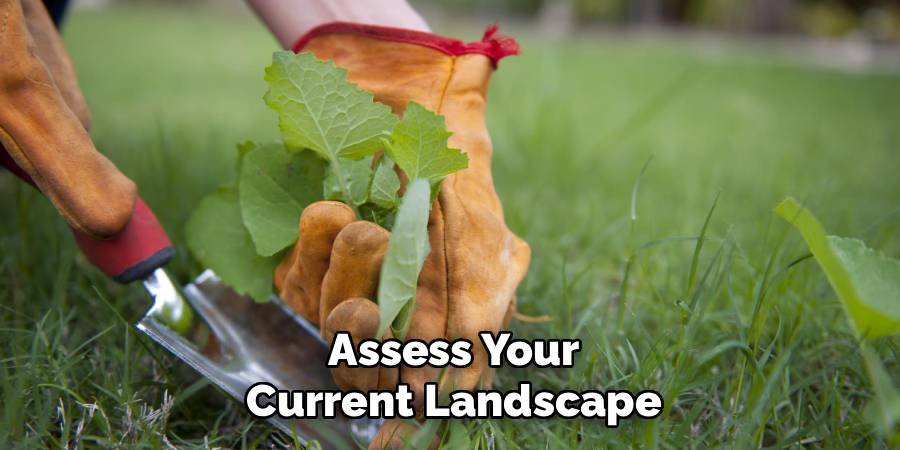
Once you’ve completed your assessment, prioritize addressing issues that could cause long-term damage to your landscape. Start by removing any dead or diseased plants, as they can harbor pests or spread infection to healthy vegetation. If you notice areas with poor drainage, consider solutions such as installing a French drain, creating a rain garden, or regrading your soil. For areas receiving too much sun or shade, select plants that are better suited to those conditions, ensuring they will thrive. Regularly monitoring your landscape allows you to catch problems early and maintain a healthy, balanced ecosystem.
Step 2: Test and Improve Your Soil
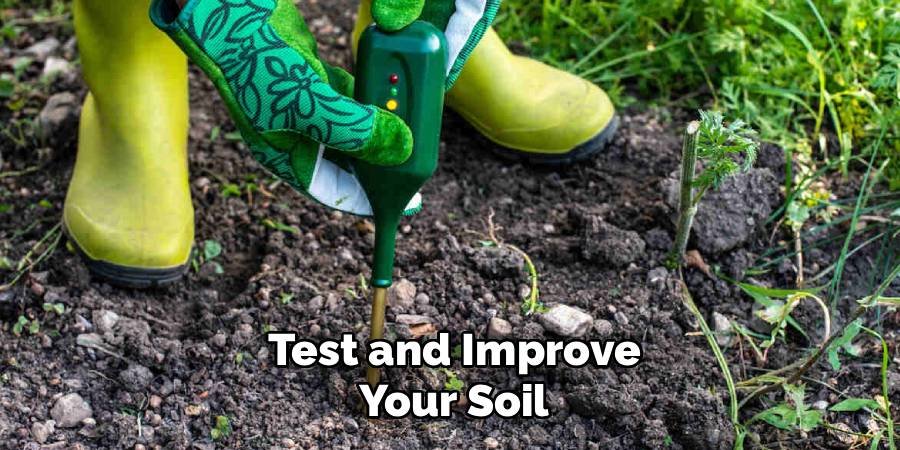
Healthy soil supports healthy plants, making soil testing your next priority. Purchase a basic soil test kit or send samples to your local extension office for detailed analysis.
Most plants prefer slightly acidic to neutral soil with a pH between 6.0 and 7.0. If your soil pH falls outside this range, you’ll need to amend it with lime to raise pH or sulfur to lower it. Poor drainage issues require adding organic matter like compost to improve soil structure.
Once you’ve tested and amended your soil, it’s important to enrich it with nutrients to ensure optimal plant growth. Adding organic fertilizers such as compost, aged manure, or bone meal can improve fertility and provide essential nutrients like nitrogen, phosphorus, and potassium. Be sure to mix these fertilizers evenly into the soil to avoid over-concentration in one area. Additionally, consider mulching to retain moisture, regulate soil temperature, and suppress weeds, creating a more favorable environment for your plants to thrive.
Step 3: Create a Seasonal Maintenance Calendar
Different landscaping tasks require specific timing for optimal results. Spring calls for pruning, fertilizing, and planting. Summer demands consistent watering and pest monitoring.
Fall brings leaf removal, plant protection preparation, and final fertilizer applications. Winter involves protecting sensitive plants and planning for the next growing season. Write these tasks on a calendar, spacing them throughout each season to avoid overwhelming weekends.
By organizing tasks seasonally, you can maintain a healthy and thriving landscape year-round. For example, dedicating specific weekends to activities like mulching in spring or aerating your lawn in the fall can help distribute the workload evenly. Additionally, incorporating reminders for equipment maintenance, such as sharpening mower blades or servicing irrigation systems, ensures your tools are always ready when needed. This proactive approach minimizes stress and keeps your outdoor spaces vibrant and well-cared for.
Step 4: Establish Proper Watering Systems
Most landscape failures stem from improper watering rather than plant selection or disease. Different plants have varying water needs, requiring zones with similar requirements to be grouped together.
Install drip irrigation for garden beds and soaker hoses for shrub areas to deliver water directly to root zones. Set timers to water early morning when evaporation rates are lowest. Monitor soil moisture regularly, adjusting schedules based on rainfall and seasonal changes.
Efficient watering not only supports plant health but also conserves water and reduces utility costs. Mulching around plants can further enhance water retention, minimize evaporation, and prevent soil erosion. Additionally, selecting native or drought-tolerant plants can significantly reduce the need for supplemental watering, making the landscape more sustainable. Regular system maintenance, such as checking for leaks or clogged emitters, ensures that every drop of water is utilized effectively. By combining these techniques, a thriving garden can be achieved while promoting responsible water usage.
Step 5: Mulch Your Planted Areas
Mulch conserves soil moisture, suppresses weeds, and regulates soil temperature. Apply 2-3 inches of organic mulch around trees, shrubs, and garden beds, keeping it away from plant stems to prevent pest issues.
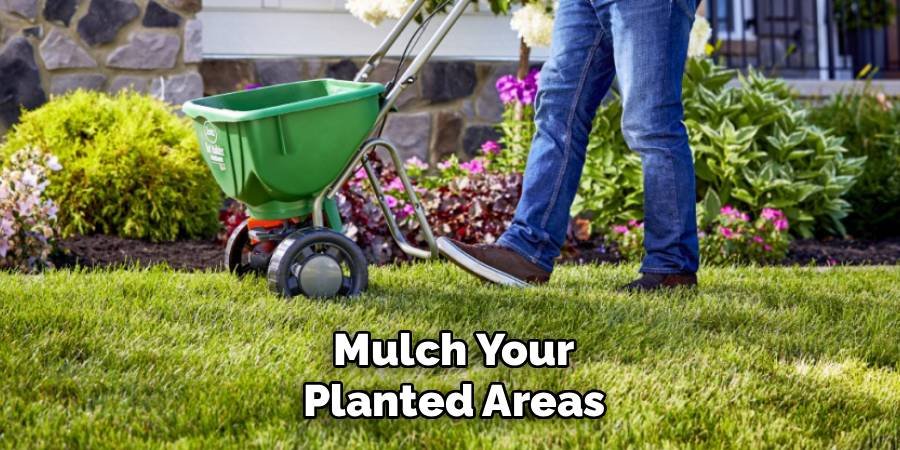
Choose appropriate mulch types for each area. Shredded bark works well for shrub beds, while finer materials like compost work better around perennials. Refresh mulch annually as it decomposes, adding organic matter to improve soil health over time.
Step 6: Prune Plants at the Right Time
Proper pruning maintains plant health, controls size, and encourages flowering. Learn the specific pruning requirements for each plant species in your landscape, as timing varies significantly.
Prune spring-flowering shrubs immediately after blooming ends. Summer-flowering plants get pruned in late winter or early spring. Remove dead, diseased, or damaged wood anytime during the growing season. Always use clean, sharp tools to prevent disease transmission between plants.
Step 7: Fertilize According to Plant Needs
Different plants require different nutrients at varying times throughout the growing season. Conduct soil tests to determine existing nutrient levels before adding fertilizers.
Apply slow-release granular fertilizers in spring for steady nutrient availability. Supplement with liquid fertilizers during active growing periods for quick nutrient boosts. Organic options like compost and well-aged manure improve soil structure while providing nutrients gradually.
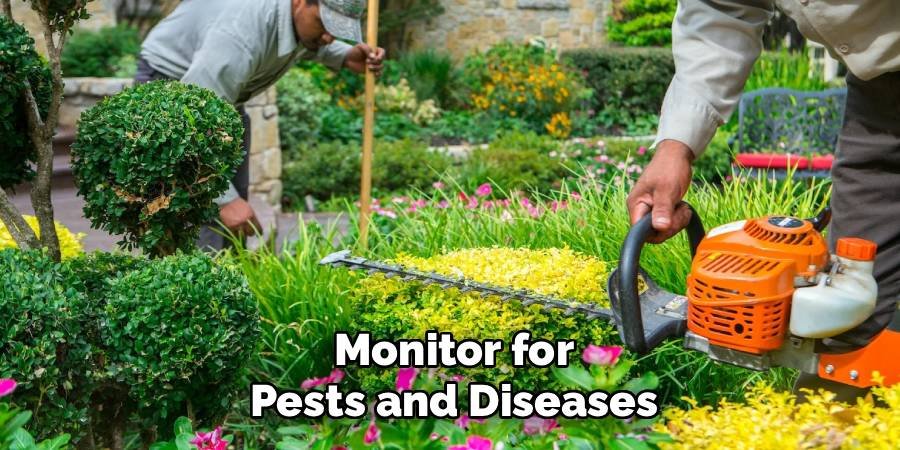
Step 8: Monitor for Pests and Diseases
Regular inspection helps catch problems before they spread throughout your landscape. Look for unusual leaf discoloration, wilting, or insect activity during routine maintenance tasks.
Identify problems correctly before treating them, as solutions vary dramatically between issues. Many problems can be prevented through proper plant spacing, adequate air circulation, and avoiding overhead watering. Use integrated pest management approaches that combine cultural, biological, and chemical controls when necessary.
Step 9: Maintain Hardscape Elements
Walkways, patios, and retaining walls require regular maintenance to remain functional and attractive. Clean hard surfaces regularly to prevent staining and surface deterioration.
Check for loose stones, cracked mortar, or settling issues that could create safety hazards. Seal surfaces as recommended by manufacturers to protect against weather damage. Keep drainage systems clear to prevent water damage to hardscape structures.
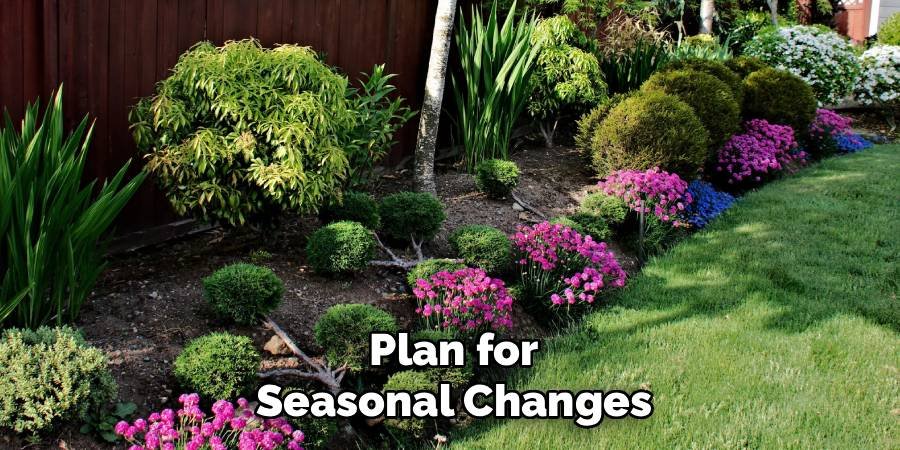
Step 10: Plan for Seasonal Changes
Successful landscapes adapt to changing seasons through proper plant selection and seasonal care routines. Choose plants appropriate for your climate zone to minimize winter protection needs.
Prepare tender plants for winter by gradually reducing water and fertilizer in fall. Cover or relocate containers and sensitive plants before first frost. Plan spring installations during winter months, ordering plants and materials early for best selection.
Maintaining Your Landscape Year-Round
Consistency makes landscape maintenance manageable rather than overwhelming. Dedicate a few hours each week to routine tasks like deadheading, light weeding, and irrigation system checks.
Seasonal deep maintenance prevents major problems from developing. Spring cleanups remove winter damage and prepare plants for active growth. Fall preparation protects plants through winter while setting the stage for next year’s success.
Keep detailed records of what works and what doesn’t in your specific landscape. Note bloom times, growth rates, and problem areas to inform future decisions. These records become invaluable references as your landscape matures and your experience grows.
Common Mistakes to Avoid
Overwatering kills more plants than drought in most home landscapes. Learn to recognize signs of both water stress and overwatering to adjust irrigation accordingly.
Planting without considering mature sizes leads to overcrowding and increased maintenance needs. Research expected plant sizes and space accordingly, even if initial plantings look sparse.
Ignoring soil conditions sets up plants for failure regardless of other care efforts. Invest in soil improvement before expensive plant purchases to ensure long-term success and reduce replacement costs.
FAQ
How often should I water my landscape?
Water frequency depends on plant types, soil conditions, and weather. Most established landscapes need 1-2 inches per week, including rainfall. Check soil moisture 2-3 inches deep before watering.
When is the best time to plant new shrubs and trees?
Plant trees and shrubs during dormant seasons – late fall through early spring in most climates. This timing allows root establishment before summer heat stress begins.
How much mulch should I apply around plants?
Apply 2-3 inches of organic mulch around most plants, keeping it 2-3 inches away from stems and trunks. Too much mulch can cause moisture and pest problems.
What’s the difference between annual and perennial plants?
Annuals complete their life cycle in one growing season and must be replanted yearly. Perennials return each year, though they may die back to ground level in winter.
How do I know if my plants have diseases or pest problems?
Look for unusual leaf discoloration, wilting, holes in leaves, or visible insects. Take samples to local extension offices or garden centers for accurate identification and treatment recommendations.
Conclusion
Learning how to take care of landscaping transforms both your property and your relationship with your outdoor spaces. These systematic approaches ensure your landscape remains healthy, beautiful, and valuable throughout the seasons.
Start with small, manageable projects rather than attempting everything at once. Focus on establishing good soil, proper watering, and regular maintenance routines. These fundamentals support all other landscaping efforts and create sustainable care practices.
Remember that landscapes evolve continuously. Plants mature, preferences change, and new challenges arise. Embrace this evolution as part of the landscaping journey rather than viewing it as maintenance burden.
Your consistent care efforts compound over time, creating increasingly beautiful and low-maintenance outdoor spaces. Well-established plants require less intervention while providing greater environmental benefits and visual impact.
Document your successes and learn from challenges. Each season brings new knowledge and skills that improve your landscaping capabilities. Your garden will thank you with years of beauty, functionality, and enjoyment for your family and community.

About Ravuk Barg
B.Sc. Horticulture Science | Certified Master Gardener
Ravuk Barg has spent more than a decade with his hands in the soil and his head full of questions about why some gardens thrive while others struggle. What started as a single raised bed of tomatoes and basil in a modest backyard has grown into a deep, working knowledge of everything from seed germination and soil amendment to companion planting and seasonal pruning.
Over the years, Ravuk has gardened through drought summers, waterlogged springs, and pest invasions that would make most gardeners hang up their trowels for good. Those hard seasons, he’ll tell you, taught him more than any perfect growing year ever could. He writes from that earned experience—covering vegetable growing, ornamental planting, houseplant care, composting, and garden design with equal confidence and curiosity.
Philosophy & Approach
Ravuk’s approach to gardening is rooted in practicality. He favors organic methods not out of dogma, but because they work long-term—resulting in healthier soil, fewer inputs, and stronger plants. He has a particular fondness for heirloom vegetable varieties (the kind with proper flavor), unruly cottage-style flower beds, and the stubborn houseplants that everyone else gave up on.
The Mission: Give readers the honest, experience-backed advice that helps them actually succeed in their gardens—not just the ideal version, but the real one; weeds, failures, and all.
Education & Credentials
-
B.Sc. in Horticulture Science
-
Greenfield Agricultural University
-
Focus: Plant Physiology, Soil Ecology, and Sustainable Crop Production
-
-
Master Gardener Certification
-
Cooperative Extension Service
-
Focus: 200+ hours of hands-on practical training and community garden work
-
Continuing Education
-
Organic Pest Management
-
Native Plant Landscaping
-
Sustainable Crop Production