

Watching squirrels scamper through your yard can be a delightful part of enjoying nature at home. However, that delight can quickly turn to frustration when you find your beautiful pine cones shredded and scattered across your lawn. These furry acrobats are notorious for their love of pine seeds, and they can make quick work of the cones on your trees or those you’ve collected for decoration. If you’re a home gardener wondering how to stop squirrels from eating pine cones, you’ve come to the right place. This guide will walk you through effective, humane methods to protect your pines and keep your landscape looking its best. We will explore simple, beginner-friendly strategies to deter these persistent pests and preserve the natural beauty of your cones.
Why Squirrels Eat Pine Cones
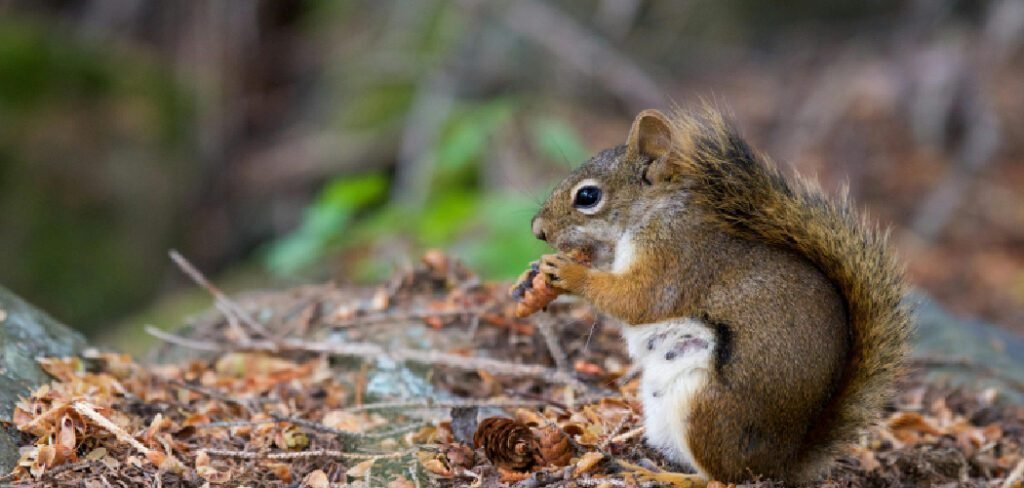
Before diving into solutions, it helps to understand why squirrels are so drawn to pine cones in the first place. It’s not the woody cone itself they’re after, but the tiny, nutrient-rich seeds tucked away inside the scales. Pine seeds are a fantastic source of fats and proteins, making them a high-energy food source that is especially valuable for squirrels as they prepare for winter. They are natural foragers with an incredible ability to locate food, and the scent of maturing pine cones is a clear signal that a feast is nearby.
8 Step Methods Guide on How to Stop Squirrels From Eating Pine Cones
Step 1: Clean Up Fallen Cones and Debris
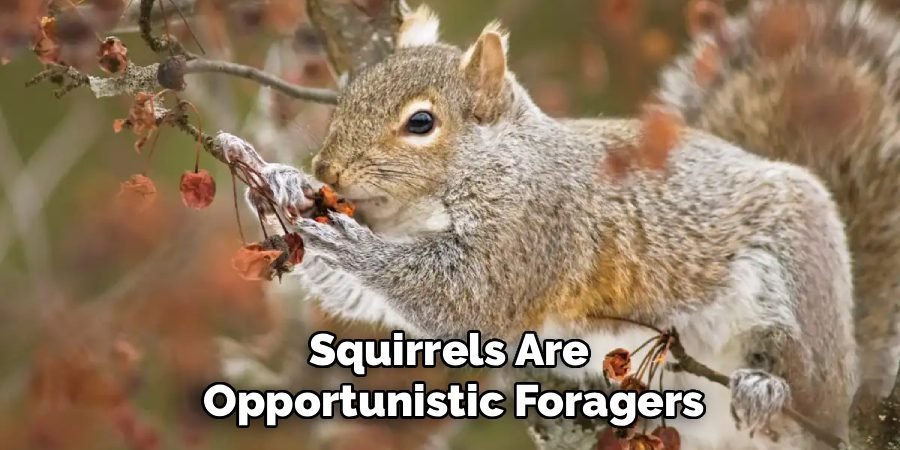
One of the most effective first steps is maintaining a clean yard. Squirrels are opportunistic foragers, and a lawn littered with fallen pine cones is an open invitation for them to come and feast. By regularly raking up and removing cones from the ground, you eliminate an easy food source. This simple act of tidiness encourages squirrels to look elsewhere for their meals. Be diligent, especially during the seasons when your pine trees are dropping the most cones. A clean ground area not only deters squirrels but also reduces hiding spots for other pests and helps keep your lawn healthy and looking neat.
Step 2: Use Commercial Squirrel Repellents
If cleaning up isn’t enough, consider using a commercial squirrel repellent. These products are readily available at garden centers and are specifically formulated to deter squirrels without harming them. Most repellents work by using scents or tastes that squirrels find unpleasant, such as capsaicin (the compound that makes chili peppers hot) or predator urine. You can spray these directly onto the pine cones on your trees or on cones you have set out for decoration. Always follow the manufacturer’s instructions for application, and remember that you will need to reapply the repellent after heavy rain for it to remain effective.
Step 3: Try DIY Hot Pepper Spray
For a more hands-on, cost-effective solution, you can create your own deterrent spray using simple kitchen ingredients. A homemade hot pepper spray is surprisingly effective. To make it, chop up a few hot peppers like habaneros or cayenne peppers and boil them in a pot of water for about 15 minutes. Let the mixture cool completely, then strain out the pepper pieces. Add a few drops of dish soap, which acts as a surfactant to help the spray stick to the cones. Pour the solution into a spray bottle and apply it liberally to your pine cones. Squirrels detest the spicy taste and will quickly learn to avoid the treated cones.
Step 4: Protect Tree Trunks with Baffles
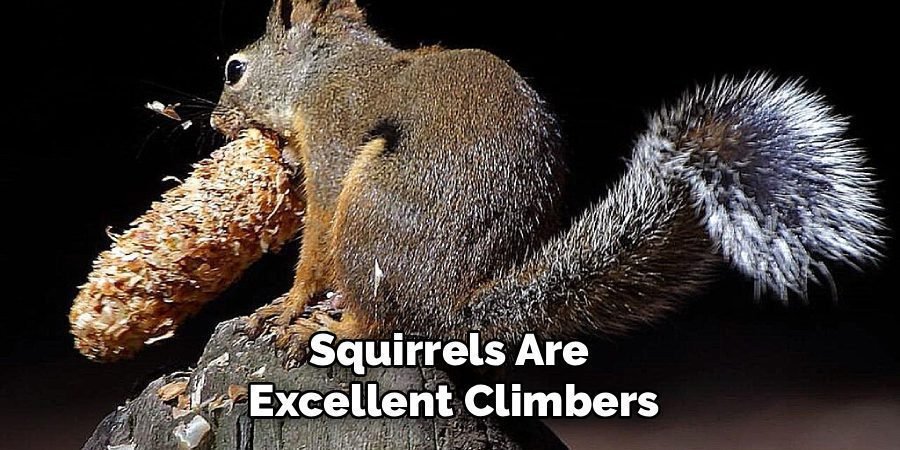
Squirrels are excellent climbers, so you need to block their path up the tree trunk. Installing a squirrel baffle is a highly effective way to do this. A baffle is a cone-shaped or cylindrical device made of metal or smooth plastic that wraps around the tree trunk. When a squirrel attempts to climb past it, it either slides back down or cannot get a grip. For this method to work, place the baffle at least four to five feet off the ground. Also, ensure there are no nearby branches, fences, or structures within ten feet that a squirrel could use to jump over the baffle and onto the tree.
Step 5: Offer an Alternative Food Source
Sometimes, the easiest way to protect your pine cones is to offer the squirrels something they find even more appealing. This strategy, known as diversionary feeding, can redirect their attention away from your trees. Set up a dedicated squirrel feeder in a part of your yard far away from your pine trees. Fill it with inexpensive food that squirrels love, such as cracked corn, sunflower seeds, or nuts. By providing an easy and accessible meal, you make your pine cones a less attractive option. This humane approach allows you to enjoy watching the squirrels without sacrificing your landscape.
Step 6: Use Motion-Activated Sprinklers
Squirrels are easily startled, and a sudden burst of water is a great way to scare them off without causing any harm. Motion-activated sprinklers detect movement and release a short, surprising spray of water in that direction. Place these devices near the base of your pine trees or in areas where you’ve noticed significant squirrel activity. When a squirrel approaches, the sprinkler will activate, sending it scurrying away. Over time, squirrels will associate that area with the unpleasant surprise and learn to stay clear. This is a great, chemical-free method for protecting your entire garden.
Step 7: Introduce Scents Squirrels Dislike
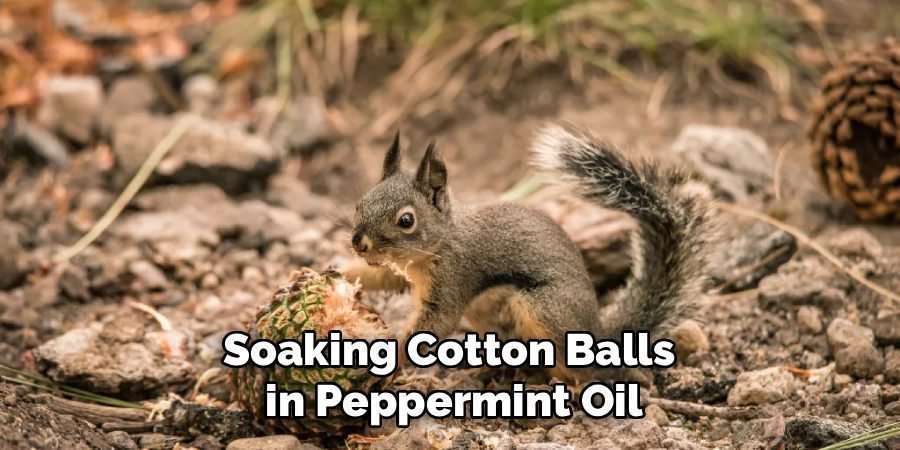
In addition to taste-based repellents, you can use strong scents to make your yard less inviting. Squirrels have a sensitive sense of smell and are repelled by certain aromas. Soaking cotton balls in peppermint oil, apple cider vinegar, or clove oil and placing them at the base of your pine trees can create a scent barrier. You can also plant strong-smelling herbs like mint, garlic, or rosemary around your trees. Another effective option is scattering used coffee grounds on the soil, as squirrels dislike the bitter smell. These natural methods need to be replenished regularly to maintain their potency.
Step 8: Protect Decorative Pine Cones
If you’ve collected pine cones for crafts or seasonal decorations, you’ll want to protect them as well. For cones displayed outdoors, applying a clear acrylic spray can make them less appealing to chew on. The hard, slick surface is difficult for squirrels to gnaw and masks the natural scent of the seeds inside. You can also apply one of the pepper-based sprays mentioned earlier. For indoor displays, simply keeping them inside is enough. But if you have them in an area like a screened-in porch, a quick coat of a repellent spray provides excellent peace of mind and is a key part of how to stop squirrels from eating pine cones.
Frequently Asked Questions (FAQ)
Will shiny objects like CDs or foil strips scare squirrels away from my pine trees?
Yes, shiny, reflective objects can be effective at startling squirrels and deterring them from an area. You can hang old CDs, strips of aluminum foil, or reflective tape from the branches of your pine trees. The unpredictable flashes of light and movement as they spin in the wind can make squirrels nervous and hesitant to approach. However, this is often a temporary solution, as clever squirrels may eventually get used to them and realize they pose no real threat. For best results, combine this tactic with other methods.
Are there any plants I can grow that will naturally repel squirrels?
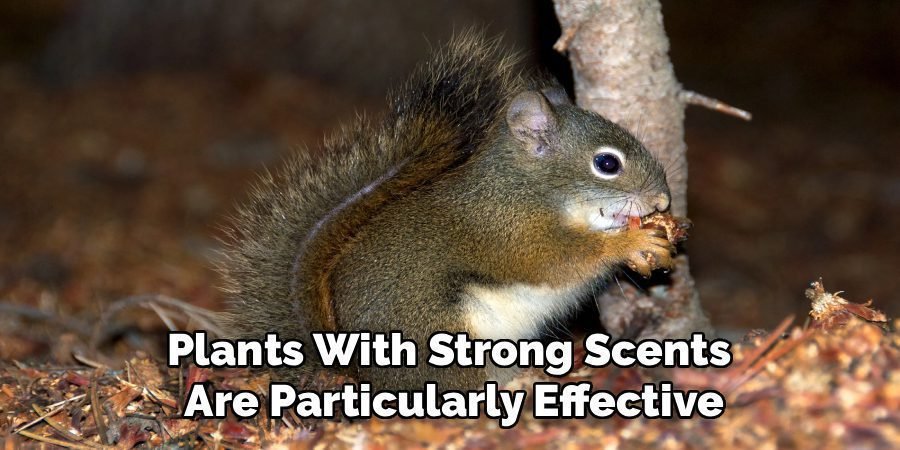
Absolutely. Planting certain flowers and herbs around the base of your pine trees can create a natural, aromatic barrier that squirrels dislike. Plants with strong scents are particularly effective. Consider planting daffodils, alliums, mint, rosemary, or geraniums. Fritillaria is another excellent choice, as its bulbs emit a skunk-like odor that squirrels and other rodents find very unpleasant. Integrating these plants into your garden not only helps with pest control but also adds beauty and diversity to your landscape.
Is it safe to use mothballs to deter squirrels?
No, it is not safe or recommended to use mothballs as a squirrel deterrent. Mothballs contain toxic chemicals like naphthalene or paradichlorobenzene, which are regulated by the EPA as pesticides. Using them outdoors is an off-label use that can be harmful to children, pets, wildlife, and the environment. The chemicals can leach into the soil and water, causing contamination. There are many safer and equally effective alternatives available, so it is best to avoid mothballs entirely for outdoor pest control.
How do I stop squirrels from digging up my potted plants to bury pine seeds?
Squirrels often use potted plants as convenient storage spots for their food, including pine seeds. To prevent this, you can cover the soil surface with a layer of material that is difficult to dig through. A layer of decorative stones, gravel, or even pine cones (ironically) can work well. You can also cut a piece of wire mesh or hardware cloth to fit snugly over the soil inside the pot. This physical barrier will block access to the soil while still allowing water and air to penetrate.
Do ultrasonic squirrel repellents actually work?
The effectiveness of ultrasonic repellents is a topic of much debate. These devices emit high-frequency sound waves that are meant to be irritating to rodents but inaudible to humans and most pets. While some homeowners report success with them, many scientific studies have shown that squirrels and other pests can quickly become accustomed to the sound. For the device to have any chance of working, it must be placed correctly and without obstructions, but it is generally not considered a reliable long-term solution on its own.
Conclusion
Protecting your pine cones from hungry squirrels doesn’t have to be a losing battle. By understanding their behavior and implementing a few strategic deterrents, you can successfully safeguard your trees and decorative cones. From simple yard cleanup and DIY sprays to physical barriers like baffles, there are numerous humane and effective options available. The key is to be consistent and to combine several methods for the best results. By taking a proactive approach, you can find a peaceful balance with your furry neighbors. Now you have the knowledge for how to stop squirrels from eating pine cones and can reclaim your yard with confidence.

About Ravuk Barg
B.Sc. Horticulture Science | Certified Master Gardener
Ravuk Barg has spent more than a decade with his hands in the soil and his head full of questions about why some gardens thrive while others struggle. What started as a single raised bed of tomatoes and basil in a modest backyard has grown into a deep, working knowledge of everything from seed germination and soil amendment to companion planting and seasonal pruning.
Over the years, Ravuk has gardened through drought summers, waterlogged springs, and pest invasions that would make most gardeners hang up their trowels for good. Those hard seasons, he’ll tell you, taught him more than any perfect growing year ever could. He writes from that earned experience—covering vegetable growing, ornamental planting, houseplant care, composting, and garden design with equal confidence and curiosity.
Philosophy & Approach
Ravuk’s approach to gardening is rooted in practicality. He favors organic methods not out of dogma, but because they work long-term—resulting in healthier soil, fewer inputs, and stronger plants. He has a particular fondness for heirloom vegetable varieties (the kind with proper flavor), unruly cottage-style flower beds, and the stubborn houseplants that everyone else gave up on.
The Mission: Give readers the honest, experience-backed advice that helps them actually succeed in their gardens—not just the ideal version, but the real one; weeds, failures, and all.
Education & Credentials
-
B.Sc. in Horticulture Science
-
Greenfield Agricultural University
-
Focus: Plant Physiology, Soil Ecology, and Sustainable Crop Production
-
-
Master Gardener Certification
-
Cooperative Extension Service
-
Focus: 200+ hours of hands-on practical training and community garden work
-
Continuing Education
-
Organic Pest Management
-
Native Plant Landscaping
-
Sustainable Crop Production