

As summer arrives with its long, sunny days, many homeowners watch in dismay as their lush, green lawn begins to turn brown and brittle. The intense heat and reduced rainfall can put tremendous stress on your grass, making it a challenge to maintain that vibrant, healthy look. You might feel like you’re fighting a losing battle against the sun.
However, with the right approach and a little bit of knowledge, you can successfully support your turf through the toughest months. This guide will provide you with a clear, step-by-step plan on how to keep lawn green in summer heat, ensuring your yard remains a beautiful oasis all season long. We will cover everything from proper watering techniques to smart mowing habits and essential soil care.
Why a Healthy Summer Lawn Matters
A vibrant green lawn does more than just boost your home’s curb appeal. During the hot summer months, healthy turf plays a significant environmental role. A dense lawn helps cool the surrounding air through a process called evapotranspiration, acting as a natural air conditioner for your property. This can reduce the surface temperature of the ground significantly compared to asphalt or bare soil. Furthermore, a thick, well-maintained lawn is better at preventing soil erosion and filtering rainwater, which helps protect local water quality. It also produces oxygen and traps dust and pollutants. Investing in your lawn’s health is an investment in a more comfortable, beautiful, and eco-friendly outdoor space for you and your family to enjoy.
8 Step-by-Step Guide on How to Keep Lawn Green in Summer Heat
Step 1: Water Deeply and Infrequently
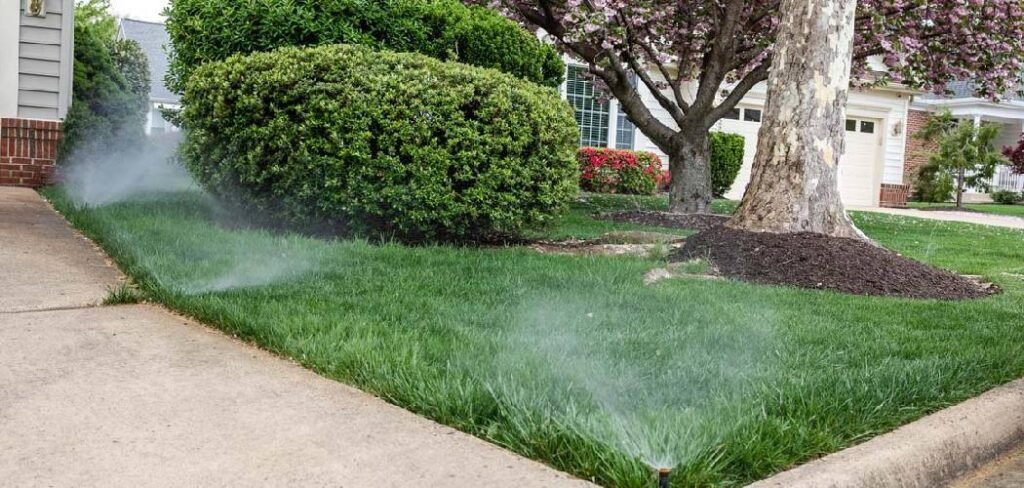
To build heat tolerance, your lawn needs deep roots. The best way to encourage this is by watering deeply but less often. A light, daily sprinkle only moistens the top layer of soil, which trains the grass roots to stay shallow and makes them more vulnerable to drying out. Instead, aim to provide about one inch of water per week, delivered in a single, long session. This allows the water to soak deep into the soil, prompting roots to grow downward in search of moisture. An easy way to measure this is by placing an empty tuna can on your lawn while the sprinkler is running; when it’s full, you’re done.

Step 2: Water Early in the Morning
The timing of your watering sessions is just as important as the amount. The ideal time to water your lawn is in the early morning, between 4 a.m. and 10 a.m. During these cooler hours, less water is lost to evaporation from the sun and wind, ensuring more of it reaches the roots where it’s needed most. Watering in the evening might seem like a good alternative, but it can create problems. When the grass blades remain wet overnight in cool, still air, it creates the perfect environment for fungal diseases to develop, which can cause brown patches and damage your lawn’s health.
Step 3: Mow High to Shade the Soil
Adjust your mower blade to a higher setting during the summer. Taller grass blades provide essential shade for the soil, keeping it cooler and reducing water evaporation. This shade also helps prevent aggressive weeds from sprouting and competing with your grass for resources. For most cool-season grasses like fescue and bluegrass, a height of 3 to 4 inches is ideal. Cutting the grass too short, also known as scalping, is one of the quickest ways to stress your lawn. It exposes the soil to direct sunlight, which can dry out the grassroots and kill the turf. Never remove more than one-third of the grass blade in a single mowing session.
Step 4: Keep Mower Blades Sharp
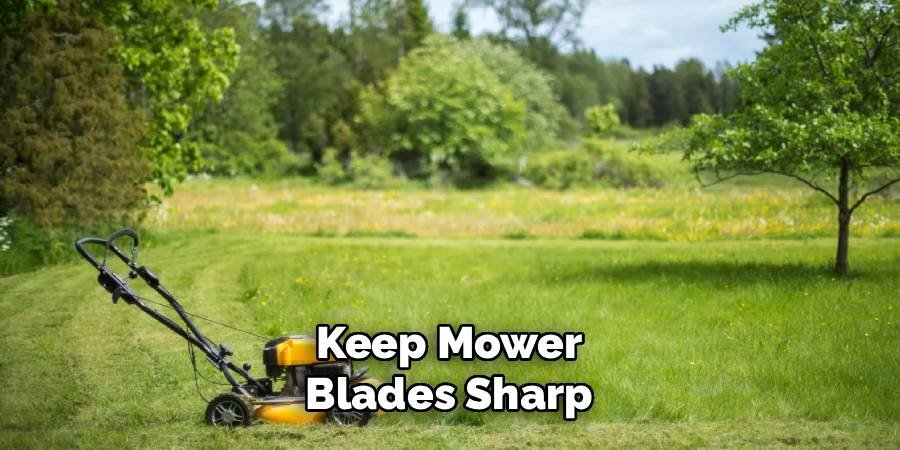
Using a mower with dull blades will tear and shred your grass instead of making a clean cut. These ragged edges create a larger wound on the grass blade, causing it to lose more water and turn brown at the tips. A damaged blade is also more susceptible to diseases and pests. You’ll know your blades are dull if you see frayed, yellowish tips on your lawn a day or two after mowing. For the best results, sharpen your mower blades at least twice per season—once at the beginning of spring and again in mid-summer. A clean cut helps the grass heal quickly and retain its moisture and green color.
Step 5: Reduce Foot Traffic
During periods of intense heat and drought, your lawn is under significant stress and is more vulnerable to damage. The grass is less resilient and recovers more slowly from being crushed. Heavy foot traffic, children playing, or leaving heavy objects like patio furniture on the lawn can compact the soil and damage the grass blades. This can create worn-out paths and brown spots that may not recover until the weather cools down. Try to limit activity on the lawn as much as possible, especially during the hottest part of the day. Redirect traffic to pathways and move yard furniture around periodically to give the grass underneath a break.
Step 6: Avoid Over-Fertilizing
While fertilizer is essential for a healthy lawn, applying too much during the summer can do more harm than good. High-nitrogen fertilizers, in particular, encourage rapid blade growth, which is something you want to avoid when the grass is already stressed by heat. This new, tender growth requires more water and is more susceptible to burning in the sun. If you must fertilize, use a slow-release, low-nitrogen formula or an organic option like compost. It’s often best to fertilize in the late spring or early fall when the grass is actively growing and can make the best use of the nutrients without added stress.
Step 7: A Core Aeration and Topdressing Plan for Resilience
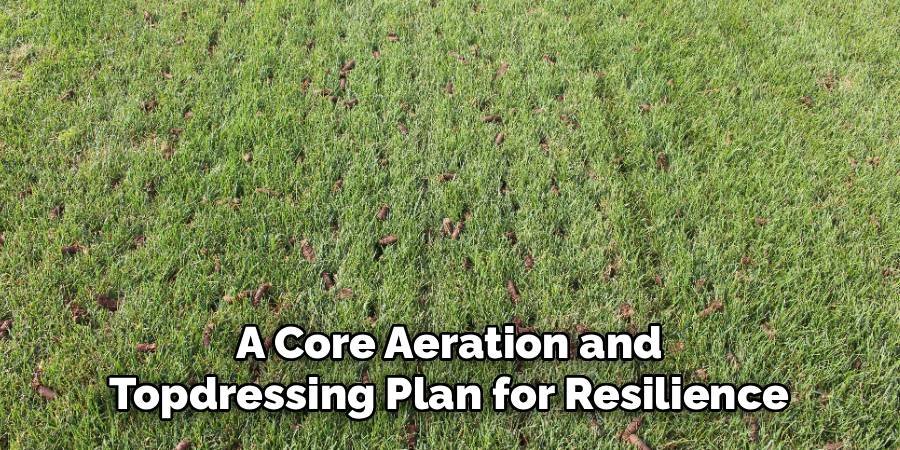
A key long-term strategy involves improving your soil structure. Core aeration is the process of pulling small plugs of soil out of the lawn, which relieves compaction and allows air, water, and nutrients to penetrate deeper. This is best done in the fall for cool-season grasses. After aerating, apply a thin layer of high-quality compost, known as topdressing. The compost will fill the aeration holes and gradually enrich the soil with organic matter. This improves the soil’s ability to retain moisture, reducing the need for frequent watering and creating a healthier, more drought-resistant foundation for your lawn. This is a powerful method for how to keep lawn green in summer heat for years to come.
Step 8: Spot Treat Weeds Instead of Widespread Herbicides
Weeds compete with your grass for water, sunlight, and nutrients, making it harder for your lawn to thrive in the summer heat. However, applying broad-spectrum herbicides when temperatures are high can scorch your lawn along with the weeds. Instead of treating the entire yard, focus on spot-treating individual weeds or small patches. You can do this by hand-pulling them after a good rain when the soil is soft, or by carefully applying a post-emergent herbicide directly to the weed. Always read the product label, as some herbicides should not be used when temperatures exceed 85°F.
Frequently Asked Questions (FAQ)
Should I Bag or Mulch My Grass Clippings in the Summer?
In most cases, mulching your grass clippings is beneficial. This practice, known as “grasscycling,” returns valuable nutrients and moisture to the soil as the clippings decompose. This natural fertilizer can reduce your need for chemical fertilizers. However, there are exceptions:
- If the grass is too long and clippings are clumping, bag them to avoid smothering the lawn.
- If your lawn shows signs of fungal disease, bag the clippings to prevent it from spreading.
How Can I Tell if My Lawn Needs Water?
There are a few simple tests. First, look at the color; grass under drought stress will take on a bluish-gray tint before turning brown. Second, try the “footprint test.” Walk across your lawn and look back. If your footprints remain visible for more than a few minutes, the grass blades don’t have enough moisture to spring back up. Finally, you can use a screwdriver or soil probe to check the soil. If you can’t easily push it 4-6 inches into the ground, your soil is likely too dry.

Is it Okay for My Lawn to Go Dormant in the Summer?
Yes, it is perfectly natural for many types of grass, especially cool-season grasses, to go dormant during extreme heat and drought. Dormancy is a protective mechanism where the grass stops growing and turns brown to conserve water and energy. A dormant lawn is not dead; it is simply sleeping. While it may look unsightly, the crown of the plant is still alive. Once cooler temperatures and rainfall return in the fall, a healthy lawn will typically green up again on its own.
What Are the Best Grass Types for Hot Climates?
If you live in a region with consistently hot summers, choosing a warm-season grass type is your best bet for a naturally resilient lawn. These grasses thrive in heat and are more drought-tolerant. Popular options include:
- Bermuda Grass: Extremely durable, drought-resistant, and great for high-traffic areas.
- Zoysia Grass: Creates a dense, beautiful turf that handles heat well and is relatively low-maintenance.
- St. Augustine Grass: Tolerates shade better than other warm-season grasses and loves the heat, but requires more water.
Can I Reseed Bare Patches in the Summer?
It is generally not recommended to reseed your lawn in the middle of summer. Grass seed requires consistent moisture and moderate temperatures to germinate and establish strong roots. The intense heat of summer can quickly dry out the soil and scorch new seedlings before they have a chance to grow. The best time to seed or overseed cool-season grasses is in the late summer or early fall. For warm-season grasses, late spring is the ideal window for seeding.
Conclusion
Keeping your lawn green and healthy through the summer doesn’t have to be a constant struggle. By shifting your focus from frequent, shallow care to a more strategic and thoughtful approach, you can build a resilient and beautiful turf. Watering deeply, mowing high, sharpening your blades, and reducing stress on your lawn are all simple yet powerful steps. These practices encourage deep root growth and help the grass conserve moisture, giving it the strength to withstand the heat. Now that you have a clear understanding of how to keep lawn green in summer heat, you can put these methods into action and enjoy a vibrant yard all season.

About Ravuk Barg
B.Sc. Horticulture Science | Certified Master Gardener
Ravuk Barg has spent more than a decade with his hands in the soil and his head full of questions about why some gardens thrive while others struggle. What started as a single raised bed of tomatoes and basil in a modest backyard has grown into a deep, working knowledge of everything from seed germination and soil amendment to companion planting and seasonal pruning.
Over the years, Ravuk has gardened through drought summers, waterlogged springs, and pest invasions that would make most gardeners hang up their trowels for good. Those hard seasons, he’ll tell you, taught him more than any perfect growing year ever could. He writes from that earned experience—covering vegetable growing, ornamental planting, houseplant care, composting, and garden design with equal confidence and curiosity.
Philosophy & Approach
Ravuk’s approach to gardening is rooted in practicality. He favors organic methods not out of dogma, but because they work long-term—resulting in healthier soil, fewer inputs, and stronger plants. He has a particular fondness for heirloom vegetable varieties (the kind with proper flavor), unruly cottage-style flower beds, and the stubborn houseplants that everyone else gave up on.
The Mission: Give readers the honest, experience-backed advice that helps them actually succeed in their gardens—not just the ideal version, but the real one; weeds, failures, and all.
Education & Credentials
-
B.Sc. in Horticulture Science
-
Greenfield Agricultural University
-
Focus: Plant Physiology, Soil Ecology, and Sustainable Crop Production
-
-
Master Gardener Certification
-
Cooperative Extension Service
-
Focus: 200+ hours of hands-on practical training and community garden work
-
Continuing Education
-
Organic Pest Management
-
Native Plant Landscaping
-
Sustainable Crop Production