

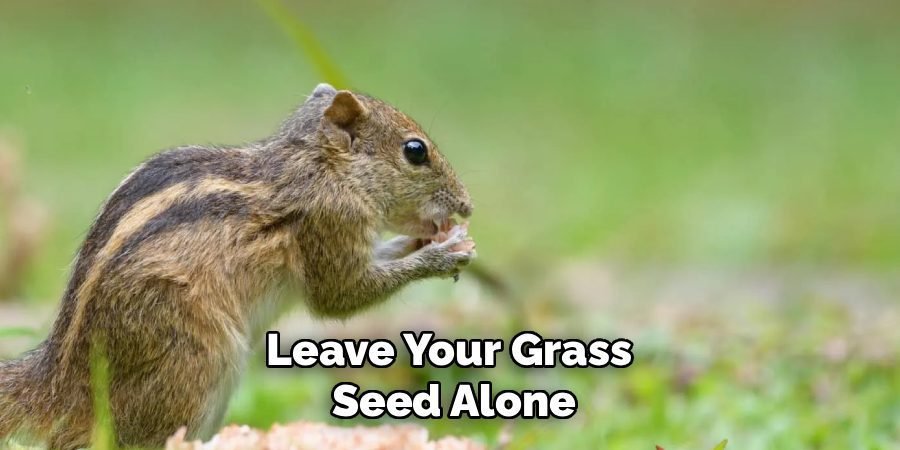
You’ve spent time and money preparing your lawn, carefully spreading grass seed with the hope of a lush, green carpet. But then, you spot the culprits: squirrels, treating your newly seeded yard like their personal buffet. It’s a frustrating problem many homeowners face. These nimble critters can quickly undo all your hard work, digging up seeds and leaving your lawn patchy. Fortunately, you don’t have to surrender your yard to these furry thieves.
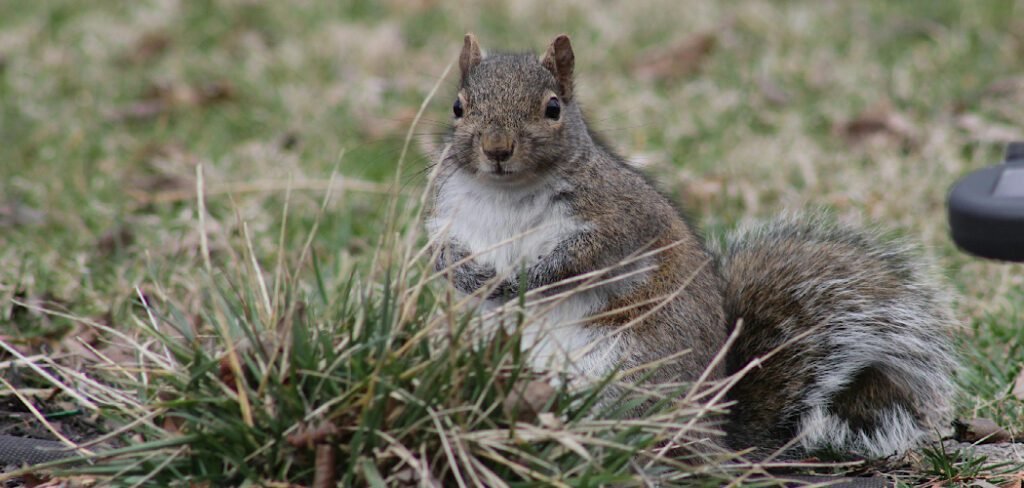
Learning how to stop squirrels from eating grass seed is achievable with the right techniques. This guide will walk you through effective, humane methods to protect your investment and ensure your grass has the chance to grow strong and healthy.
Why Protecting Your Grass Seed Matters
A healthy, vibrant lawn does more than just boost your home’s curb appeal; it provides a safe place for your family to play, helps cool your property, and even improves air quality. When you lay down new seed, you are making an investment in that future. Squirrels disrupt this process by not only eating the seeds but also digging and disturbing the soil, preventing proper germination. Allowing them to feast freely means you’ll likely end up with a sparse, uneven lawn that requires reseeding.
By taking proactive steps to deter these pests, you are safeguarding your efforts and setting your lawn up for successful, uniform growth from the very beginning.
8 Step-by-Step Guide on How to Stop Squirrels from Eating Grass Seed
Step 1: Choose the Right Time to Seed
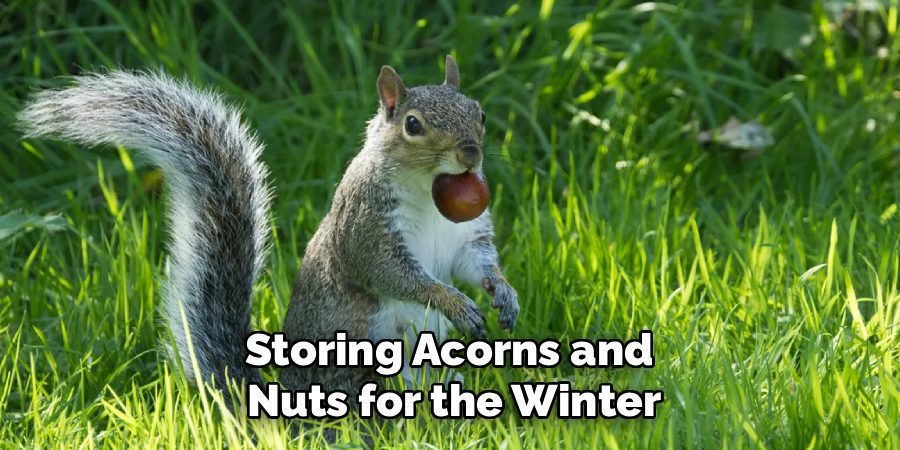
Timing is crucial when planting grass. Seeding in the early fall is often most effective because squirrels are busy gathering and storing acorns and nuts for the winter. With their natural food sources abundant, they are less likely to focus on your grass seed. Spring is another option, but squirrels are often more active and hungrier after the lean winter months. By aligning your seeding schedule with their natural foraging habits, you create an environment where your seed is less appealing, giving it a head start before the squirrels take notice.
Step 2: Use Seed Covers or Mulch
One of the most effective physical barriers is a light layer of seed-starting mulch or straw. After spreading your seed, apply a thin covering over the entire area. This layer not only helps retain moisture and protect seeds from birds but also hides them from the prying eyes of squirrels. They are less likely to dig if they can’t see the seeds. Be careful not to apply too thick a layer, as it could block sunlight and prevent germination. A light, even distribution is all you need to create a simple yet powerful deterrent.
Step 3: Apply a Squirrel Repellent
Commercial repellents are a great tool in your arsenal. Many products use natural ingredients like cayenne pepper or capsaicin, the compound that makes chili peppers hot. Squirrels, like most mammals, dislike the spicy taste and smell, which effectively discourages them from digging. You can find these repellents in granular or liquid form. For best results, apply the repellent immediately after seeding and reapply after heavy rain. This method is safe for your lawn and other wildlife but creates an unpleasant experience for any squirrel attempting to snack on your seeds.
Step 4: Try Decoy Feeders
Sometimes, distraction is the best defense. Set up a decoy feeder in a part of your yard far away from the newly seeded area. Fill it with things squirrels love, such as corn, nuts, and sunflower seeds. This strategy redirects their attention, providing them with an easy and desirable food source. By giving them a more attractive option, you encourage them to leave your grass seed alone. Keep the feeder consistently stocked until your grass has sprouted and established strong roots, at which point it will no longer be a target.
Step 5: Install Motion-Activated Sprinklers
Squirrels are easily startled. A motion-activated sprinkler can be a highly effective, humane deterrent. These devices detect movement and release a short, surprising burst of water, scaring squirrels away without causing any harm. Position the sprinkler to cover the seeded area of your lawn. The sudden spray and noise are usually enough to send them scurrying. Over time, they will learn to associate that part of your yard with the unpleasant surprise and avoid it altogether, making this a great long-term solution.
Step 6: How to Stop Squirrels from Eating Grass Seed with Netting
For smaller patches or particularly persistent squirrels, lightweight bird netting can be a lifesaver. Drape the netting over the seeded area and secure it with stakes or rocks around the edges. This creates an impassable physical barrier that prevents squirrels from reaching the soil. Ensure the netting is pulled taut and hovers just above the ground so it doesn’t interfere with grass growth. Once the new grass is about an inch tall, you can safely remove the netting, as the seeds will have germinated and rooted.
Step 7: Enhance Your Seed Mix
Some grass seed varieties are coated with substances that squirrels find unpalatable. Look for seeds that are specifically treated with a bird and rodent repellent. These coatings don’t harm the animals but give the seeds a bitter taste they will avoid. While this option can be more expensive, it provides built-in protection. You can also mix your own deterrent into your seed before spreading. A small amount of cayenne pepper powder mixed with your grass seed can effectively treat the entire batch before it even hits the ground.
Step 8: Maintain a Clean Yard
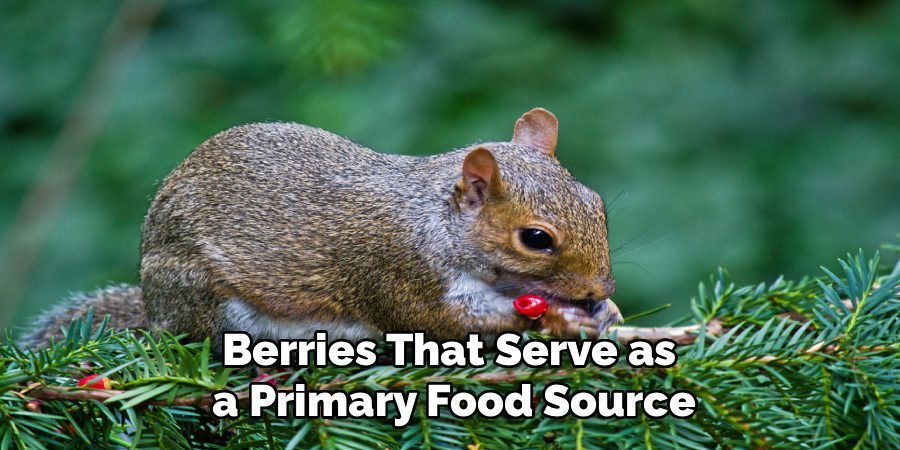
Squirrels are attracted to yards that offer plenty of food and hiding spots. Make your lawn less inviting by keeping it tidy. Remove fallen nuts, acorns, and berries that serve as a primary food source. Rake up leaves and debris where squirrels might forage or feel secure. A clean, open space makes them feel more exposed and vulnerable to predators, which can encourage them to move on to a more sheltered location. This simple maintenance step contributes to an overall pest-deterrent strategy for your entire garden.
Install Motion-Activated Deterrents
Motion-activated devices can be an effective way to keep squirrels out of your yard. These tools use sudden movements, sounds, or sprays to startle pests and discourage them from lingering in your space. For example, motion-activated sprinklers release a burst of water when triggered, creating a harmless but unpleasant experience for the squirrels. Similarly, sound-based deterrents emit high-pitched noises to irritate and repel the animals. When placed strategically around your garden, these devices enhance your pest-control efforts by creating an environment that squirrels find unpredictable and uncomfortable.
Frequently Asked Questions (FAQ)
Will Squirrels Still Dig Up Grass Once It Has Sprouted?
Once your grass has germinated and started to grow, squirrels generally lose interest. Their primary target is the seed itself. After the seed sprouts and develops roots, it is no longer an appealing food source. However, they might still dig in your lawn while searching for nuts they buried earlier. Maintaining a deterrent like a motion-activated sprinkler or repellent can help discourage this behavior and protect your new turf as it establishes itself.
Is It Safe to Use Cayenne Pepper on My Lawn?
Yes, using cayenne pepper is a safe and natural way to deter squirrels. It is non-toxic to your lawn, soil, and most wildlife, including birds who are not affected by capsaicin. The spicy compound irritates a squirrel’s sense of taste and smell, making them avoid the area. You can mix it with your seed or sprinkle it over the topsoil after seeding. Remember to reapply it after it rains to maintain its effectiveness.
How Long Should I Keep Squirrel Deterrents in Place?
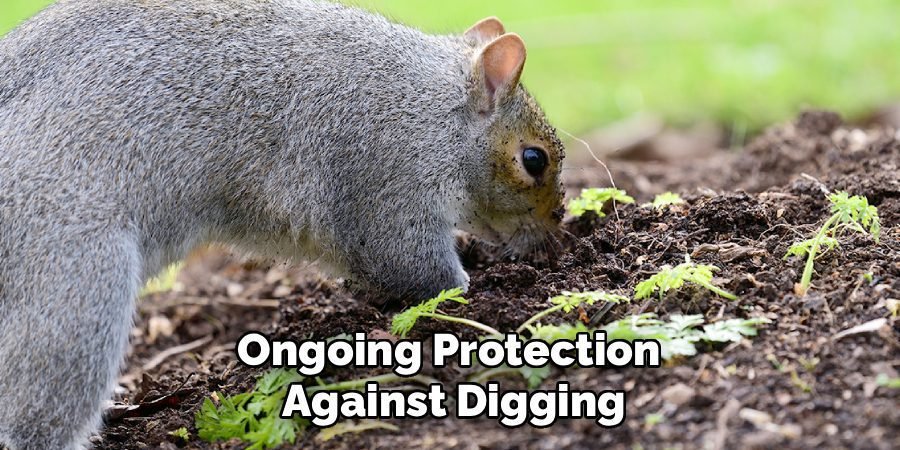
You should keep deterrents in place until your new grass is well-established, which is typically when it has been mowed two or three times. At this stage, the seeds have fully germinated, and the root system is developing, making it no longer a target for squirrels. For ongoing protection against digging, you can leave certain deterrents, like motion-activated sprinklers or decoy feeders, in place as a long-term solution.
Do Fake Owls or Predators Scare Squirrels Away?
Fake predators like plastic owls or snakes can work, but their effectiveness is often temporary. Squirrels are intelligent and observant creatures. After a few days of noticing that the “predator” never moves, they will realize it poses no threat and begin to ignore it. To make this method more effective, you need to move the decoy to a new spot in your yard every couple of days to simulate a real threat.
Can I Use Burlap to Protect My Grass Seed?
Burlap is an excellent material for protecting new grass seed. It functions similarly to straw mulch or netting. Simply lay sheets of burlap over the seeded area and weigh them down at the edges. Burlap helps retain moisture, holds the seed in place, and hides it from squirrels and birds. Its woven texture allows water and sunlight to penetrate, so you don’t have to worry about blocking germination. Once the grass reaches about one inch in height, carefully remove the burlap.
Conclusion
Protecting your lawn from squirrels doesn’t have to be a losing battle. By combining several of the strategies discussed, you can create a multi-layered defense that keeps your grass seed safe. Whether you choose to use repellents, physical barriers like netting, or clever distractions like decoy feeders, consistency is key. A little proactive effort in the beginning will pay off with a beautiful, thick lawn that you can enjoy for years to come. Now that you know how to stop squirrels from eating grass seed, you are well-equipped to win the war for your yard and achieve the lush landscape of your dreams.

About Ravuk Barg
B.Sc. Horticulture Science | Certified Master Gardener
Ravuk Barg has spent more than a decade with his hands in the soil and his head full of questions about why some gardens thrive while others struggle. What started as a single raised bed of tomatoes and basil in a modest backyard has grown into a deep, working knowledge of everything from seed germination and soil amendment to companion planting and seasonal pruning.
Over the years, Ravuk has gardened through drought summers, waterlogged springs, and pest invasions that would make most gardeners hang up their trowels for good. Those hard seasons, he’ll tell you, taught him more than any perfect growing year ever could. He writes from that earned experience—covering vegetable growing, ornamental planting, houseplant care, composting, and garden design with equal confidence and curiosity.
Philosophy & Approach
Ravuk’s approach to gardening is rooted in practicality. He favors organic methods not out of dogma, but because they work long-term—resulting in healthier soil, fewer inputs, and stronger plants. He has a particular fondness for heirloom vegetable varieties (the kind with proper flavor), unruly cottage-style flower beds, and the stubborn houseplants that everyone else gave up on.
The Mission: Give readers the honest, experience-backed advice that helps them actually succeed in their gardens—not just the ideal version, but the real one; weeds, failures, and all.
Education & Credentials
-
B.Sc. in Horticulture Science
-
Greenfield Agricultural University
-
Focus: Plant Physiology, Soil Ecology, and Sustainable Crop Production
-
-
Master Gardener Certification
-
Cooperative Extension Service
-
Focus: 200+ hours of hands-on practical training and community garden work
-
Continuing Education
-
Organic Pest Management
-
Native Plant Landscaping
-
Sustainable Crop Production