

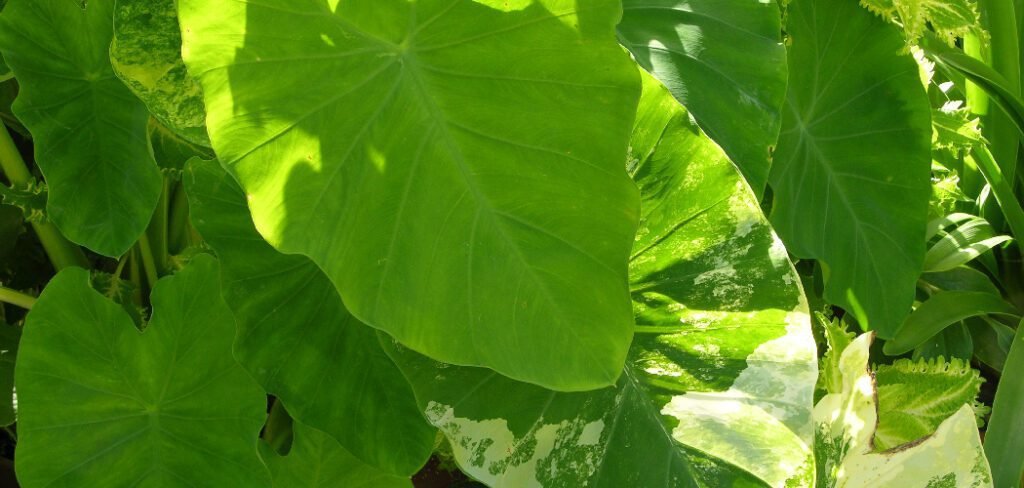
Elephant ear plants, with their massive, lush leaves, bring a touch of the tropics to any garden or home. Their dramatic foliage can transform a space, but unfortunately, these beautiful plants can also attract unwanted attention from various insects. Seeing your prized leaves riddled with holes and damage can be disheartening for any plant owner. If you’ve been wondering how to stop insects from eating my elephant ears, you’ve come to the right place. This guide provides simple, effective strategies to identify pests, treat infestations, and protect your plants, ensuring they remain healthy and stunning all season long.
Why Pest Control for Elephant Ears is Crucial
Protecting your elephant ear plants from insects is about more than just maintaining their appearance. A pest infestation, if left unchecked, can quickly escalate from minor cosmetic damage to a serious threat to your plant’s health. Insects like aphids, spider mites, and mealybugs feed on the plant’s sap, robbing it of essential nutrients needed for growth. This can lead to yellowing leaves, stunted growth, and a weakened plant that is more susceptible to diseases. In severe cases, a heavy infestation can even kill the plant. Proactive pest management ensures your elephant ears not only look their best but also thrive for years to come.
10 Step-by-Step Guide on How to Stop Insects from Eating My Elephant Ears
Step 1: Identify the Culprits
The first step in any pest control plan is to know what you are dealing with. Different insects require different treatments. Carefully inspect your elephant ear plant, paying close attention to the undersides of leaves, stems, and the point where the leaf stalk meets the main stem. Look for tiny moving dots, which could be spider mites, or small, pear-shaped insects clustered together, which are likely aphids. Mealybugs appear as white, cotton-like masses, while thrips are tiny, slender insects that are hard to see without magnification.
Step 2: Manually Remove Visible Pests
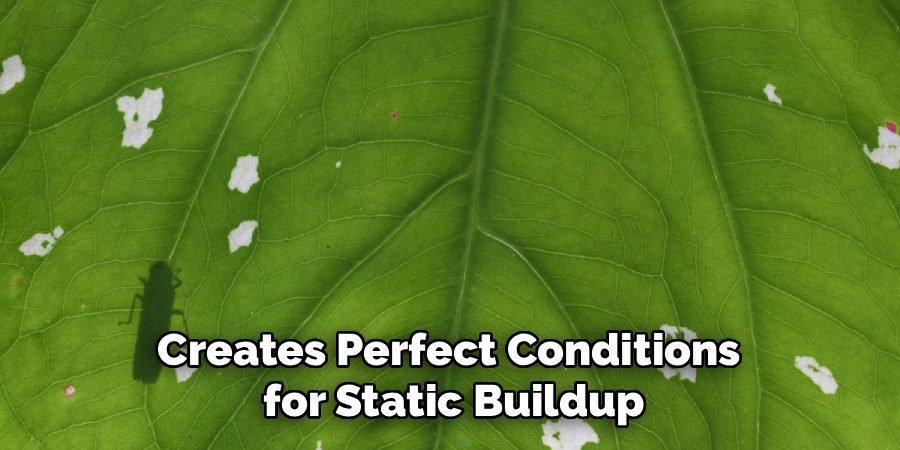
For light infestations, manual removal is a surprisingly effective first line of defense. Put on a pair of gardening gloves and gently wipe the pests off the leaves with a soft, damp cloth or paper towel. You can also dislodge insects like aphids and spider mites with a steady stream of water from a hose or spray bottle. Be thorough and check every leaf, as pests love to hide in crevices. This physical removal immediately reduces the pest population, giving your plant some relief while you prepare for further treatment.
Step 3: Apply Insecticidal Soap
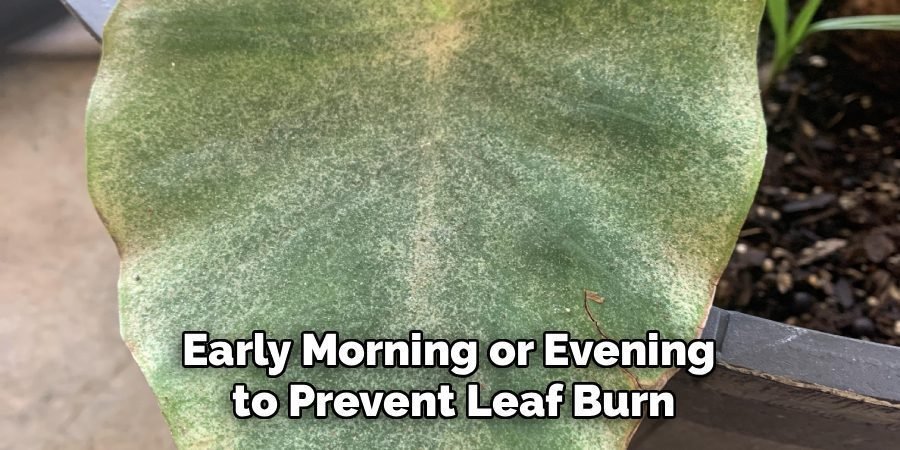
Insecticidal soap is a safe and effective treatment for many common soft-bodied pests that trouble elephant ears, including aphids, mealybugs, and spider mites. It works by breaking down the insect’s outer shell, causing dehydration. You can purchase a ready-to-use spray or mix your own using a mild liquid soap (like castile soap) and water. Be sure to avoid detergents, as they can harm the plant. Spray the entire plant, making sure to coat the undersides of the leaves where pests congregate. Apply it in the early morning or evening to prevent leaf burn.
Step 4: Use Neem Oil for Broader Protection
Neem oil is a fantastic organic option that acts as both a pesticide and a fungicide. It disrupts the life cycle of insects, preventing them from feeding and reproducing, and it can help manage fungal issues that sometimes accompany pest damage. To apply, mix pure, cold-pressed neem oil with water and a small amount of mild soap, which acts as an emulsifier. Spray your elephant ear plant thoroughly, covering all surfaces. Neem oil is most effective when applied every 7 to 14 days as a preventative measure or weekly to control an active infestation.
Step 5: How to Stop Insects From Eating My Elephant Ears With Beneficial Bugs
Introduce natural predators to your garden to create a balanced ecosystem that keeps pest populations in check. Ladybugs are voracious eaters of aphids, while lacewings and predatory mites will happily consume spider mites, thrips, and other small pests. You can purchase these beneficial insects from garden supply stores or online. Releasing them near your affected elephant ear plants provides a natural and continuous form of pest control without the need for chemical sprays. This method is especially useful for outdoor plants and is a cornerstone of integrated pest management.
Step 6: Prune Damaged Leaves
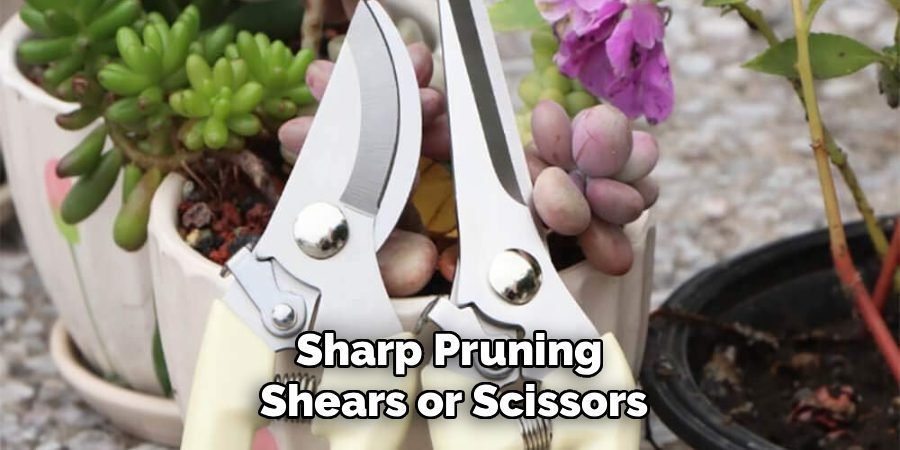
Once you begin treating the pest problem, it is important to remove any heavily damaged or infested leaves. This not only improves the plant’s appearance but also removes a significant number of pests and their eggs from the plant. Use clean, sharp pruning shears or scissors to cut the damaged leaf stalk close to the base of the plant. Discard these clippings in a sealed bag and dispose of them in the trash, not your compost pile, to prevent the pests from spreading to other plants in your garden.
Step 7: Improve Air Circulation
Pests like spider mites and mealybugs thrive in stagnant, humid conditions. Improving air circulation around your elephant ear plant can make the environment less hospitable for them. If your plant is indoors, consider placing a small fan nearby to create a gentle breeze. For outdoor plants, ensure they are not too crowded by other foliage. Proper spacing allows air to flow freely, which helps keep the leaves dry and discourages pests from settling in. This simple environmental change can make a big difference in preventing future infestations.
Step 8: Maintain Consistent Plant Care
A healthy, vigorous plant is naturally more resistant to pests and diseases. Ensure your elephant ear is receiving the proper amount of water, light, and nutrients. Elephant ears typically prefer consistently moist but not waterlogged soil and bright, indirect light. Overwatering or underwatering can stress the plant, making it a more attractive target for pests. Fertilize regularly during the growing season with a balanced fertilizer to support strong, healthy growth, giving your plant the strength to fend off and recover from pest attacks.
Step 9: Prune Damaged Leaves
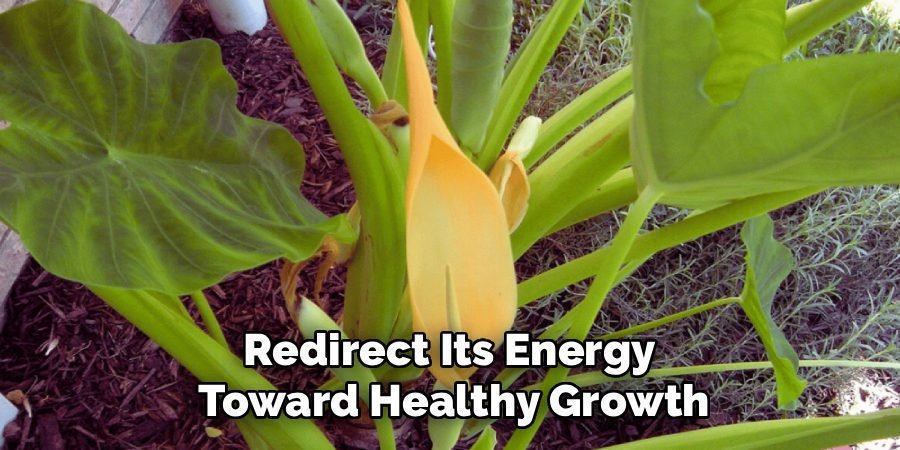
Regularly inspect your elephant ear plant for any damaged, yellowing, or infested leaves and promptly remove them. Pruning these leaves not only improves the plant’s appearance but also helps redirect its energy toward healthy growth. Use clean, sharp scissors or pruning shears to make precise cuts near the base of the petiole. Disposing of the pruned material properly is essential to prevent pests or diseases from spreading to the rest of the plant. Proper pruning encourages a thriving and vibrant elephant ear, keeping it both strong and pest-resistant.
Step 10: Fertilize for Optimal Growth
Fertilizing your elephant ear plant is essential to ensure it receives the nutrients necessary for robust growth and vibrant foliage. Use a balanced, water-soluble fertilizer—ideally one with equal ratios of nitrogen, phosphorus, and potassium—every 4 to 6 weeks during the active growing season. Be sure to dilute the fertilizer according to the instructions to avoid overfeeding, which could harm your plant. Regular fertilization supports lush, healthy leaves and helps your elephant ear thrive in its environment. Always reduce or stop fertilization during the plant’s dormant period to prevent unnecessary nutrient buildup.
Pruning and Maintenance
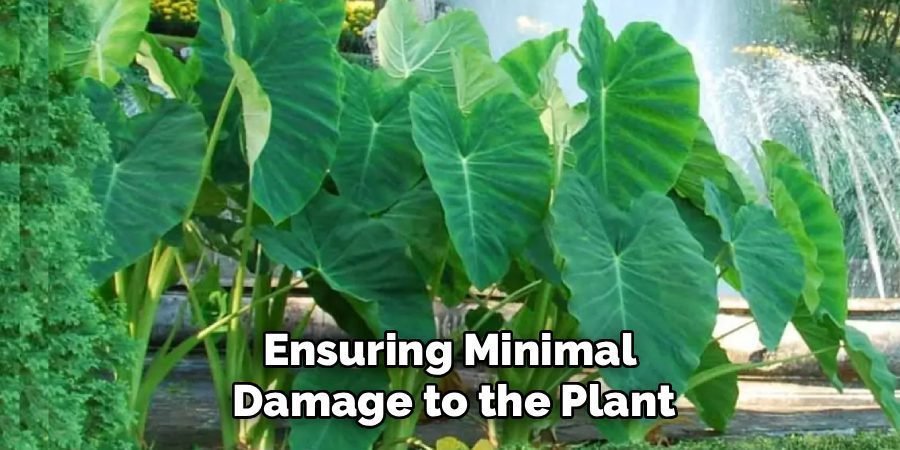
Pruning is an essential part of keeping your elephant ear plant healthy and visually appealing. Regularly remove any dead, yellowing, or damaged leaves to encourage new growth and prevent pests or diseases from spreading. Use clean, sharp pruning shears to make clean cuts close to the base of the stem, ensuring minimal damage to the plant. Additionally, wipe down the leaves occasionally with a damp cloth to keep them free of dust, which can block sunlight and hinder photosynthesis. Proper maintenance ensures your elephant ear remains vibrant and continues to enhance your space.
Frequently Asked Questions (FAQ)
What Are the Little White Bugs on My Elephant Ears?
Those little white bugs are most likely mealybugs or whiteflies. Mealybugs look like small, fuzzy, cotton-like spots and are often found clustered in leaf axils or on the undersides of leaves. Whiteflies are tiny, moth-like insects that will fly up in a cloud when the plant is disturbed. Both feed on plant sap and can be controlled with insecticidal soap or neem oil. A strong spray of water can also help dislodge them from the plant.
Can I Use Rubbing Alcohol to Kill Pests on My Plant?
Yes, you can use rubbing alcohol to spot-treat certain pests, especially mealybugs and aphids. Dab a cotton swab dipped in 70% isopropyl alcohol directly onto the visible pests. The alcohol dissolves their protective outer coating, quickly killing them on contact. However, be sure to test it on a small, inconspicuous area of a leaf first to ensure it does not cause any damage to your plant. Avoid spraying the entire plant, as it can be too harsh on the foliage.
Why Are the Leaves on My Elephant Ear Turning Yellow?
Yellowing leaves on an elephant ear plant can be caused by several issues. Overwatering is the most common culprit, leading to root rot and preventing the plant from absorbing nutrients. It can also be a sign of a nutrient deficiency. However, a significant pest infestation can also cause yellowing, as insects like spider mites and aphids drain the plant of its vital sap. Check the undersides of the leaves for signs of pests before adjusting your watering schedule.
How Often Should I Treat My Elephant Ear for Pests?
The frequency of treatment depends on the severity of the infestation and the product you are using. For an active infestation, you may need to apply treatments like insecticidal soap or neem oil every 5 to 7 days for several weeks to break the pest life cycle. For prevention, applying neem oil every 2 to 4 weeks during the growing season is a good practice. Always read and follow the instructions on the product label for the best results and to ensure plant safety.
Are Chemical Pesticides Safe for Elephant Ears?
While chemical pesticides can be effective, they should be used as a last resort. Many synthetic chemicals can be harmful to beneficial insects, pets, and the environment. They can also cause phytotoxicity, or chemical burn, on the sensitive leaves of elephant ear plants. If you must use a chemical pesticide, choose one specifically formulated for ornamental plants and test it on a small area first. Organic options like insecticidal soap and neem oil are generally safer and just as effective when used correctly.
Conclusion
Protecting your magnificent elephant ear plants from destructive insects doesn’t have to be a complicated battle. By regularly inspecting your plants, correctly identifying pests, and taking swift action, you can keep them healthy and beautiful. From simple manual removal and water sprays to the application of organic treatments like insecticidal soap and neem oil, you have a powerful arsenal at your disposal. A proactive approach focused on creating a healthy environment for your plant is your best defense.
Now that you know how to stop insects from eating my elephant ears, you can confidently ensure your plants continue to be a stunning centerpiece in your garden or home.

About Ravuk Barg
B.Sc. Horticulture Science | Certified Master Gardener
Ravuk Barg has spent more than a decade with his hands in the soil and his head full of questions about why some gardens thrive while others struggle. What started as a single raised bed of tomatoes and basil in a modest backyard has grown into a deep, working knowledge of everything from seed germination and soil amendment to companion planting and seasonal pruning.
Over the years, Ravuk has gardened through drought summers, waterlogged springs, and pest invasions that would make most gardeners hang up their trowels for good. Those hard seasons, he’ll tell you, taught him more than any perfect growing year ever could. He writes from that earned experience—covering vegetable growing, ornamental planting, houseplant care, composting, and garden design with equal confidence and curiosity.
Philosophy & Approach
Ravuk’s approach to gardening is rooted in practicality. He favors organic methods not out of dogma, but because they work long-term—resulting in healthier soil, fewer inputs, and stronger plants. He has a particular fondness for heirloom vegetable varieties (the kind with proper flavor), unruly cottage-style flower beds, and the stubborn houseplants that everyone else gave up on.
The Mission: Give readers the honest, experience-backed advice that helps them actually succeed in their gardens—not just the ideal version, but the real one; weeds, failures, and all.
Education & Credentials
-
B.Sc. in Horticulture Science
-
Greenfield Agricultural University
-
Focus: Plant Physiology, Soil Ecology, and Sustainable Crop Production
-
-
Master Gardener Certification
-
Cooperative Extension Service
-
Focus: 200+ hours of hands-on practical training and community garden work
-
Continuing Education
-
Organic Pest Management
-
Native Plant Landscaping
-
Sustainable Crop Production