

Welcoming a cat into your home brings joy, but it can also bring a few challenges, especially for plant lovers. It’s a common frustration to discover your feline friend has mistaken your beautiful potted plants for a litter box. This unwelcome behavior not only damages your plants and creates a mess, but it can also pose health risks. Finding an effective solution is key to maintaining a harmonious home for both your plants and your pet. This guide will walk you through proven methods on how to Stop Cats Pooping in Your Plant Pots, helping you protect your indoor garden and keep your cat happy.

Why Do Cats Poop in Plant Pots?
Understanding why your cat is drawn to your plant pots is the first step toward solving the problem. For cats, the soft, diggable soil in a pot closely mimics the natural environment they instinctively seek for toileting. It’s an ideal texture for digging and burying their waste, which is a deep-seated instinct.
This behavior is not malicious; it’s simply your cat acting on its nature. It can also be a sign of other issues. For instance, the cat’s litter box might not be clean enough for their high standards, or they may dislike its location, size, or the type of litter used. Stress, a new environment, or even a medical issue could also be contributing factors. By addressing these root causes, you can redirect your cat’s behavior effectively.
8 Step-by-Step Guide on How to Stop Cats Pooping in Plant Pots
Step 1: Make the Litter Box More Appealing
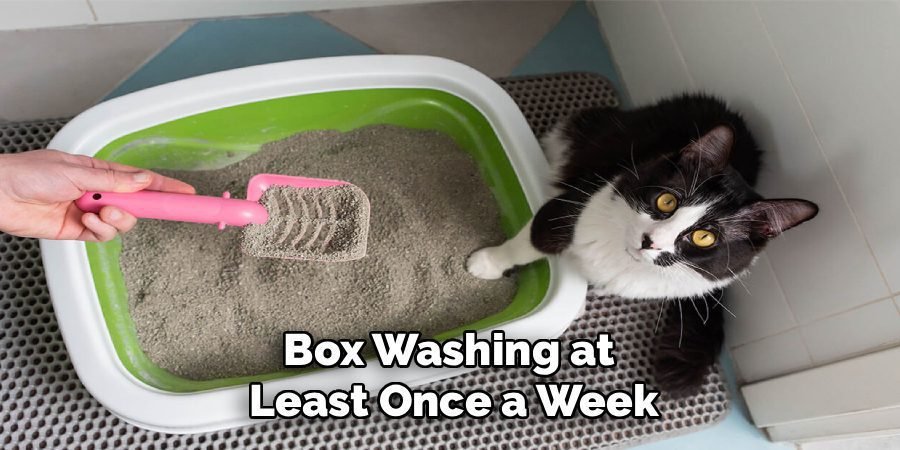
Before you make your plant pots less attractive, make sure your cat’s designated toilet is as inviting as possible. Cats are notoriously fussy about their litter boxes. Ensure the box is cleaned daily, with a full litter change and box washing at least once a week. The location matters, too; place it in a quiet, low-traffic area where your cat feels safe. If you have multiple cats, the general rule is one litter box per cat, plus one extra, to prevent territorial disputes. Experimenting with different types of unscented litter can also make a significant difference in their comfort.
Step 2: Use Citrus Peels as a Natural Deterrent
Cats have a strong sense of smell and are known to dislike citrus scents. You can use this aversion to your advantage. Simply scatter fresh orange, lemon, or grapefruit peels on the soil surface of your plant pots. The potent aroma is unpleasant to cats but perfectly harmless and often smells refreshing to humans. You will need to replace the peels every few days as they dry out and lose their scent. This simple, natural method can be a highly effective deterrent, convincing your cat to seek a more pleasant-smelling place to do their business.
Step 3: Create a Physical Barrier on the Soil
If scents don’t work, a physical barrier might be the answer. Covering the accessible soil is one of the most effective ways to stop the behavior. You can place large, smooth river rocks, decorative stones, or even pinecones on top of the soil. These objects make it uncomfortable and difficult for your cat to dig. Another option is to cut a piece of cardboard or plastic mesh to fit around the plant’s stem, completely covering the soil. This barrier prevents your cat from accessing the dirt while still allowing you to water your plant.
Step 4: Try Commercial Cat Repellent Sprays
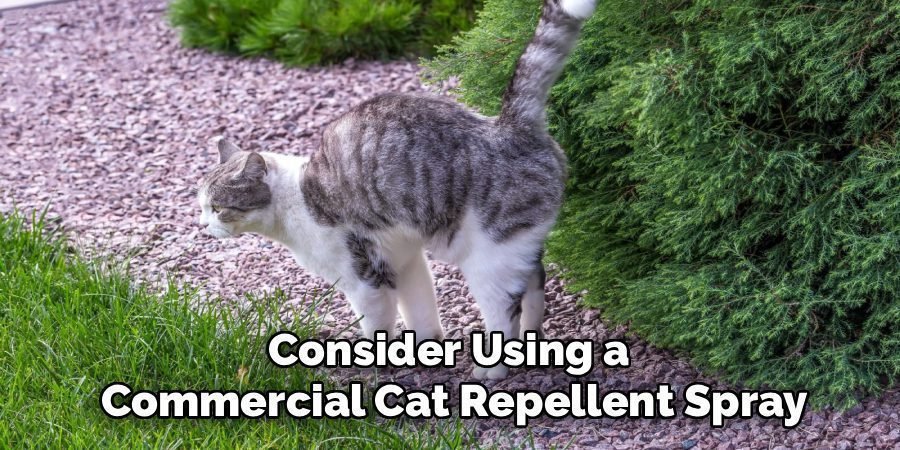
For a more targeted approach, consider using a commercial cat repellent spray. These products are specifically formulated with scents that cats find offensive but are generally safe for plants and pets when used as directed. You can find them at most pet stores. Lightly spray the repellent around the base of the plant and on the soil. Be sure to reapply the spray regularly, especially after watering your plants, as its effectiveness will diminish over time. Always read the instructions carefully to ensure the product is safe for your specific plant varieties.
Step 5: How to Stop Cats Pooping in Plant Pots with Pinecones
Using pinecones is a fantastic, natural method to deter cats. Their prickly, uneven texture is very unpleasant for a cat’s sensitive paws, making it an undesirable spot to stand or dig. Simply collect a handful of pinecones from your yard or a local park and arrange them on top of the soil in your plant pot. Pack them in closely enough that your cat cannot find a comfortable clearing. This solution is not only effective but also adds a rustic, natural aesthetic to your potted plants, blending in seamlessly with your greenery.
Step 6: Install Chicken Wire or Mesh
For a more robust and permanent barrier, chicken wire or a similar mesh can be used. Cut a piece of the wire to a size that is slightly larger than the diameter of your pot. Then, snip a hole in the center and a slit from the edge to the center, so you can fit it around the plant’s stalk. Lay the mesh securely on top of the soil. The wire is impossible for a cat to dig through and uncomfortable to stand on. While it may not be the most visually appealing option, it is highly effective for stubborn cats.
Step 7: Use Double-Sided Tape Around the Pot’s Rim
Cats dislike sticky surfaces, and you can use this to your advantage. Apply strips of double-sided tape around the rim of your plant pots. When your cat jumps up to investigate the pot, their paws will touch the sticky tape, creating a sensation they find unpleasant. This negative association can quickly teach them to avoid the planters altogether. This method is non-toxic and easy to apply, though you may need to replace the tape periodically as it loses its stickiness due to dust and moisture.
Step 8: Provide Alternative Digging Spots
Sometimes, the best solution is redirection. If your cat has a strong instinct to dig, especially if they are an indoor-only cat, providing an appropriate outlet for this behavior can solve the problem. Consider getting a “dig box”—a shallow container filled with cat-safe soil or sand—and placing it in an acceptable location. Encourage your cat to use it by praising them or placing treats near it. This gives them a designated spot to practice their natural behaviors without sacrificing your beloved houseplants in the process.
Frequently Asked Questions (FAQ)
Why Is My Cat Suddenly Pooping in My Plants?
A sudden change in your cat’s toileting habits can signal several issues. It might be a sign of dissatisfaction with their litter box—perhaps it’s not clean enough, the litter type was changed, or its location is no longer desirable. Stress from changes in the household, such as a new pet or person, can also trigger this behavior. Importantly, it could also indicate an underlying medical problem, like a urinary tract infection or digestive issues. If the behavior is new and unexplained, a visit to the veterinarian is always a good idea to rule out health concerns.
Is Cat Poop Bad for Houseplants?
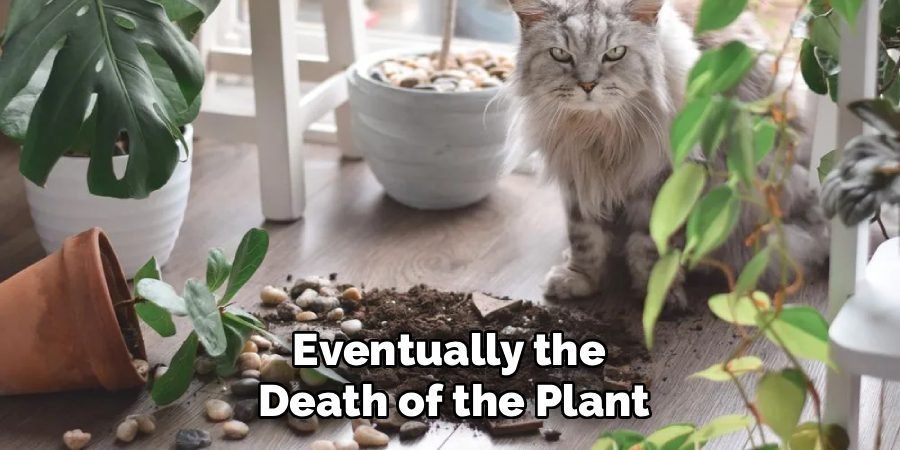
Yes, cat feces are harmful to houseplants. Unlike the manure from herbivores, cat waste is highly acidic and rich in nitrogen, which can burn the plant’s roots and damage the foliage. It can also introduce harmful pathogens and bacteria into the soil, creating an unhealthy environment for your plant to thrive. This can lead to yellowing leaves, stunted growth, and eventually the death of the plant. It’s crucial to remove any waste immediately and consider repotting the plant with fresh soil if the problem persists.
Can I Use Cayenne Pepper to Deter Cats?
While cayenne pepper is often suggested as a cat deterrent, it is not recommended. The active ingredient, capsaicin, can cause significant irritation if it gets into a cat’s eyes or nose, or if they ingest it while grooming their paws. This can lead to pain, inflammation, and distress for your pet. It is always better to choose humane deterrents that do not cause physical harm, such as citrus peels, pinecones, or commercial repellents specifically designed to be safe for animals. The goal is to deter, not to harm.
What Scents Do Cats Hate?
Cats are highly sensitive to smells and have a strong aversion to certain scents. Citrus is one of the most well-known, including orange, lemon, and lime. They also tend to dislike the smell of mint, lavender, eucalyptus, and rosemary. Many common household herbs and essential oils can be used to create natural repellents. However, be cautious when using essential oils, as many are toxic to cats if ingested or absorbed through the skin. Always use heavily diluted sprays and never apply oils directly to your cat.
How Do I Clean a Plant Pot After a Cat Has Used It?
First, put on gloves and carefully remove all feces and any contaminated soil. For heavily soiled plants, it is best to repot them entirely. Gently remove the plant, shaking off as much of the old soil as possible from the roots. Wash the pot thoroughly with hot, soapy water, and consider disinfecting it with a solution of one part bleach to ten parts water to kill any remaining pathogens. Rinse the pot well, let it dry completely, and then repot your plant with fresh, sterile potting mix.
Conclusion
Finding your cat using a planter as a litter box can be incredibly frustrating, but it’s a solvable problem. By understanding the reasons behind this behavior and implementing a few simple strategies, you can restore peace to your indoor garden. Whether you choose to make the litter box more inviting, use natural deterrents like citrus and pinecones, or create physical barriers, consistency is key. Taking these steps will help you learn how to stop cats pooping in plant pots for good. You can successfully protect your plants and guide your feline friend to more appropriate habits, ensuring a happy home for everyone.

About Ravuk Barg
B.Sc. Horticulture Science | Certified Master Gardener
Ravuk Barg has spent more than a decade with his hands in the soil and his head full of questions about why some gardens thrive while others struggle. What started as a single raised bed of tomatoes and basil in a modest backyard has grown into a deep, working knowledge of everything from seed germination and soil amendment to companion planting and seasonal pruning.
Over the years, Ravuk has gardened through drought summers, waterlogged springs, and pest invasions that would make most gardeners hang up their trowels for good. Those hard seasons, he’ll tell you, taught him more than any perfect growing year ever could. He writes from that earned experience—covering vegetable growing, ornamental planting, houseplant care, composting, and garden design with equal confidence and curiosity.
Philosophy & Approach
Ravuk’s approach to gardening is rooted in practicality. He favors organic methods not out of dogma, but because they work long-term—resulting in healthier soil, fewer inputs, and stronger plants. He has a particular fondness for heirloom vegetable varieties (the kind with proper flavor), unruly cottage-style flower beds, and the stubborn houseplants that everyone else gave up on.
The Mission: Give readers the honest, experience-backed advice that helps them actually succeed in their gardens—not just the ideal version, but the real one; weeds, failures, and all.
Education & Credentials
-
B.Sc. in Horticulture Science
-
Greenfield Agricultural University
-
Focus: Plant Physiology, Soil Ecology, and Sustainable Crop Production
-
-
Master Gardener Certification
-
Cooperative Extension Service
-
Focus: 200+ hours of hands-on practical training and community garden work
-
Continuing Education
-
Organic Pest Management
-
Native Plant Landscaping
-
Sustainable Crop Production