

Welcome to your definitive guide on managing fungus gnats and mosquitoes in your indoor and outdoor container gardens. If you’ve noticed tiny, annoying flies buzzing around your beautiful potted plants, you’re not alone. These pests, often fungus gnats or mosquitoes, thrive in the moist soil of containers. Fortunately, there is a simple and effective solution. This article will walk you through exactly how to use mosquito dunks in potted plants, providing a safe and targeted way to eliminate these pests at their source. Get ready to reclaim your plants and enjoy a pest-free home and patio.
Why Use Mosquito Dunks in Potted Plants?
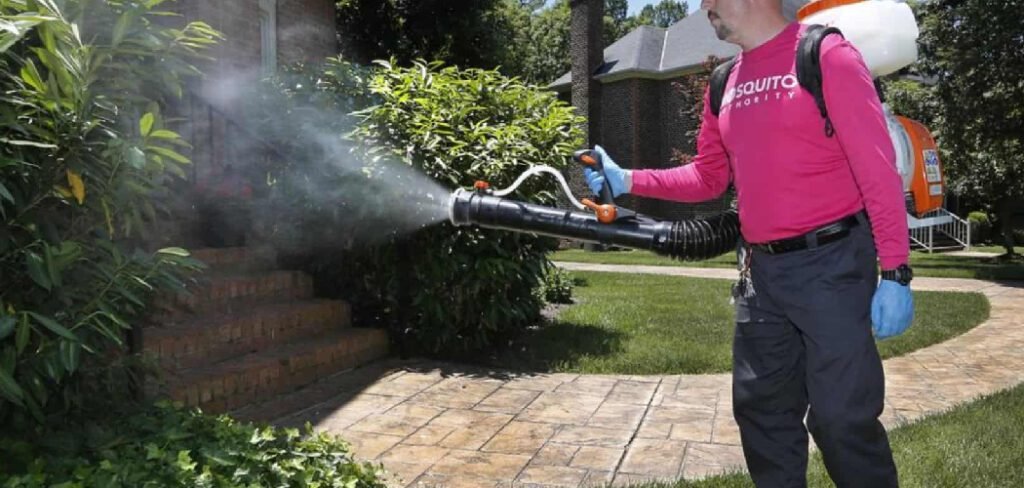
Using mosquito dunks in your container garden is a proactive and highly effective strategy for pest control, specifically targeting the larval stage of mosquitoes and fungus gnats. These pests lay their eggs in the moist soil of your pots, and the larvae that hatch can damage plant roots and quickly grow into a swarm of annoying adults. Mosquito dunks contain a naturally occurring bacterium called Bacillus thuringiensis israelensis (BTI), which is lethal to these larvae but completely harmless to plants, people, pets, and beneficial insects like bees and butterflies.
Unlike chemical sprays that only target adult insects and can be harmful to the surrounding environment, BTI works directly in the soil and water where the problem begins. By adding mosquito dunks to your watering routine, you create an inhospitable environment for larvae to develop, effectively breaking their life cycle. This method is not only safe and eco-friendly but also provides long-lasting protection, ensuring your potted plants remain healthy and your living spaces stay pest-free. It’s a simple, targeted solution for a common and frustrating problem.
8 Step Methods Guide on How to Use Mosquito Dunks in Potted Plants
Step 1: Gather Your Supplies
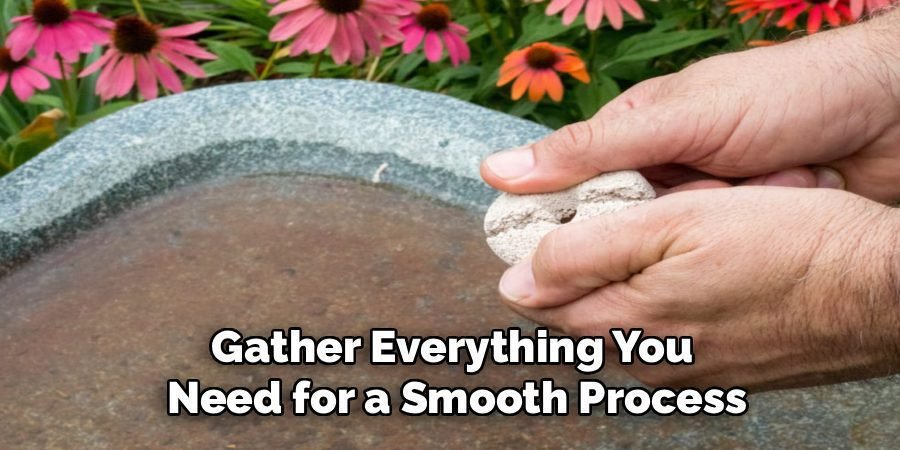
Before you begin, gather everything you need for a smooth process. You will need a mosquito dunk, a watering can or a large bucket, and water. A standard mosquito dunk is a small, doughnut-shaped briquette. For treating many plants, a 1 to 5-gallon bucket works perfectly. If you are only treating a few small pots, a large watering can will suffice. Having your tools ready ensures you can mix the BTI solution efficiently and apply it to your plants without interruption, making the entire task quick and simple.
Step 2: Prepare Your BTI Water Solution
The key to activating the mosquito dunk is to let it dissolve in water. Start by filling your bucket or watering can with the amount of water you’ll need for your plants. Take one mosquito dunk and break off a piece. For smaller batches, like a one-gallon watering can, a quarter of a dunk is more than enough. For larger containers, like a five-gallon bucket, you can use a whole dunk. The dunks are scored, making them easy to break apart into smaller, manageable portions for your specific needs.
Step 3: Let the Dunk Infuse the Water
Once you’ve added the piece of mosquito dunk to your water, it needs time to release the active ingredient, BTI. Place the water container aside and let the dunk soak for at least a few hours. For best results, many gardeners prefer to let it sit overnight. This extended steeping period ensures the BTI is thoroughly dispersed throughout the water, creating a potent solution that will be effective against larvae. You may see the dunk float and slowly dissolve, which is completely normal.
Step 4: Prepare Your Potted Plants for Watering
Before applying the BTI-infused water, check the soil of your potted plants. It’s best to apply this treatment when your plants are actually due for a watering. If the soil is already saturated, wait a day or two until the top inch or two of soil feels dry to the touch. Applying the treatment to dry soil ensures the BTI solution is fully absorbed deep into the root ball where fungus gnat larvae reside, rather than just running off or sitting on the surface of already wet soil.
Step 5: Water Your Plants with the BTI Solution
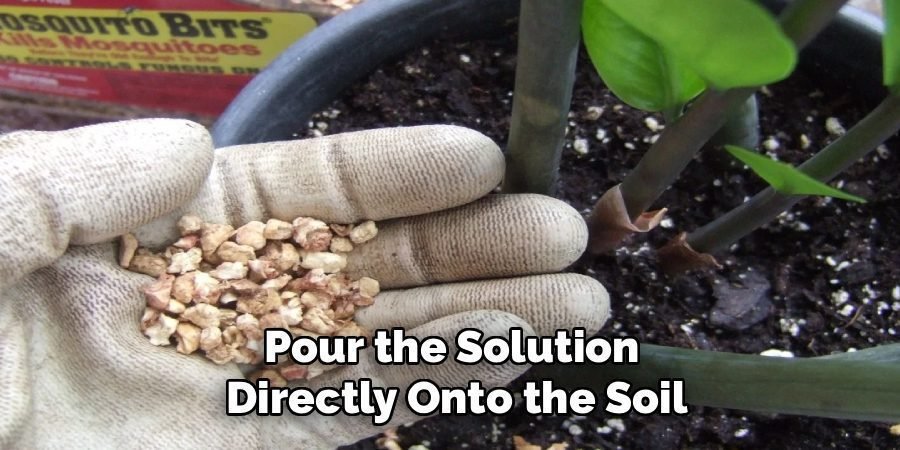
Now it’s time to treat your plants. Use the BTI-infused water from your bucket or watering can to thoroughly water each of your potted plants. Pour the solution directly onto the soil, making sure to saturate it completely until you see water begin to drain from the bottom of the pot. This ensures the BTI reaches all parts of the soil, leaving no safe havens for the larvae. Treat all of your houseplants at the same time, even if you only see gnats around one or two.
Step 6: How to Use Mosquito Dunks in Potted Plants with Saucers
If your pots have drainage saucers, pay close attention to them after watering. Mosquitoes can lay eggs in any standing water, including the runoff collected in these trays. After you finish watering with the BTI solution, do not empty the saucers immediately. Let the BTI-treated water sit in the saucer for at least 30 minutes. This will kill any larvae that may be present in that standing water. Afterward, you can discard the excess water to prevent root rot and maintain plant health.
Step 7: Repeat the Process for Complete Control
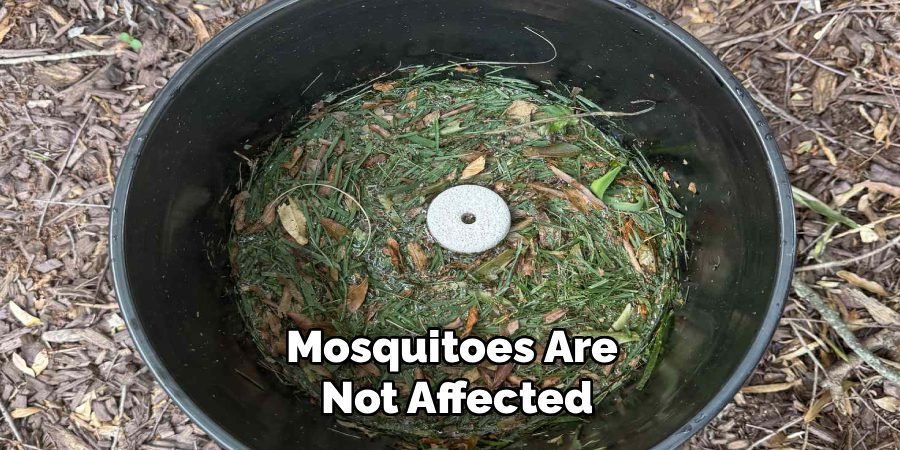
Consistency is crucial for breaking the fungus gnat and mosquito life cycle. The BTI in the soil will kill the larvae, but it does not affect the adult gnats that are already flying around. These adults will continue to lay eggs for a short time. Therefore, you must repeat the treatment with every watering for several weeks. This consistent application ensures that any newly hatched larvae are eliminated before they can mature into adults, eventually leading to a complete eradication of the pest population.
Step 8: Store Unused Dunks Properly
Properly storing your leftover mosquito dunks will keep them effective for future use. Keep the unused portions in a cool, dry place away from direct sunlight and moisture. A resealable plastic bag, an airtight container, or their original packaging works well. When stored correctly, mosquito dunks remain potent for several years. This means you’ll always have a ready supply on hand to treat new plants or address any future pest issues promptly, making it a cost-effective solution for long-term plant care.
Frequently Asked Questions (FAQ)
How Long Does It Take for Mosquito Dunks to Work?
Mosquito dunks begin working as soon as the BTI is ingested by the larvae in the soil. You can expect to see a significant reduction in the larval population within 24 to 48 hours of application. However, because adult gnats and mosquitoes are not affected, you will need to continue the treatment for a few weeks to break the entire life cycle. Consistent use with every watering will ensure that as new eggs hatch, the larvae are eliminated before they can mature.
Are Mosquito Dunks Safe for Edible Plants?
Yes, mosquito dunks are completely safe to use on edible plants, including herbs, vegetables, and fruits grown in pots. The active ingredient, BTI, is a species-specific bacterium that only targets the larvae of mosquitoes, fungus gnats, and blackflies. It is non-toxic to humans, pets, wildlife, and beneficial insects. The EPA has registered it as safe for use in animal watering troughs and fish habitats, so you can confidently use it in your container vegetable garden without any health concerns.
Can I Use Mosquito Dunks in a Self-Watering Planter?
Absolutely. Using mosquito dunks in self-watering planters is an excellent way to prevent pests. Simply break off a small piece of a dunk and place it directly into the water reservoir of the planter. The BTI will slowly dissolve and continuously treat the water that is wicked up into the soil, protecting your plants from the inside out. This method provides ongoing protection and is a very low-maintenance way to keep the standing water in the reservoir from becoming a breeding ground for pests.
How Often Should I Reapply the BTI Treatment?
For best results, you should use the BTI-infused water every time you water your plants until the infestation is gone. While a single dunk can treat a large amount of water for up to 30 days, the fungus gnat life cycle requires more frequent application in potted plants. Consistently reapplying the treatment ensures that the BTI concentration in the soil remains high enough to kill any new larvae that hatch from eggs laid by the remaining adult population. This persistence is key to breaking the cycle.
What Is the Difference Between Mosquito Dunks and Mosquito Bits?
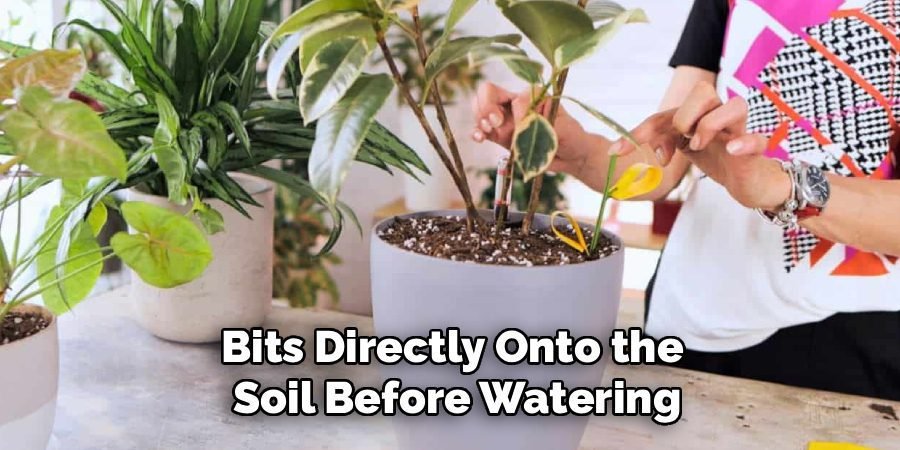
Mosquito Dunks and Mosquito Bits both contain the same active ingredient (BTI) but are formulated for different release speeds. Dunks are solid, slow-release briquettes designed to dissolve over 30 days, making them ideal for standing water like ponds or rain barrels. Mosquito Bits are smaller granules that release the BTI quickly, making them perfect for a fast-acting soil treatment in potted plants. For container gardening, you can either dissolve dunks in water as described or sprinkle Bits directly onto the soil before watering.
Conclusion
You now have a complete understanding of how to use mosquito dunks in potted plants to effectively and safely manage pests. By breaking a piece of a dunk, letting it infuse in your watering can, and consistently treating your plants, you can disrupt the life cycle of fungus gnats and mosquitoes at the source. This BTI-based method is not only powerful against larvae but also gentle on your plants, your family, and the environment. Take control of your container garden today and enjoy the peace of mind that comes with healthy, pest-free plants.

About Ravuk Barg
B.Sc. Horticulture Science | Certified Master Gardener
Ravuk Barg has spent more than a decade with his hands in the soil and his head full of questions about why some gardens thrive while others struggle. What started as a single raised bed of tomatoes and basil in a modest backyard has grown into a deep, working knowledge of everything from seed germination and soil amendment to companion planting and seasonal pruning.
Over the years, Ravuk has gardened through drought summers, waterlogged springs, and pest invasions that would make most gardeners hang up their trowels for good. Those hard seasons, he’ll tell you, taught him more than any perfect growing year ever could. He writes from that earned experience—covering vegetable growing, ornamental planting, houseplant care, composting, and garden design with equal confidence and curiosity.
Philosophy & Approach
Ravuk’s approach to gardening is rooted in practicality. He favors organic methods not out of dogma, but because they work long-term—resulting in healthier soil, fewer inputs, and stronger plants. He has a particular fondness for heirloom vegetable varieties (the kind with proper flavor), unruly cottage-style flower beds, and the stubborn houseplants that everyone else gave up on.
The Mission: Give readers the honest, experience-backed advice that helps them actually succeed in their gardens—not just the ideal version, but the real one; weeds, failures, and all.
Education & Credentials
-
B.Sc. in Horticulture Science
-
Greenfield Agricultural University
-
Focus: Plant Physiology, Soil Ecology, and Sustainable Crop Production
-
-
Master Gardener Certification
-
Cooperative Extension Service
-
Focus: 200+ hours of hands-on practical training and community garden work
-
Continuing Education
-
Organic Pest Management
-
Native Plant Landscaping
-
Sustainable Crop Production