

A sharp lawn mower blade is essential for maintaining a healthy lawn. Dull blades can tear grass rather than cutting it cleanly, leaving your lawn prone to diseases and discoloration. Sharpening your mower blades regularly not only ensures a healthier lawn but also improves your mower’s efficiency and saves you time during yard care.
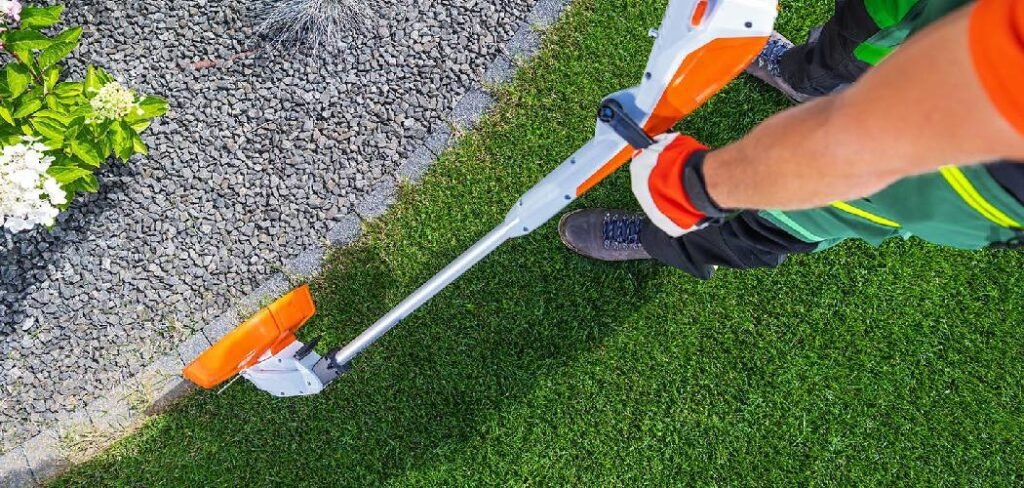
If you’re reluctant to remove the blade for maintenance, you’re not alone. Detaching it can be cumbersome and time-consuming, especially for beginners. Fortunately, How to sharpen lawn mower blades without removing them is entirely possible. The following guide will walk you through easy methods to keep your blades in top condition without the hassle of removal. Whether you’re a seasoned gardener or just starting with lawn care, these tips will make the process effortless and effective.
Why You Need to Sharpen Lawn Mower Blades
Sharp blades are the backbone of effective lawn care. A properly sharpened blade offers a precise cut, reducing stress on your grass. This helps the grass recover quickly and grow lush and green. Conversely, dull blades shred grass, leaving behind jagged edges prone to browning and disease.
Beyond lawn health, sharp blades also ensure your mower operates efficiently. They require less power to cut through grass, leading to less strain on your mower’s motor and, ultimately, a longer lifespan for the machine. If you want a pristine lawn while extending the life of your mower, regularly sharpening your blades is a must.
8 Step Methods How to Sharpen Lawn Mower Blades Without Removing
Sharpening lawn mower blades without removing them can be simpler than it sounds. The following methods will walk you through the process step by step.
1. Using a Flat File
One of the most basic methods for sharpening mower blades in place is to use a flat file. Begin by disconnecting the mower’s spark plug to ensure safety. Tilt the mower to access the blades but ensure the carburetor faces upward to prevent fuel leakage. Stabilize the blade with a wooden block to keep it from spinning as you work.
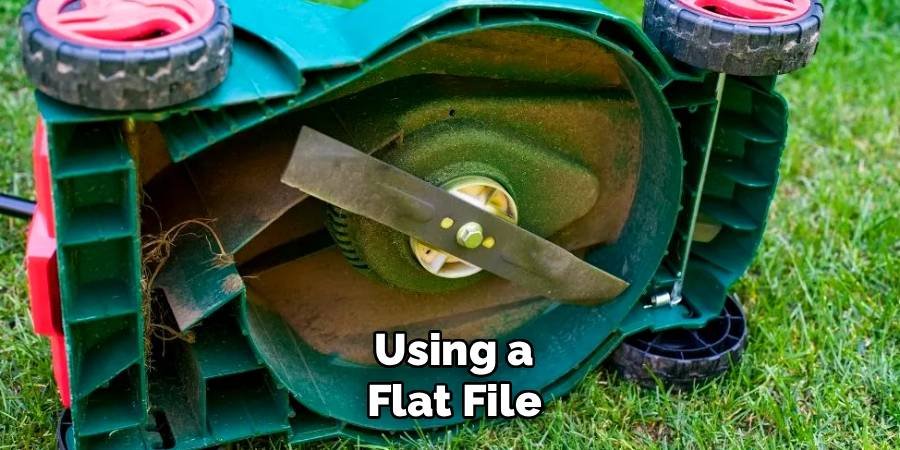
Hold the flat file at a 45-degree angle to the blade’s edge and move it along the cutting surface in smooth, even strokes. Continue filing until the edge is sharp. This method is straightforward, cost-effective, and perfect for maintaining your blades regularly.
2. Using a Rotary Tool
A rotary tool fitted with a grinding attachment is ideal for quicker, more precise sharpening. Start by securing your mower and disconnecting the spark plug. Use the rotary tool to carefully grind down the cutting edge of the blade at the correct angle. The spinning attachment makes this process efficient, even for heavily dulled blades.
Work slowly and check your progress frequently to avoid over-sharpening, as this could damage the blade. The rotary tool can also be used to smooth out any nicks or imperfections on the blade.
3. Sharpening With a Drill Attachment
A specialized lawn mower blade sharpening attachment for your power drill can make the task faster. After ensuring your mower is stable and disconnected for safety, attach the sharpener to your drill. Position it against the blade’s cutting edge and run the drill at a steady speed.
The sharpening attachment is designed to maintain the ideal edge angle as it rotates, ensuring an even and precise finish. This method is user-friendly and great for those who prioritize speed and accuracy.
4. Using a Metal File
A metal file, similar to a flat file but slightly more robust, is effective for tougher blade surfaces. Secure the mower and stabilize the blade as with previous methods. Hold the metal file at the proper angle and file the cutting edge in one direction only.
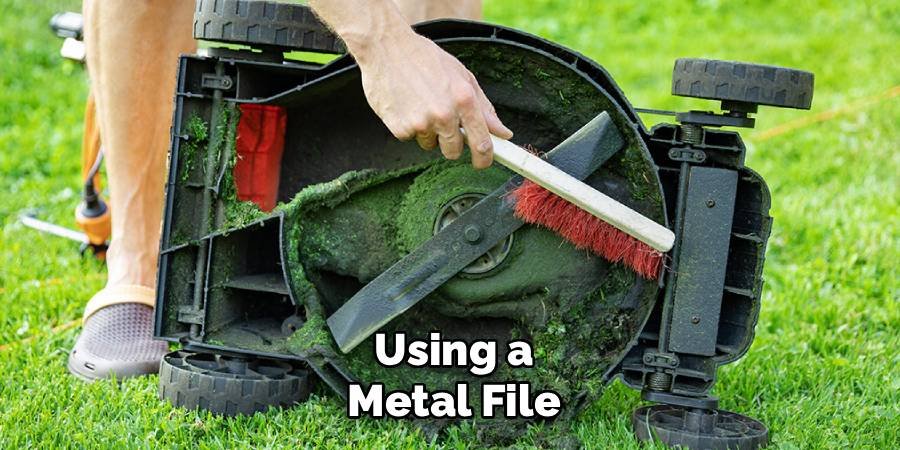
This method takes a little longer and requires more manual effort, but it’s perfect for people who prefer traditional tools. It’s also a great way to maintain control over the sharpening process, ensuring no part of the blade becomes overly sharpened or uneven.
5. Grinding With a Handheld Grinder
For those comfortable with power tools, a handheld grinder is a fast, efficient option. After disconnecting the spark plug, tilt and secure your mower. Use a grinding wheel attachment on the blade, following the factory bevel angle for precision.
Grind the edges carefully in short bursts to avoid overheating the blade, which can weaken the metal. Handheld grinders are perfect for those who have severely dull or damaged blades.
6. Using Sandpaper or Emery Cloth
For minor sharpening and blade touch-ups, sandpaper or emery cloth can be surprisingly effective. Secure your mower, then use coarse-grit sandpaper to smooth the blade surface and refine the cutting edge.
Although less aggressive than other tools, this method is excellent for quick maintenance between major sharpening sessions. Sandpaper is also gentle, reducing the risk of damaging the blade.
7. Using a Whetstone
A whetstone, commonly used for knife sharpening, can also be adapted for mower blades. First, secure the mower and disconnect any power sources. Wet the stone to lubricate it, then run it along the blade’s cutting edge while maintaining the proper angle.
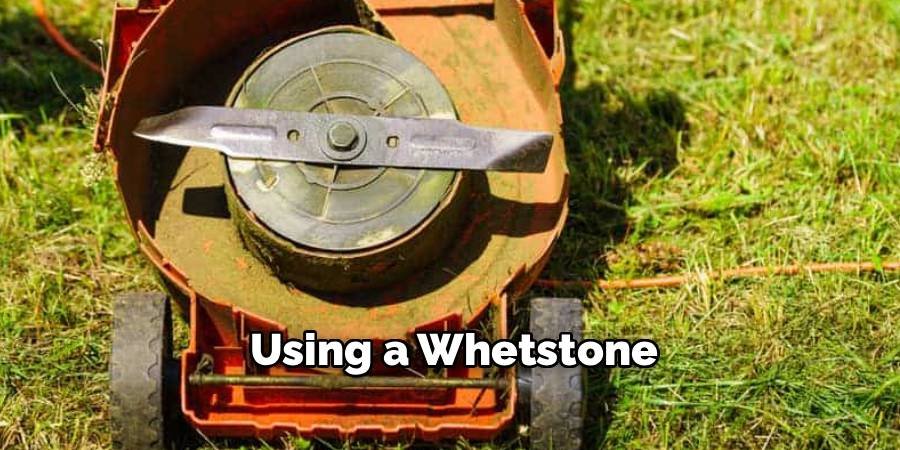
Whetstones provide razor-sharp results, though they require more time and precision. This method is ideal for smaller mowers or those looking for a high-quality finish on their blades.
8. Sharpening With a Bench Grinder
If you have access to a bench grinder, this tool can effectively sharpen mower blades without removing them. Tilt the mower and secure it well before carefully applying the grinder to the blade edges.
This high-powered method is incredibly efficient, though it’s better suited to experienced DIYers. Always wear safety goggles and gloves when using a bench grinder, and take care not to overheat the blade.
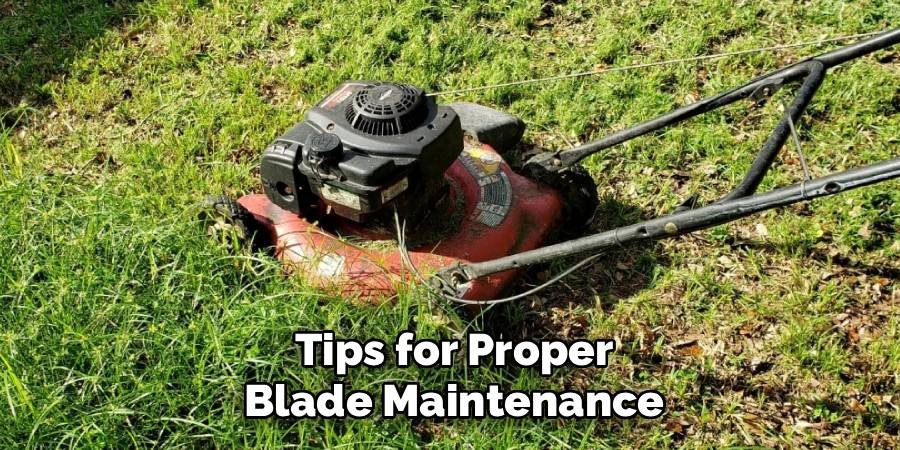
Tips for Proper Blade Maintenance
Proper maintenance of your lawn mower blade is essential for maintaining a healthy and beautiful lawn. Not only does a sharp, well-maintained blade provide cleaner cuts to your grass, but it also ensures that your mower runs efficiently and effectively.
In addition to sharpening the beveled cutting edge of the blade as discussed in the previous section, there are other important steps you should take to ensure proper blade maintenance. Here are some tips to help you keep your mower blade in top condition:
- Inspect the blade regularly: It’s important to inspect your mower blade on a regular basis for any signs of damage such as cracks or nicks. If you notice any
Common Mistakes to Avoid
Many lawn owners make errors when sharpening blades, often leading to less effective results or even blade damage. One common mistake is sharpening both sides of the blade, which can throw the mower off balance. Only sharpen the beveled cutting edge.
Another frequent error is using excessive force, which can create an uneven edge or damage the blade’s structural integrity. Always work slowly and carefully, letting your tool do the job. Finally, failing to stabilize the mower or blade can create safety hazards—always secure everything properly before you start.
FAQ
How often should I sharpen my lawn mower blades?
You should sharpen your lawn mower blades every 20-25 hours of use or at least twice per mowing season. If your grass shows signs of tearing or browning, it’s time to sharpen.
Can I sharpen blades that have chips or nicks?
Yes, minor chips or nicks can be smoothed out using a rotary tool, grinder, or metal file. However, heavily damaged blades may require replacement for optimal performance.
Is there a risk of overheating the blade during sharpening?
Yes, excessive heat from power tools can weaken the blade. To avoid this, work in short bursts and allow the blade to cool between passes.
Can I use household tools for sharpening mower blades?
Yes, tools like files, sandpaper, and even whetstones can effectively sharpen mower blades. Power tools are helpful but not mandatory for a sharp edge.
Do I need to balance lawn mower blades after sharpening?
Yes, balancing the blade is crucial to prevent mower vibration. Use a blade balancer or a simple nail-in-wall technique to check for balance before reinstalling the blade.
Conclusion
Learning how to sharpen lawn mower blades without removing them is a valuable skill every homeowner should master. With simple tools like a flat file, rotary tool, or even sandpaper, you can keep your mower running efficiently and your lawn looking its best. Regular sharpening boosts mower performance, prolongs its lifespan, and ensures your grass is healthy and vibrant. Start sharpening your blades today—your lawn will thank you for it! So, it is important to make sure your lawn mower blades are sharp and in good condition for optimal performance.
Follow these steps regularly to maintain your lawn mower blades and keep them working efficiently. Happy mowing! Additionally, you can also consider replacing your lawn mower blades if they are too dull or damaged beyond repair. This will ensure that your lawn is cut evenly and efficiently, resulting in a healthier and more aesthetically pleasing yard. Remember to always prioritize safety when working with any power tools, especially when sharpening blades. Wear protective gear such as gloves and eye protection to prevent any accidents from occurring. Don’t forget to also regularly maintain the rest of your lawn mower by cleaning the deck

About Ravuk Barg
B.Sc. Horticulture Science | Certified Master Gardener
Ravuk Barg has spent more than a decade with his hands in the soil and his head full of questions about why some gardens thrive while others struggle. What started as a single raised bed of tomatoes and basil in a modest backyard has grown into a deep, working knowledge of everything from seed germination and soil amendment to companion planting and seasonal pruning.
Over the years, Ravuk has gardened through drought summers, waterlogged springs, and pest invasions that would make most gardeners hang up their trowels for good. Those hard seasons, he’ll tell you, taught him more than any perfect growing year ever could. He writes from that earned experience—covering vegetable growing, ornamental planting, houseplant care, composting, and garden design with equal confidence and curiosity.
Philosophy & Approach
Ravuk’s approach to gardening is rooted in practicality. He favors organic methods not out of dogma, but because they work long-term—resulting in healthier soil, fewer inputs, and stronger plants. He has a particular fondness for heirloom vegetable varieties (the kind with proper flavor), unruly cottage-style flower beds, and the stubborn houseplants that everyone else gave up on.
The Mission: Give readers the honest, experience-backed advice that helps them actually succeed in their gardens—not just the ideal version, but the real one; weeds, failures, and all.
Education & Credentials
-
B.Sc. in Horticulture Science
-
Greenfield Agricultural University
-
Focus: Plant Physiology, Soil Ecology, and Sustainable Crop Production
-
-
Master Gardener Certification
-
Cooperative Extension Service
-
Focus: 200+ hours of hands-on practical training and community garden work
-
Continuing Education
-
Organic Pest Management
-
Native Plant Landscaping
-
Sustainable Crop Production