

Storing your lawn mower correctly is very important for keeping it working well. Many people don’t know how to store a lawn mower the right way. This can cause big problems later. Your mower might not start next season. It could get rusty or broken. But don’t worry! This guide will show you exactly how to store a lawn mower safely.

When winter comes, you need to put your lawn mower away. Good storage keeps your mower running for many years. It also saves you money on repairs. Let’s learn the best ways to store your lawn mower properly.
Why Proper Lawn Mower Storage Matters
Before we learn how to store a lawn mower, let’s understand why it’s important. Bad storage can damage your mower in many ways. Fuel can go bad and clog the engine. Metal parts can get rusty. Mice might make nests inside your mower. The battery can die completely.
Good storage prevents all these problems. Your mower will start easily next spring. You won’t need expensive repairs. Your lawn mower will last much longer with proper care.
10 Essential Methods on How to Store a Lawn Mower
Method 1: Clean Your Lawn Mower Completely
The first step in how to store a lawn mower is cleaning it well. Remove all grass clippings from the deck. Use a hose to wash off dirt and debris. Scrape off stuck grass with a plastic scraper. Don’t use metal tools that might scratch the mower.
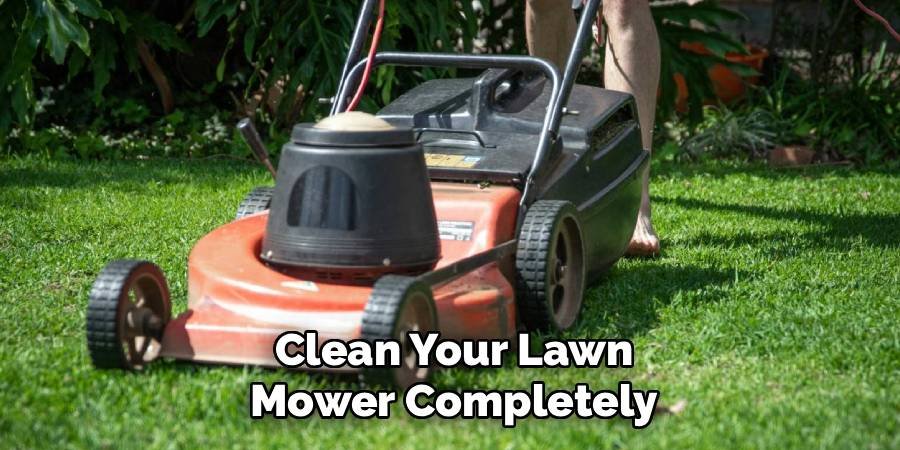
Clean the air filter too. A dirty filter makes the engine work harder. Replace it if it looks very dirty. Wipe down all surfaces with a damp cloth. Let everything dry completely before moving to the next step. This prevents rust and keeps your mower looking good.
Method 2: Drain or Stabilize the Fuel
Old fuel is a big problem when storing lawn mowers. Gas can go bad in just 30 days. Bad fuel clogs the carburetor and makes starting hard. You have two choices for fuel storage.
First choice: drain all the fuel out. Run the mower until it stops. This uses up all gas in the lines. Second choice: add fuel stabilizer to fresh gas. Fill the tank completely and run the mower for 5 minutes. This spreads the stabilizer through the whole system.
Most experts say draining fuel is better for long storage. But fuel stabilizer works well if you use your mower every few months.
Method 3: Change the Engine Oil
Dirty oil can damage your mower engine during storage. Old oil has dirt and metal particles in it. These can cause rust and wear. Changing oil before storage keeps your engine healthy.
Warm up the engine first. Warm oil drains out easier. Remove the drain plug and let all oil flow out. Replace the oil filter if your mower has one. Add fresh oil according to your owner’s manual. Don’t overfill the oil. Too much oil can damage the engine.
Method 4: Remove or Maintain the Battery
If your mower has a battery, you need special care. Cold weather can kill batteries quickly. Remove the battery from your mower. Store it in a warm, dry place like your basement or garage.
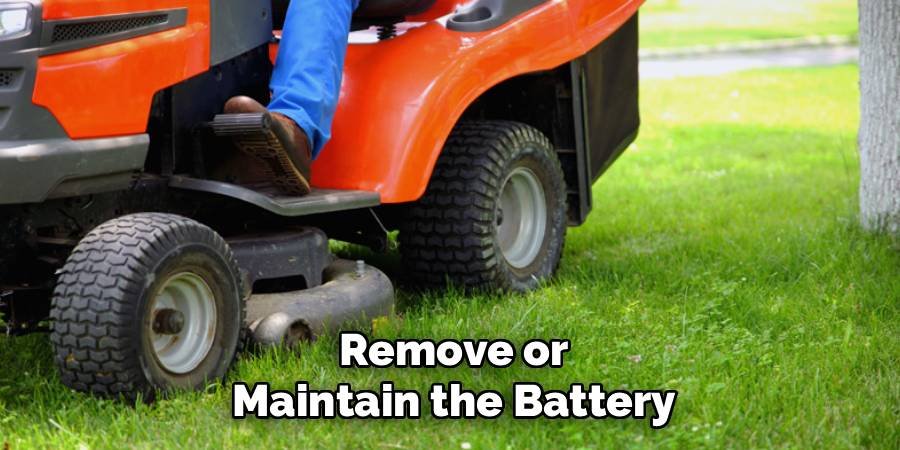
Clean the battery terminals with baking soda and water. Check the water level in non-sealed batteries. Add distilled water if needed. Charge the battery every month during storage. This keeps it ready for spring use. Some people leave batteries connected to a trickle charger. This keeps them charged automatically. Make sure you use a charger made for lawn mower batteries.
Method 5: Protect Metal Parts from Rust
Rust is a big enemy of lawn mowers. Metal parts can rust quickly in damp conditions. Spray moving parts with light oil. Pay special attention to the blade, springs, and cables.
Don’t spray oil on the engine or exhaust pipe. This can cause smoking when you start the mower. Use a thin coat of oil on exposed metal. Wipe off any extra oil with a clean cloth.
Some people use car wax on painted surfaces. This gives extra protection against moisture. Apply wax according to the package directions.
Method 6: Choose the Right Storage Location
Where you store your lawn mower matters a lot. The best place is dry, cool, and safe from weather. A garage or shed works perfectly. Avoid storing in damp basements or outside under tarps.
The storage area should have good air flow. This prevents moisture buildup. Keep your mower away from water heaters, furnaces, and other heat sources. Heat can damage plastic parts and rubber seals.
If you must store outside, use a waterproof cover. Make sure the cover breathes to prevent condensation. Raise the mower off the ground on blocks or pallets.
Method 7: Prepare the Cutting Deck
The cutting deck needs special attention for storage. Remove the mower blade carefully. Clean it with soap and water. Check for chips, cracks, or dull edges. Sharpen or replace the blade if needed.
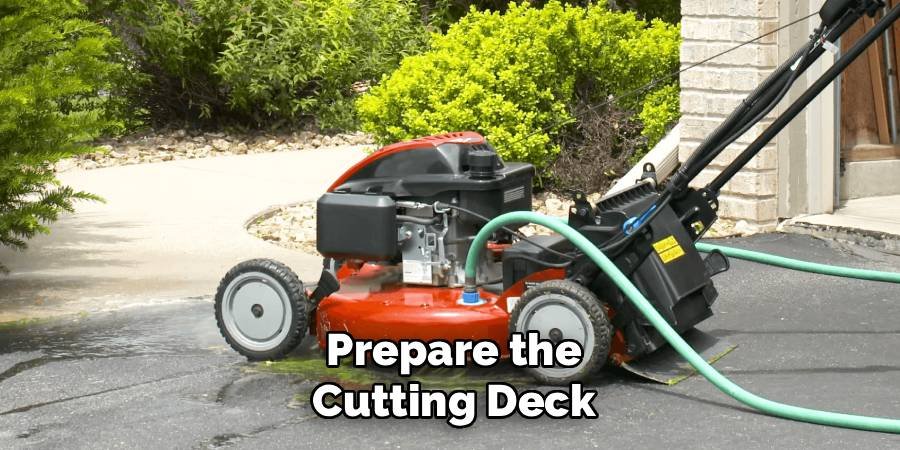
Clean under the deck where grass builds up. Use a putty knife to scrape off stuck debris. Wash with a garden hose if possible. Let everything dry completely. Apply a thin coat of oil to prevent rust. Store the blade in a safe place where people won’t get cut. Wrap it in cloth or cardboard. Label it so you remember which mower it belongs to.
Method 8: Handle Tires and Wheels Properly
Mower tires can go flat during long storage. This can damage the tires and make them hard to use. Add extra air to the tires before storage. Check your owner’s manual for correct pressure.
If possible, move your mower every month. This prevents flat spots on the tires. Some people put the mower on blocks to take weight off the tires. This works well for very long storage.
Check the wheels for damage too. Tighten any loose bolts. Grease the wheel bearings if your mower has them. Clean dirt and grass from around the wheels.
Method 9: Protect Against Pests
Mice and other small animals love to make homes in stored equipment. They can chew wires and build nests in your mower. This causes expensive damage.
Block any openings where animals might enter. Use steel wool or hardware cloth. Don’t use poison baits near your mower. These can be dangerous to pets and children. Some people put dryer sheets around their stored mowers. The smell keeps mice away. Replace the sheets every few months. Mothballs also work but have a strong smell.
Method 10: Create a Storage Checklist
Make a list of all storage steps. Check off each step as you complete it. This ensures you don’t forget anything important. Keep the list with your mower or in your garage.
Your checklist might include: clean mower, drain fuel, change oil, remove battery, oil metal parts, sharpen blade, and check storage area. Add your own items based on your specific mower. Take photos of your mower before storage. This helps you remember how everything goes back together. Note any problems you find. Fix them before next season starts.
Frequently Asked Questions (FAQs)
1. How long can I store my lawn mower?
You can store a lawn mower for 6-8 months safely if you follow proper storage steps. Some people store mowers for a full year without problems. The key is good preparation. Drain the fuel, change the oil, and keep it in a dry place. Check on your stored mower every few months to make sure everything looks good.
2. Should I run my lawn mower during winter storage?
No, don’t run your stored lawn mower during winter. Starting it can cause more harm than good. Cold engines don’t run well and can be damaged. If you stored it properly, it will start fine in spring. Just follow your preparation steps and wait until mowing season returns.
3. Can I store my lawn mower outside?
It’s not best to store a lawn mower outside, but sometimes you have no choice. If you must store outside, use a good waterproof cover. Put the mower on blocks to keep it off wet ground. Check it more often for rust or damage. Inside storage in a garage or shed is much better for your mower.
4. What happens if I don’t drain the fuel?
Old fuel causes many problems in stored mowers. It can clog the carburetor, fuel lines, and injectors. The mower might not start next season. You might need expensive repairs. Bad fuel smells terrible too. Always drain fuel or use stabilizer for storage longer than one month.
5. How do I know if my stored mower is damaged?
Check your mower when you take it out of storage. Look for rust, mouse damage, or leaks. Try to start it after adding fresh fuel and oil. If it doesn’t start easily, you might have storage problems. Strange smells, sounds, or smoke mean something is wrong. Take it to a repair shop if you’re not sure what’s wrong.
Conclusion
Learning how to store a lawn mower properly protects your investment and saves money. These 10 methods ensure your mower stays in perfect condition during storage. Clean your mower thoroughly and handle the fuel correctly. Change the oil and protect metal parts from rust. Choose a good storage location and prepare the cutting deck properly.
Don’t forget about tires, batteries, and pest protection. Make a checklist to remember all the steps. Good storage means your lawn mower will start easily next season. You’ll avoid expensive repairs and extend your mower’s life. Take time to store your mower correctly, and it will serve you well for many years. Remember, a little work now saves big problems later. Your lawn mower will thank you with reliable service season after season.

About Ravuk Barg
B.Sc. Horticulture Science | Certified Master Gardener
Ravuk Barg has spent more than a decade with his hands in the soil and his head full of questions about why some gardens thrive while others struggle. What started as a single raised bed of tomatoes and basil in a modest backyard has grown into a deep, working knowledge of everything from seed germination and soil amendment to companion planting and seasonal pruning.
Over the years, Ravuk has gardened through drought summers, waterlogged springs, and pest invasions that would make most gardeners hang up their trowels for good. Those hard seasons, he’ll tell you, taught him more than any perfect growing year ever could. He writes from that earned experience—covering vegetable growing, ornamental planting, houseplant care, composting, and garden design with equal confidence and curiosity.
Philosophy & Approach
Ravuk’s approach to gardening is rooted in practicality. He favors organic methods not out of dogma, but because they work long-term—resulting in healthier soil, fewer inputs, and stronger plants. He has a particular fondness for heirloom vegetable varieties (the kind with proper flavor), unruly cottage-style flower beds, and the stubborn houseplants that everyone else gave up on.
The Mission: Give readers the honest, experience-backed advice that helps them actually succeed in their gardens—not just the ideal version, but the real one; weeds, failures, and all.
Education & Credentials
-
B.Sc. in Horticulture Science
-
Greenfield Agricultural University
-
Focus: Plant Physiology, Soil Ecology, and Sustainable Crop Production
-
-
Master Gardener Certification
-
Cooperative Extension Service
-
Focus: 200+ hours of hands-on practical training and community garden work
-
Continuing Education
-
Organic Pest Management
-
Native Plant Landscaping
-
Sustainable Crop Production