

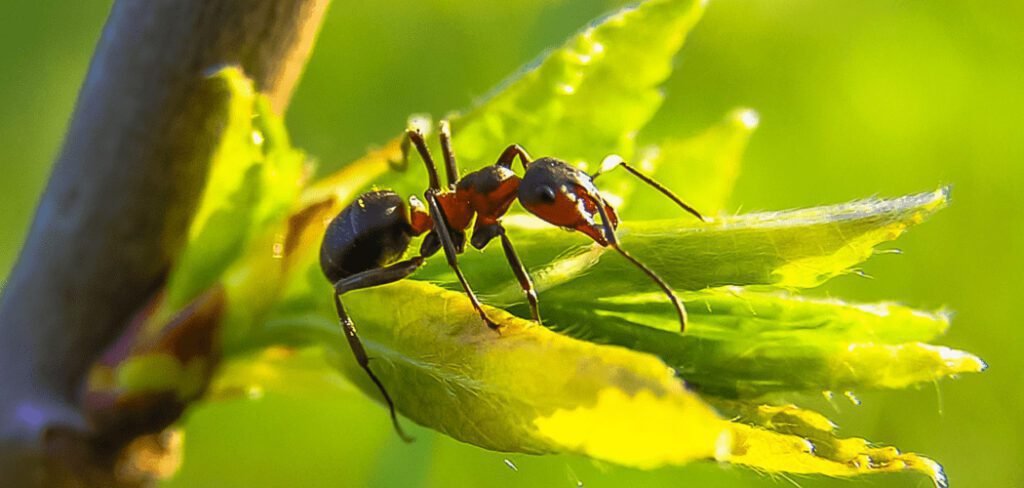
Discovering bull How to Safely Kill Bull Ants in Your Garden can be alarming. These large, aggressive ants, known for their painful stings, can quickly turn a peaceful outdoor space into a no-go zone. While they play a role in the ecosystem, a nest near your home poses a risk to family and pets. Dealing with them requires a careful and strategic approach to ensure they are removed effectively without causing harm to yourself or your garden’s beneficial inhabitants. This guide will walk you through the essential steps on how to kill bull ants in garden spaces, providing you with safe and practical methods to reclaim your yard.
Why Eradicating Bull Ants is Crucial for a Safe Garden
Having a beautiful garden is a joy, but safety should always come first. Bull ants, or Myrmecia, are not your average garden pest. They are highly territorial and possess a venomous sting that can cause severe pain, swelling, and, in rare cases, life-threatening allergic reactions. Unlike bees, they can sting multiple times. Their nests are often hidden and can be disturbed accidentally during routine gardening tasks like mowing or weeding. Removing a bull ant colony is essential to protect children, pets, and even adults from painful encounters, allowing you to enjoy your garden without fear.
8 Step-by-Step Guide on How to Kill Bull Ants in Your Garden
Step 1: Gear Up with Protective Clothing
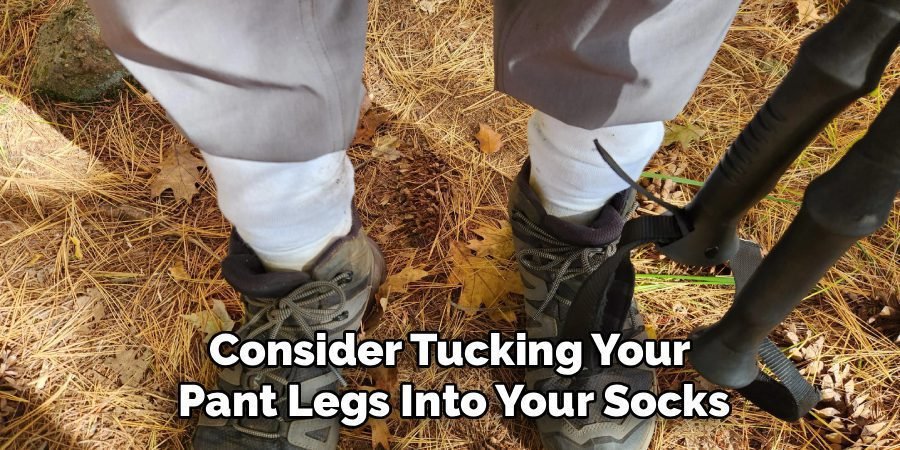
Before you even think about approaching a bull ant nest, your top priority is personal safety. These ants are notoriously aggressive and will defend their colony fiercely. You must wear thick, full-length clothing, including long pants, a long-sleeved shirt, enclosed shoes or boots, and sturdy gloves. For added protection, consider tucking your pant legs into your socks. Wearing safety glasses is also a wise precaution to shield your eyes from any potential contact with ants or treatment products. This protective barrier is non-negotiable and will prevent painful stings.
Step 2: Locate the Nest During the Day
To effectively treat the problem, you first need to find its source. The best time to locate a bull ant nest is during the day when the ants are most active. Observe their foraging trails. You can do this by watching where they travel after finding a food source. Bull ants create inconspicuous nests, often marked by a single, small hole in the ground with no surrounding mound. These entrances can be hidden under rocks, logs, or at the base of plants. Mark the location from a safe distance so you can easily find it later.
Step 3: Choose the Right Time for Treatment
Timing is critical for a successful extermination. The ideal time to treat a bull ant nest is either very early in the morning or late in the evening. During these cooler parts of the day, most of the ants, including the queen, will be inside the nest. Applying treatment at this time maximizes your chances of eliminating the entire colony at once. Attempting to treat the nest during the middle of the day is less effective, as many worker ants will be out foraging and will escape the treatment, potentially relocating the colony later.
Step 4: Select an Appropriate Insecticide
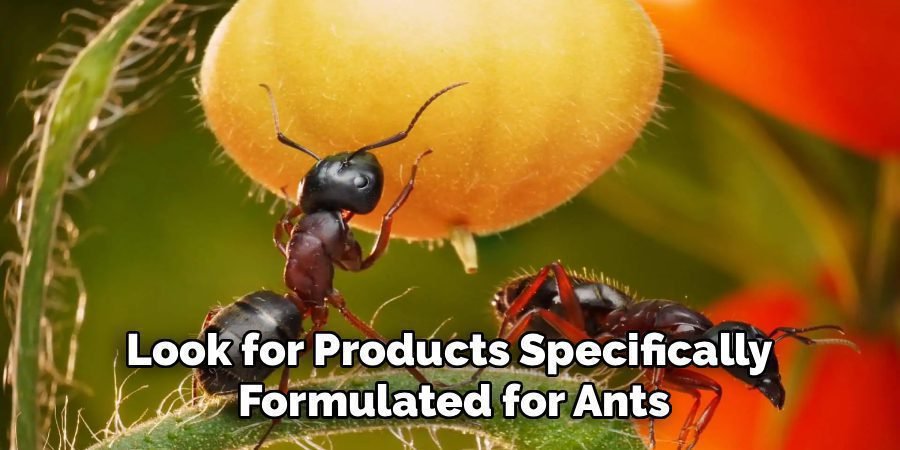
For bull ants, a targeted insecticide is necessary. Look for products specifically formulated for ants, such as ant killer dusts or granules. These products are effective because foraging ants carry the poison back into the nest, distributing it throughout the colony and ultimately reaching the queen. An insecticidal dust is often the most effective option, as it coats the ants that pass through the nest entrance. Always read and follow the product label instructions carefully for application rates and safety precautions to ensure effective and responsible use.
Step 5: How to Kill Bull Ants in Your Garden – The Application Process
With your protective gear on and the nest located, it’s time to apply the treatment. During the early morning or late evening, carefully approach the nest entrance you previously marked. Apply the insecticide dust or granules directly into and around the opening as per the product’s instructions. Be generous with the application to create a definitive barrier that the ants cannot avoid. Avoid pouring liquids directly into the nest, as this can cause the soil to collapse and may not penetrate deep enough to reach the queen.
Step 6: Avoid Disturbing the Nest
After applying the insecticide, your work is done for the moment. It is crucial that you do not disturb the nest. Do not poke it with a stick, pour water on it, or try to dig it up. Disturbing the nest can trigger a defensive swarm, putting you at high risk of being stung. It can also cause the colony to scatter and establish new nests elsewhere in your garden, making the problem worse. The goal is to let the worker ants carry the insecticide deep into the colony, which takes time.
Step 7: Monitor the Area for Activity
Patience is key. Over the next few days, monitor the nest from a safe distance. You should notice a significant decrease in ant activity within 24 to 72 hours. However, it can take up to a week or more for the insecticide to eliminate the entire colony, including the queen. If you still see significant activity after a week, a second application may be necessary. Continue to wear protective clothing whenever you are near the treated area until you are certain all activity has ceased.
Step 8: Consider Natural and Boiling Water Methods with Caution
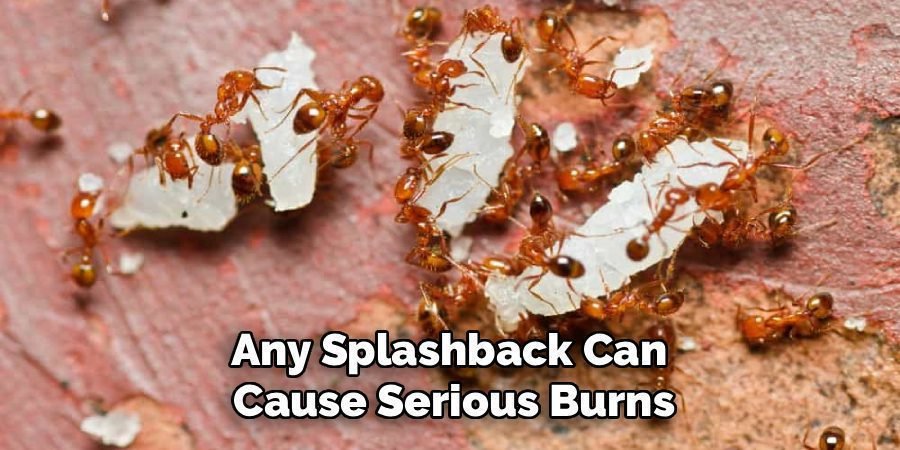
Some gardeners prefer non-chemical methods. One common DIY approach is using boiling water. Pouring a large volume of boiling water (2-3 gallons) directly into the nest entrance can be effective. However, this method is risky. It requires getting very close to the nest, and any splashback can cause serious burns. Furthermore, it may not reach the queen in a deep nest and can kill surrounding plants and beneficial soil organisms. This method should only be attempted with extreme caution and full protective gear.
Monitor and Reassess
After attempting any removal method, it is essential to monitor the nest site for several days to determine if the activity has ceased. Look for signs of lingering ants or new tunnels emerging nearby. If the ants persist, it may mean that the queen or a significant portion of the colony survived, necessitating further action. Be sure to reassess the situation carefully and decide whether to repeat the process or seek professional pest control assistance to ensure complete removal.
Frequently Asked Questions (FAQ)
What Attracts Bull Ants to My Garden?
Bull ants are primarily attracted to gardens that offer abundant food sources and suitable nesting sites. They are predators and scavengers, feeding on other insects, spiders, and nectar from flowers. A garden with a healthy insect population will naturally attract them. They also prefer undisturbed soil, often under rocks, logs, or pavers, to build their discreet nests. Maintaining a tidy garden by removing debris and controlling other pest populations can help make your yard less appealing to them.
Can I Use a Natural Deterrent to Keep Bull Ants Away?
While some natural substances are touted as ant deterrents, their effectiveness against aggressive bull ants is limited. Scents like peppermint oil, cinnamon, or vinegar might disrupt their foraging trails temporarily but are unlikely to eliminate a colony or prevent them from nesting. These methods can be a supplementary part of an integrated pest management plan but should not be relied upon as the sole solution for an active and established bull ant nest, which typically requires a more direct approach for complete removal.
How Can I Tell the Difference Between a Bull Ant and a Regular Ant?
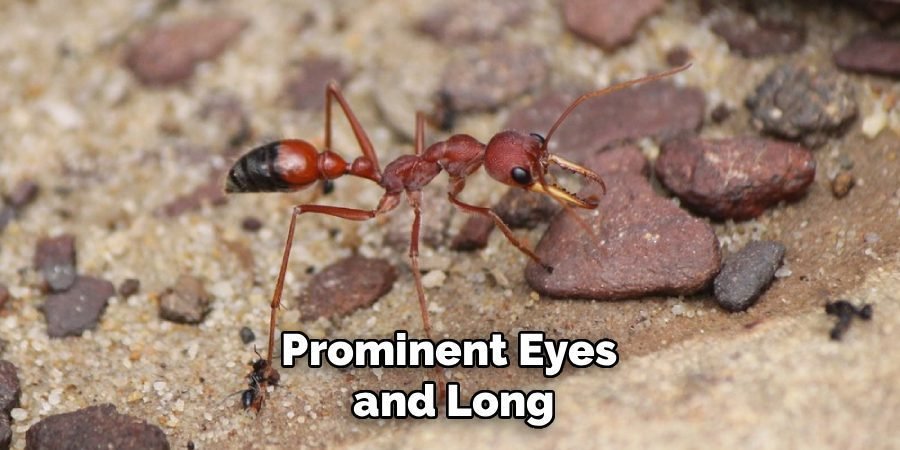
Bull ants are easily distinguishable from common black or garden ants by their size and appearance. They are significantly larger, typically ranging from 15 to 25 millimeters in length. They have large, prominent eyes and long, powerful mandibles (jaws) at the front of their head. Their bodies are often reddish-brown or black. Their aggressive behavior is another key identifier; they will rear up in a defensive posture when threatened, unlike smaller, more timid ant species.
Is a Bull Ant Sting Dangerous?
Yes, a bull ant sting can be dangerous. The sting is notoriously painful and injects venom that causes intense, localized pain, inflammation, and swelling that can last for several days. For most people, it is a painful but manageable experience. However, for individuals with an allergy to insect venom, a sting can trigger anaphylaxis, a severe and potentially fatal allergic reaction. If you experience symptoms like difficulty breathing, facial swelling, or dizziness after a sting, seek immediate medical attention.
How Do I Prevent Bull Ants From Returning?
Preventing bull ants from returning involves making your garden less hospitable to them. Regularly inspect your yard for signs of new nests, especially in undisturbed areas. Remove potential nesting sites like piles of wood, rocks, and other debris. Address other insect infestations to reduce their food supply. Sealing cracks in pavement and foundations can also block potential entry points. A vigilant approach to garden maintenance is the best defense against a future bull ant problem.
Conclusion
Tackling a bull ant problem is a manageable task when you are equipped with the right knowledge and safety measures. By carefully identifying the nest, choosing the right time to act, and using an appropriate treatment method, you can successfully reclaim your outdoor space. Remember that your safety is the highest priority, so always wear protective gear and never take unnecessary risks. Now that you understand how to kill bull ants in garden environments, you can confidently address the issue and restore peace and safety to your yard.

About Ravuk Barg
B.Sc. Horticulture Science | Certified Master Gardener
Ravuk Barg has spent more than a decade with his hands in the soil and his head full of questions about why some gardens thrive while others struggle. What started as a single raised bed of tomatoes and basil in a modest backyard has grown into a deep, working knowledge of everything from seed germination and soil amendment to companion planting and seasonal pruning.
Over the years, Ravuk has gardened through drought summers, waterlogged springs, and pest invasions that would make most gardeners hang up their trowels for good. Those hard seasons, he’ll tell you, taught him more than any perfect growing year ever could. He writes from that earned experience—covering vegetable growing, ornamental planting, houseplant care, composting, and garden design with equal confidence and curiosity.
Philosophy & Approach
Ravuk’s approach to gardening is rooted in practicality. He favors organic methods not out of dogma, but because they work long-term—resulting in healthier soil, fewer inputs, and stronger plants. He has a particular fondness for heirloom vegetable varieties (the kind with proper flavor), unruly cottage-style flower beds, and the stubborn houseplants that everyone else gave up on.
The Mission: Give readers the honest, experience-backed advice that helps them actually succeed in their gardens—not just the ideal version, but the real one; weeds, failures, and all.
Education & Credentials
-
B.Sc. in Horticulture Science
-
Greenfield Agricultural University
-
Focus: Plant Physiology, Soil Ecology, and Sustainable Crop Production
-
-
Master Gardener Certification
-
Cooperative Extension Service
-
Focus: 200+ hours of hands-on practical training and community garden work
-
Continuing Education
-
Organic Pest Management
-
Native Plant Landscaping
-
Sustainable Crop Production