

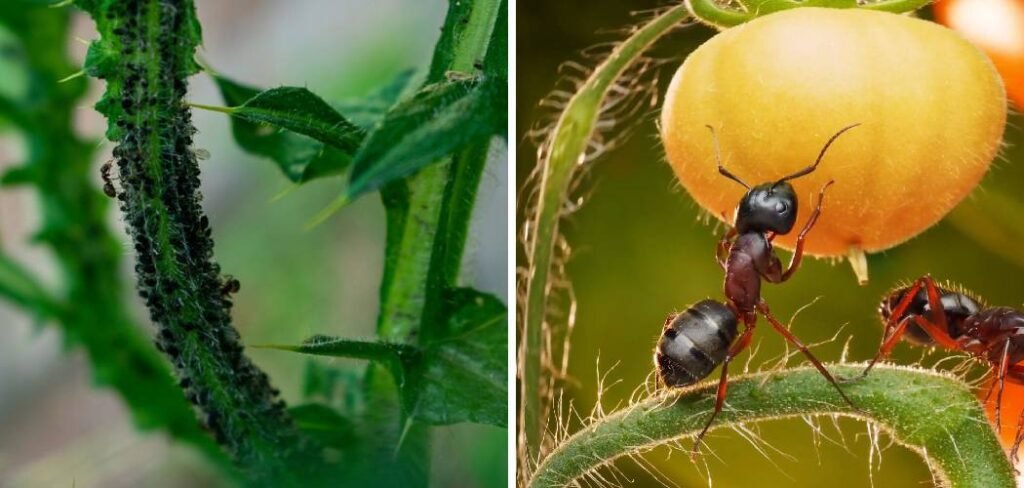
Discovering a line of ants marching through your raised garden bed can be disheartening. You’ve put so much effort into creating a perfect environment for your plants, only to find these tiny insects have moved in. While some ants can be beneficial, large colonies can disrupt your garden’s ecosystem, harm your plants, and even “farm” other pests like aphids.
Fortunately, you don’t have to let them take over. This guide will walk you through effective and garden-friendly methods for how to get ants out of raised garden bed, helping you reclaim your space and protect your precious plants. We’ll explore why ants are drawn to your garden in the first place and provide a clear, step-by-step plan to manage them without resorting to harsh chemicals that could harm your vegetables and flowers.
Why Ants Invade Raised Garden Beds
Ants are opportunistic creatures constantly searching for food, water, and shelter. A raised garden bed often provides all three in one convenient location. The loose, well-draining soil is perfect for nesting, creating intricate tunnels and chambers that are protected from the elements. Your regular watering schedule offers them a consistent water source, especially during dry spells. Most importantly, your garden is a buffet.
Ants are attracted to the sweet honeydew secreted by aphids and other sap-sucking insects. They will protect these pests from predators in exchange for this food source, creating a problematic cycle. They may also be drawn to sweet, ripening fruits or discarded plant matter. Understanding these attractions is the first step toward making your garden less inviting to them.
7 Step-by-Step Guide on How to Get Ants Out of a Raised Garden Bed
Step 1: Positively Identify the Ant Colony
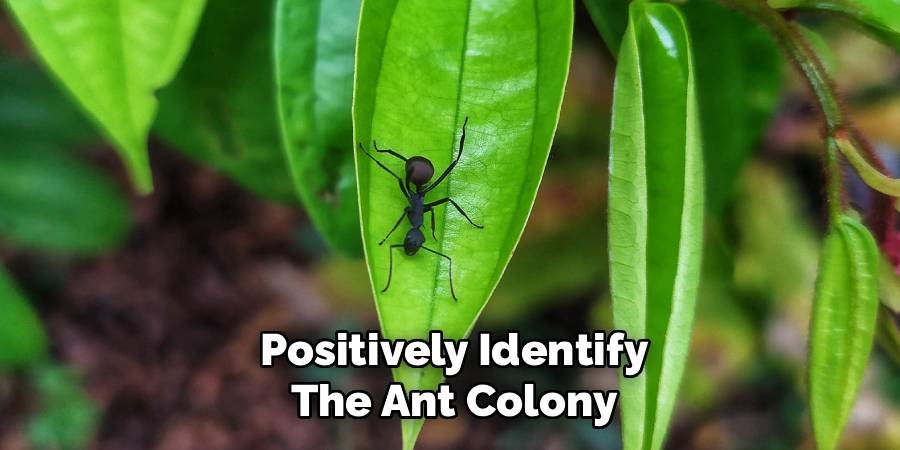
Before taking any action, confirm you have an active ant infestation. Look for telltale signs like visible ant trails moving up and down plants or along the edges of your raised bed. You may notice small mounds of disturbed soil, which indicate nest entrances. Gently dig around the base of plants where you see the most activity to locate the main nest. It’s also crucial to check the undersides of leaves for aphids, mealybugs, or scale insects. Ants often act as bodyguards for these honeydew-producing pests, so their presence is a strong indicator of a larger problem. Identifying the scope of the issue helps you choose the most effective removal strategy.
Step 2: Disrupt the Nest Physically
Once you have located the ant nest, the most direct, non-chemical approach is physical disruption. Take a garden trowel or spade and carefully turn over the soil in the nest area. Your goal is to destroy their tunnels and expose the eggs and larvae to air and predators. Disturbing the nest forces the ants to expend energy rebuilding rather than foraging, and a major disturbance may convince them to relocate entirely. Repeat this process every few days for a week. Flooding the nest with a garden hose can also be effective. A steady stream of water will collapse tunnels and drown some of the ants, often encouraging the survivors to seek a drier, more stable home.
Step 3: Use Natural Ant Repellents
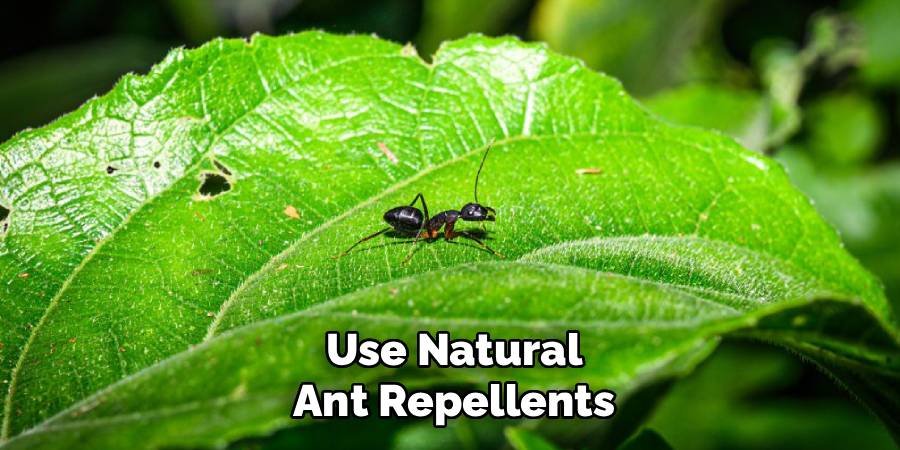
Ants navigate using pheromone trails, and you can disrupt these trails with strong scents they dislike. Creating a barrier around your raised bed is an excellent deterrent. Sprinkle substances like cinnamon, cayenne pepper, coffee grounds, or diatomaceous earth (food-grade only) around the perimeter of the bed and near nest entrances. Citrus is another powerful repellent. Place orange or lemon peels on the soil surface, or mix citrus oil with water and spray it around the garden. These natural materials are safe for your plants and the soil but create an environment that ants find unpleasant, encouraging them to leave and preventing new colonies from moving in.
Step 4: Introduce Diatomaceous Earth (Food-Grade)
Diatomaceous earth (DE) is a powerful natural tool in your fight against ants. This fine powder is made from the fossilized remains of tiny aquatic organisms. While it feels soft to us, its microscopic sharp edges are deadly to insects. When ants walk through DE, it scratches their exoskeletons, causing them to dehydrate and die. For this to work, you must use food-grade DE, which is safe for gardens, pets, and humans. Apply a light dusting directly onto ant trails and around the base of affected plants on a dry day. It becomes ineffective when wet, so you will need to reapply it after watering or rainfall.
Step 5: Set Up Boric Acid Bait Stations for a targeted solution on how to get ants out of raised garden bed
For persistent infestations, a bait station using boric acid offers a targeted solution. Boric acid is a natural mineral that is toxic to ants when ingested. Mix a small amount of boric acid with something sweet, like sugar, honey, or peanut butter, to create a paste. Place this mixture in a sealed container with small holes punched in it, allowing ants to enter but keeping it away from pets and beneficial insects. The worker ants will carry the poisoned bait back to the nest to feed the colony and the queen, gradually eliminating the entire population from the inside out. Place these bait stations near ant trails but outside the immediate growing area of your edibles.
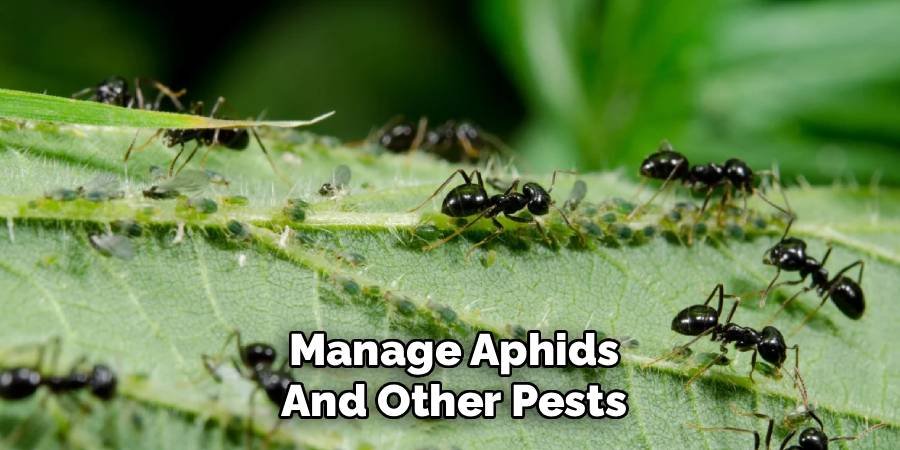
Step 6: Manage Aphids and Other Pests
Since ants are often drawn to the honeydew produced by other pests, managing these insects is a critical step. Inspect your plants for aphids, mealybugs, and scale. If you find them, you can often remove small populations by hand or with a strong spray of water from the hose. For larger issues, use insecticidal soap or neem oil. These products are safe for most plants and will eliminate the pests that are providing a food source for the ants. Without their “livestock,” the ants will have less reason to stay in your garden bed and may move on in search of a more reliable food supply.
Step 7: Encourage Beneficial Insects
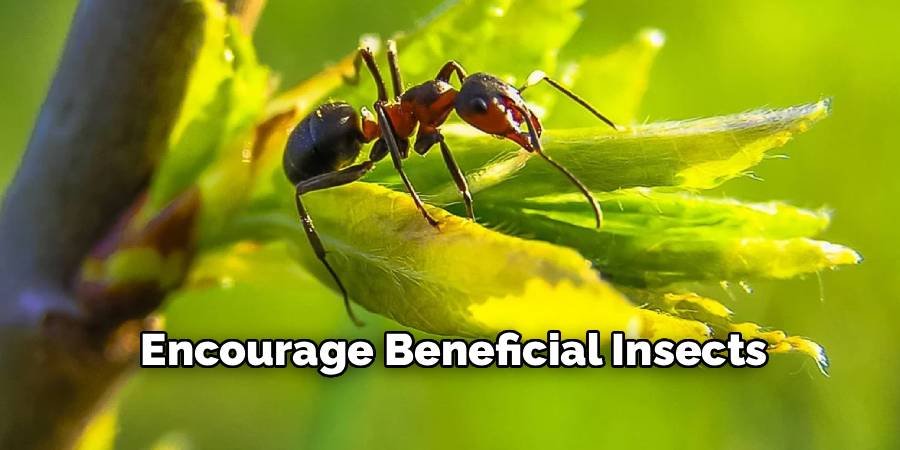
Nature has its own pest control experts. Introducing or encouraging beneficial insects can help you manage both ants and the pests they farm. Ladybugs and lacewings are voracious predators of aphids. You can purchase them from garden supply stores or attract them by planting flowers they love, such as dill, yarrow, and cosmos. Predatory nematodes are microscopic organisms that can be added to your soil to attack ant larvae in the nest. Creating a balanced ecosystem in your garden bed makes it more resilient to pests of all kinds and reduces your reliance on manual intervention. This is a key long-term strategy.
Frequently Asked Questions
Are Ants Actually Bad for My Raised Garden Bed?
Not always. In small numbers, ants can be beneficial. They help aerate the soil with their tunnels and can assist in pollination. However, large colonies become a problem when they:
- Disrupt plant roots with extensive tunneling.
- Protect and “farm” harmful pests like aphids, which damage plants.
- Are a biting or stinging species, making gardening unpleasant.
It’s the scale of the infestation that typically determines if you need to take action.
Will Boiling Water Kill Ants in My Garden?
Yes, pouring boiling water on an ant nest will kill the ants and larvae it touches instantly. However, this method should be used with extreme caution in a raised garden bed. The boiling water is non-selective and will also kill beneficial soil organisms and severely damage or kill the roots of your nearby plants. It is best reserved for ant nests located in pavement cracks or areas far away from your desirable vegetation.
Can I Use Vinegar to Get Rid of Ants?
Vinegar is often recommended as a natural ant killer. A solution of equal parts white vinegar and water can be sprayed directly on ants to kill them on contact. It also helps to erase their pheromone trails, disrupting their communication. Be careful when spraying it in your garden, as a high concentration of vinegar can harm or kill your plants by changing the soil’s pH and burning foliage. It is safer to use it as a barrier spray on the outside walls of the raised bed rather than on the soil or plants.
How Long Does It Take to Get Rid of Ants?
The time it takes to eliminate an ant colony depends on its size and the methods you use. Physically disrupting the nest and using repellents may encourage ants to move within a few days. However, for a large, established colony, using bait stations is a more thorough approach. It can take one to two weeks for the bait to be carried back and circulated throughout the colony to eliminate the queen and other members. Consistency is key, so you may need to reapply treatments and monitor the situation for several weeks.
How Can I Prevent Ants from Coming Back?
Prevention is the best long-term strategy. Keep your garden bed clean by removing fallen fruit and dead plant matter promptly. Regularly inspect for and manage honeydew-producing pests like aphids. Create a permanent barrier by planting strong-smelling herbs like mint, lavender, or rosemary around the perimeter of your bed. Finally, avoid using wood that is already rotting or infested for the structure of your raised bed, as this can be an open invitation to ants.
Conclusion
Dealing with an ant infestation in your raised garden bed doesn’t have to be an overwhelming task. By understanding why they are there and following a methodical approach, you can effectively manage their presence. Start by identifying the problem, then move on to physical disruption, natural repellents, and targeted treatments like diatomaceous earth or boric acid baits. Remember to address any underlying pest issues, like aphids, that are attracting the ants in the first place. With a little patience and consistency, you will master how to get ants out of raised garden bed and restore balance to your green space, ensuring your plants can thrive without unwanted competition.

About Ravuk Barg
B.Sc. Horticulture Science | Certified Master Gardener
Ravuk Barg has spent more than a decade with his hands in the soil and his head full of questions about why some gardens thrive while others struggle. What started as a single raised bed of tomatoes and basil in a modest backyard has grown into a deep, working knowledge of everything from seed germination and soil amendment to companion planting and seasonal pruning.
Over the years, Ravuk has gardened through drought summers, waterlogged springs, and pest invasions that would make most gardeners hang up their trowels for good. Those hard seasons, he’ll tell you, taught him more than any perfect growing year ever could. He writes from that earned experience—covering vegetable growing, ornamental planting, houseplant care, composting, and garden design with equal confidence and curiosity.
Philosophy & Approach
Ravuk’s approach to gardening is rooted in practicality. He favors organic methods not out of dogma, but because they work long-term—resulting in healthier soil, fewer inputs, and stronger plants. He has a particular fondness for heirloom vegetable varieties (the kind with proper flavor), unruly cottage-style flower beds, and the stubborn houseplants that everyone else gave up on.
The Mission: Give readers the honest, experience-backed advice that helps them actually succeed in their gardens—not just the ideal version, but the real one; weeds, failures, and all.
Education & Credentials
-
B.Sc. in Horticulture Science
-
Greenfield Agricultural University
-
Focus: Plant Physiology, Soil Ecology, and Sustainable Crop Production
-
-
Master Gardener Certification
-
Cooperative Extension Service
-
Focus: 200+ hours of hands-on practical training and community garden work
-
Continuing Education
-
Organic Pest Management
-
Native Plant Landscaping
-
Sustainable Crop Production