

When your lawn mower won’t start, the brake switch might be the problem. Many people search for “how to bypass brake switch on lawn mower” when facing this issue. The brake switch is a safety feature that stops the engine when you’re not sitting on the mower or when the brake is not pressed. Sometimes this switch can fail, leaving you with a mower that won’t work.
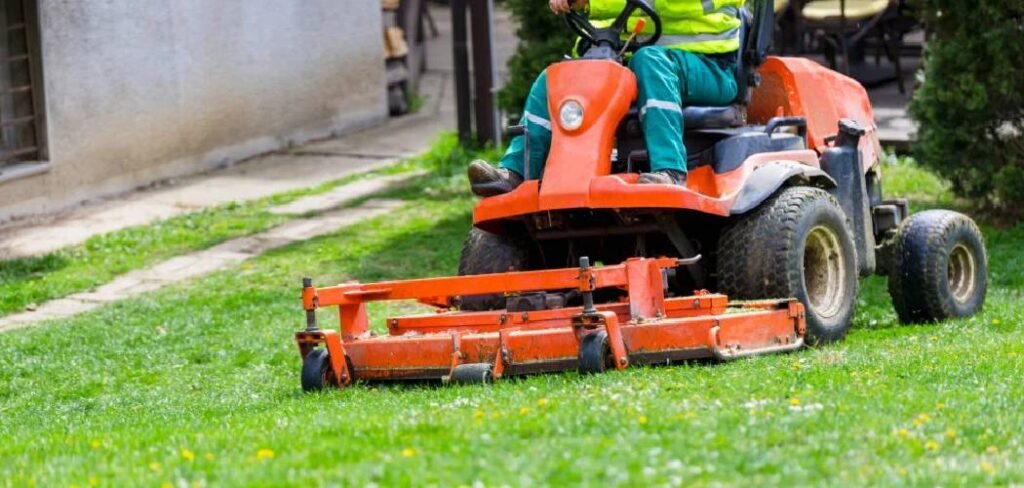
Learning how to bypass brake switch on lawn mower can help you troubleshoot problems and get your mower running again. This guide will show you 10 different methods to safely bypass the brake switch while keeping safety in mind.
Understanding Lawn Mower Brake Switches
Before we learn how to bypass brake switch on lawn mower, it’s important to understand what this part does. The brake switch is a safety device that prevents accidents. It makes sure the mower only runs when it’s safe to do so.
Most riding mowers and zero-turn mowers have brake switches. These switches are connected to the brake pedal or parking brake. When the brake is not engaged properly, the switch tells the engine to shut off or not start at all.
Common signs of a bad brake switch include:
- Mower won’t start even with brake pressed
- Engine dies when you release the brake slightly
- Intermittent starting problems
- No response when turning the key
10 Method on How to Bypass Brake Switch on Lawn Mower
Method 1: Temporary Wire Bridge
The most common way to bypass brake switch on lawn mower is using a temporary wire bridge. This method involves connecting the two wires that go to the brake switch with a small piece of wire.
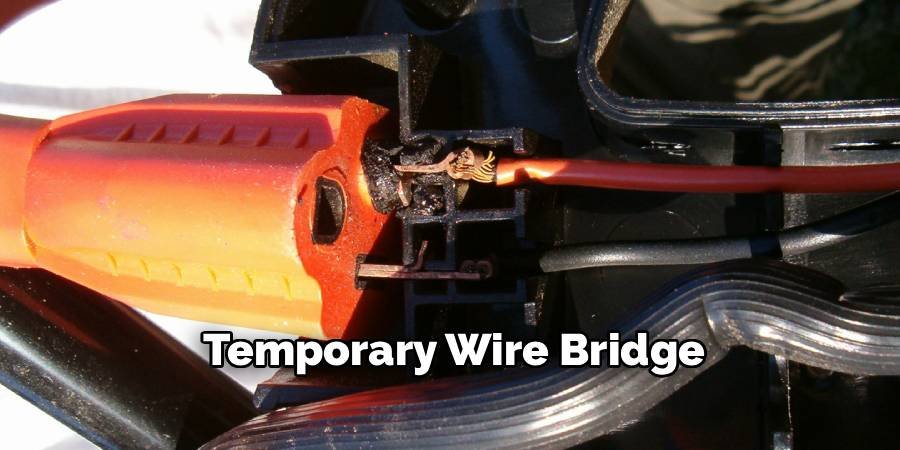
First, locate the brake switch under your mower seat or near the brake pedal. Unplug the connector and use a small wire to connect the two terminals. This tells the mower that the brake is always pressed. Remember, this is only for testing purposes.
Method 2: Adjusting Switch Position
Sometimes you don’t need to completely bypass the brake switch. Instead, you can adjust its position. Look at how the switch sits against the brake pedal or lever.
If the switch is not making good contact, try bending the mounting bracket slightly or adding a small spacer. This can fix the problem without bypassing anything. Many people find this solves their issue when they thought they needed to bypass brake switch on lawn mower.
Method 3: Cleaning the Switch Contacts
Dirty or corroded contacts can cause brake switch problems. Before you bypass brake switch on lawn mower, try cleaning the switch first.
Use electrical contact cleaner and a small brush to clean the switch terminals. Sometimes rust or dirt prevents proper electrical connection. After cleaning, test the mower to see if this fixes the problem. This simple maintenance step often solves the issue.
Method 4: Using a Jumper Wire with Switch
This method involves installing a permanent jumper wire while keeping the original switch in place. You connect a wire across the switch terminals but leave the switch connected too.
This way, even if the switch fails, the jumper wire keeps the circuit complete. However, you lose the safety feature of the brake switch with this method. Only experienced users should try this approach to bypass brake switch on lawn mower.
Method 5: Switch Replacement Method
Instead of learning how to bypass brake switch on lawn mower, consider replacing the faulty switch. This is often the best long-term solution.
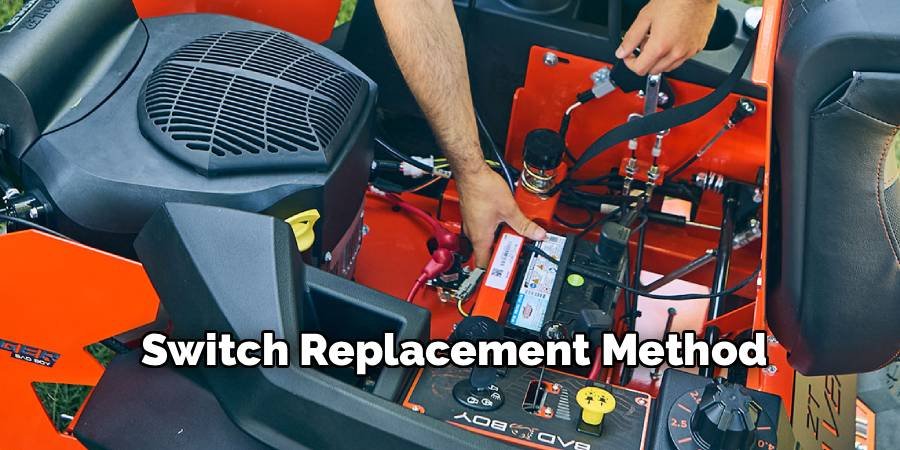
Purchase a replacement brake switch from your mower dealer or parts supplier. Most switches cost between $10-30 and are easy to install. Simply unplug the old switch, remove it from its bracket, and install the new one in the same position.
Method 6: Relay Bypass Technique
Some lawn mowers use relays in the brake switch circuit. You can bypass brake switch on lawn mower by modifying the relay connections.
Locate the relay box, usually under the dashboard or near the engine. Find the brake switch relay and either replace it with a jumper wire or modify the relay socket. This method requires some electrical knowledge but can be very effective.
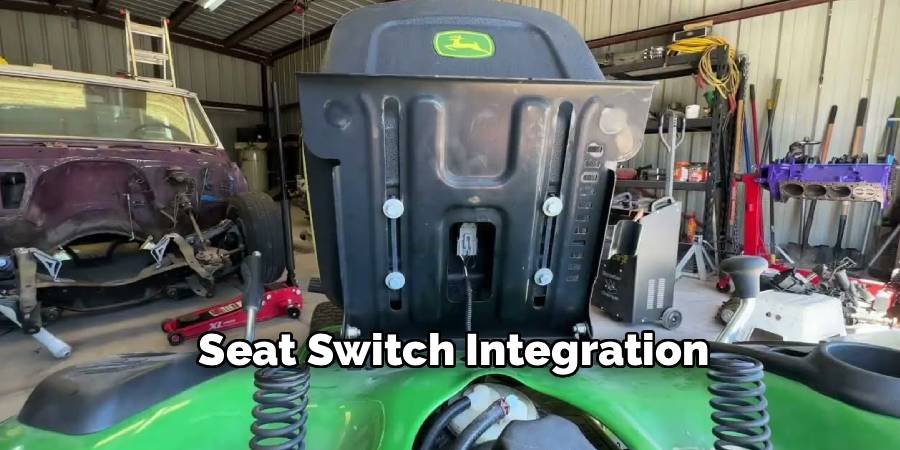
Method 7: Seat Switch Integration
Many mowers have both seat switches and brake switches working together. Sometimes the problem isn’t the brake switch but how it works with the seat switch.
Check if your seat switch is working properly. If the seat switch is faulty, it might seem like you need to bypass brake switch on lawn mower when you actually need to fix the seat switch instead. Test both switches separately to find the real problem.
Method 8: Wiring Harness Inspection
Before you bypass brake switch on lawn mower, check the wiring harness carefully. Sometimes the problem is in the wires, not the switch itself.
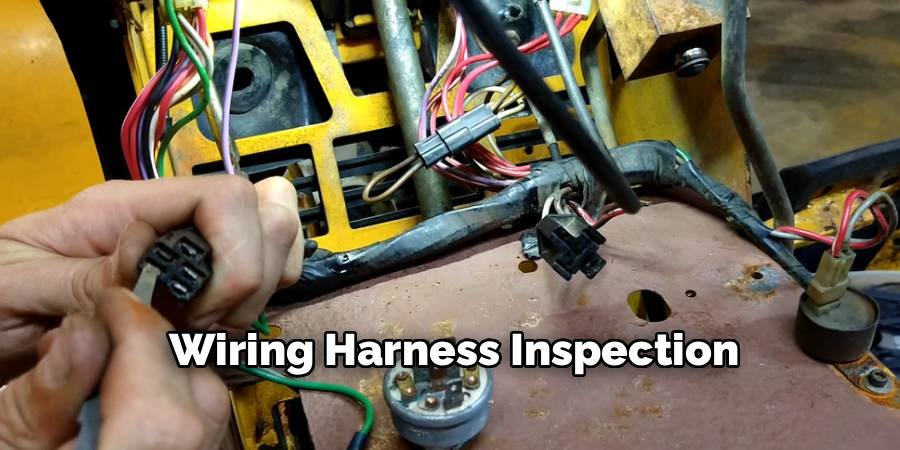
Look for damaged, cut, or corroded wires leading to the brake switch. Repair any damaged wires with proper electrical connectors and heat shrink tubing. Bad connections can cause the same symptoms as a faulty brake switch.
Method 9: Multi-meter Testing
Use a multi-meter to test your brake switch before deciding to bypass it. Set the meter to continuity mode and test the switch while pressing and releasing the brake.
A good switch should show continuity when the brake is pressed and no continuity when released. If the switch tests good but you still have problems, look elsewhere in the electrical system before you bypass brake switch on lawn mower.
Method 10: Professional Modification
For a permanent and safe solution, consider having a professional modify your mower’s electrical system. They can install a manual override switch or modify the existing system safely.
This method costs more than doing it yourself, but it maintains safety features while solving your problem. A professional can also ensure your modification doesn’t void your warranty or create safety hazards.
Troubleshooting Common Problems
When learning how to bypass brake switch on lawn mower, you might encounter other issues. Here are some common problems and solutions:
If the mower still won’t start after bypassing the brake switch, check other safety switches like the seat switch or blade engagement switch. These work together in the safety system.
Sometimes multiple switches fail at once, or there might be problems in the wiring harness. Check each component systematically to find all the issues.
Cost-Effective Solutions
Before you decide to bypass brake switch on lawn mower, consider the costs involved. A new brake switch usually costs $15-40, which is often cheaper than the time and materials needed for a proper bypass.
However, if you need a quick temporary fix to finish mowing, a bypass can get you through until you can buy replacement parts. Just remember to fix the problem properly as soon as possible.
Maintenance Tips to Prevent Future Issues
Regular maintenance can prevent brake switch problems that make you want to bypass brake switch on lawn mower. Clean the switch area regularly to prevent dirt and debris buildup.
Check the switch adjustment at the beginning of each mowing season. Make sure all connections are tight and free from corrosion. Lubricate moving parts according to your mower’s maintenance schedule.
FAQs
Q1: Is it safe to permanently bypass brake switch on lawn mower? A: No, it’s not safe to permanently bypass the brake switch without proper safety measures. The brake switch prevents accidents by ensuring the mower only runs when the brake is engaged. If you must bypass it, install alternative safety measures and use extra caution when operating the mower.
Q2: Can I bypass brake switch on lawn mower without electrical knowledge? A: Basic bypassing using a jumper wire is simple, but you should understand basic electrical safety. If you’re not comfortable working with electrical systems, it’s better to have a professional help you or simply replace the faulty switch instead of bypassing it.
Q3: How much does it cost to replace a brake switch instead of bypassing it? A: Replacement brake switches typically cost between $15-40 for the part, plus labor if you hire someone to install it. This is often more cost-effective and safer than creating a bypass system, especially for long-term use.
Q4: Will bypassing the brake switch void my mower warranty? A: Yes, modifying the electrical system by bypassing safety switches will likely void your warranty. Check your warranty terms before making any modifications. Consider having warranty repairs done by an authorized dealer instead.
Q5: What other switches might cause similar problems to the brake switch? A: Seat switches, blade engagement switches, and parking brake switches can cause similar starting problems. These safety switches work together, so you might need to check multiple switches when troubleshooting starting issues on your lawn mower.
Conclusion
Learning how to bypass brake switch on lawn mower can be helpful for troubleshooting, but it should be done carefully and temporarily. The brake switch is an important safety feature that protects you from accidents while operating your mower.
The 10 methods outlined in this guide give you various options for dealing with brake switch problems. Some methods are temporary fixes for emergencies, while others provide more permanent solutions. Remember that safety should always be your first priority when working on lawn mower electrical systems.
Whether you choose to bypass brake switch on lawn mower temporarily or replace it properly, make sure you understand the safety implications. Consider consulting a professional if you’re not comfortable with electrical work. Regular maintenance can prevent many brake switch problems, saving you time and money in the long run. Always prioritize safety over convenience when making modifications to your lawn mower’s safety systems.

About Ravuk Barg
B.Sc. Horticulture Science | Certified Master Gardener
Ravuk Barg has spent more than a decade with his hands in the soil and his head full of questions about why some gardens thrive while others struggle. What started as a single raised bed of tomatoes and basil in a modest backyard has grown into a deep, working knowledge of everything from seed germination and soil amendment to companion planting and seasonal pruning.
Over the years, Ravuk has gardened through drought summers, waterlogged springs, and pest invasions that would make most gardeners hang up their trowels for good. Those hard seasons, he’ll tell you, taught him more than any perfect growing year ever could. He writes from that earned experience—covering vegetable growing, ornamental planting, houseplant care, composting, and garden design with equal confidence and curiosity.
Philosophy & Approach
Ravuk’s approach to gardening is rooted in practicality. He favors organic methods not out of dogma, but because they work long-term—resulting in healthier soil, fewer inputs, and stronger plants. He has a particular fondness for heirloom vegetable varieties (the kind with proper flavor), unruly cottage-style flower beds, and the stubborn houseplants that everyone else gave up on.
The Mission: Give readers the honest, experience-backed advice that helps them actually succeed in their gardens—not just the ideal version, but the real one; weeds, failures, and all.
Education & Credentials
-
B.Sc. in Horticulture Science
-
Greenfield Agricultural University
-
Focus: Plant Physiology, Soil Ecology, and Sustainable Crop Production
-
-
Master Gardener Certification
-
Cooperative Extension Service
-
Focus: 200+ hours of hands-on practical training and community garden work
-
Continuing Education
-
Organic Pest Management
-
Native Plant Landscaping
-
Sustainable Crop Production