

Learn how to determine soil temperature without thermometer using 10 quick and easy methods. Great for gardeners who want to test soil temperature naturally without expensive equipment.
Knowing what your soil temperature is is really useful if you want to make your garden a success. Many gardeners ask how to test soil temperature without a thermometer because they don’t have any special equipment. The good news is that you can test your soil temperature using simple but effective methods.
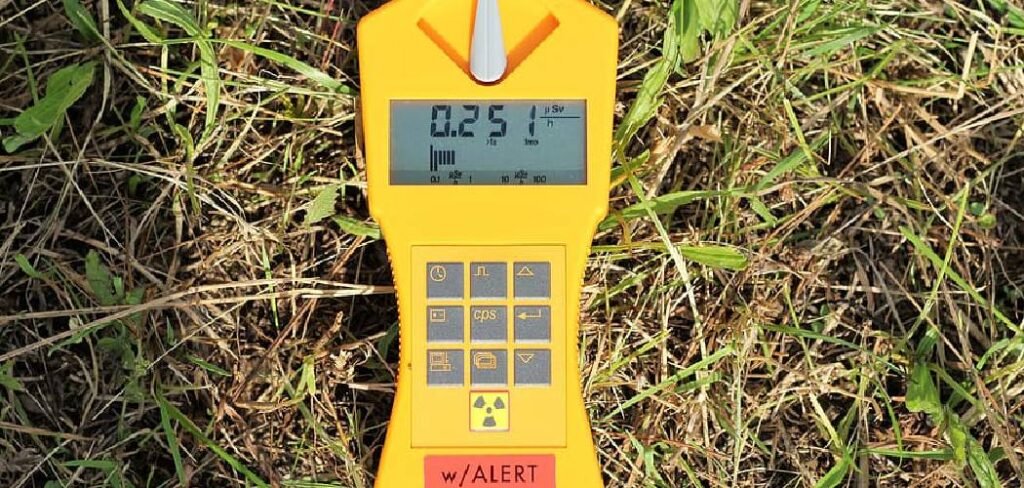
Seed germination, plant growth, and root development are also governed by soil temperature. If the soil is too cold, your seeds won’t grow healthily. Plants can be stressed if the soil is too warm. Discover how to test soil temperature without a thermometer so you know when to plant and grow strong plants.
Why Soil Temperature Matters for Garden Success
Home soil temperature is an important consideration for gardeners. Different plants thrive in different soil temperatures. “Cool season” crops, such as lettuce, grow best in cool soil. Warm season crops, such as tomatoes, need warm soil for optimum productivity.
Here’s what you can do by measuring soil temperature:
- Know when to plant seeds
- Understand why plants aren’t growing
- Plan your garden better
- Save money on failed plantings
- Grow strong, healthy plants
10 Methods on How to Determine Soil Temperature Without Thermometer
Method 1: The Hand Test
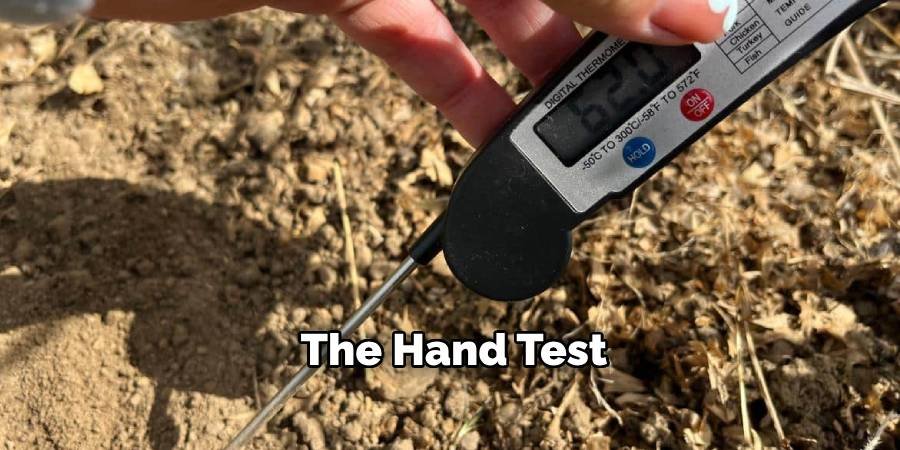
This is the easiest way to determine soil temperature naturally. Stick your hand 2-3 inches into the soil. Hold it there for 30 seconds. If it feels warm, like on a hot day, the temperature may be 70-80°F. If it feels cold, like on a cold morning, the temperature may be 50-60°F. And if it feels right, like room temperature, then it’s probably 60-70°F. The hand test works because your body temperature is 98 degrees and cool soil to the touch is less than 65 degrees, neutral soil is about 65-70 degrees, and warm soil is more than 70 degrees.
Method 2: Plant Indicator Method
Soil temperature indicators – Plants are natural indicators of soil temperature. Things to look for in your yard are:
- If dandelions are growing, the soil is 50 degrees Fahrenheit or warmer
- When grass is starting to grow, the soil is 55°F or warmer
- When tulips are blooming, the soil is 60°F or warmer
- Fast-growing weeds indicate a soil temperature of 65°F or warmer.
Plants start to grow at different temperatures. Estimate soil temperature by looking at the plants already growing in your garden. This is a process that has served farmers for centuries.
Method 3: Weather Pattern Analysis
Look at the weather over the past 14 days. Soil temperatures can mimic air temperatures but lag behind them. If daytime air temperatures have been around 60°F for a week, the soil could be 55-60°F.
Here’s how to use weather patterns:
- But if the nights are still icy, the soil is likely too cold for most plants (especially peppers) and may need to be warmed with one of the many space-consuming, electrically powered gadgets available on the market.
- If daytime temperatures are above 65°F most days, the soil may be warm enough for cool-season crops.
- If nights are above 50°F, the soil may be warm enough for warm-season crops.
- If it’s been warm for two weeks, the soil temperature is affecting the air temperature. If it’s been warm for two weeks, the soil temperature is affecting the air temperature.
Method 4: Sun and Shade Comparison
Compare soil in a bright-sunny area with soil in a dark-sunny area. Sunny soil is often 10-15° Fahrenheit warmer than shaded soil. If you can estimate the difference, you can consider it.
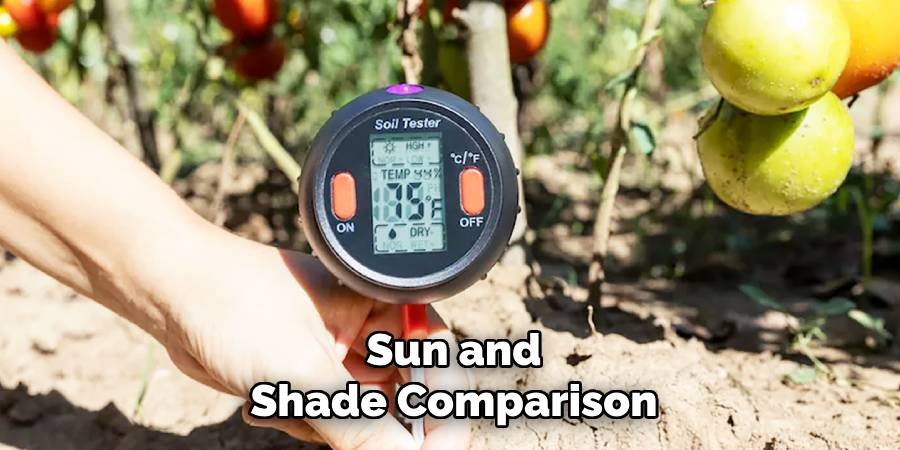
Feel both areas with your hand. The sunny area will feel the hottest. Use this difference when figuring out your garden’s temperature zones. Sun first, shade last Heat-loving plants in the sun, cool-loving plants in the shade.
Method 5: Water Test Method
Water the soil lightly with some room-temperature water. If the water left on the back of your hand feels warm when it touches the soil, it is cooler than room temperature. If it feels cold, the soil is warmer than room temperature.
The technique works because the water cools quickly when it comes into contact with the soil. Room temperature water is usually 70°F, so we use that as a baseline for comparing your soil temperature.
Method 6: Morning Dew Observation
Observe the morning dew pattern. Where there is a lot of dew, the soil is cold. Can dry soil be warm? Areas with less dew tend to have warmer soil. This is because warm soil evaporates the dew faster.
You can observe your garden before sunset. Observe where the dew is. These areas have colder soil. The parts of the yard where the dew disappears the earliest have the warmest soil.
Method 7: Frost Line Detection
Look for the pattern of snow in the early morning. Plants that grow in cold soil are most susceptible to frost. Obviously, if there is no more snow, then there is warm soil. This is most effective in the spring and fall.
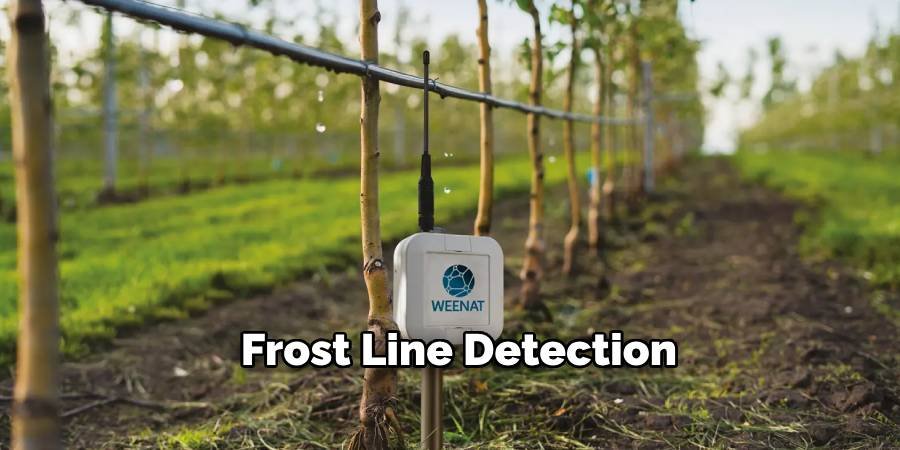
You can read a lot about your soil temperature from the pattern of snow:
- Areas with high snow gaps have colder soil
- Colder soil is associated with lighter snow.
- The soil in a frost-free area will be warmer
- The soil in a protected area will usually be warmer
Method 8: Mulch Lifting Method
If you have mulch in your garden, lift some up and feel the soil underneath. Compare it to the bare soil. Sometimes the soil temperature under mulch fluctuates less. This contrast will help you understand the range of soil temperatures. Mulch slows down the temperature changes in the soil. This soil-friendly soil gives us a good idea of the average soil temperature without the daily fluctuations.
Method 9: Worm Activity Check
Look for earthworms in your soil. Worms are most active when the soil temperature is between 55 and 70°F. If you see a lot of worms, that is probably the temperature of the soil in your garden. If you don’t see many worms, the soil may be too cold or too hot. Dig a small hole and check for worm activity. Active worms are the same temperature as the soil and are good for most plants. The absence of worms may indicate that the soil is too cold or dry.
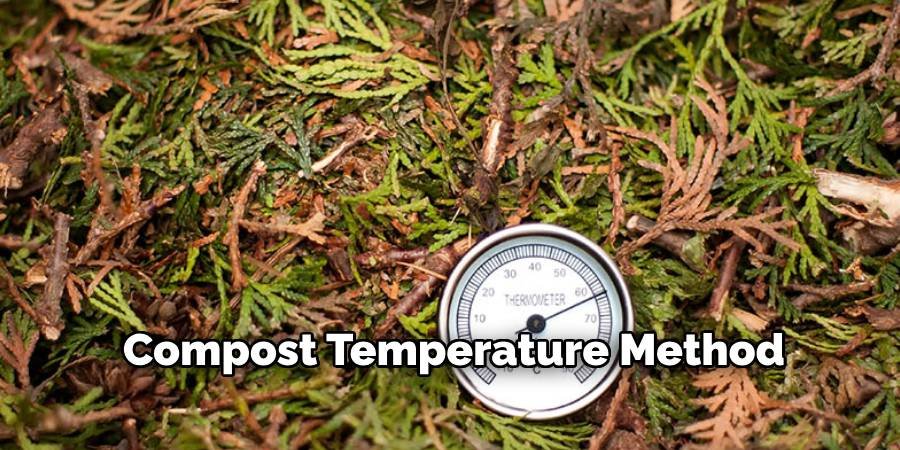
Method 10: Compost Temperature Method
Feel the temperature of your compost pile if you are taking the hands-on method. Hot compost is warmer than the soil. Compare the two temperatures. If the compost is significantly warmer than the soil, your soil is probably still cold. They will feel about the same, which will tell you that the soil is warming. As compost decomposes, it produces heat. This heat can help you gauge the warmth of your garden. Use the temperature of your compost as a baseline.
Best Times to Check Soil Temperature
The best time to take soil temperature is sometime in the morning (8-10 a.m.). This gives you the most up-to-date reading of the day. Soil temperatures fluctuate throughout the day, but morning readings are best for making gardening decisions. Keep an eye on soil temperature when planting. Spring soil takes a while to warm up, so you should check every few days. Summer soil is slow to warm up, so once a week should be enough. Fall soil cools relatively slowly, so check when you are building a winter garden.
Common Mistakes When Checking Soil Temperature
Many gardeners make a few common mistakes when testing soil temperature:
- Only checking the surface, not going down 2 to 3 inches
- Only one spot instead of dozens.
- Testing at the wrong time of day.
- Not taking into account recent weather changes
- Amnesia about the rate of soil temperature change
Avoid these mistakes by accurately measuring soil temperature. Always test in different locations in your garden. Remember that soil temperature is related to but separate from air temperature.
Tips for Managing Soil Temperature Naturally
Once you have information about your soil temperature, you can take steps to manage it naturally:
- Maintain soil temperature with mulch
- Grow in raised beds to warm the soil more quickly
- Choose the right planting location
- Time your planting correctly
- Use row covers to protect plants from cold winds.
These techniques help you manage soil temperature without spending money on expensive equipment. Soil temperature is crucial to good plant growth and the success of your garden.
Seasonal Soil Temperature Patterns
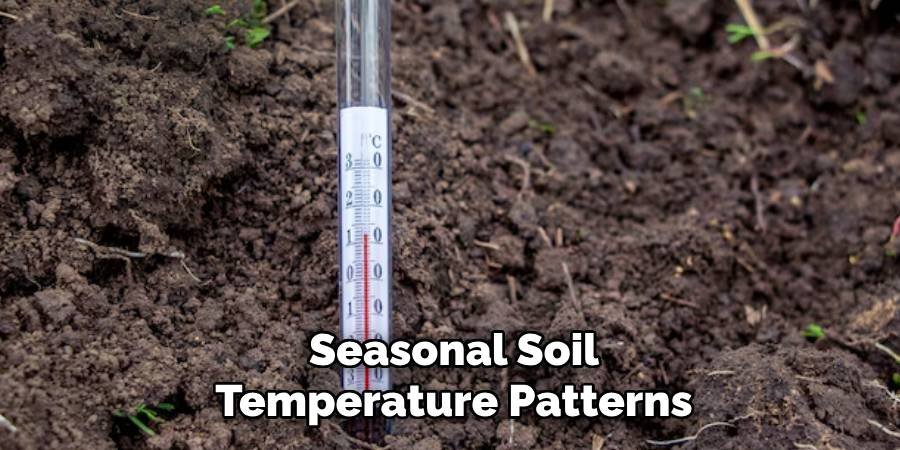
Knowing what the seasons are like helps you know what to expect:
Spring: Soil warms up slowly. Cold soil is also common in early spring. Don’t plant warm-season vegetables until you have regular warm days.
Summer: Soil is warm and moist. This is a great time to plant overall. Readings are most reliable when tested in the morning.
Fall: Soil cools down slowly. Plant cool-season crops during this time. Heat is stored in the soil longer than air temperature.
Winter: Soil temperature gradually drops. In many places, air temperatures are below freezing but the soil does not freeze.
Frequently Asked Questions
Question: How deep should you check soil temperature?
Answer: Check soil temperature 2-3 inches below. This is where most seeds and young, highly active roots grow. Surface temperatures are so transient that they are not helpful.
Question: Can I use these methods for indoor plants?
Answer: Yes, most of these methods are applicable to indoor plants as well. The hand test and plant indicator methods will work great for general houseplants and indoor gardening.
Question: Which of these methods is correct if you don’t have a thermometer?
Answer: These techniques provide a nice general temperature range, usually within ±10-15°F of the actual temperature. This level of accuracy is sufficient for most gardening decisions.
Question: When to plant for soil temperature?
Answer: Plant cool-season crops when the soil feels cool to the touch, but not freezing, (around 45-65 degrees). Plant your warm-season crops (60-75°F) when the soil feels good to the touch.
Question: Can these techniques be used in any climate?
Answer: Yes, it works in most climates. However, depending on your climate and how many days are left in your growing season, you may need to adjust your expectations.
Conclusion
Even if you don’t test your soil pH, you can still use the same techniques to test your soil temperature. Use these 10 easy ways to understand the warmth of your soil using natural indicators and simple observation. Hand testing, plant symptoms, and weather trends provide accurate information about soil temperature.
“Remember that soil temperature affects plant growth, seed germination, and garden success.” By monitoring soil temperature and knowing seasonal patterns, you can plant plants in areas where they have the best chance of survival and thriving. Not only are they natural and cost-effective, but they also promote better growth for your plants.
Use these techniques throughout the growing season. And eventually, you’ll get a feel for what the soil temperature is, and then your garden will be better off. Good information about soil temperature will make your time better, your plants stronger, and your crops more successful in your garden.

About Ravuk Barg
B.Sc. Horticulture Science | Certified Master Gardener
Ravuk Barg has spent more than a decade with his hands in the soil and his head full of questions about why some gardens thrive while others struggle. What started as a single raised bed of tomatoes and basil in a modest backyard has grown into a deep, working knowledge of everything from seed germination and soil amendment to companion planting and seasonal pruning.
Over the years, Ravuk has gardened through drought summers, waterlogged springs, and pest invasions that would make most gardeners hang up their trowels for good. Those hard seasons, he’ll tell you, taught him more than any perfect growing year ever could. He writes from that earned experience—covering vegetable growing, ornamental planting, houseplant care, composting, and garden design with equal confidence and curiosity.
Philosophy & Approach
Ravuk’s approach to gardening is rooted in practicality. He favors organic methods not out of dogma, but because they work long-term—resulting in healthier soil, fewer inputs, and stronger plants. He has a particular fondness for heirloom vegetable varieties (the kind with proper flavor), unruly cottage-style flower beds, and the stubborn houseplants that everyone else gave up on.
The Mission: Give readers the honest, experience-backed advice that helps them actually succeed in their gardens—not just the ideal version, but the real one; weeds, failures, and all.
Education & Credentials
-
B.Sc. in Horticulture Science
-
Greenfield Agricultural University
-
Focus: Plant Physiology, Soil Ecology, and Sustainable Crop Production
-
-
Master Gardener Certification
-
Cooperative Extension Service
-
Focus: 200+ hours of hands-on practical training and community garden work
-
Continuing Education
-
Organic Pest Management
-
Native Plant Landscaping
-
Sustainable Crop Production