

A lush, green Bermuda lawn is a point of pride for any homeowner, but the sight of crabgrass can quickly turn that dream into a frustrating reality. This aggressive, opportunistic weed competes with your beautiful turf for water, nutrients, and sunlight, leading to a patchy and unhealthy-looking yard. Fortunately, with the right approach, you can effectively reclaim your lawn.
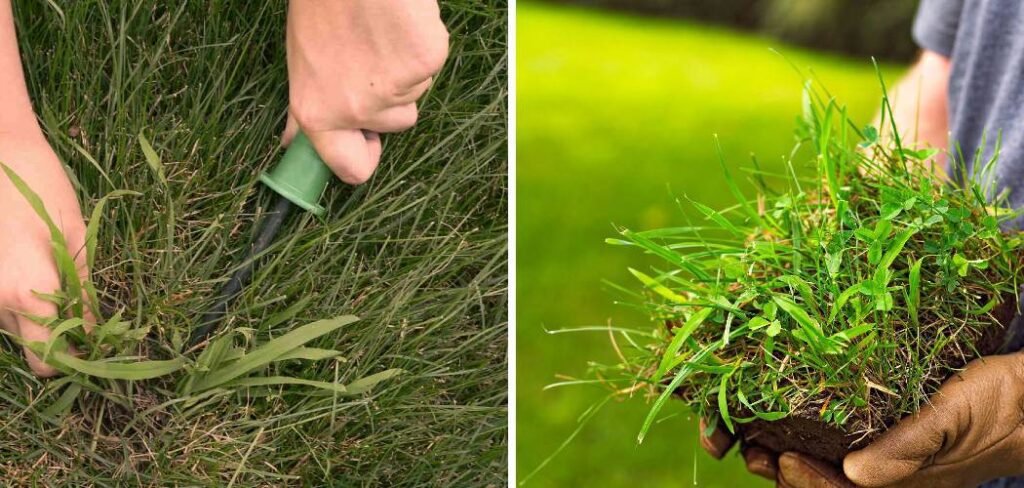
Understanding the proper techniques is the first step toward a crabgrass-free yard. This guide will walk you through exactly how to remove crabgrass from bermuda lawn, providing a clear path to restoring the uniform, dense appearance you work so hard to maintain. Let’s get your lawn back to its best.
Why Crabgrass Thrives in Bermuda Lawns
Before diving into removal, it helps to understand why your Bermuda lawn is such a welcoming place for crabgrass. Bermuda grass is a warm-season turf that grows vigorously during the hot summer months. Coincidentally, this is also crabgrass’s peak season. Crabgrass is an annual weed that dies off with the first frost but leaves behind thousands of seeds, ready to sprout the following spring. It thrives in thin, stressed, or bare spots in your lawn—areas where sunlight can easily reach the soil. If your Bermuda grass is weakened by improper mowing, infrequent watering, or poor soil health, it creates the perfect opening for crabgrass seeds to germinate and take over.
7 Step-by-Step Guide: How to Remove Crabgrass From Bermuda Lawn
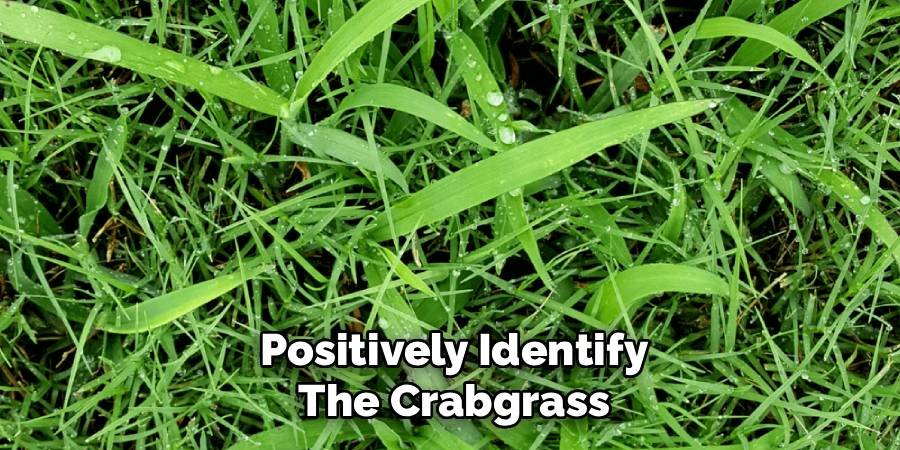
Step 1: Positively Identify the Crabgrass
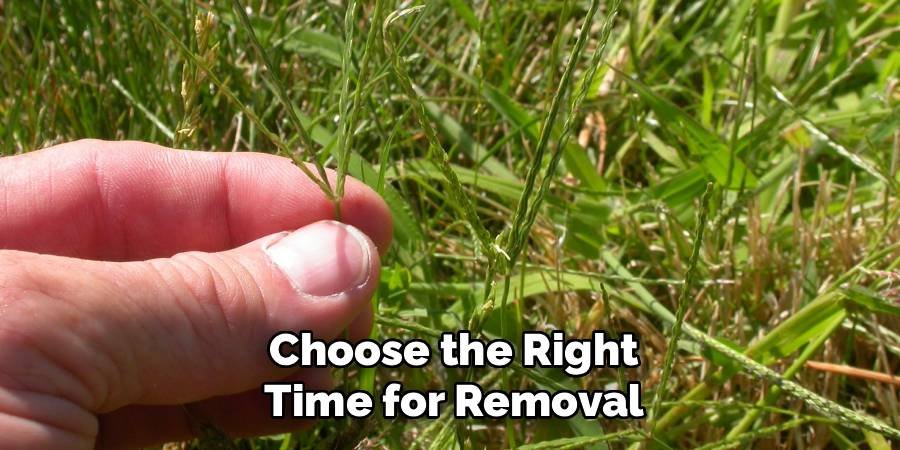
First, ensure you are dealing with crabgrass and not another weed. Crabgrass has coarse, light-green blades that grow outward from a central point, low to the ground. The stems spread like the legs of a crab, hence the name. As it matures, it produces distinctive, finger-like seed heads. Differentiating it from other grassy weeds, like dallisgrass, is crucial because the treatment methods can vary. Dallisgrass grows in clumps and has a more upright habit. Taking a moment to confirm the culprit ensures you select the most effective removal strategy without harming your surrounding Bermuda grass.
Step 2: Choose the Right Time for Removal
Timing is everything. The best time to tackle crabgrass is in the early spring and summer when the plants are young and have not yet produced seeds. Young crabgrass is much easier to pull by hand and is more susceptible to post-emergent herbicides. Once the plant develops mature seed heads, you are fighting a much tougher battle. At that stage, any disturbance can scatter thousands of seeds across your lawn, creating a bigger problem for the following year. Focus your efforts from late spring through mid-summer for the most impactful results and to disrupt its life cycle.
Step 3: Manual Removal for Small Infestations
If you only have a few scattered crabgrass plants, hand-pulling is a simple and effective option. Water the lawn thoroughly an hour before you begin; moist soil makes it easier to pull the entire root system. Grasp the weed at its base and pull slowly and firmly to ensure you get the taproot. A forked weeding tool can be invaluable for prying up stubborn roots without disturbing the surrounding Bermuda turf. Be sure to dispose of the pulled weeds in a bag to prevent any seeds from falling back onto the soil and starting a new cycle of growth.
Step 4: Select a Bermuda-Safe Post-Emergent Herbicide
For widespread infestations, a post-emergent herbicide is your most practical solution. It is critical to choose a product specifically labeled as safe for Bermuda grass. Look for herbicides containing active ingredients like quinclorac or sulfentrazone. These chemicals are formulated to target crabgrass without killing your desired turf. Always read and follow the manufacturer’s instructions precisely, as incorrect application rates or mixing can damage or kill your lawn. Applying these herbicides on a calm, cool day will prevent the product from drifting and maximize its effectiveness on the target weeds.
Step 5: Apply the Herbicide Correctly
Proper application is key to success. For liquid herbicides, use a pump sprayer for even coverage. For granular products, a broadcast spreader is necessary. Apply the herbicide when the crabgrass is actively growing and the soil is slightly moist, but the grass blades are dry. Avoid mowing for two days before and two days after application, as this allows the weed to absorb the chemical fully through its leaves. Spot-treat individual plants or small patches whenever possible to minimize chemical use and reduce stress on your Bermuda grass. This targeted approach is a crucial part of how to remove crabgrass from bermuda lawn effectively.
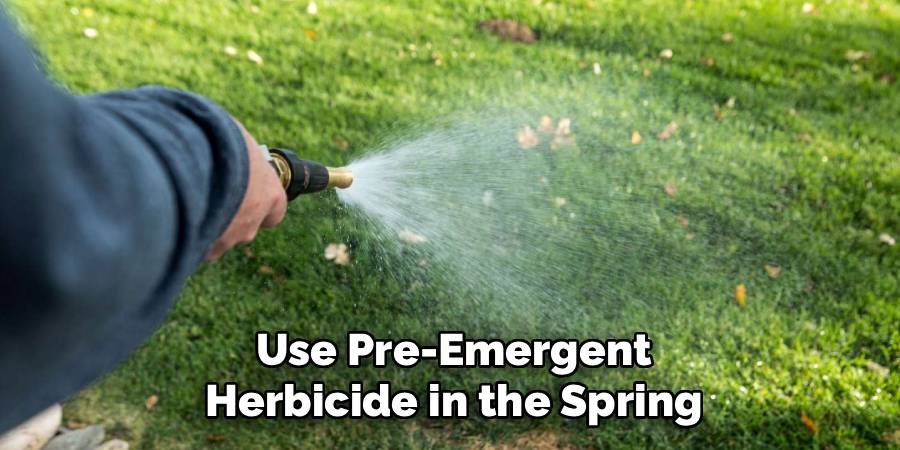
Step 6: Use Pre-Emergent Herbicide in the Spring
Prevention is the ultimate goal. A pre-emergent herbicide stops crabgrass seeds from germinating in the first place. Apply it in early spring when soil temperatures consistently reach 55°F for several consecutive days. This is typically when forsythia bushes begin to bloom. Applying too early can reduce its effectiveness, while applying too late means the seeds have already started to sprout. A second application in late spring may be necessary for season-long control in areas with long growing seasons. This preventative step is the most important for long-term success.
Step 7: Promote a Healthy, Dense Bermuda Lawn
A thick, healthy lawn is the best defense against any weed. Crabgrass cannot establish itself where there is no room to grow. Promote dense Bermuda grass by mowing at the correct height (1.5 to 2.5 inches), watering deeply but infrequently (1 inch per week), and fertilizing according to a soil test. A healthy lawn will crowd out and shade the soil, preventing crabgrass seeds from getting the sunlight they need to sprout. Overseeding any bare or thin patches in the late spring will also help fill in gaps before weeds can take hold.
Common Mistakes to Avoid
Maintaining a healthy lawn can be challenging, but avoiding common mistakes can make the process more effective. One major mistake is mowing the grass too short, which weakens the turf and allows weeds like crabgrass to thrive. Similarly, watering too frequently or shallowly encourages shallow root growth, making the lawn more vulnerable to drought and weeds. Another common error is applying fertilizer without conducting a soil test, as this can lead to over-fertilization or the use of inappropriate nutrients. Skipping overseeding, especially in bare or thin areas, can also create ideal conditions for weeds to establish themselves. By steering clear of these errors, you can ensure a strong, vibrant lawn that resists unwanted invaders.
Frequently Asked Questions
What Is the Best Herbicide for Crabgrass in Bermuda Grass?
The best herbicide contains an active ingredient that is effective on crabgrass and labeled as safe for Bermuda grass. For post-emergent control (killing existing weeds), look for products with quinclorac. For pre-emergent control (preventing seeds from sprouting), products containing dithiopyr or prodiamine are excellent choices. Always read the product label to confirm it is safe for your specific turf type and follow application instructions carefully.
Can I Pull Crabgrass by Hand?
Yes, hand-pulling is very effective for small, isolated patches of crabgrass. The best time to do this is when the soil is moist, which makes it easier to remove the entire root system. If you leave the root behind, the plant can regrow. This method is most practical for minor infestations or for homeowners who prefer to avoid using chemicals on their lawn.
When Should I Apply Pre-Emergent for Crabgrass?
You should apply a pre-emergent herbicide in the early spring, just before crabgrass seeds begin to germinate. The key indicator is soil temperature; apply when the soil consistently reaches 55–60°F. For many regions, this timing coincides with the blooming of forsythia bushes. Applying too late will be ineffective, as the seeds will have already sprouted.
Will Mowing High Help Control Crabgrass?
Yes, mowing your Bermuda lawn at a higher setting (around 2 to 2.5 inches) can significantly help control crabgrass. Taller grass blades create a denser canopy that shades the soil. This shade prevents sunlight from reaching crabgrass seeds, which inhibits their germination. Mowing high, combined with proper watering and fertilization, promotes a thick turf that naturally crowds out weeds.
Can Vinegar Kill Crabgrass?
Vinegar, specifically horticultural vinegar (20% acetic acid), can kill the top growth of young crabgrass. However, it is a non-selective contact killer, meaning it will also damage or kill any Bermuda grass it touches. It is generally not effective on the root system of mature plants, so the crabgrass will likely regrow. For this reason, it is not a recommended solution for controlling crabgrass within a Bermuda lawn.
Conclusion
Winning the war against crabgrass is a multi-step process that combines timely removal with long-term prevention. By correctly identifying the weed, acting at the right time, and using the appropriate manual or chemical controls, you can clear your lawn of this invasive pest. More importantly, focusing on cultural practices that foster a thick, healthy, and resilient turf is your best defense. A dense lawn naturally outcompetes weeds for resources, creating an environment where crabgrass struggles to survive. Now that you know how to remove crabgrass from bermuda lawn, you have the power to restore your turf’s health and enjoy a beautiful, uniform yard all season long.

About Ravuk Barg
B.Sc. Horticulture Science | Certified Master Gardener
Ravuk Barg has spent more than a decade with his hands in the soil and his head full of questions about why some gardens thrive while others struggle. What started as a single raised bed of tomatoes and basil in a modest backyard has grown into a deep, working knowledge of everything from seed germination and soil amendment to companion planting and seasonal pruning.
Over the years, Ravuk has gardened through drought summers, waterlogged springs, and pest invasions that would make most gardeners hang up their trowels for good. Those hard seasons, he’ll tell you, taught him more than any perfect growing year ever could. He writes from that earned experience—covering vegetable growing, ornamental planting, houseplant care, composting, and garden design with equal confidence and curiosity.
Philosophy & Approach
Ravuk’s approach to gardening is rooted in practicality. He favors organic methods not out of dogma, but because they work long-term—resulting in healthier soil, fewer inputs, and stronger plants. He has a particular fondness for heirloom vegetable varieties (the kind with proper flavor), unruly cottage-style flower beds, and the stubborn houseplants that everyone else gave up on.
The Mission: Give readers the honest, experience-backed advice that helps them actually succeed in their gardens—not just the ideal version, but the real one; weeds, failures, and all.
Education & Credentials
-
B.Sc. in Horticulture Science
-
Greenfield Agricultural University
-
Focus: Plant Physiology, Soil Ecology, and Sustainable Crop Production
-
-
Master Gardener Certification
-
Cooperative Extension Service
-
Focus: 200+ hours of hands-on practical training and community garden work
-
Continuing Education
-
Organic Pest Management
-
Native Plant Landscaping
-
Sustainable Crop Production