

How to Break Up Hard Soil for Grass? Here are some easy ways to take your compacted soil from zero to the right type of soil for a healthy lawn.
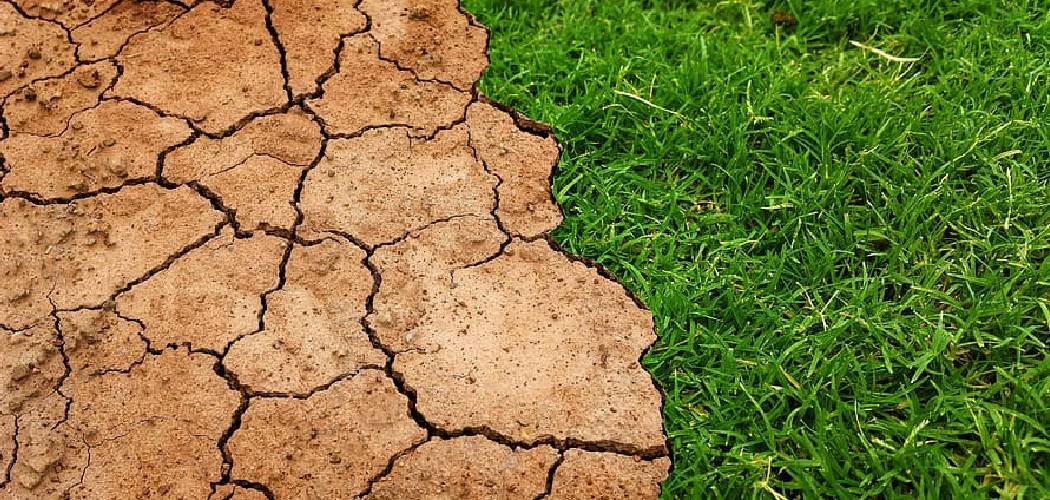
For those who want a beautiful, green lawn, hard soil can be a nightmare. Compacted soil prevents grass roots from growing, absorbing water, and getting nutrients to where they need to be. In this guide, you’ll discover how to break up hard soil for grass the right way.
Why Hard Soil is Bad for Grass
Hard soil is a headache for grass to grow in. When pressed down by a roof, the soil creates a barrier that traps air and water. Grassroots need to breathe to grow strong. If there is no good drainage system, water accumulates on the surface of the soil and does not seep down to the roots. Compaction of the soil also makes it harder for nutrients to reach the grass roots. If the roots can’t push through the soil, they won’t have access to air and nutrients, and your grass will never get a foothold. Knowing how to break up hard soil for grass is an important part of growing a healthy lawn that will last for years.
10 Effective Methods to Break Up Hard Soil for Grass
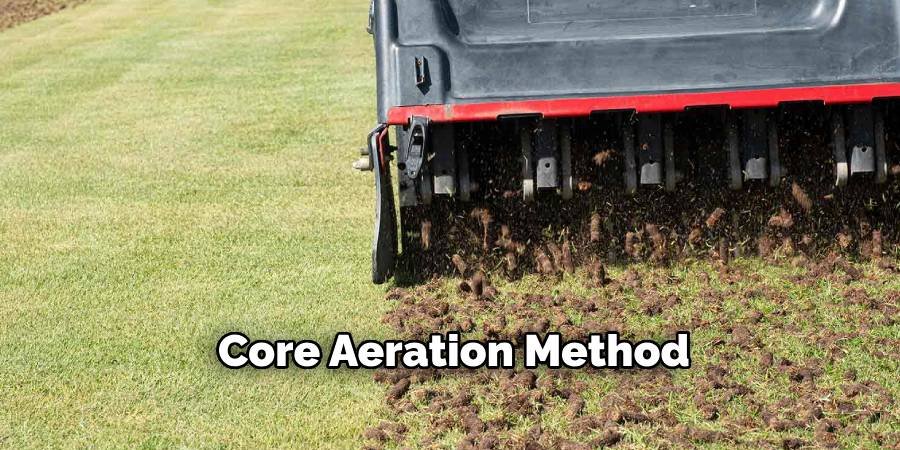
1. Core Aeration Method
Core aeration is the best way to break up hard soil for grass. This process, which costs about 6 cents per square foot, uses a special machine that pulls out small plugs of soil, creating holes that help air, water, and nutrients penetrate deeper into the soil. Core aeration is best done during the growing season when the grass can recover more easily. Grasses grown in cold climates should be fertilized in spring or early summer. For cool-season grasses, from late spring to early summer. After aerating, place soil plugs on the surface – these will decompose on their own and provide beneficial organic matter for your lawn.
2. Manual Soil Breaking with Garden Fork
However, a garden fork is a simple but effective tool for loosening hard soil in small areas. Insert the fork deep into the soil and move it back and forth to create cracks and air gaps. This is a great way to use stain treatment on areas where urine has accumulated. Methodically work your way across the area, making holes every 4-6 inches. This manual method is time-consuming, but it allows you to have complete control over the process. Use it where mechanical ventilation is not possible, such as near trees, flower beds, and other obstacles where mechanical ventilation is difficult.
3. Water Soaking Technique
Don’t be discouraged when you’re learning to break up hard soil for grass; water will be your best friend. Deep, slow irrigation can break up layers of soil, which can then be broken up using other methods. Set up a sprinkler that will water deeply, albeit slowly, over several hours. The material should remain damp but not soggy. You will benefit from other breaking methods once the soil has softened properly. This method is especially effective before hand aeration or tilling.
4. Organic Matter Addition
Organic matter needs to be added for long-term soil health. Compost, aged manure, and leaf mold naturally loosen hard soil and improve soil structure within a few seasons. Apply a shallow layer of organic matter to the lawn and rake or mechanically loosen the soil surface. Organic matter opens up the soil, which allows for better air and water movement. This is a long-lasting service that will reduce the risk of future compaction.
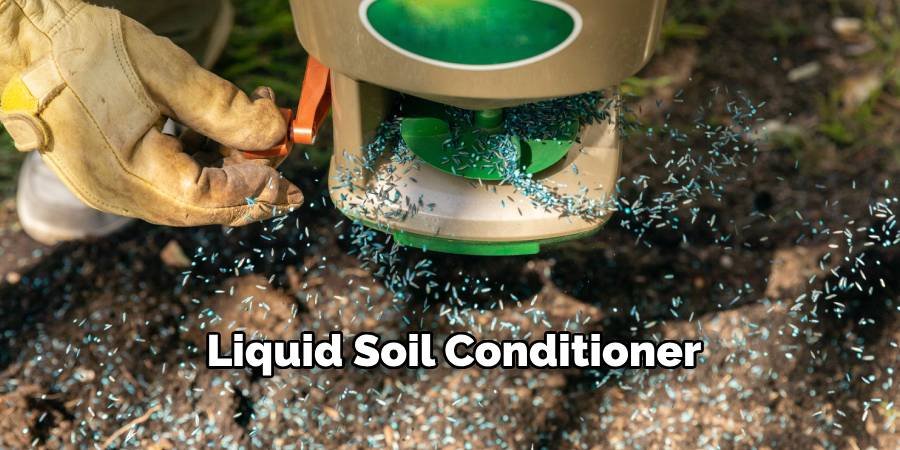
5. Liquid Soil Conditioner Application
Water-based soil penetrants: Wetting agents or non-ionic surfactants are added to water to allow the soil to penetrate hard soil more easily, making it more effective as a soil conditioner. They work especially well with clay soils, which tend to be water-resistant. Mop with liquid conditioner according to the manufacturer’s recommendations (usually mixed with water and sprayed). Add plenty of water to activate the conditioner. This technique can be used effectively with other soil-breaking methods.
6. Mechanical Tilling for Large Areas
For large amounts of compacted soil, a rototiller can work wonders. You can rent a rototiller or power rake to break up hard layers of soil easily and quickly. Turn the soil 6-8 inches deep. Do not work the soil when it is wet, as this can cause further compaction. After tilling, add organic matter and smooth the surface before re-seeding or sodding. This process is ideal for the destruction of an existing lawn.
7. Gypsum Treatment for Clay Soils
Gypsum is especially good for breaking up hard clay soils. This natural mineral is also known as rock flour, and it can improve soil structure by binding soil particles into perfect clumps, or “granules,” allowing moisture and air to move more freely through the soil. Add gypsum at the rate recommended on the package, 1 to 2 pounds per 100 square feet. Apply it lightly to loosen the soil and then water it in well. But gypsum is slow to work, often taking weeks to months to improve soil structure.
8. Sand and Compost Mixture
Add a mixture of coarse sand, such as beach sand, and break it up with compost fertilizer, improving drainage and adding nutrients. Make sure you only use coarse sand or river sand – never use fine sand; fine sand only makes compaction worse. Combine equal parts sand and compost and spread the mixture over your lawn so that it penetrates as deeply into the soil as possible. Heavy clay soils, which require both drainage and organic matter, are particularly suitable for this method.
9. Spike Aeration Technique
Spike aeration is the process of making holes in very hard soil using a hard spike. Spike seedbeds are not as effective as core aeration, but they will help with moderately compacted soil. Use a manual spike perforator for larger patches or rent a mechanical unit. Make holes every four to six inches across your lawn. This is less invasive than core aeration, and you can do it more frequently throughout the growing season.
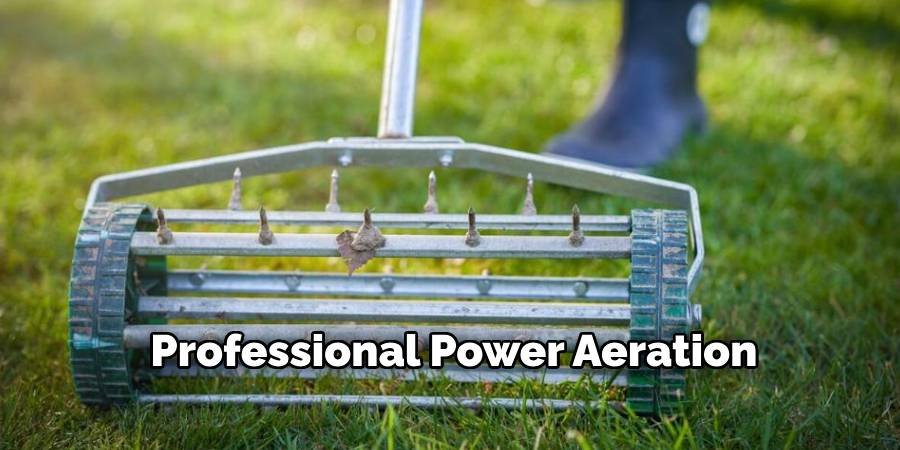
10. Professional Power Aeration
Or for extremely compacted soil, heavy-duty power aeration machines are available for deep penetration into hard-to-reach areas. Professionals can penetrate the soil to a depth of 4-6 inches, creating slightly larger holes than home machines. This is true even for busy commercial properties where a large residential lawn has a severe compaction problem. Commercial aeration usually costs more, but it produces better results in adverse conditions.
Best Timing for Breaking Up Hard Soil
When you’re trying to solve a tough soil problem, timing is everything. The best time to plant grass depends on your grass variety and regional climate. Cool-season grasses benefit from being worked into the soil in early fall or spring, when the air is cool, there’s plenty of moisture, and the grass is actively growing. Warm-season grasses should be worked into the soil in late spring or early summer, as they’re entering their most productive growing season. Don’t work the soil when it’s too wet, which can lead to more compaction. The soil can be moist but not soggy.
Tools and Equipment You’ll Need
Break up hard soil with the right tools. The basics are a garden fork, a core aerator (manual or mechanical), a rake, and a sprinkler system for watering. For larger projects, you may want to rent a rototiller or professional aerator. Some other useful items are organic matter, such as compost, soil conditioner, and the right grass seed for overseeding after the soil has been treated. Using a soil test kit will also tell you what your soil may need and what the best treatment method is.
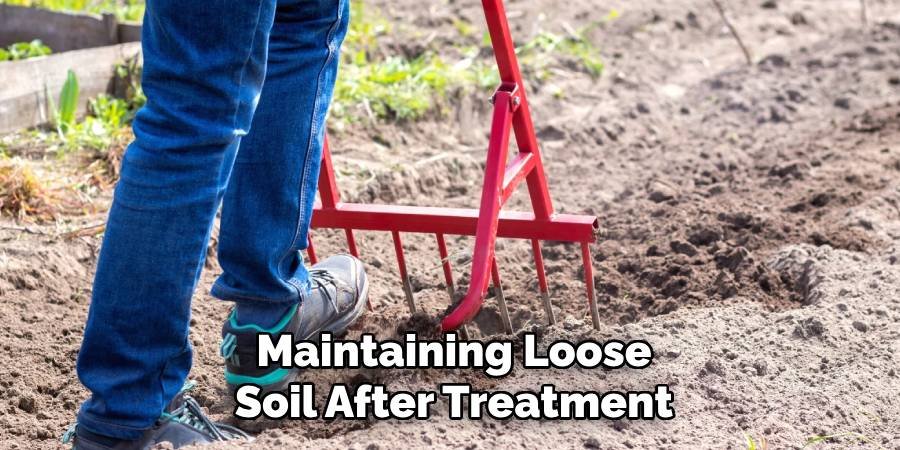
Maintaining Loose Soil After Treatment
After successfully breaking up hard soil, maintaining good soil structure is important for the long-term health of your lawn. Frequent monitoring, proper irrigation, and annual aeration will prevent future compaction. Walk gently on wet soil and avoid heavy foot traffic; in heavy traffic areas, consider adding walkways. Annual applications of organic matter (composting or topdressing) contribute to good soil structure and provide benefits to grass growth.
Common Mistakes to Avoid
A few common mistakes can make soil compaction worse — or even reduce the effectiveness of your efforts. One of the biggest mistakes is working when the soil is too wet; this can cause major compaction that is very difficult to correct. Another mistake is using fine sand instead of coarse sand, which will clump the clay particles together. Over-tilling can disrupt the soil structure and create a hard pot beneath the topsoil. Always test the soil for moisture before starting any soil work.
Frequently Asked Questions
Q: How often should I aerate hard soil for grass? A: If you have heavy, compacted soil, aerate it annually and try to do it during the growing season. Very hard (compacted) soil should be aerated twice a year until conditions improve.
Q: Can I break up hard soil without damaging existing grass? A: Core aeration and liquid soil conditioners can help the soil without harming healthy grass. Stay away from harsh techniques like tilling existing lawns.
Q: What’s the best organic matter for breaking up hard soil? A: Compost is the top organic material for loosening up tough soil. It helps improve soil structure and add nutrients, as well as promote the growth of beneficial microorganisms.
Q: How deep should I break up hard soil for grass? A: Sorry, 6-8 inches is best! This helps build healthy grass and increases water infiltration.
Q: Will breaking up hard soil kill my existing grass? A: Healthy grass does not die if the soil is broken up properly. But weak grass will struggle first and then recover under better conditions.
Conclusion
So, how do you break up hard soil and make it ready for grass? This blog describes ten methods for planting bare-root roses, including solutions for different types of soil and situations. The bottom line is, whether you decide to core aerate, manually dig it out, or call in the professionals, you need to work with the soil and do it at the right time, and then keep up the good work. Remember that loosening compacted soil is often the first step involved in more general lawn care.
Follow up with good seeding, watering, and ongoing maintenance, and your investment will last for years. With a little patience and method, even the most compacted soil can be transformed into a beautiful grass bed. Start with the method that best suits your situation and, if you’re feeling confident and ambitious, layer on layering techniques to create the best effect toward the lawn of your dreams.

About Ravuk Barg
B.Sc. Horticulture Science | Certified Master Gardener
Ravuk Barg has spent more than a decade with his hands in the soil and his head full of questions about why some gardens thrive while others struggle. What started as a single raised bed of tomatoes and basil in a modest backyard has grown into a deep, working knowledge of everything from seed germination and soil amendment to companion planting and seasonal pruning.
Over the years, Ravuk has gardened through drought summers, waterlogged springs, and pest invasions that would make most gardeners hang up their trowels for good. Those hard seasons, he’ll tell you, taught him more than any perfect growing year ever could. He writes from that earned experience—covering vegetable growing, ornamental planting, houseplant care, composting, and garden design with equal confidence and curiosity.
Philosophy & Approach
Ravuk’s approach to gardening is rooted in practicality. He favors organic methods not out of dogma, but because they work long-term—resulting in healthier soil, fewer inputs, and stronger plants. He has a particular fondness for heirloom vegetable varieties (the kind with proper flavor), unruly cottage-style flower beds, and the stubborn houseplants that everyone else gave up on.
The Mission: Give readers the honest, experience-backed advice that helps them actually succeed in their gardens—not just the ideal version, but the real one; weeds, failures, and all.
Education & Credentials
-
B.Sc. in Horticulture Science
-
Greenfield Agricultural University
-
Focus: Plant Physiology, Soil Ecology, and Sustainable Crop Production
-
-
Master Gardener Certification
-
Cooperative Extension Service
-
Focus: 200+ hours of hands-on practical training and community garden work
-
Continuing Education
-
Organic Pest Management
-
Native Plant Landscaping
-
Sustainable Crop Production