

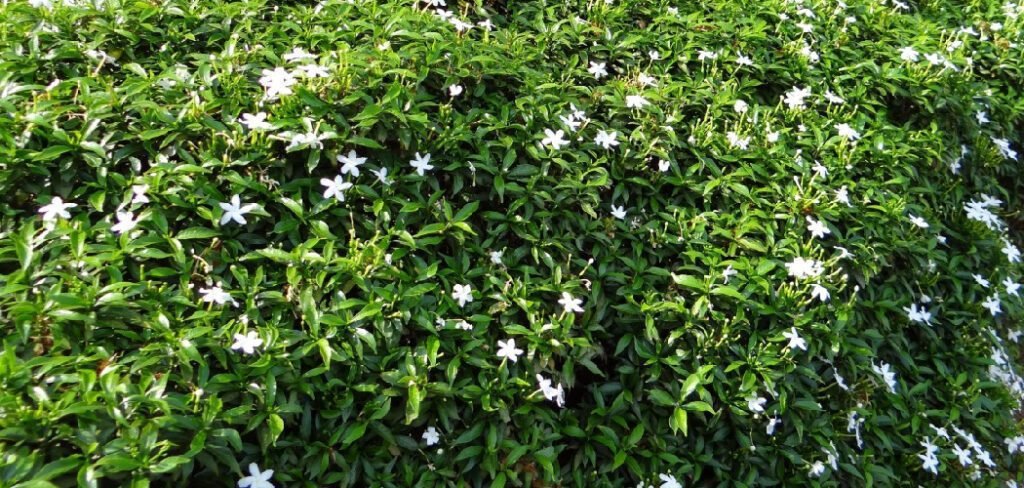
Star jasmine, with its glossy evergreen leaves and intensely fragrant summer blossoms, is a true garden treasure. This beautiful vine can transform a plain fence or trellis into a stunning feature. However, its semi-tropical origins mean it can be vulnerable when temperatures drop. For new gardeners and seasoned enthusiasts alike, understanding how to protect star jasmine plant in winter is essential to ensure it survives the cold and returns with vigorous growth in the spring. This guide will walk you through everything you need to know, from selecting the right location to providing the best winter care, so you can enjoy your plant for years to come.
Why Winter Protection for Star Jasmine Matters
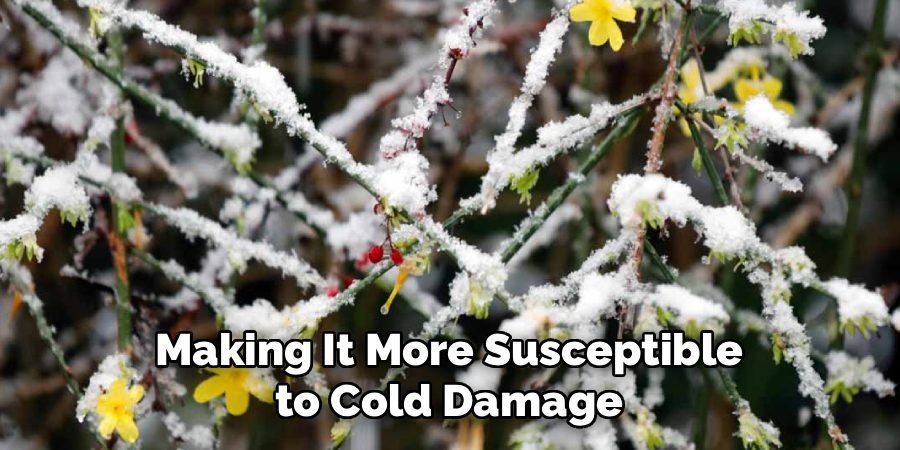
Protecting your star jasmine from the harsh winter elements is not just about survival; it’s about helping it thrive. While mature, well-established plants can often handle a light frost, younger vines and those in colder climates are particularly susceptible to damage. Freezing temperatures can harm the foliage, causing it to turn bronze or even drop, and a deep freeze can damage the roots and stems. By taking proactive steps to shield your plant, you prevent winter dieback, reduce stress on the plant, and encourage healthier, more robust growth and abundant flowers when the weather warms up again.
8 Step-by-Step Guide: How to Protect Star jasmine Plant in Winter
Step 1: Choose a Sheltered Planting Location
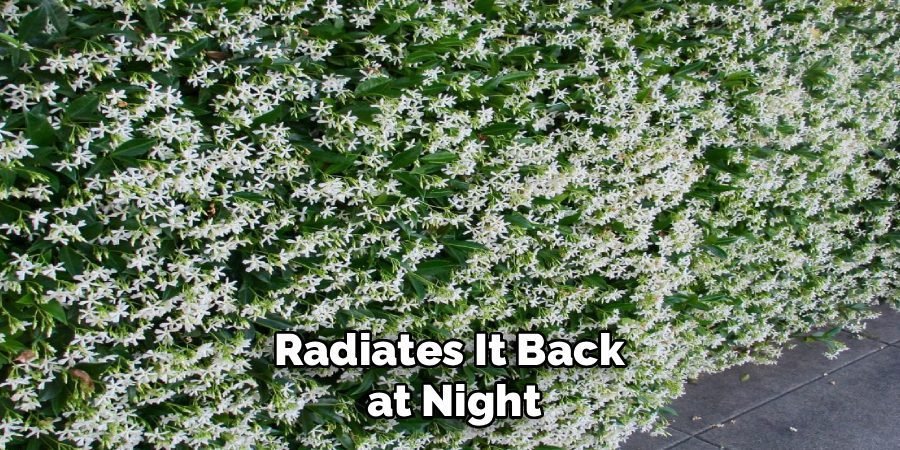
The first line of defense begins with a smart planting strategy. Position your star jasmine in a spot that receives plenty of sunlight but is shielded from harsh, freezing winter winds. A south-facing wall is often ideal, as it absorbs solar heat during the day and radiates it back at night, creating a warmer microclimate. Planting near a solid fence or under the overhang of a roof can also provide significant protection. This strategic placement minimizes exposure to the most damaging weather and reduces the overall stress on your plant throughout the winter season.
Step 2: Water Deeply Before the First Frost
Proper hydration is crucial before the ground freezes. In the late fall, before the first hard frost is expected, give your star jasmine a deep, thorough watering. This allows the root system to absorb plenty of moisture. When the soil is moist, it retains heat better than dry soil, offering a natural insulating effect for the roots. This final deep drink helps the plant withstand the drying effects of cold winter winds and frozen ground, ensuring the roots remain healthy and prepared for their dormant period.
Step 3: Apply a Thick Layer of Mulch
Insulating the root zone is one of the most effective ways to protect your plant. After your final deep watering, apply a generous layer of organic mulch, about 3 to 4 inches thick, around the base of the star jasmine. Use materials like shredded bark, straw, or compost. Be sure to leave a small gap directly around the main stem to prevent moisture buildup, which could lead to rot. This layer of mulch acts like a blanket, regulating soil temperature and protecting the sensitive roots from extreme freeze-and-thaw cycles.
Step 4: Stop Fertilizing in Late Summer
To prepare your star jasmine for dormancy, it’s important to halt its growth cycle at the right time. Stop applying any fertilizer by the end of summer or early fall. Fertilizing late in the season encourages tender new growth that is highly susceptible to frost damage. This new foliage won’t have enough time to harden off before the first freeze arrives. Allowing the plant to naturally slow its growth ensures it can direct its energy toward fortifying its existing stems and roots for the cold months ahead.
Step 5: Consider a Temporary Windbreak
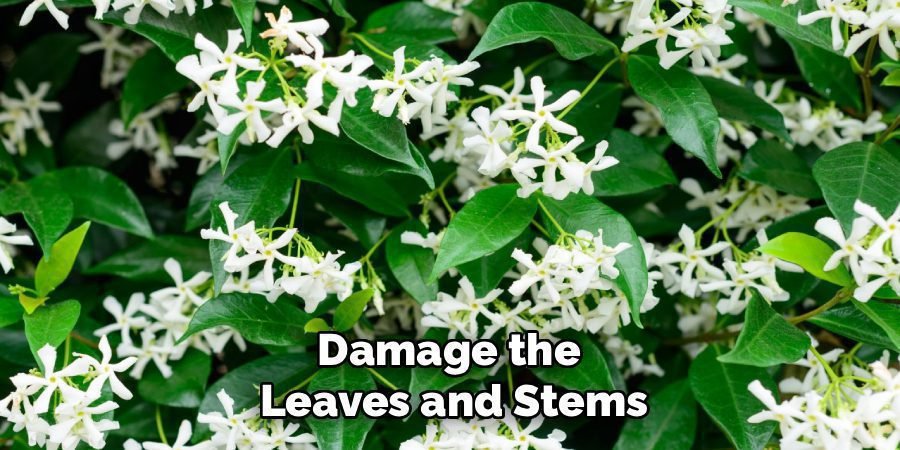
If your star jasmine is in an exposed location, creating a temporary windbreak can make a significant difference. You can build a simple screen using burlap or frost cloth stretched between stakes placed a few feet away from the plant. This barrier will deflect the harshest, coldest winds, which can rapidly dehydrate and damage the leaves and stems. Ensure the covering doesn’t directly touch the foliage, as this can trap moisture and increase the risk of frost damage where the fabric makes contact with the leaves.
Step 6: How to Protect a Potted Star Jasmine Plant in Winter
Container-grown star jasmine plants are more vulnerable because their roots are exposed to cold air from all sides. The best strategy is to move the pot to a sheltered location, such as an unheated garage, shed, or a protected porch. If the pot is too large to move, wrap it in bubble wrap or burlap to insulate the root ball. You can also group it with other pots to create a shared microclimate. This extra insulation is key to preventing the roots from freezing solid, which is often fatal for potted plants.
Step 7: Cover the Plant During Hard Freezes
For established in-ground plants in regions with occasional hard freezes, temporary covering is essential. When the forecast calls for temperatures to drop significantly, cover your star jasmine with a frost blanket, bedsheet, or burlap. Drape the cover over a frame or stakes to keep it from touching the plant itself. This traps radiant heat from the ground and shields the foliage from frost. Remember to remove the cover in the morning once temperatures rise above freezing to allow for air circulation and prevent overheating.
Step 8: Inspect for Pests Before Winter
Healthy plants are better equipped to handle winter stress. Before the weather turns cold, carefully inspect your star jasmine for any signs of pests like spider mites or scale. These pests can weaken the plant over the winter, making it more susceptible to cold damage. Treat any infestations with insecticidal soap or horticultural oil according to the product instructions. A pest-free plant can focus all its energy on surviving the winter, leading to a much stronger comeback in the spring.
Avoid Heavy Pruning in the Fall
Resist the urge to perform any major pruning on your star jasmine in the fall. Pruning stimulates new growth, which, as mentioned earlier, is vulnerable to frost. It also opens up fresh wounds on the plant that can be damaged by cold temperatures. The existing foliage and stems provide some self-insulation during the winter. Save any significant trimming or shaping for the early spring, after the last threat of frost has passed. At that time, you can safely remove any winter-damaged branches and encourage healthy new growth.
Frequently Asked Questions (FAQ)
Will Star Jasmine Survive a Freeze?
Yes, a mature and well-established star jasmine can typically survive a light freeze or short periods of temperatures just below freezing, especially if it’s in a sheltered location. The leaves might turn a bronze or reddish color as a natural protective response to the cold, but they usually green up again in the spring. However, a prolonged hard freeze can damage or kill the plant, particularly if it is young or its roots are not insulated. Following winter protection steps is the best way to ensure its survival.
What Is the Lowest Temperature Star Jasmine Can Tolerate?
Star jasmine is generally hardy in USDA zones 8-10 and can tolerate temperatures down to about 10°F (-12°C) for brief periods. However, sustained temperatures below 20°F (-6°C) can cause significant damage to the foliage and stems. For gardeners in zones 7 or colder, the plant will require substantial protection, such as heavy mulching and wrapping, or it should be grown in a container that can be moved indoors or to a sheltered location like a garage during the coldest parts of winter.
Should I Water Star Jasmine in Winter?
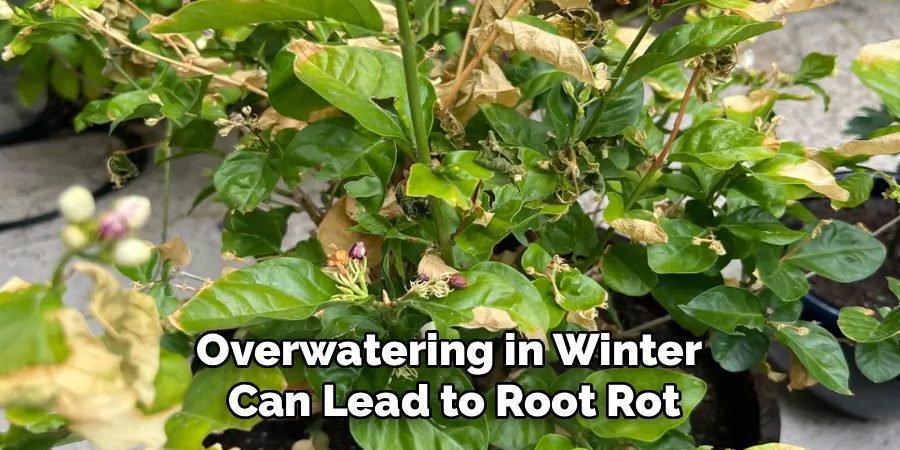
Watering needs for star jasmine decrease significantly during its winter dormancy. For in-ground plants, the natural winter precipitation is often sufficient. However, if you experience a dry, mild spell, it’s a good idea to check the soil every few weeks. If it’s completely dry a few inches down, provide a light watering. For potted plants, check the soil moisture more regularly and water sparingly, only when the top inch or two of soil is dry. Overwatering in winter can lead to root rot, which is a serious threat.
Why Are My Star Jasmine Leaves Turning Yellow in Winter?
It’s common for some star jasmine leaves to turn yellow and drop during the winter. This can be a natural part of the plant’s process of shedding older leaves. It can also be a sign of stress from cold temperatures or inconsistent moisture. A few yellow leaves are usually not a cause for concern. However, if a large portion of the plant is turning yellow, it may indicate a problem like root rot from overly wet soil or significant cold damage. Ensure the soil has good drainage and the plant is adequately protected from extreme cold.
How Do I Revive Star Jasmine After Winter?
In early spring, after all danger of frost has passed, carefully inspect your plant. Prune away any stems or leaves that are clearly dead, brown, and brittle. Be patient, as some parts that look damaged may still produce new growth. Once you’ve cleaned it up, apply a balanced, slow-release fertilizer to encourage new shoots and leaves. Resume a regular watering schedule as the weather warms. With proper care, most star jasmine plants will recover quickly and put on a fresh flush of healthy green growth.
Conclusion
Guarding your star jasmine against the winter cold is a straightforward process that pays off handsomely. By choosing the right location, providing insulation, and managing water and nutrients correctly, you set your plant up for success. These simple yet effective steps ensure that your vine not only survives but emerges in the spring ready to grow and fill your garden with its unforgettable fragrance. Now that you know how to protect star jasmine plant in winter, you can approach the cold season with confidence, knowing your beautiful vine is safe and sound.

About Ravuk Barg
B.Sc. Horticulture Science | Certified Master Gardener
Ravuk Barg has spent more than a decade with his hands in the soil and his head full of questions about why some gardens thrive while others struggle. What started as a single raised bed of tomatoes and basil in a modest backyard has grown into a deep, working knowledge of everything from seed germination and soil amendment to companion planting and seasonal pruning.
Over the years, Ravuk has gardened through drought summers, waterlogged springs, and pest invasions that would make most gardeners hang up their trowels for good. Those hard seasons, he’ll tell you, taught him more than any perfect growing year ever could. He writes from that earned experience—covering vegetable growing, ornamental planting, houseplant care, composting, and garden design with equal confidence and curiosity.
Philosophy & Approach
Ravuk’s approach to gardening is rooted in practicality. He favors organic methods not out of dogma, but because they work long-term—resulting in healthier soil, fewer inputs, and stronger plants. He has a particular fondness for heirloom vegetable varieties (the kind with proper flavor), unruly cottage-style flower beds, and the stubborn houseplants that everyone else gave up on.
The Mission: Give readers the honest, experience-backed advice that helps them actually succeed in their gardens—not just the ideal version, but the real one; weeds, failures, and all.
Education & Credentials
-
B.Sc. in Horticulture Science
-
Greenfield Agricultural University
-
Focus: Plant Physiology, Soil Ecology, and Sustainable Crop Production
-
-
Master Gardener Certification
-
Cooperative Extension Service
-
Focus: 200+ hours of hands-on practical training and community garden work
-
Continuing Education
-
Organic Pest Management
-
Native Plant Landscaping
-
Sustainable Crop Production