

Your garden patio is an extension of your home, a place for relaxation, entertainment, and enjoying the outdoors. While visual appeal is important, the scent of your patio can transform the space from merely pleasant to truly magical. Creating an inviting atmosphere involves more than just pretty flowers; it’s about curating a sensory experience. This guide will walk you through how to make your garden patio smell good, using simple, natural, and effective methods. We will explore everything from choosing fragrant plants to proper maintenance, ensuring your outdoor oasis is a delight for all the senses.
Why a Fragrant Patio Matters
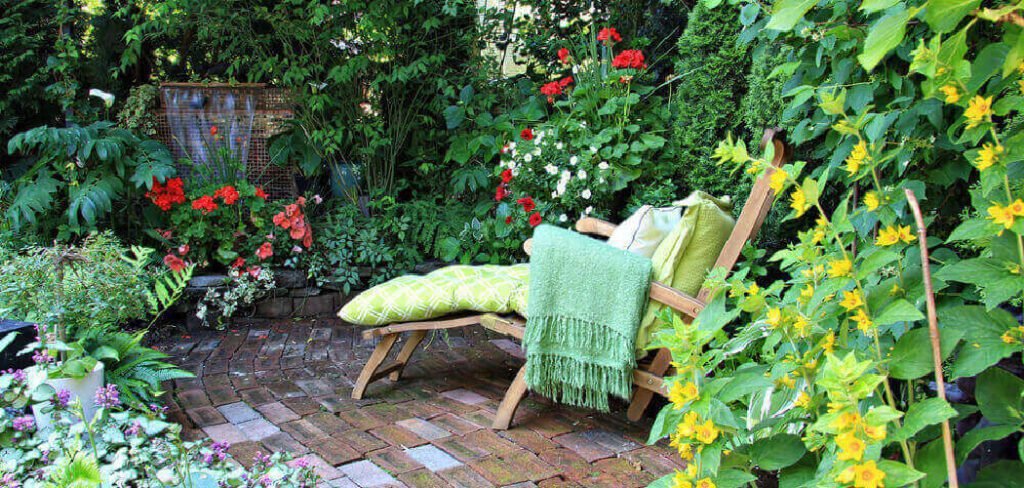
The scent of your garden patio significantly enhances its ambiance. Our sense of smell is powerfully linked to memory and emotion, meaning a fragrant space can create lasting, positive impressions. A pleasant-smelling patio can help reduce stress, elevate your mood, and make your outdoor gatherings more memorable. It transforms the area from just a physical space into a true sensory retreat. For homeowners and garden enthusiasts, cultivating a beautifully scented patio adds another layer of enjoyment and sophistication to their outdoor living experience, making it a more inviting place to unwind and connect with nature.
8 Step Methods Guide on How to Make Your Garden Patio Smell Good
Step 1: Clean Your Patio Thoroughly
Before adding pleasant scents, you must eliminate bad ones. Start with a deep clean. Sweep away all debris, leaves, and dirt. Use a pressure washer or a stiff brush with a mixture of water and vinegar to scrub away mildew, algae, and any lingering grime from the patio surface, furniture, and surrounding walls. This initial cleaning creates a neutral canvas, ensuring the fragrances you introduce are pure and not competing with musty or unpleasant odors. A clean environment is the essential foundation for a sweet-smelling outdoor space.

Step 2: Choose Strategically Fragrant Plants
Selecting the right plants is the most natural way to perfume your patio. Focus on flowers and herbs known for their strong, pleasant aromas. Consider placing pots of lavender, jasmine, or gardenias near seating areas where their scent can be fully appreciated. Herbs like rosemary, mint, and lemon balm release their fragrance when brushed against, making them perfect for lining walkways or placing on tables. Think about bloom times to ensure you have a continuous source of fragrance throughout the seasons, creating a dynamic and evolving scent profile for your patio.
Step 3: Layer Scents with Container Gardens
Container gardening allows you to control and concentrate fragrances exactly where you want them. Use a variety of pots and planters to create scent zones around your patio. Combine plants with complementary aromas. For example, a pot with sweet-smelling alyssum at the base, a central scented geranium, and a trailing verbena can create a beautiful and aromatic combination. This layering technique adds depth and complexity to your patio’s fragrance, making the experience much richer. This is a key step in learning how to make your garden patio smell good effectively.
Step 4: Incorporate Scented Herbs
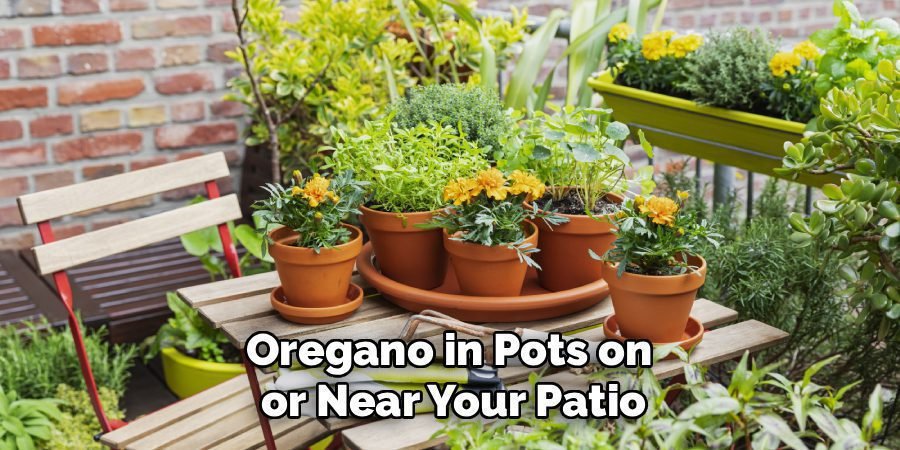
Herbs are a fantastic, dual-purpose addition to your patio. Not only do many herbs offer wonderful fragrances, but they can also be used in your cooking. Plant herbs like basil, thyme, and oregano in pots on or near your patio. The warmth of the sun helps release their essential oils, gently perfuming the air. Running your hands through them will release an even stronger burst of scent. Placing them near a seating area or along a path ensures their aroma is enjoyed frequently, adding a fresh and edible element to your fragrant garden design.
Step 5: Install a Vertical Herb Garden
If your patio space is limited, a vertical garden is an excellent solution for adding greenery and fragrance without cluttering the floor. You can grow a variety of climbing plants or create a wall of herbs like mint, basil, and creeping thyme. A vertical garden brings the scents closer to nose level, making them more prominent. This method is not only space-efficient but also creates a stunning visual feature. It’s a creative approach that adds both aroma and a touch of modern design to your outdoor living area, maximizing your scent potential.
Step 6: How to Make Your Garden Patio Smell Good with Mulch
The type of mulch you use can contribute to the overall scent of your patio area. Instead of standard mulch, consider using aromatic varieties like cedar or pine bark. These woods release a fresh, natural, woodsy fragrance that can complement the floral scents from your plants. Aromatic mulch also helps suppress weeds and retain moisture in your container plants, making it a functional and fragrant choice. Applying a fresh layer each season will refresh the scent and keep your potted plants healthy and looking their best.
Step 7: Use Natural Scent Diffusers
Beyond plants, you can introduce other natural elements to boost your patio’s aroma. Consider hanging bundles of dried lavender or eucalyptus from your patio cover. You can also create simple, natural potpourri bowls with dried citrus peels, cinnamon sticks, and cloves, placing them on outdoor tables. During evening gatherings, citronella candles can be used not only for their insect-repelling qualities but also for their fresh, lemony scent. These small touches work together to enhance the aromatic atmosphere and add a decorative, personal element to the space.
Step 8: Ensure Proper Air Circulation
Good air circulation is crucial for distributing the beautiful scents from your plants and herbs around the patio. If your patio is enclosed or sheltered, the fragrances can become stagnant. Ensure there are no large obstructions that block the breeze. The gentle movement of air will carry the perfumes from your flowers and herbs, creating a dynamic and flowing scent experience. Proper airflow prevents any single scent from becoming too overwhelming and helps to waft away any undesirable odors that might drift in from elsewhere.
Add Layers of Lighting
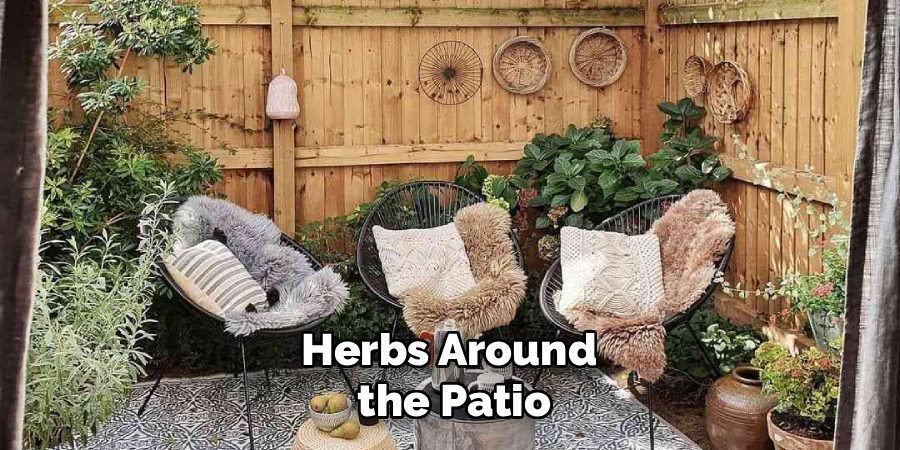
Lighting plays a crucial role in enhancing the ambiance of your patio, especially during the evening hours. Incorporate a mix of lighting options, such as string lights, lanterns, or solar-powered garden lights, to create a warm and inviting atmosphere. For a more dramatic effect, consider placing spotlights to highlight specific plants or décor elements. Layering your lighting ensures the space feels cozy yet functional, allowing you to enjoy your patio well into the night.
Frequently Asked Questions (FAQ)
What Are the Best Low-Maintenance Fragrant Plants for a Patio?
For a beautiful scent without a lot of work, consider plants like lavender, which thrives in sunny spots and is drought-tolerant once established. Scented geraniums are another excellent choice, offering a variety of fragrances from rose to lemon, and they are quite hardy in containers. Sweet alyssum is a fantastic annual that produces masses of tiny, honey-scented flowers all season long with minimal care. These options provide a significant aromatic impact for very little effort, making them perfect for beginners.
How Can I Make My Patio Smell Good in the Evening?
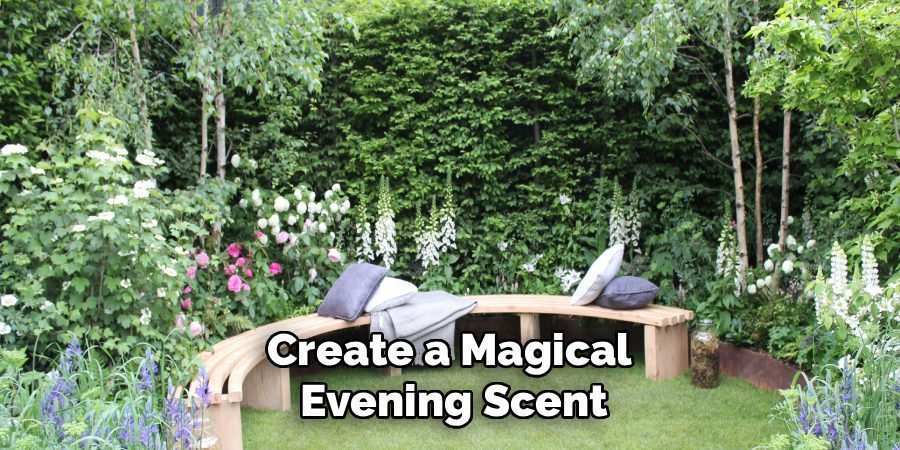
Many plants release their strongest fragrance after dusk. To create a magical evening scent, plant night-blooming jasmine, moonflower, or nicotiana. These plants are specifically adapted to attract nocturnal pollinators, and their perfumes are most potent in the evening air. Placing them near your seating area will ensure you can enjoy their intoxicating aromas during late-night conversations or quiet relaxation. Pairing them with solar-powered lights can enhance the enchanting nighttime atmosphere.
Are There Any Natural Ways to Keep Bad Smells Away?
Yes, you can use several natural methods. Keeping your patio clean is the first step. Regularly empty trash bins and clean up after pets. A bowl of coffee grounds or baking soda left out on a table can help absorb unwanted odors. Planting strong-smelling herbs like rosemary and mint can also help mask less pleasant smells. Additionally, good drainage is key; ensure your planters and patio surface don’t have standing water, which can lead to musty smells and mildew growth.
Can I Use Essential Oils to Scent My Patio?
You can use essential oils, but they should be used with care. A simple method is to add a few drops of an essential oil like lavender, lemon, or cedarwood to a spray bottle filled with water and lightly mist your outdoor cushions (test on a small spot first). Another option is to use a battery-operated diffuser designed for outdoor use. Avoid using oils directly on plant leaves or soil, as they can cause damage. This method is best for a temporary scent boost for a party or gathering.
How Often Should I Refresh My Scented Plants and Materials?
The frequency depends on the specific plant or material. Annual flowers like sweet alyssum may need to be replaced each year, while perennial herbs like lavender and rosemary will provide fragrance for several years with proper pruning. For non-plant sources, refresh aromatic mulches like cedar once or twice a year. Dried herb bundles or potpourri should be replaced every few months as their scent fades. Regularly deadheading your flowering plants will also encourage new blooms and a continuous release of fragrance.
Conclusion
Creating a beautifully scented outdoor space is an achievable and highly rewarding endeavor. By starting with a clean base, choosing the right aromatic plants, and using creative layering techniques with containers and natural diffusers, you can design a patio that is a true feast for the senses. Maintaining your fragrant garden through simple care and regular refreshing will ensure it remains an inviting retreat all season long. Now that you know how to make your garden patio smell good, you can begin crafting an aromatic oasis that enhances your home and well-being.

About Ravuk Barg
B.Sc. Horticulture Science | Certified Master Gardener
Ravuk Barg has spent more than a decade with his hands in the soil and his head full of questions about why some gardens thrive while others struggle. What started as a single raised bed of tomatoes and basil in a modest backyard has grown into a deep, working knowledge of everything from seed germination and soil amendment to companion planting and seasonal pruning.
Over the years, Ravuk has gardened through drought summers, waterlogged springs, and pest invasions that would make most gardeners hang up their trowels for good. Those hard seasons, he’ll tell you, taught him more than any perfect growing year ever could. He writes from that earned experience—covering vegetable growing, ornamental planting, houseplant care, composting, and garden design with equal confidence and curiosity.
Philosophy & Approach
Ravuk’s approach to gardening is rooted in practicality. He favors organic methods not out of dogma, but because they work long-term—resulting in healthier soil, fewer inputs, and stronger plants. He has a particular fondness for heirloom vegetable varieties (the kind with proper flavor), unruly cottage-style flower beds, and the stubborn houseplants that everyone else gave up on.
The Mission: Give readers the honest, experience-backed advice that helps them actually succeed in their gardens—not just the ideal version, but the real one; weeds, failures, and all.
Education & Credentials
-
B.Sc. in Horticulture Science
-
Greenfield Agricultural University
-
Focus: Plant Physiology, Soil Ecology, and Sustainable Crop Production
-
-
Master Gardener Certification
-
Cooperative Extension Service
-
Focus: 200+ hours of hands-on practical training and community garden work
-
Continuing Education
-
Organic Pest Management
-
Native Plant Landscaping
-
Sustainable Crop Production