

Are you tired of mowing, watering, and fertilizing your lawn every week? Many homeowners are discovering that learning how to replace lawn with creeping thyme offers an excellent solution. This aromatic ground cover creates a beautiful, low-maintenance alternative that saves time, money, and effort while providing environmental benefits.
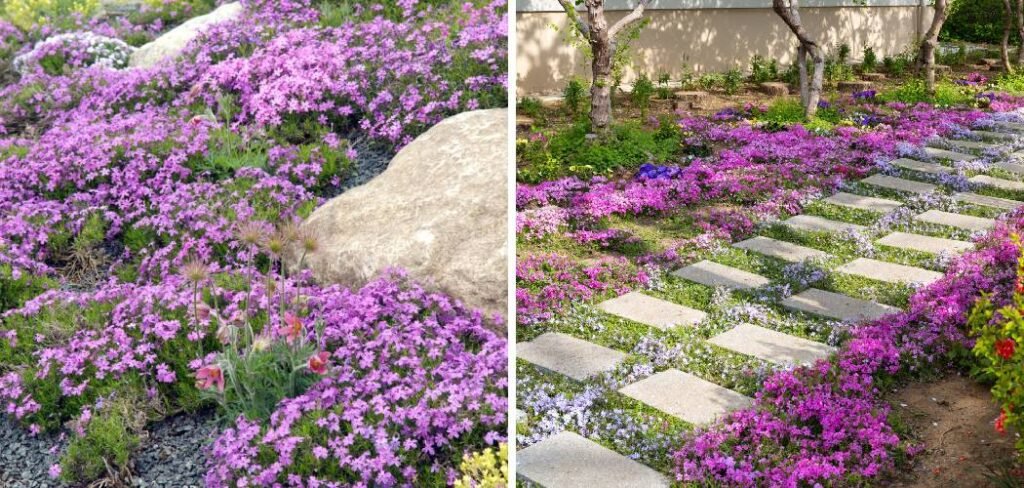
Creeping thyme (Thymus serpyllum) is a hardy, perennial herb that forms dense mats of tiny leaves and produces small, colorful flowers. Unlike traditional grass lawns that require constant care, creeping thyme lawns need minimal maintenance once established. This guide will walk you through everything you need to know about replacing your grass lawn with this wonderful ground cover.
Why Choose Creeping Thyme Over Traditional Grass?
Before discussing how to use creeping thyme instead of lawn, it’s important to understand why this choice makes sense. Traditional grass lawns use a lot of water, require regular mowing, and often require chemical fertilizers and pesticides to stay healthy. Creeping thyme has numerous benefits that make it an attractive alternative. Creeping thyme requires significantly less water than grass, making it perfect for drought-prone areas or homeowners looking to reduce their water bills. Once established, it can survive on natural rainfall in most climates. The plant is also naturally resistant to many pests and diseases, eliminating the need for harmful chemicals.
Creeping thyme’s aesthetic appeal is another big advantage. When it blooms, usually from late spring to summer, it produces a carpet of small purple, pink, or white flowers. The pleasant fragrance released when walking adds a sensory dimension that grass cannot provide. From an environmental perspective, creeping thyme supports pollinators like bees and butterflies, contributing to the health of the local ecosystem. It requires no fossil fuel-powered cutting, which significantly reduces your carbon footprint.
5 Step-by-Step Guide on How to Replace Lawn with Creeping Thyme
Step 1: Planning and Site Assessment
The first crucial step in learning how to replace lawn with creeping thyme involves careful planning and site evaluation. Creeping thyme thrives in well-draining soil and full sun conditions, though it can tolerate partial shade. Examine your current lawn area and identify sections that receive at least 6 hours of direct sunlight daily. Consider the foot traffic your lawn receives. While creeping thyme can handle light to moderate foot traffic, it’s not suitable for areas with heavy use like children’s play areas or sports activities. Plan pathways using stepping stones or other materials for frequently used routes.

Measure the area you want to convert and calculate how many plants you’ll need. Typically, you’ll need one creeping thyme plant per square foot for good coverage, though spacing can be adjusted based on your patience and budget. Closer spacing provides faster coverage but costs more initially.
Step 2: Removing Existing Grass
Once you’ve planned your project, the next step in how to replace lawn with creeping thyme involves removing the existing grass. There are several methods to accomplish this, each with different timeframes and environmental impacts. The most immediate method is mechanical removal using a sod cutter or spade to physically remove grass and roots. This approach allows you to start planting immediately but requires significant physical effort.
Alternatively, you can use the sheet mulching method, covering the grass with cardboard or newspaper and adding several inches of compost or soil on top. This method takes longer but improves soil quality and eliminates the need for disposal. Chemical removal using herbicides is another option, though it’s not environmentally friendly and requires waiting periods before planting. Solarization, covering the area with clear plastic during hot weather, can kill grass naturally but takes several months to be effective.
Step 3: Soil Preparation
Proper soil preparation is essential when learning how to replace lawn with creeping thyme. This step determines the long-term success of your project. Creeping thyme prefers well-draining, slightly alkaline soil with a pH between 6.0 and 8.0. Test your soil’s pH using a simple home test kit or by sending samples to your local extension office. If your soil is too acidic, add lime to raise the pH. If it’s too alkaline, incorporate organic matter like compost or peat moss to lower it slightly.
Improve drainage by adding coarse sand or perlite to heavy clay soils. Creeping thyme cannot tolerate waterlogged conditions and will quickly die in poorly draining soil. Work organic compost into the soil to improve structure and provide nutrients, but avoid over-fertilizing, as creeping thyme prefers lean soils. Level the planting area and remove any rocks, sticks, or debris. Create a smooth surface that will allow for even plant spacing and professional-looking results.
Step 4: Planting Creeping Thyme
Now comes the exciting part of how to replace lawn with creeping thyme: actual planting. The best times to plant are spring after the last frost or early fall when temperatures are moderate and rainfall is typically more abundant. Purchase healthy plants from reputable nurseries or garden centers. Look for plants with vibrant green foliage and well-developed root systems. Avoid plants that appear wilted, yellowing, or root-bound in their containers.
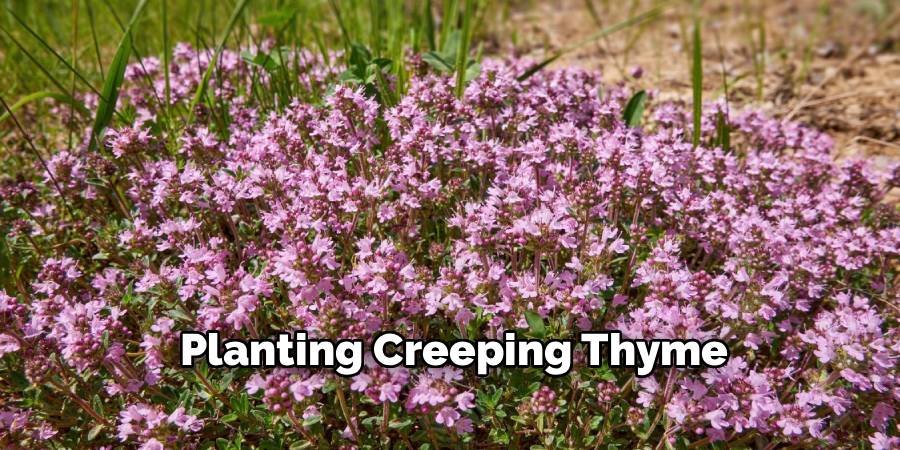
Dig holes approximately the same depth as the plant’s root ball and twice as wide. Space plants 12 to 18 inches apart for faster coverage, or up to 24 inches apart if you’re willing to wait longer for full coverage. Gently remove plants from their containers and loosen any circled roots before placing them in the holes. Backfill with the amended soil, ensuring the plant sits at the same level it was growing in its container. Water thoroughly after planting to settle the soil and eliminate air pockets around the roots.
Step 5: Initial Care and Establishment
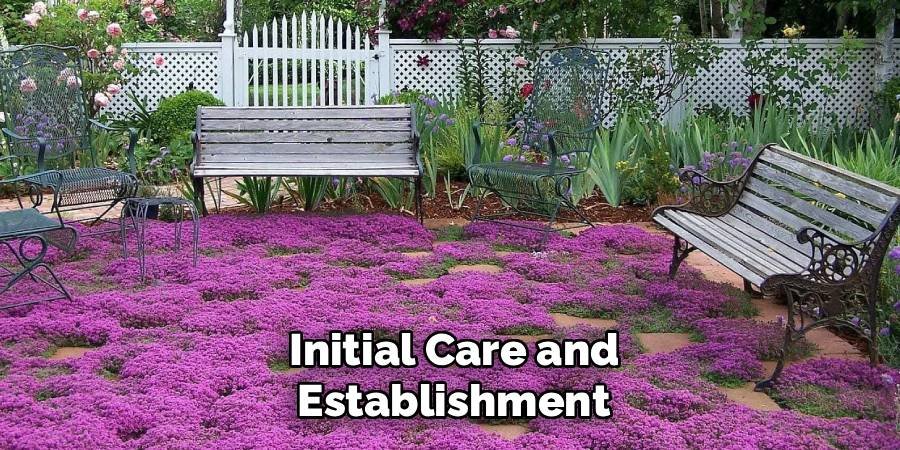
The final step in how to replace lawn with creeping thyme involves proper initial care to ensure successful establishment. Newly planted creeping thyme needs consistent moisture for the first few weeks while roots develop and spread. Water daily for the first week, then gradually reduce frequency as plants establish. Deep, infrequent watering encourages deep root growth and better drought tolerance. Avoid overhead watering if possible, as wet foliage can promote fungal problems.
Apply a thin layer of fine mulch around plants to retain moisture and suppress weeds. Avoid thick mulch layers that can retain too much moisture and cause root rot. Remove weeds regularly during the establishment period, as creeping thyme spreads slowly initially and cannot compete with aggressive weeds.
Maintenance Requirements for Creeping Thyme Lawns
Understanding maintenance needs is crucial when considering how to replace lawn with creeping thyme. While significantly less demanding than traditional grass, creeping thyme does require some ongoing care to maintain its appearance and health. Watering needs decrease dramatically once established. In most climates, natural rainfall provides adequate moisture, though supplemental watering may be necessary during extended dry periods. Deep watering once or twice per week is better than frequent shallow watering.
Fertilization requirements are minimal. Creeping thyme actually performs better in lean soils and can become too lush and prone to problems if over-fertilized. A light application of balanced fertilizer in early spring is usually sufficient. Pruning or mowing can help maintain a neat appearance and promote denser growth. Use a mower set to its highest setting or hand shears to trim back growth in late fall or early spring. Some homeowners prefer the natural, slightly wild appearance and skip regular trimming.
Cost Considerations and Long-term Benefits
When evaluating how to replace lawn with creeping thyme, cost considerations play an important role in decision-making. Initial costs are typically higher than maintaining existing grass, but long-term savings can be substantial.
Plant costs vary by region and supplier but typically range from $3 to $8 per plant. For a 1,000 square foot area, expect to invest $3,000 to $8,000 in plants alone. Additional costs include soil amendments, tools, and potentially professional soil testing. However, long-term savings are significant. Eliminated costs include weekly mowing, regular watering, fertilizers, pesticides, and lawn equipment maintenance or replacement. Most homeowners recover their initial investment within 5 to 10 years through reduced maintenance costs.
Common Challenges and Solutions
Learning how to replace lawn with creeping thyme isn’t without challenges. Understanding potential problems and their solutions helps ensure project success. Slow establishment is perhaps the most common complaint. Creeping thyme can take 2-3 years to achieve full coverage, testing homeowners’ patience. Closer initial plant spacing and consistent care during establishment can speed the process.

Weed competition during establishment requires vigilance. Hand-pulling weeds and spot-treating with organic herbicides helps creeping thyme get established without competition. Once mature, creeping thyme forms dense mats that naturally suppress most weeds. Winter damage can occur in harsh climates, though most creeping thyme varieties are quite hardy. Providing light winter protection with evergreen boughs in extremely cold areas helps prevent damage.
Conclusion
Learning how to replace lawn with creeping thyme represents a significant shift toward sustainable, low-maintenance landscaping that benefits both homeowners and the environment. This comprehensive approach offers numerous advantages over traditional grass lawns, including dramatic reductions in water usage, elimination of regular mowing requirements, and the creation of pollinator-friendly habitat that supports local ecosystems.
While the initial investment and establishment period require patience and dedication, the long-term benefits make creeping thyme an increasingly popular choice for environmentally conscious homeowners. The step-by-step process outlined in this guide provides a clear roadmap for successful lawn conversion, from initial planning and site assessment through planting and long-term maintenance. By following these guidelines and understanding the unique requirements of creeping thyme, you can create a beautiful, aromatic ground cover that will provide years of enjoyment with minimal ongoing maintenance effort and cost.

About Ravuk Barg
B.Sc. Horticulture Science | Certified Master Gardener
Ravuk Barg has spent more than a decade with his hands in the soil and his head full of questions about why some gardens thrive while others struggle. What started as a single raised bed of tomatoes and basil in a modest backyard has grown into a deep, working knowledge of everything from seed germination and soil amendment to companion planting and seasonal pruning.
Over the years, Ravuk has gardened through drought summers, waterlogged springs, and pest invasions that would make most gardeners hang up their trowels for good. Those hard seasons, he’ll tell you, taught him more than any perfect growing year ever could. He writes from that earned experience—covering vegetable growing, ornamental planting, houseplant care, composting, and garden design with equal confidence and curiosity.
Philosophy & Approach
Ravuk’s approach to gardening is rooted in practicality. He favors organic methods not out of dogma, but because they work long-term—resulting in healthier soil, fewer inputs, and stronger plants. He has a particular fondness for heirloom vegetable varieties (the kind with proper flavor), unruly cottage-style flower beds, and the stubborn houseplants that everyone else gave up on.
The Mission: Give readers the honest, experience-backed advice that helps them actually succeed in their gardens—not just the ideal version, but the real one; weeds, failures, and all.
Education & Credentials
-
B.Sc. in Horticulture Science
-
Greenfield Agricultural University
-
Focus: Plant Physiology, Soil Ecology, and Sustainable Crop Production
-
-
Master Gardener Certification
-
Cooperative Extension Service
-
Focus: 200+ hours of hands-on practical training and community garden work
-
Continuing Education
-
Organic Pest Management
-
Native Plant Landscaping
-
Sustainable Crop Production