

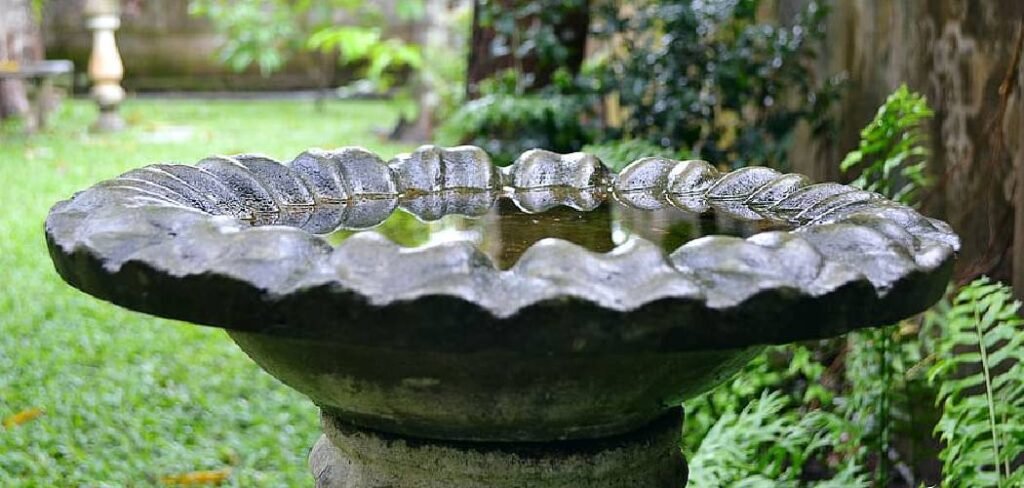
Are you looking for a creative way to use an old bird bath? Learning how to make a succulent garden in a bird bath is a perfect solution! This fun project turns unused bird baths into stunning garden displays. Succulent gardens in bird baths are easy to care for and look amazing all year long. Succulent gardens work great for bird baths because these plants like good drainage. A shallow bowl-shaped bird bath is perfect for succulents. Plus, you can easily move your garden around your yard. This project costs very little money and gives you beautiful results.
Why Choose Succulents for Your Bird Bath Garden?
Succulents are ideal plants for a birdbath garden. They store water in their thick leaves, so they don’t need much watering. These hardy plants can withstand hot sun and cold weather. Many succulents grow slowly, which means your garden will stay neat and tidy. Birdbaths drain well, which succulents love. Too much water can kill these plants, so draining your birdbath helps keep them healthy. You can also create beautiful color combinations with different types of succulents.
10 Effective Methods on How to Make a Succulent Garden in a Bird Bath
Method 1: Basic Drainage Setup
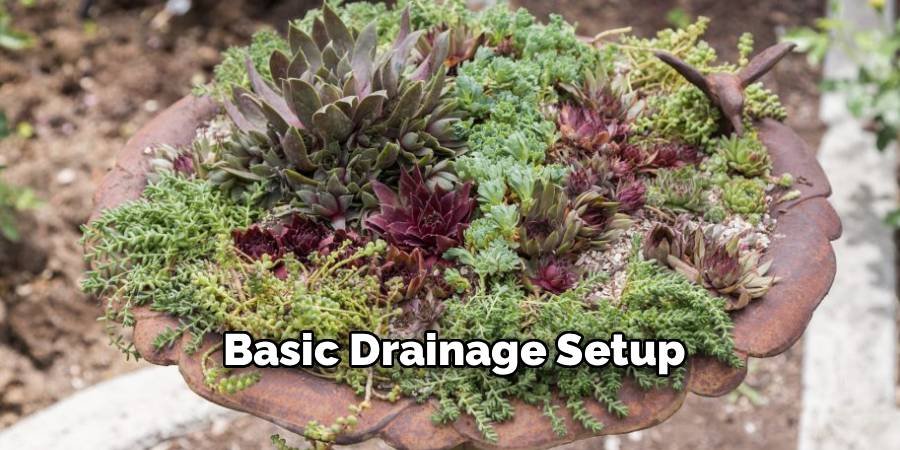
Start with a clean birdbath. Cover the drainage hole with a small mesh or screen. This will let water drain out but keep the soil from washing away. Add a layer of small rocks or gravel at the bottom. This will create better drainage for your succulents. The succulent layer should be about an inch thick. Use pea gravel, small rocks, or broken soil pieces. This step is very important because succulents don’t like to sit in wet soil. Good drainage keeps the roots healthy and prevents rot.
Method 2: Choosing the Right Soil Mix
Use special cactus and succulent soil for your birdbath garden. Regular potting soil holds too much water and can kill plants. You can buy succulent soil from a garden center, or you can make your own mix.
To make your own soil, mix coarse sand and perlite with regular potting soil. Use equal parts of each ingredient. The sand and perlite help water drain quickly. Some people also add small pebbles to the mix for extra drainage.
Method 3: Planning Your Plant Layout
Before planting, arrange your succulents in the pot. This will give you an idea of how they will look together. Place the taller plants in the middle and the shorter plants around the edges. Think about colors and textures that look good together. Consider how big each plant will be. Leave space between the plants so they can spread out. Some succulents grow quickly, while others stay small. Read the plant tags to learn about growth habits and spacing requirements.
Method 4: Proper Planting Technique
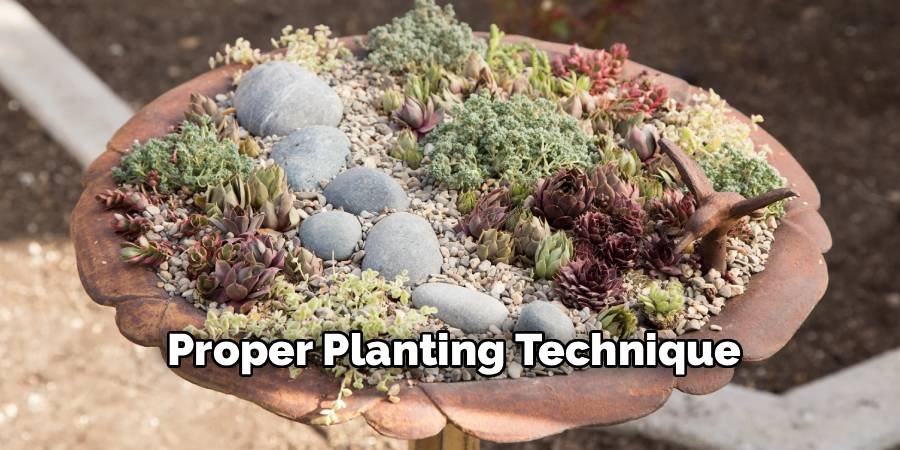
Gently lift the succulents out of the pot. If the roots are tangled at the bottom of the pot, loosen them. Make small holes in the soil mixture and place each plant at the same depth as before. Gently press the soil around each plant. Don’t pack it down too tightly, or it won’t drain well. Keep the soil surface slightly loose so air can reach the roots. Water lightly after planting to help the plants settle in.
Method 5: Creating Height and Interest
Use succulents of different sizes to create an attractive display. Tall plants like aloe or jade plants work well in the middle. Medium-sized plants can span the space in between. Smaller, spreading succulents look great around the edges. You can also add small decorative rocks or pieces of driftwood. These natural decorations make your garden more attractive. Just make sure your plants don’t have too many decorations.
Method 6: Color Coordination
Plan your colors before planting. Green succulents are readily available and always look good. Purple, red, and silver succulents add interesting color to your garden. Yellow and orange varieties can create a warm, sunny display.
Think about colors that look good together. Green and purple work well, as does a combination of silver and red. You can also use all green plants, but choose different shades and textures for variety.
Method 7: Seasonal Plant Selection
Choose succulents that are adapted to your local climate. Some succulents can be left outside year-round, while others need protection from cold weather. Hardy succulents, such as chickens and babies, can survive freezing temperatures.
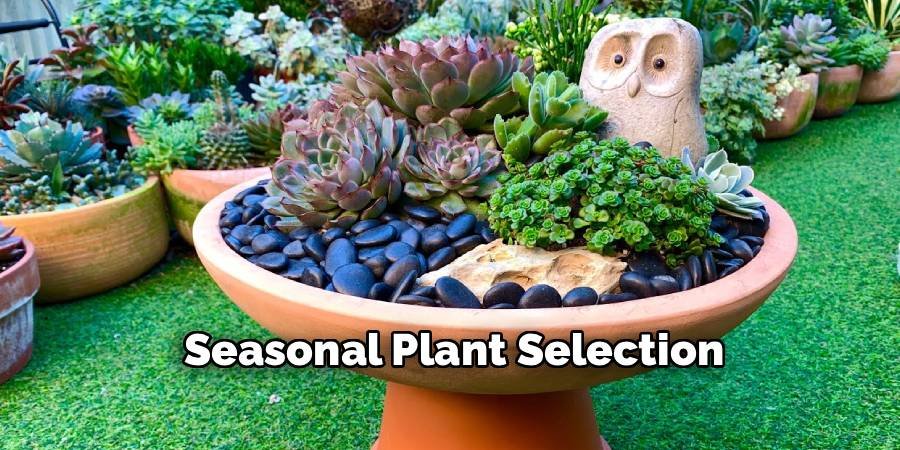
If you live in a place where it gets very cold, you can move your birdbath garden indoors for the winter. Choose plants that grow well indoors, such as jade plants or echeveria. This way, you can enjoy your garden all year round.
Method 8: Proper Spacing Techniques
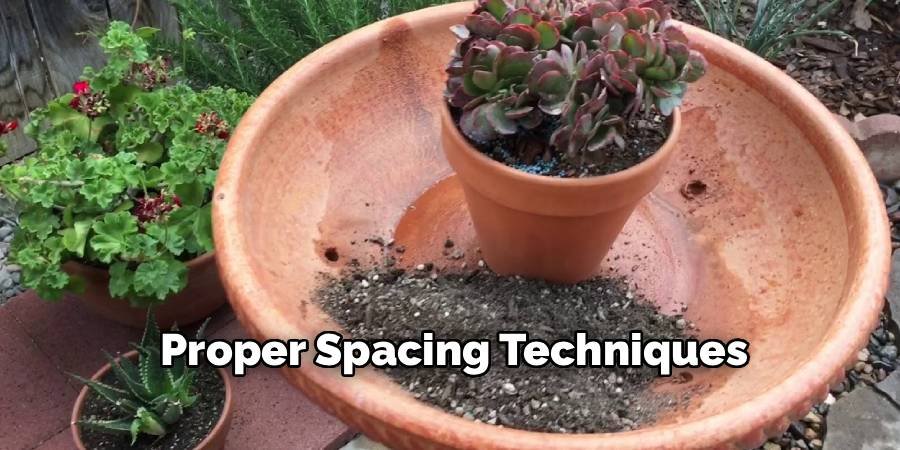
Give your succulents room to grow. Most small succulents need about 2-3 inches of space around them. Larger plants need more space. Crowded plants don’t grow well and are more susceptible to disease. As your plants grow, you may need to remove some plants or move them to larger areas. This is normal and helps to make your garden look nice. You can start a new garden or give them to friends.
Method 9: Adding Decorative Elements
Small decorative rocks, colored glass, or small figurines can make your garden more attractive. Choose decorations that won’t damage your plants or block sunlight. Natural materials usually look best with succulents. Avoid decorations that hold water, such as small bowls or cups. Remember, the goal is to provide drainage in your garden. Heavy decorations can also damage the delicate roots of plants.
Method 10: Maintenance Planning
Create a simple care routine for your succulent garden. Test the soil moisture with your finger in the soil. Water only when the top inch of soil feels dry. Water slowly and deeply, then let the excess water drain away. Remove dead leaves and spent flowers regularly. This keeps your garden looking nice and prevents insect problems. Prune plants that are too big for their space. Most succulents can be easily propagated from cuttings.
Best Succulent Varieties for Bird Bath Gardens
Hens and Chicks (Sempervivum): These hardy succulents form beautiful rosettes and spread to fill in space. They come in a variety of colors and can withstand cold weather.
Jade Plants (Crassula): These thick-leafed plants are easy to grow and can grow quite large. They have a tree-like shape that looks great in the center of a display.
Echeveria: These plants produce perfect roses in a variety of colors. They are not cold-hardy but display beautifully in mild climates.
Sedum: These sprawling succulents come in many varieties. Some form mats, while others grow upright. They are generally very hardy and require little maintenance.
String of Pearls: This delicious flower looks amazing hanging over a birdbath. The round leaves look like green beads.
Caring for Your Bird Bath Succulent Garden
Water your succulent garden only when the soil is dry. This usually means watering once a week in the summer and less frequently in the winter. Water early in the morning so the plants can dry out before evening.
Watch for signs of overwatering, such as soft, yellow leaves or black spots. If you see these signs, stop watering and let the soil dry out completely. Remove any damaged leaves to prevent the problem from spreading. Feed your succulent plants once a month during the growing season with a diluted liquid fertilizer. Use a fertilizer made for cacti and succulents, or dilute regular plant food into four parts.
Common Problems and Solutions
Plants getting too big: Prune large plants or move them to a larger location. Use cuttings to plant new plants.
Plants dying in center: This usually means overwatering or poor drainage. Check your drainage level and water less.
Colors fading: Most succulents need bright light to maintain their color. If possible, move your birdbath to a sunnier location.
Pests: Watch for aphids and mealybugs. Spray the plant with water to remove the pests, or use insecticidal soap for severe problems.
Winter Care Tips
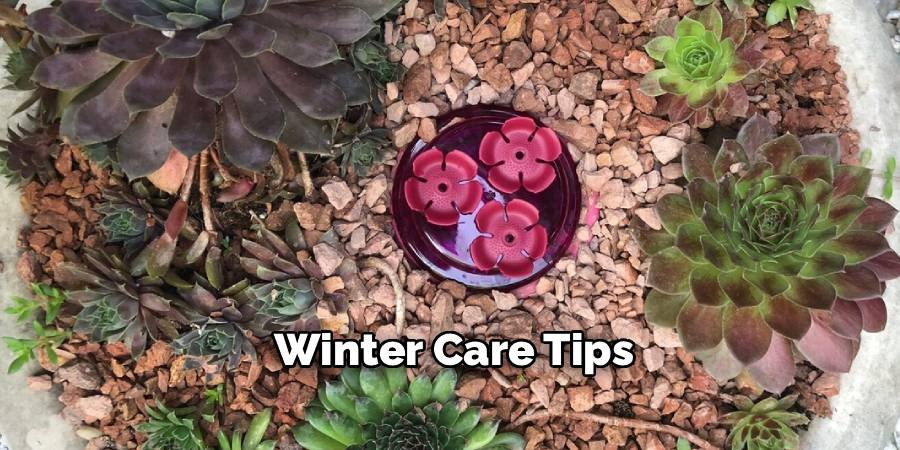
In cold climates, you have several options for winter care. If it’s not too heavy, you can move your entire birdbath indoors. Cover tender plants with frost-proof fabric during the cold season. Or, remove tender plants and plant them as houseplants during the winter. Hardy succulents, such as hens and chicks, can stay outside all winter in most areas. Just make sure the water drains away so it doesn’t freeze around the roots.
Frequently Asked Questions (FAQs)
Q: How often should I water my bird bath succulent garden?
Answer: Water only when the top inch of soil feels dry. This is usually once a week in the summer and less often in the winter. Always test the soil before watering.
Q: Can I use any type of bird bath for succulents?
Answer: Most bird baths work well for succulents. Make sure there is a drainage hole, or dig one if necessary. A shallow bird bath works better than a bird bath that is too deep.
Q: What’s the best soil for bird bath succulent gardens?
Answer: Use a cactus and succulent potting mix, or make your own by mixing equal parts potting soil, course sand, and perlite. Good drainage is essential.
Q: How do I keep my succulent garden looking neat?
Answer: Regularly remove dead leaves, prune plants that get too big, and replace plants that outgrow their space. Clean birdbaths before replanting.
Q: Can I grow succulents in a bird bath year-round?
Answer: It depends on your climate. In mild climates, hardy succulents can be left outside year-round. In colder areas, bring tender plants indoors for the winter.
Conclusion
Learning how to make a succulent garden in a bird bath is a rewarding project that transforms unused bird baths into beautiful garden features. These low-maintenance gardens provide year-round interest with minimal care requirements. By following the ten effective methods outlined above, you can create a stunning succulent display that will enhance any outdoor space.
The keys to success are proper drainage, selecting plants suitable for your climate, and maintaining an easy care routine. Whether you are a novice gardener or an experienced plant lover, a bird bath succulent garden offers endless possibilities for creativity and enjoyment. With proper planning and care, your succulent garden will thrive and add beauty to your landscape for years to come. Start your bird bath succulent garden project today and discover the joy of growing these amazing plants in a unique and practical way.

About Ravuk Barg
B.Sc. Horticulture Science | Certified Master Gardener
Ravuk Barg has spent more than a decade with his hands in the soil and his head full of questions about why some gardens thrive while others struggle. What started as a single raised bed of tomatoes and basil in a modest backyard has grown into a deep, working knowledge of everything from seed germination and soil amendment to companion planting and seasonal pruning.
Over the years, Ravuk has gardened through drought summers, waterlogged springs, and pest invasions that would make most gardeners hang up their trowels for good. Those hard seasons, he’ll tell you, taught him more than any perfect growing year ever could. He writes from that earned experience—covering vegetable growing, ornamental planting, houseplant care, composting, and garden design with equal confidence and curiosity.
Philosophy & Approach
Ravuk’s approach to gardening is rooted in practicality. He favors organic methods not out of dogma, but because they work long-term—resulting in healthier soil, fewer inputs, and stronger plants. He has a particular fondness for heirloom vegetable varieties (the kind with proper flavor), unruly cottage-style flower beds, and the stubborn houseplants that everyone else gave up on.
The Mission: Give readers the honest, experience-backed advice that helps them actually succeed in their gardens—not just the ideal version, but the real one; weeds, failures, and all.
Education & Credentials
-
B.Sc. in Horticulture Science
-
Greenfield Agricultural University
-
Focus: Plant Physiology, Soil Ecology, and Sustainable Crop Production
-
-
Master Gardener Certification
-
Cooperative Extension Service
-
Focus: 200+ hours of hands-on practical training and community garden work
-
Continuing Education
-
Organic Pest Management
-
Native Plant Landscaping
-
Sustainable Crop Production