

Knowing how to maintain greenhouse temperature is essential for any gardener aiming to create an optimal growing environment. Temperature consistency enables plants to thrive, encourages proper photosynthesis, and protects crops from environmental stress. Inside a greenhouse, you essentially control nature, recreating the conditions your plants need to flourish.

An unstable temperature can result in stunted growth, poor yield, and vulnerability to pests or diseases. Warm-season plants may struggle during cool nights, while cool-weather crops may wilt under excessive heat. Luckily, with the right techniques and tools, you can manage these variables effectively and confidently. This guide will walk you through dependable methods to stabilize your greenhouse temperature and boost plant health, regardless of season or weather.
Why You Need to Maintain Greenhouse Temperature
Plants are highly sensitive to fluctuations in temperature. Sudden extremes—whether too hot or too cold—can cause stress, slow down growth, and even kill delicate crops. A controlled temperature ensures plants maintain their natural growth cycles, enabling higher productivity and sturdier development.
When the temperature is well-regulated, it also creates a harmonious environment for beneficial insects, soil microbes, and other factors that support plant health. By avoiding common problems like overheating during summer or frost damage in winter, you ensure your greenhouse remains a thriving, productive space all year round.
10 Methods Guide on How to Maintain Greenhouse Temperature
1. Insulate Your Greenhouse
Insulation is crucial for preserving warmth during cooler months and minimizing heat loss at night. Bubble wrap is one of the most affordable and commonly used materials for lining greenhouse walls. It creates an extra layer between your plants and the outside environment, trapping heat from the sun and keeping it inside the structure.
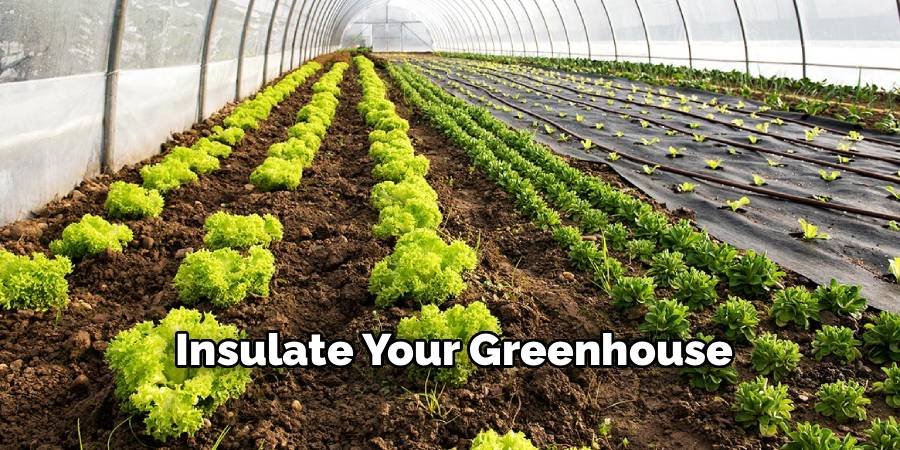
Natural insulation options such as thermal blankets or heavy-duty plastic sheets can also help regulate internal temperatures. For regions with harsh winters, consider double-glazing your panels to improve heat retention. While insulation keeps temperatures steady in winter, it is equally important to combine it with ventilation to prevent overheating when the sun’s rays are stronger.
2. Install Ventilation Systems
Proper airflow is the backbone of temperature control in a greenhouse. Ventilation systems, such as roof vents and sidewall louvers, allow for circulation that prevents heat buildup. During scorching summer days, manually adjusting vents or installing automatic vent openers ensures temperatures stay optimal for plant growth.
Strategic placement of vents encourages hot air to escape through the top while pulling in cooler fresh air from below. For larger greenhouses, exhaust fans may be necessary to handle significant airflow demands. No matter the method, creating movement within the greenhouse is key to balanced temperatures.
3. Utilize Shade Cloth
Direct sunlight can quickly spike greenhouse temperatures, especially in hotter regions or during summer months. Shade cloths reduce the intensity of sunlight that enters your greenhouse, keeping plants cooler. These lightweight fabrics come in varying densities, allowing you to control the amount of shade provided.
Attach cloths directly above plants or to the external framework of the greenhouse to provide relief from harsh UV rays. Combining shading with proper watering techniques will amplify plant protection during prolonged heatwaves.
4. Employ Heating Solutions
Heating systems are a lifesaver during winter when outside temperatures plummet. Electric heaters, propane-fueled units, or paraffin heaters are all dependable options for adding supplemental warmth to your greenhouse. When choosing a heater, go for models with built-in thermostats for precise temperature control.
For smaller setups, heat mats placed under seed trays or pots can provide targeted warmth for frost-sensitive plants. Always monitor your heater output to ensure even heat distribution and avoid hot or cold spots within the greenhouse.
5. Adopt Thermal Mass
Thermal mass refers to materials like water barrels, stone walls, or concrete flooring that absorb heat during the day and release it back at night. This passive heating method stabilizes greenhouse temperatures and reduces reliance on artificial heat sources.
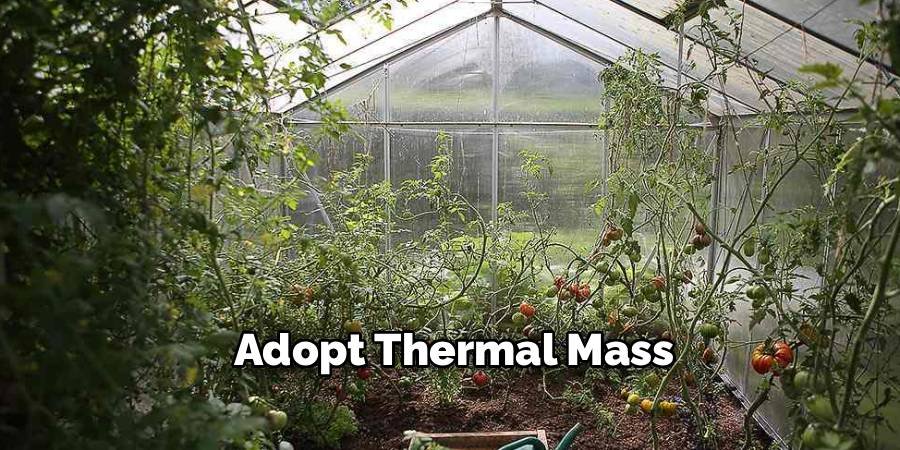
Place water barrels painted black inside your greenhouse. During sunny hours, the water captures solar energy, slowly radiating it overnight when temperatures drop. Incorporating thermal mass ensures better temperature consistency while lowering energy costs during colder months.
6. Invest in Humidity Control
Temperature and humidity are interconnected in a greenhouse. High humidity can trap heat, leading to overheating, while overly dry air may stress plants. Installing a hygrometer helps you measure moisture levels and adjust accordingly. Techniques such as misting or utilizing humidifiers maintain balance.
Dehumidifiers can be used during the winter when stagnant moisture might foster mold or mildew growth. Pair this with ventilation to create an optimal level of humidity without impacting temperature stability.
7. Automate Climate Control
Modern greenhouses often rely on automated climate control systems, which integrate heating, cooling, and ventilation into a unified operation. Programmable thermostats and sensors work together to keep temperatures and humidity at targeted levels, removing the guesswork from manual adjustments.
While initial installation may carry some cost, automation is highly efficient in maintaining consistent greenhouse environments, saving time and energy in the long run.
8. Use Reflective Surfaces
Reflective surfaces enhance light distribution throughout your greenhouse, indirectly affecting temperature regulation. By bouncing sunlight around the structure, reflective materials ensure plants receive uniform exposure while preventing overheating in concentrated areas.
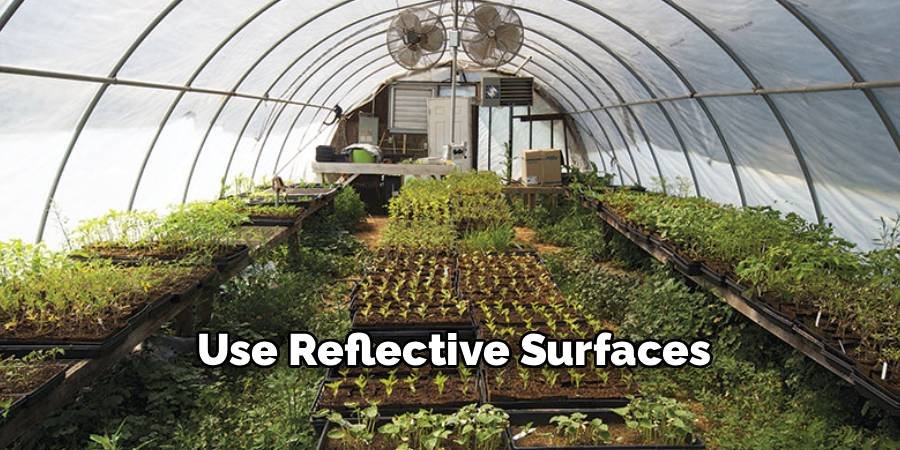
Foil insulation tapes, white-painted surfaces, or UV-reflective mulches are practical tools for maximizing light and reducing the risk of hot spots. Combined with proper shading, these reflective elements make out-of-control temperature swings a thing of the past.
9. Optimize Greenhouse Design
Greenhouse shape and orientation greatly influence its thermal efficiency. For colder climates, a dome-shaped or quonset-style structure retains heat better. Position the greenhouse so its long side faces south to maximize sunlight exposure during the day.
Ensure tight seals between panels and doors to keep drafts at bay. Replacing cracked or aging materials also contributes to improving your greenhouse’s thermal performance over time.
10. Leverage Fans to Distribute Airflow
Fans help distribute warm and cool air consistently across your greenhouse. Circulating fans near the ceiling can push trapped hot air downward, eliminating temperature differences across various zones.
Fans can also work in conjunction with ventilation systems to stabilize internal conditions quickly. Installing fans at multiple levels ensures comprehensive airflow and helps curb humidity buildup.
Plant Strategically Within Zones
Certain plants are naturally more heat- or cold-tolerant than others. Grouping plants with similar temperature requirements within specific zones inside your greenhouse simplifies temperature management.
For example, frost-hardy crops like kale or lettuce can thrive closer to vents while temperature-sensitive tropical plants stay safer in the greenhouse’s center. Strategic planting ensures consistent care without overtaxing your systems.
Monitor Temperatures Religiously
At the heart of all these methods lies vigilant temperature monitoring. Using a reliable thermometer or digital controller with memory functions, track fluctuations around the clock. This step ensures issues are caught early, avoiding plant stress long before it becomes noticeable.
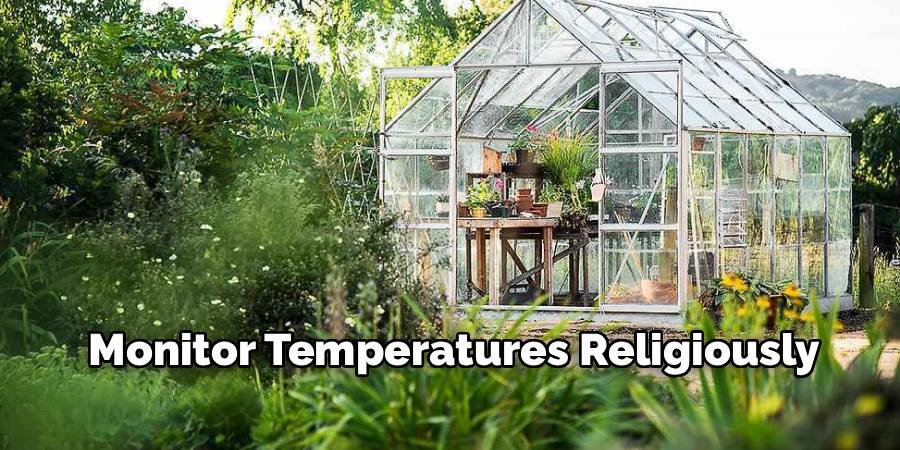
High-end monitoring systems even send alerts to your device, giving you control no matter where you are. Monitoring tools are particularly helpful during seasons of rapid weather changes when adjustments need to be made instantly.
Maintaining Your Greenhouse Temperature
Regular maintenance is the backbone of temperature stability. Check your equipment, such as heaters, vents, and fans, for signs of wear or malfunction. Replace insulation materials seasonally to ensure maximum efficiency.
Adopting a habit of daily monitoring and quick adjustments will prevent small issues from escalating. Over time, consistent maintenance leads to better growth cycles and fewer temperature-related setbacks.
Common Mistakes to Avoid
Oversights like relying on one method too heavily can jeopardize your greenhouse environment. For instance, using a heater without proper ventilation risks overheating during sunny days. Similarly, failing to adjust methods seasonally results in wasted energy.
Neglecting regular checks for system failures, drafts, or poor airflow compounds problems. Be proactive by combining multiple techniques for foolproof temperature regulation.
FAQ
How often should I check my greenhouse temperature?
It’s recommended to monitor greenhouse temperatures twice a day—once in the morning and then again late afternoon—to catch early fluctuations.
What’s the ideal temperature range for most plants?
Most plants thrive between 65°F and 75°F, but specific crops may require adjustments. Always tailor the temperature to your plant selection.
Can I rely only on fans for cooling a greenhouse?
Fans help, but effective cooling often requires combining fans with shading or ventilation. This synergy works better in extreme summer heat.
Are electric heaters safe for greenhouses?
Yes, but ensure they’re rated for outdoor or greenhouse use. Position heaters away from flammable materials for safety.
What’s the best material for insulation?
Bubble wrap is a cost-effective and popular choice due to its ease of use and efficiency. Other materials like double-glazing are suitable for severe climates.
Conclusion
Learning how to maintain greenhouse temperature begins with understanding the importance of control and balance. By incorporating methods like insulation, ventilation, and thermal mass, you can create an ideal environment for your plants to flourish year-round. With care and consistent adjustments, your greenhouse will become a thriving hub of plant growth. Your garden, and the fruits of your labor, will thrive every season.
To ensure long-term success, it’s crucial to regularly monitor the conditions inside your greenhouse. Investing in tools like thermometers, hygrometers, and soil moisture meters can provide valuable insights into the environment. Regularly checking these metrics allows you to make timely adjustments, preventing potential issues such as overheating, excessive humidity, or dryness. By staying attentive to these details, you create a stable habitat that supports the health and growth of your plants, no matter the season.

About Ravuk Barg
B.Sc. Horticulture Science | Certified Master Gardener
Ravuk Barg has spent more than a decade with his hands in the soil and his head full of questions about why some gardens thrive while others struggle. What started as a single raised bed of tomatoes and basil in a modest backyard has grown into a deep, working knowledge of everything from seed germination and soil amendment to companion planting and seasonal pruning.
Over the years, Ravuk has gardened through drought summers, waterlogged springs, and pest invasions that would make most gardeners hang up their trowels for good. Those hard seasons, he’ll tell you, taught him more than any perfect growing year ever could. He writes from that earned experience—covering vegetable growing, ornamental planting, houseplant care, composting, and garden design with equal confidence and curiosity.
Philosophy & Approach
Ravuk’s approach to gardening is rooted in practicality. He favors organic methods not out of dogma, but because they work long-term—resulting in healthier soil, fewer inputs, and stronger plants. He has a particular fondness for heirloom vegetable varieties (the kind with proper flavor), unruly cottage-style flower beds, and the stubborn houseplants that everyone else gave up on.
The Mission: Give readers the honest, experience-backed advice that helps them actually succeed in their gardens—not just the ideal version, but the real one; weeds, failures, and all.
Education & Credentials
-
B.Sc. in Horticulture Science
-
Greenfield Agricultural University
-
Focus: Plant Physiology, Soil Ecology, and Sustainable Crop Production
-
-
Master Gardener Certification
-
Cooperative Extension Service
-
Focus: 200+ hours of hands-on practical training and community garden work
-
Continuing Education
-
Organic Pest Management
-
Native Plant Landscaping
-
Sustainable Crop Production