

Discovering tiny, destructive caterpillars feasting on your prized petunias, geraniums, or even tobacco plants can be disheartening for any gardener. These pests, known as budworms, are the larvae of certain moth species and have a voracious appetite for flower buds and tender leaves. Their feeding habits can quickly turn a beautiful bloom into a ragged mess, stunting plant growth and ruining your garden’s aesthetic.
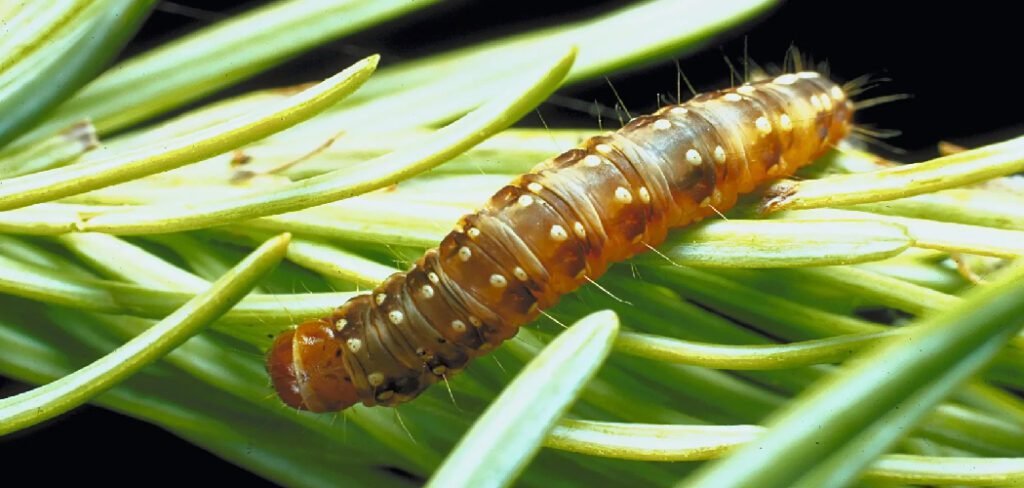
Fortunately, there are effective methods to manage these pests. This guide will provide you with a clear, step-by-step approach on how to kill budworms and protect your plants, ensuring your garden remains vibrant and healthy throughout the season.
Why Controlling Budworms Is Essential
Budworms are more than just a minor nuisance; they pose a significant threat to the health and beauty of your garden. These caterpillars directly attack the most delicate and vital parts of a plant—the buds. By burrowing into and consuming unopened flowers, they prevent your plants from ever reaching their full blooming potential.
This damage not only looks unsightly but also weakens the plant, making it more susceptible to other diseases and stressors. For gardeners who take pride in their colorful displays, an unchecked budworm infestation can mean a season of disappointment with few, if any, healthy flowers. Swift action is key to preserving your garden’s vitality.
8 Step-by-Step Guide on How to Kill Budworms
Step 1: Early Identification of Budworm Activity
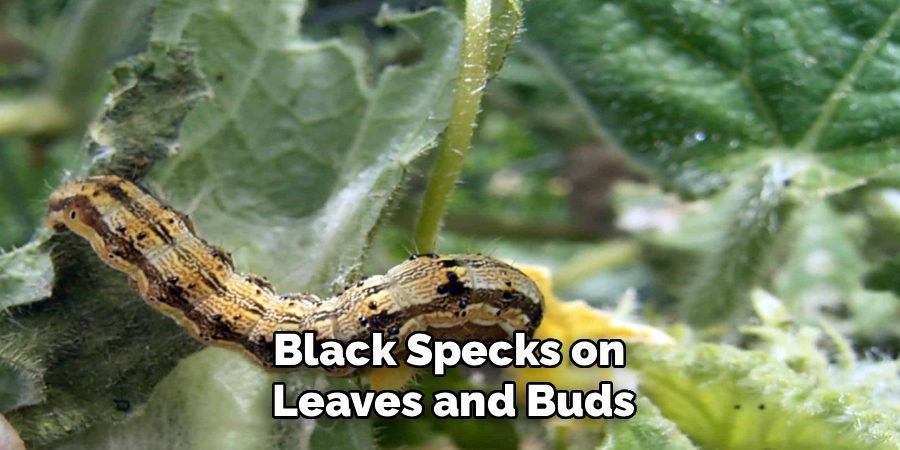
The first line of defense is spotting an infestation before it gets out of control. Look for small, black specks on leaves and buds, which are the droppings (frass) left by the caterpillars. You may also notice tiny holes chewed into flower buds or petals. The worms themselves are small, ranging from yellowish-green to reddish-brown, and can be found nestled inside the buds or on the undersides of leaves. Regular inspection, especially in the late afternoon or early morning when they are most active, is crucial for early detection and successful treatment.
Step 2: Handpick the Caterpillars
For small-scale infestations, manual removal is a surprisingly effective and organic method. Put on a pair of gardening gloves and carefully inspect your affected plants. When you find a budworm, simply pick it off and drop it into a bucket of soapy water. This method is entirely chemical-free and prevents any harm to beneficial insects in your garden. While it can be time-consuming, handpicking is a great initial step to immediately reduce the pest population and is particularly well-suited for gardeners with a small number of plants.
Step 3: Introduce Beneficial Insects
Nature has its own pest control solutions. You can introduce beneficial insects that prey on budworms and their eggs. Ladybugs, lacewings, and certain types of predatory wasps are natural enemies of these caterpillars. You can purchase these insects from garden supply stores or online and release them into your garden. Creating a welcoming habitat for them by planting a diversity of flowers like dill, fennel, and yarrow will also encourage them to stick around and help keep your garden’s ecosystem balanced and naturally pest-free over the long term.
Step 4: Use Bacillus thuringiensis (Bt)
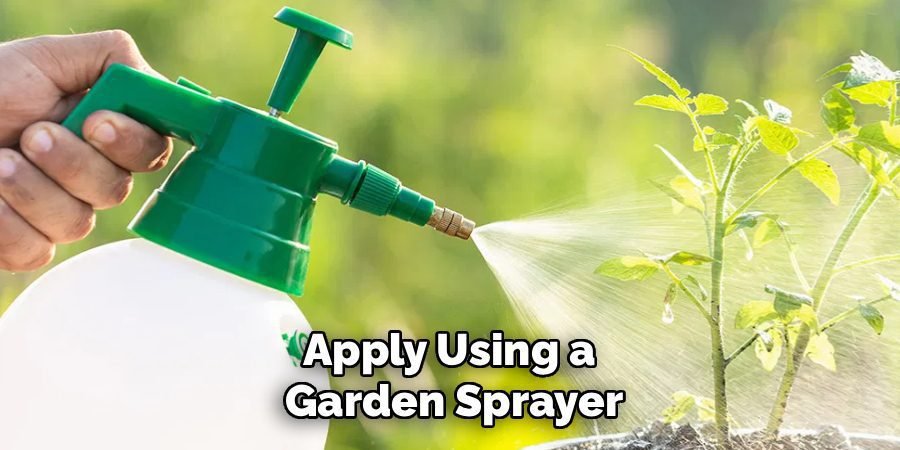
Bacillus thuringiensis, commonly known as Bt, is a microbial insecticide that is highly effective against caterpillars but safe for people, pets, and beneficial insects. Bt is a naturally occurring soil bacterium that, when ingested by a budworm, damages its digestive system, causing it to stop feeding and die within a few days. It is available as a liquid concentrate or a powder that you mix with water and apply using a garden sprayer. Be sure to thoroughly coat all plant surfaces, especially the buds and undersides of leaves where budworms hide.
Step 5: Apply Spinosad-Based Sprays
Spinosad is another excellent organic insecticide derived from a soil bacterium. It works on contact and through ingestion, affecting the pest’s nervous system. It is effective against a wide range of pests, including budworms, and has a lower impact on many beneficial insects compared to broader-spectrum chemical pesticides. Apply it according to the product’s label instructions, typically in the late evening to avoid harming pollinators like bees, which are less active at that time. This is a powerful tool in your arsenal for learning how to kill budworms effectively.
Step 6: Consider Neem Oil for Control
Neem oil is a versatile, all-natural horticultural oil that acts as a repellent, feeding deterrent, and growth regulator for many garden pests. While it may not kill budworms on contact as quickly as other insecticides, it disrupts their life cycle. When a budworm ingests neem oil, it interferes with its hormones, preventing it from molting and maturing. Regular application of a diluted neem oil solution every 7 to 14 days can help manage populations and deter adult moths from laying eggs on your plants in the first place.
Step 7: Prune and Dispose of Damaged Areas
Once you have treated your plants, it is important to remove any heavily infested or severely damaged parts. Prune away any buds, flowers, or leaves that show significant signs of chewing. This not only improves the plant’s appearance but also removes any remaining eggs or hidden larvae that you may have missed during treatment. Be sure to dispose of the pruned material in a sealed bag in the trash—do not add it to your compost pile, as the pests could survive and re-infest your garden later.
Step 8: Set Up Pheromone Traps for Moths
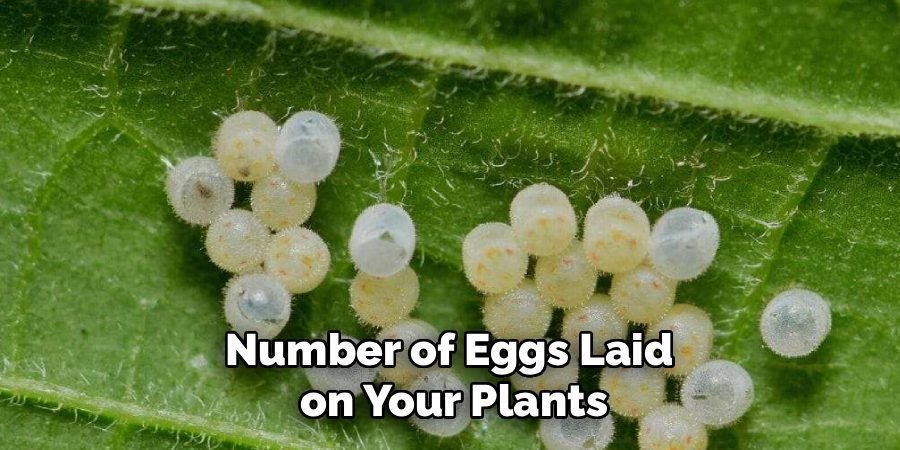
To prevent future generations of budworms, you can target the adult moths. Pheromone traps lure and capture male moths by releasing a scent that mimics the female’s mating pheromone. By trapping the males, you disrupt the breeding cycle and reduce the number of eggs laid on your plants. Place these traps around the perimeter of your garden in early spring before the moths become active. This proactive measure is a key part of an integrated pest management strategy and helps you stay ahead of potential infestations.
Monitor and Evaluate Progress
Regularly inspect your garden to monitor the effectiveness of your pest control efforts. Look for signs of budworm activity, such as chewed leaves, damaged flower buds, or the presence of larvae. Keep track of any changes in pest population and adjust your management strategies as needed. Consistent evaluation helps ensure your approach remains effective and allows you to respond promptly to new infestations. By staying vigilant, you can protect your plants and maintain a healthy, thriving garden.
Frequently Asked Questions (FAQ)
What Time of Day Are Budworms Most Active?
Budworms are most active during the cooler parts of the day. You are most likely to find them feeding in the early morning, just after sunrise, or in the late afternoon and evening as the sun begins to set. They tend to hide from the intense midday heat. Inspecting your plants and applying treatments during these times will increase your chances of finding the pests and ensuring the effectiveness of your control methods.
Are Budworms the Same as Cabbage Worms?
No, they are different pests, though they are both caterpillar larvae. Budworms are the larvae of certain moth species and primarily attack the buds and flowers of ornamental plants like petunias and geraniums. Cabbage worms, on the other hand, are typically the larvae of the Cabbage White butterfly and specialize in feeding on plants in the brassica family, such as cabbage, broccoli, and kale, primarily targeting the leaves.
Can Budworms Survive the Winter?
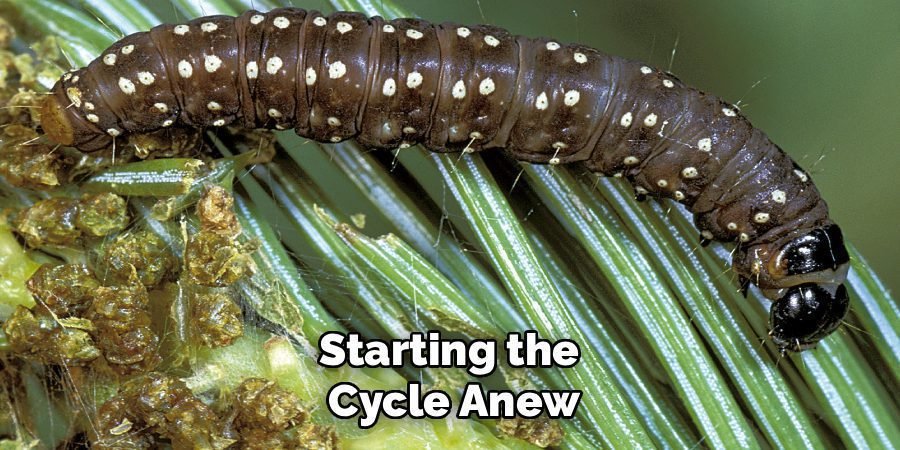
Yes, budworms can survive the winter, which is why infestations can recur year after year. They typically overwinter in the pupal stage, buried in the soil or hidden in garden debris near the base of host plants. When spring arrives and temperatures rise, the adult moths emerge from these pupae to mate and lay eggs, starting the cycle anew. Tilling your garden soil in the fall can help expose these pupae to predators and harsh weather.
Will Dish Soap Kill Budworms?
A simple solution of dish soap and water can be a helpful deterrent and may kill some budworms on contact. The soap helps break down the caterpillar’s protective outer layer. However, it is generally less effective than targeted insecticides like Bt or spinosad, especially for larger infestations. A soap spray is best used as a supplementary method or for very minor pest problems. Be sure to use a pure soap without degreasers or bleach to avoid harming your plants.
How Do I Prevent Budworms from Coming Back Next Year?
Prevention is key to long-term control. Start by cleaning up your garden thoroughly in the fall, removing all dead plant matter and debris where pupae can overwinter. Tilling the soil can also help destroy overwintering pupae. In the spring, consider using pheromone traps to capture adult moths before they lay eggs. Encouraging beneficial insects by planting a diverse garden will also help create a natural defense system against future infestations.
Conclusion
Dealing with a budworm infestation can be a challenge, but it is a battle you can win. By combining diligent observation with a multi-pronged approach that includes handpicking, encouraging beneficial insects, and using targeted organic treatments like Bt and spinosad, you can successfully protect your plants. Remember to stay consistent with your efforts and clean up your garden at the end of the season to prevent their return. Now that you have learned how to kill budworms, you are equipped with the knowledge to keep your garden thriving and full of beautiful, pest-free blooms.

About Ravuk Barg
B.Sc. Horticulture Science | Certified Master Gardener
Ravuk Barg has spent more than a decade with his hands in the soil and his head full of questions about why some gardens thrive while others struggle. What started as a single raised bed of tomatoes and basil in a modest backyard has grown into a deep, working knowledge of everything from seed germination and soil amendment to companion planting and seasonal pruning.
Over the years, Ravuk has gardened through drought summers, waterlogged springs, and pest invasions that would make most gardeners hang up their trowels for good. Those hard seasons, he’ll tell you, taught him more than any perfect growing year ever could. He writes from that earned experience—covering vegetable growing, ornamental planting, houseplant care, composting, and garden design with equal confidence and curiosity.
Philosophy & Approach
Ravuk’s approach to gardening is rooted in practicality. He favors organic methods not out of dogma, but because they work long-term—resulting in healthier soil, fewer inputs, and stronger plants. He has a particular fondness for heirloom vegetable varieties (the kind with proper flavor), unruly cottage-style flower beds, and the stubborn houseplants that everyone else gave up on.
The Mission: Give readers the honest, experience-backed advice that helps them actually succeed in their gardens—not just the ideal version, but the real one; weeds, failures, and all.
Education & Credentials
-
B.Sc. in Horticulture Science
-
Greenfield Agricultural University
-
Focus: Plant Physiology, Soil Ecology, and Sustainable Crop Production
-
-
Master Gardener Certification
-
Cooperative Extension Service
-
Focus: 200+ hours of hands-on practical training and community garden work
-
Continuing Education
-
Organic Pest Management
-
Native Plant Landscaping
-
Sustainable Crop Production