

Discovering your yard has been torn up overnight can be a frustrating and disheartening experience, especially for gardeners who have invested time and effort into their landscape. Often, the culprits behind this widespread destruction are wild hogs. These powerful animals are notorious for rooting through lawns, gardens, and fields in search of food, causing significant damage in a short amount of time. If you’re wondering how to keep wild hogs out of your yard, you’ve come to the right place. This guide will provide you with practical, effective strategies to protect your property and deter these persistent intruders for good.
Why Keeping Wild Hogs Out Matters
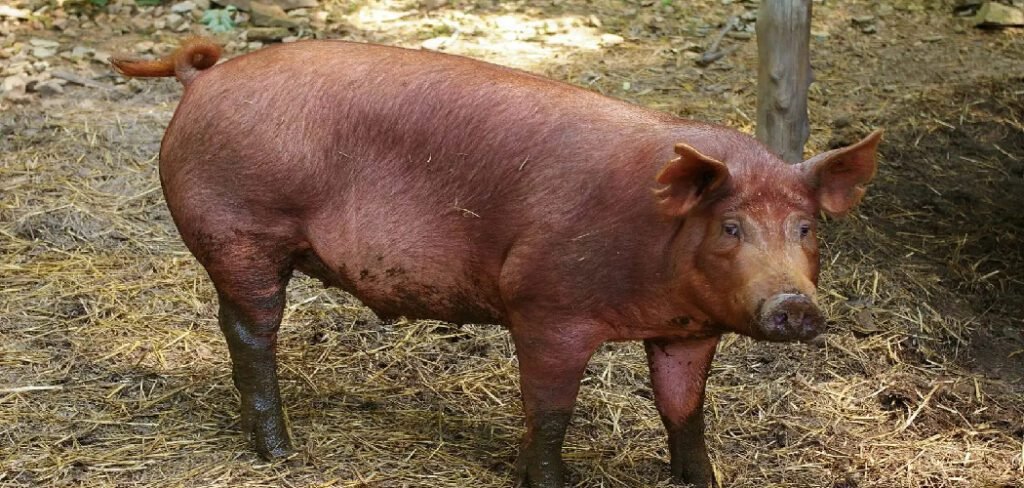
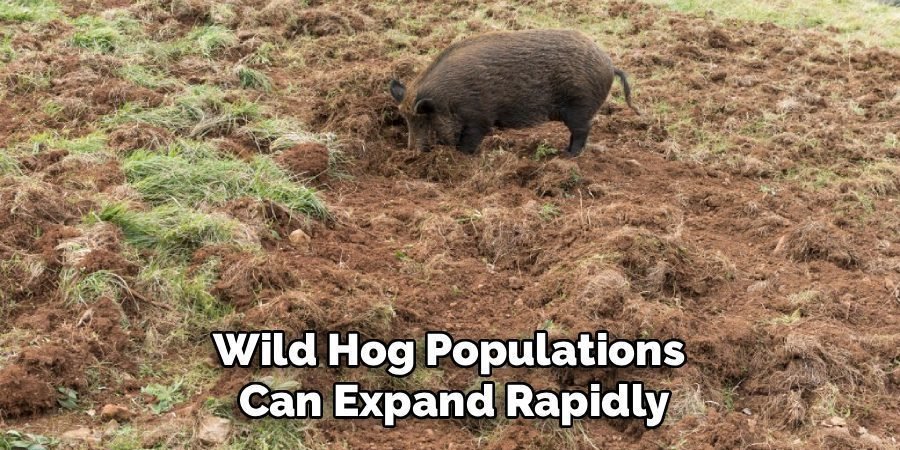
Wild hogs, also known as feral pigs, are more than just a simple nuisance; they pose a serious threat to property, agriculture, and even local ecosystems. Their rooting behavior, where they use their snouts to dig for roots, grubs, and tubers, can completely destroy a lawn or garden in a single night.
This not only ruins the aesthetic of your yard but can also kill valuable plants and disrupt soil structure. Furthermore, wild hogs can carry diseases that are transmissible to both pets and humans, and their aggressive nature can make them a danger to anyone who accidentally corners them. Taking proactive steps to secure your yard is essential for protecting your landscape, your family, and your pets from these destructive animals.
8 Step-by-Step Guide on How to Keep Wild Hogs Out of Your Yard
Step 1: Remove All Potential Food Sources
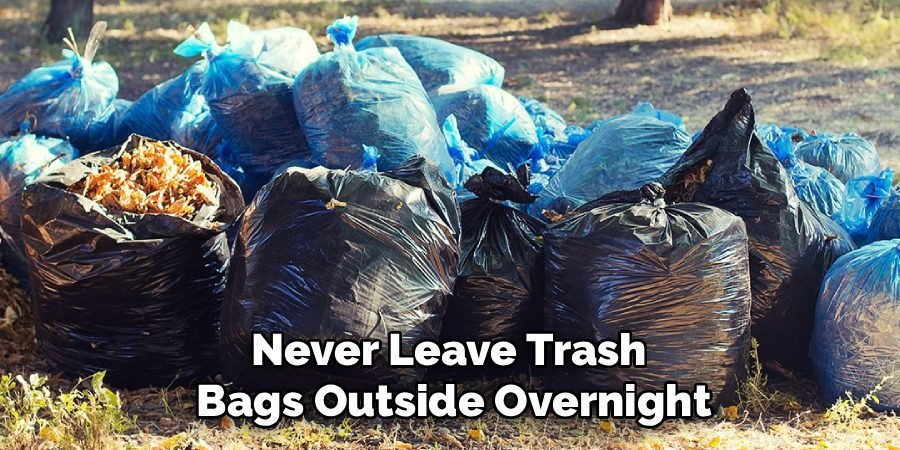
The primary reason wild hogs enter a yard is to find food. These animals are opportunistic omnivores and will eat almost anything. To make your property less attractive, start by eliminating any accessible food sources. Secure your garbage cans with tight-fitting, locking lids, and never leave trash bags outside overnight. If you have fruit trees, be diligent about picking up any fallen fruit. Similarly, if you feed your pets outdoors, bring their food and water bowls inside each evening. This simple cleanup can significantly reduce the appeal of your yard.
Step 2: Reinforce Your Fencing
A sturdy fence is one of the most effective physical barriers against wild hogs. However, not just any fence will do. Hogs are strong and can easily push through weak structures. Your best option is a heavy-duty wire mesh or woven wire fence that is at least four feet high. The key is to secure the bottom of the fence tightly to the ground, as hogs are excellent at lifting fences and crawling underneath. You can bury the fence six to twelve inches deep or install a wire apron along the base to prevent them from digging under it.
Step 3: Install an Electric Fence for a Stronger Deterrent
For persistent hogs, an electric fence can provide an extra layer of protection. A low-impedance charger that delivers a sharp but safe shock is highly effective at teaching hogs to stay away. Install several strands of electric wire, starting low to the ground. The first strand should be about six inches high to prevent them from slipping under, with subsequent strands placed at 12, 20, and 30 inches. This setup is crucial for learning how to keep wild hogs out of your yard permanently, as the shock creates a strong negative association with your property line.
Step 4: Use Motion-Activated Sprinklers and Lights
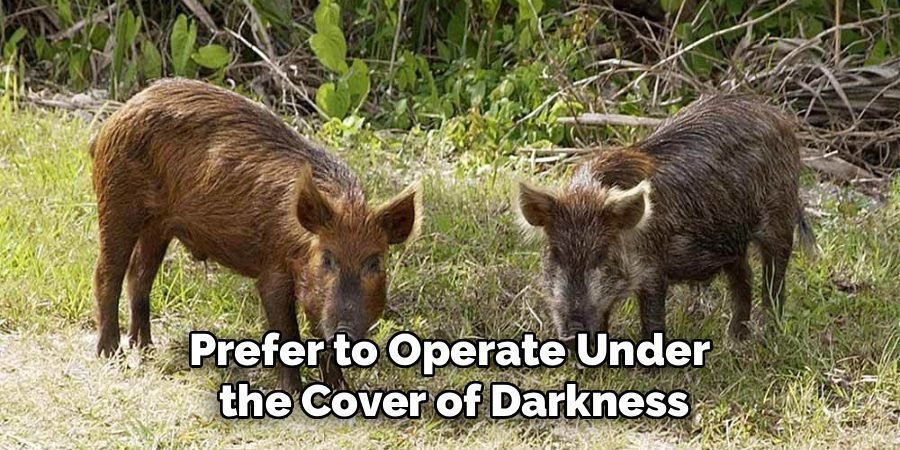
Wild hogs are generally nocturnal and prefer to operate under the cover of darkness. You can disrupt their comfort by installing motion-activated devices. A sudden spray of water from a sprinkler or a bright floodlight can startle the animals and cause them to flee. Place these devices in areas where you’ve noticed hog activity or along likely entry points to your yard. While this method may not be a complete solution on its own, it serves as an excellent supplementary deterrent that makes your yard an unpredictable and unpleasant place for them to visit.
Step 5: Apply Commercial Hog Repellents
Several commercial repellents are designed specifically to deter wild hogs. These products often use strong, unpleasant scents or tastes derived from ingredients like predator urine or capsaicin (the compound that makes chili peppers hot). Apply these repellents around the perimeter of your yard, focusing on garden beds and other high-value areas. Be sure to follow the manufacturer’s instructions for application and reapplication, especially after heavy rain, to maintain their effectiveness. These repellents can help create a scent barrier that signals danger to approaching hogs.
Step 6: Try Natural Scent Deterrents
If you prefer a more natural approach, certain strong smells are known to repel hogs. Some homeowners have found success by scattering human hair clippings from a barbershop around the perimeter of their property. Others use soap with a strong scent, like Irish Spring, by hanging bars from fences or stakes. The theory is that these unfamiliar, strong odors make the hogs wary and unwilling to enter the area. While not scientifically proven, these DIY methods are inexpensive and worth trying as part of a larger defensive strategy.
Step 7: Clear Away Thick Brush and Overgrowth
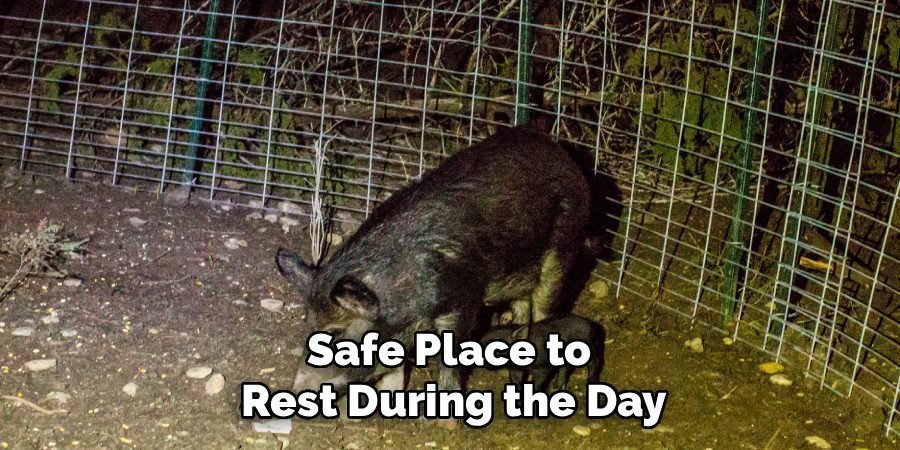
Hogs are drawn to areas with dense vegetation, which provides them with cover and a safe place to rest during the day. By clearing away thick brush, tall grass, and overgrown areas around your yard, you remove potential hiding spots. This makes your property feel more open and exposed, which can make hogs feel vulnerable and less likely to linger. A well-maintained perimeter not only improves the look of your property but also acts as a practical deterrent by eliminating the habitat that these animals seek.
Step 8: Contact a Professional for Trapping and Removal
If you have a severe and persistent hog problem, it may be time to call in professionals. Wildlife removal experts have the knowledge, experience, and equipment to safely and humanely trap and remove wild hogs from your property. This is often the most effective solution for dealing with an established group of hogs, also known as a sounder. A professional can also provide advice on long-term prevention strategies tailored specifically to your property, ensuring the problem doesn’t return once the current hogs are removed.
Monitor and Maintain Your Property
Once the wild hogs have been removed, it is essential to remain vigilant and proactive to prevent their return. Regularly inspect your property for signs of hog activity, such as tracks, droppings, or damage to vegetation. Repair any gaps in fencing or barriers promptly, and consider maintaining deterrents such as motion-activated lights or noise devices. Monitoring your land consistently ensures that you can address any new signs of hog presence before they become a significant issue. Prevention and upkeep are key to protecting your property in the long term.
Common Mistakes to Avoid
When dealing with wild hogs, certain missteps can inadvertently exacerbate the problem. One common mistake is underestimating the scale of the issue and delaying action. Wild hog populations can expand rapidly, so prompt response to early signs of their presence is crucial. Another error is failing to address attractants such as unsecured food sources or water.
Additionally, relying solely on fencing without regular maintenance can lead to vulnerabilities in your defenses. Lastly, attempting to handle hog removal without the expertise or proper tools can pose safety risks and may be ineffective. Avoiding these mistakes can significantly enhance the success of your management efforts.
Frequently Asked Questions (FAQ)
What Kind of Damage Do Wild Hogs Cause?
Wild hogs cause extensive damage primarily through their rooting behavior. They use their strong snouts to dig up lawns, gardens, and agricultural fields in search of food like roots, grubs, and worms. This can leave behind large patches of upturned soil, destroy landscaping, and kill plants. They can also create wallows in wet areas, which are muddy pits that further damage the terrain. Additionally, they can damage fences, irrigation systems, and other property as they forage.
Are Wild Hogs Dangerous to People or Pets?
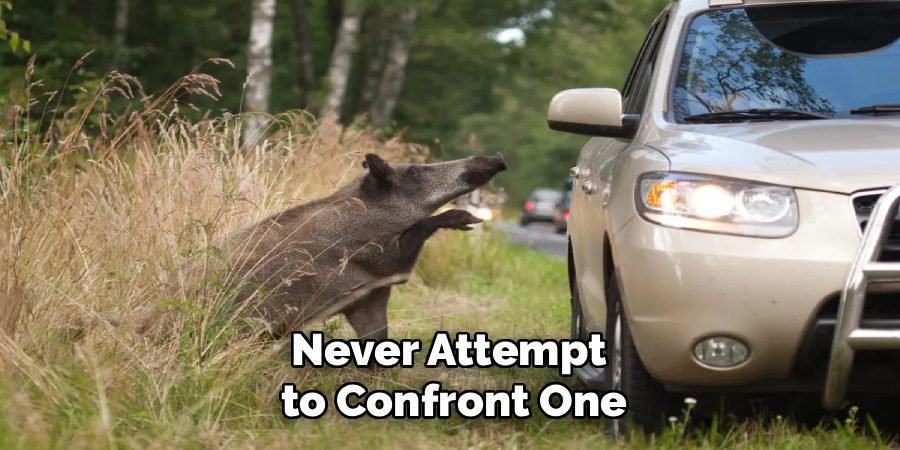
While wild hogs generally prefer to avoid humans, they can be dangerous if they feel threatened, cornered, or are protecting their young. A charging hog, with its sharp tusks and powerful body, can cause serious injury. It’s crucial to keep a safe distance and never attempt to confront one. They can also pose a threat to pets, particularly dogs, which may try to chase or engage with them. Keeping pets indoors or supervised when outside in areas with hog activity is a wise precaution.
What Time of Day Are Wild Hogs Most Active?
Wild hogs are primarily nocturnal, meaning they are most active from dusk until dawn. They use the cover of darkness to forage for food, which is why most yard damage occurs overnight. During the day, they typically rest in dense vegetation, wooded areas, or other places that provide cover and shade. However, in areas with less human pressure or during colder weather, they may sometimes be seen during daylight hours, especially in the early morning or late afternoon.
Can a Regular Dog Keep Hogs Away?
While the presence of a large, barking dog might deter a lone hog temporarily, it is generally not a reliable or safe method for hog control. A determined group of hogs will likely not be scared off by a dog. Furthermore, a confrontation between a dog and a wild hog can result in serious injury or even death for the dog. Some specific breeds are trained for hog hunting, but a typical family pet is not equipped to handle these powerful and potentially aggressive animals.
Will One Hog Attract More?
Yes, seeing one wild hog is often a sign that more are in the area. Hogs are social animals and typically travel in groups called sounders, which consist of several sows and their offspring. A lone hog might be a young male that has been pushed out of a group, but its presence indicates that a larger population is likely nearby. If one hog finds a reliable food source in your yard, it is highly probable that it will lead the rest of its sounder to the same location.
Conclusion
Protecting your yard from the destructive habits of wild hogs is a manageable task when you implement the right strategies. By removing food attractants, building strong physical barriers like specialized fencing, and using deterrents such as motion-activated lights and repellents, you can create a layered defense system. Consistency is key, and combining several of these methods will yield the best results. Don’t let these invasive animals ruin your hard work. By taking these proactive measures, you now have a clear plan for how to keep wild hogs out of your yard and can reclaim your outdoor space.

About Ravuk Barg
B.Sc. Horticulture Science | Certified Master Gardener
Ravuk Barg has spent more than a decade with his hands in the soil and his head full of questions about why some gardens thrive while others struggle. What started as a single raised bed of tomatoes and basil in a modest backyard has grown into a deep, working knowledge of everything from seed germination and soil amendment to companion planting and seasonal pruning.
Over the years, Ravuk has gardened through drought summers, waterlogged springs, and pest invasions that would make most gardeners hang up their trowels for good. Those hard seasons, he’ll tell you, taught him more than any perfect growing year ever could. He writes from that earned experience—covering vegetable growing, ornamental planting, houseplant care, composting, and garden design with equal confidence and curiosity.
Philosophy & Approach
Ravuk’s approach to gardening is rooted in practicality. He favors organic methods not out of dogma, but because they work long-term—resulting in healthier soil, fewer inputs, and stronger plants. He has a particular fondness for heirloom vegetable varieties (the kind with proper flavor), unruly cottage-style flower beds, and the stubborn houseplants that everyone else gave up on.
The Mission: Give readers the honest, experience-backed advice that helps them actually succeed in their gardens—not just the ideal version, but the real one; weeds, failures, and all.
Education & Credentials
-
B.Sc. in Horticulture Science
-
Greenfield Agricultural University
-
Focus: Plant Physiology, Soil Ecology, and Sustainable Crop Production
-
-
Master Gardener Certification
-
Cooperative Extension Service
-
Focus: 200+ hours of hands-on practical training and community garden work
-
Continuing Education
-
Organic Pest Management
-
Native Plant Landscaping
-
Sustainable Crop Production